Mental Matters

Author name: admin

Symptoms of Early Puberty

Symptoms of Early Puberty

Symptoms of Early Puberty The symptoms of early puberty mirror those of typical puberty but appear earlier than expected. These signs may develop gradually or suddenly, and can differ slightly between boys and girls. Recognising the symptoms of early puberty early is essential to ensure appropriate medical evaluation and emotional support. In girls, the most noticeable symptoms include: Breast development before age 8 Growth of underarm or pubic hair Sudden growth spurts Body odour Acne Onset of menstruation at a young age (sometimes as early as age 7) In boys, early signs include: Enlargement of the testicles and penis before age 9 Pubic or facial hair growth Deepening of the voice Rapid height increase Acne and body odour Erections unrelated to sexual stimulation In both boys and girls, mood changes may also occur. Increased irritability, sensitivity, or anxiety can be early emotional signs. Children going through early puberty might struggle with emotional regulation, especially if they feel self-conscious or confused about the changes happening to their bodies. Another key symptom of early puberty is a change in growth patterns. Children who suddenly grow taller than their peers may later experience stunted final height because their bones mature too quickly and growth plates close early. This can be frustrating for parents who initially see their child shooting up in height, only to discover that long-term growth may be compromised. In South African communities, early signs of puberty may be misinterpreted due to cultural beliefs or lack of access to accurate health information. Girls who start menstruating early may be subjected to traditional expectations or social pressures long before they are emotionally ready. Similarly, boys who appear physically mature may be pushed into responsibilities or environments that do not match their actual age. Symptoms of Early Puberty Children going through early puberty may experience confusion, embarrassment, or shame—especially if their peers are still in the prepubescent stage. They might feel out of place at school or begin withdrawing socially. Teasing, bullying, or unwanted attention can increase emotional stress and impact self-esteem. Parents should watch for sudden changes in physical development, emotional behaviour, or school performance. Teachers and caregivers should also be educated to recognise these signs and offer support without judgment or stigma. Recognising the symptoms of early puberty is the first step toward understanding and managing the condition. With early intervention, families can help children cope with the physical and emotional changes, ensuring they continue to thrive during a stage of life that has come sooner than expected. [Next: Diagnosis of Early Puberty →]


Symptoms of Early Puberty Read More »

Concerned boy holding a clock symbolising early puberty diagnosis

Diagnosis of Early Puberty

Diagnosis of Early Puberty The diagnosis of early puberty involves evaluating physical signs, hormone levels, and growth patterns to determine whether a child is developing too soon. Doctors begin by gathering a detailed medical history, noting when symptoms first appeared and how quickly they’ve progressed. In most cases, a physical examination provides the first clues that early puberty may be occurring. A child’s growth chart is an essential part of the evaluation. Children going through early puberty often show a sudden acceleration in height or development. The doctor will assess secondary sexual characteristics—such as breast growth in girls or testicular enlargement in boys—and compare them against age-based norms. Blood tests are usually ordered to check hormone levels, including luteinising hormone (LH), follicle-stimulating hormone (FSH), oestrogen (in girls), or testosterone (in boys). These results help determine whether puberty has begun due to early activation of the brain’s hormonal control system. In cases of suspected central precocious puberty, a GnRH stimulation test may be performed. This test measures how the body responds to a hormone that triggers puberty. If the body reacts as it would in normal puberty, it confirms that puberty has started prematurely due to central activation. Doctors may also use imaging to rule out other causes. An MRI of the brain is often done to check for tumours, abnormalities, or lesions affecting the hypothalamus or pituitary gland. A pelvic ultrasound may be used in girls to assess the size of the uterus and ovaries. For boys, testicular ultrasound may help exclude cysts or hormone-producing growths. Bone age X-rays are another common tool. By comparing a child’s hand and wrist bones to those of other children the same age, doctors can see whether the skeleton is maturing too quickly—an important marker of early puberty. Diagnosis of Early Puberty In South Africa, accessing all these diagnostic tools may not be possible in under-resourced public clinics or rural hospitals. Many children are diagnosed based on physical signs and referred to paediatric specialists at urban hospitals for further testing. Delays in referral or limited awareness among frontline healthcare workers can lead to missed or late diagnoses. Psychological assessment may also be included, particularly if the child is struggling emotionally or socially. Early puberty often has a strong impact on self-esteem, behaviour, and relationships with peers. Accurate diagnosis of early puberty ensures children receive appropriate monitoring, emotional support, and treatment if needed. It also helps families understand what is happening and plan how to support their child through these unexpected changes. [Next: Treatment of Early Puberty →]

Diagnosis of Early Puberty Read More »

Female doctor showing medication to a young girl for early puberty treatment

Treatment of Early Puberty

Treatment of Early Puberty The treatment of early puberty depends on the cause, speed of development, and emotional impact on the child. While not all cases require medical intervention, many benefit from hormone therapy, counselling, and regular monitoring. The goal is to slow down early development, protect the child’s future height, and reduce social or emotional distress caused by early puberty. In central precocious puberty, the most common treatment is a class of medications called GnRH analogues. These synthetic hormones block the brain’s signal to start puberty. By doing so, they pause the production of sex hormones, halting physical development. These injections are usually given monthly or every few months, depending on the formulation. Once treatment begins, most children stop developing further, and some early signs—like breast tissue or body hair—may reduce slightly. Regular follow-ups include checking growth, hormone levels, and emotional well-being. When the child reaches the right age for puberty to begin naturally, the medication is stopped, allowing development to resume. Root Cause Targets If early puberty is caused by an underlying issue—such as a brain tumour, cyst, or thyroid condition—treatment will target the root cause. In rare cases, surgery may be required to remove a hormone-secreting growth. For peripheral precocious puberty, different medications are used to block hormone effects, depending on the condition. Lifestyle management plays a role, especially when obesity or exposure to hormone-disrupting substances may be contributing factors. Maintaining a healthy weight, eating balanced meals, and reducing exposure to plastics or hormonal creams can support overall hormonal balance. Emotional support is just as important as medical care. Children going through puberty early may feel confused, embarrassed, or anxious. They may struggle with teasing or feel disconnected from their peers. Counselling can help them understand their bodies and cope with feelings of isolation or difference. Parent education is also essential, so caregivers can respond with empathy and support. Treatment of Early Puberty In South Africa, access to hormone therapy may be limited in public health settings. While major hospitals offer paediatric endocrinology services, many rural communities lack access to specialist care. This creates inequalities in who can access treatment for early puberty, leaving some children to cope without medical help. Even when medication isn’t needed, regular check-ups are vital to monitor bone age, growth, and emotional development. Some children progress slowly and only need reassurance, while others may face rapid changes that interfere with schooling and friendships. The right treatment of early puberty allows children to grow, develop, and mature at a pace that matches their age. With the right guidance and medical care, they can navigate this early transition with confidence and support. [Next: Complications of Early Puberty →]

Treatment of Early Puberty Read More »

Adolescent curled up on couch showing emotional distress related to early puberty complications

Complications of Early Puberty

Complications of Early Puberty The complications of early puberty go beyond physical changes. Children who enter puberty too soon often face emotional, social, and medical challenges that affect their development and long-term well-being. While some complications are physical, many are psychological or social in nature—and these are often the most overlooked consequences of early puberty. One of the most significant complications is reduced adult height. Although children with early puberty often grow quickly at first. Their bones mature faster and growth plates close earlier than usual. Without treatment, this can lead to a shorter final height than would have been expected. Thus, if puberty had occurred at the normal age. Emotional and mental health struggles are also common. Children experiencing early bodily changes may feel confused or embarrassed—especially if their peers are still prepubescent. They may experience anxiety, low self-esteem, or withdrawal from social situations. Teasing or bullying can further worsen the child’s emotional state, especially in school environments where support may be limited. Girls may be at higher risk of developing depression, body image issues, or early sexualisation. They may receive attention that they’re not emotionally ready to handle, which can put them at risk for inappropriate relationships or behaviour. Boys may face pressure to act “older” or more responsible simply because they appear more mature physically. Other Effects Academic performance may suffer as a result of these emotional pressures. Behavioural changes, lack of focus, or increased absenteeism can occur, particularly when children feel overwhelmed or misunderstood by teachers and classmates. In some cases, early puberty may be linked to underlying health problems. Brain tumours, hormonal disorders, or thyroid abnormalities can all cause premature development. If left untreated, these conditions may lead to serious complications. Girls who menstruate early are at risk of prolonged exposure to oestrogen, which may slightly increase their risk of reproductive cancers later in life. Boys who start puberty early may also experience long-term hormone imbalances if the condition is not addressed. Complications of Early Puberty In South Africa, where public health education may be lacking in some communities, children with early puberty are often misjudged or stigmatised. Cultural myths and misinformation may result in shame, secrecy, or lack of medical care. This can delay treatment and worsen outcomes, especially for young girls who are expected to behave like adults before they are ready. Without support, children with early puberty may also face difficulties forming age-appropriate friendships. Social isolation and emotional distress in childhood can increase the risk of mental health problems in adolescence and adulthood. Preventing and managing the complications of early puberty means more than medical treatment—it requires emotional guidance, education, and inclusion. With family support, school involvement, and timely healthcare, children can overcome these challenges and thrive both emotionally and physically. [Next: Back to Overview →]

Complications of Early Puberty Read More »

Wooden mannequin hand holding a pink label reading "Premenopause" on a green background

Early Menopause

Early Menopause Early menopause refers to the onset of this conditionbefore the age of 45. In some women, it may occur as early as their 30s or even late 20s. While naturally it typically happens between the ages of 45 and 55, early menopause brings this transition forward, often causing unexpected physical and emotional challenges. Menopause marks the end of a woman’s reproductive years. It occurs when the ovaries stop producing oestrogen and progesterone, leading to the permanent cessation of menstruation. Early menopause means this hormonal decline begins much earlier than expected, often catching women off guard during what should be their peak years of fertility, energy, and career development. The causes vary—some women experience early meno due to genetics, medical treatments, or autoimmune diseases. For others, it may be idiopathic, meaning no clear cause can be found. Regardless of the reason, the impact is significant. Hot flushes, mood swings, fatigue, and fertility loss can be overwhelming, particularly when they occur at an age where most peers are not yet dealing with these issues. Early Menopause In South Africa, early menopause is underdiagnosed in many communities, partly due to limited access to specialist gynaecological care. Cultural perceptions may also lead women to ignore or misinterpret symptoms, attributing them to stress or lifestyle changes rather than hormonal decline. Women experiencing early meno may also face unique emotional challenges. The sudden loss of fertility can affect self-image, relationships, and long-term plans for having children. The physical symptoms may also interfere with daily life and work. Understanding early menopause empowers women to seek timely help, manage symptoms effectively, and take proactive steps to protect their health—especially their bones, heart, and emotional well-being. [Next: Causes of Early Menopause →]

Early Menopause Read More »

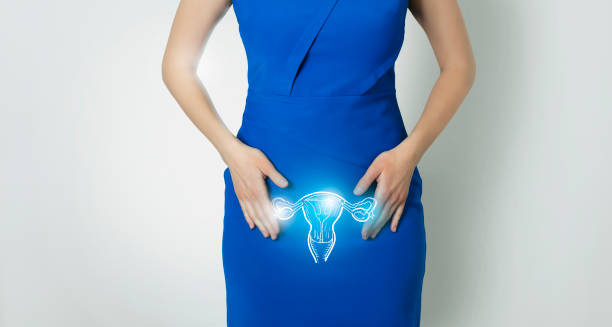
Woman in a blue dress highlighting her lower abdomen with a digital illustration of the uterus glowing

Causes of Early Menopause

Causes of Early Menopause The causes of early menopause are wide-ranging. Some are genetic, while others are related to medical treatments, surgeries, or underlying health conditions. In some cases, no clear cause is found, making the experience even more confusing for affected women. Understanding these causes can help guide diagnosis, management, and future planning. One major cause is primary ovarian insufficiency (POI). This condition occurs when the ovaries stop working properly before age 40. The ovaries may stop releasing eggs and producing hormones long before menopause would normally begin. POI can happen for unknown reasons or may be linked to autoimmune disorders, where the immune system attacks the ovarian tissue. Genetics also plays a role. Women with a family history of early menopause are more likely to experience it themselves. Certain chromosomal abnormalities, such as Turner syndrome or fragile X syndrome, are also known contributors. Genetic testing may be considered if early menopause runs in the family. Medical treatments are another major factor. Chemotherapy and radiotherapy, particularly when directed at the pelvic area, can damage ovarian tissue. Women undergoing cancer treatment at a young age often face early menopause as a side effect. Some may choose to freeze eggs before treatment to preserve fertility. Oophorectomy Surgical removal of the ovaries (oophorectomy) causes immediate menopause, regardless of age. This is often done for conditions such as ovarian cysts, endometriosis, or cancer. Even hysterectomy (removal of the uterus) can lead to earlier menopause, especially if blood supply to the ovaries is disrupted during surgery. Autoimmune diseases like lupus or rheumatoid arthritis may also trigger early menopause. These conditions can cause inflammation or damage to the ovaries. Infections like mumps or tuberculosis, although rare, have also been linked to early ovarian failure. Environmental factors and lifestyle may contribute as well. Smoking is a known risk factor—it damages the ovaries and reduces oestrogen production. Poor nutrition, extreme stress, and exposure to certain chemicals (like endocrine disruptors found in plastics and pesticides) may also increase risk. Causes of Early Menopause In South Africa, women in rural or underserved areas may not be aware of the link between lifestyle, illness, and reproductive health. As a result, early menopause may go unrecognised or untreated, especially when symptoms like fatigue, irregular periods, or mood changes are misattributed to other causes. Identifying the causes of early menopause is important not only for managing current symptoms but also for addressing long-term health risks. Low hormone levels can affect bone density, heart health, and mental well-being—making early detection and appropriate support crucial. [Next: Symptoms of Early Menopause →]

Causes of Early Menopause Read More »

Distressed young woman sitting on the floor with her hands on her head in a bedroom

Symptoms of Early Menopause

Symptoms of Early Menopause The symptoms of early menopause are similar to those experienced during typical menopause but begin much earlier in life. These symptoms can be physically exhausting and emotionally unsettling—especially for women who are not expecting hormonal changes in their 20s, 30s, or early 40s. Understanding the signs helps with early diagnosis and effective management. One of the earliest and most common symptoms of early menopause is a change in menstrual cycle. Periods may become lighter, heavier, less frequent, or stop altogether. Irregular menstruation over several months is often the first indication that hormone levels are shifting. Hot flushes and night sweats are also hallmark signs. These sudden feelings of heat, often accompanied by sweating and a flushed face, can interrupt sleep and affect concentration. Some women experience several hot flushes a day, which can lead to fatigue and irritability. Mood changes are common as well. Women may feel anxious, tearful, or unusually irritable. These emotional shifts are not just reactions to early menopause—they are driven by fluctuating oestrogen levels affecting brain chemistry. Other symptoms include: Vaginal dryness and discomfort during sex Decreased libido Difficulty sleeping Memory lapses or “brain fog” Weight gain, particularly around the waist Hair thinning or skin dryness Headaches and joint pain One of the more distressing aspects of early menopause is the impact on fertility. For women who still want children, discovering that their ovaries are no longer functioning can be devastating. This often leads to feelings of grief, especially if they had not yet started or completed their families. Symptoms of Early Menopause In South Africa, many women do not initially connect these symptoms to menopause—especially younger women. They may think they are suffering from chronic stress, thyroid issues, or vitamin deficiencies. Without access to a gynaecologist or hormone testing, the true cause may go undiagnosed for years. Psychological effects can be significant. Younger women may feel alienated from peers who are still menstruating or falling pregnant. Others may struggle with a sense of ageing “before their time”, which can affect self-esteem and body image. Recognising the symptoms of early menopause is the first step towards reclaiming health and control. With the right diagnosis and support, many of these symptoms can be managed, and quality of life restored. [Next: Diagnosis of Early Menopause →]

Symptoms of Early Menopause Read More »

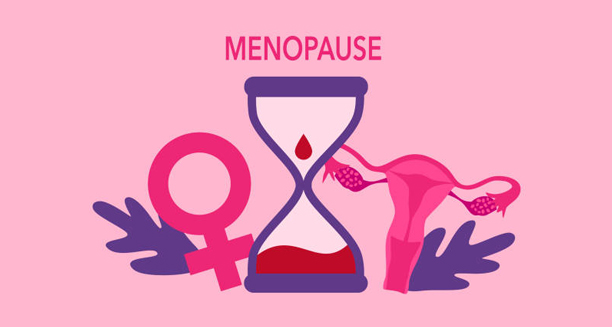
Illustrated hourglass with uterus and female symbol representing menopause

Diagnosis of Early Menopause

Diagnosis of Early Menopause The diagnosis of early menopause is based on symptoms, age, and hormone levels. Since early menopause can mimic other health issues, accurate diagnosis is important to avoid mismanagement or emotional distress. Many women go months or even years without understanding the true cause of their symptoms. Doctors begin with a full medical history and physical examination. They ask about menstrual patterns, family history of menopause, use of medication, previous surgeries, and symptoms like hot flushes, mood swings, or fatigue. A detailed account of menstrual irregularity is especially important. If periods have stopped or become erratic for several months before age 45, early menopause is suspected. The next step is hormone testing. Blood tests are taken on specific days of the menstrual cycle—or at random if periods have stopped—to measure levels of: Follicle-stimulating hormone (FSH): Elevated levels suggest ovarian failure. Oestrogen: Low levels support a menopause diagnosis. Luteinising hormone (LH): Often increased during menopause. Anti-Müllerian hormone (AMH): Assesses ovarian reserve, useful for fertility evaluation. Doctors may also check thyroid function and prolactin levels to rule out other hormonal causes of irregular periods. In cases of suspected early menopause, additional tests may include: Pelvic ultrasound: To check the size and activity of ovaries. Bone density scan (DEXA): As oestrogen protects bones, women in menopause are at increased risk of osteoporosis. Genetic testing: If early menopause occurs before age 35 or there’s a strong family history, testing for chromosomal abnormalities may be advised. Diagnosis of Early Menopause In South Africa, public healthcare access to hormone testing and bone scans is often limited. Many women in rural areas are diagnosed based on symptoms alone, which can lead to underdiagnosis or incorrect treatment. Access to gynaecologists is better in urban hospitals, but many women cannot afford private care. Mental health evaluation may also be part of the diagnostic process. Women dealing with early menopause often experience anxiety, sadness, or grief related to fertility loss, ageing, and social isolation. An accurate diagnosis of early menopause ensures appropriate treatment and counselling. It also helps identify health risks that may arise from long-term oestrogen deficiency, such as heart disease or bone thinning. Early diagnosis empowers women to protect their health and understand the changes their bodies are going through. [Next: Treatment of Early Menopause →]

Diagnosis of Early Menopause Read More »

Doctor selecting HRT for treatment of early menopause

Treatment of Early Menopause

Treatment of Early Menopause The treatment of early menopause focuses on managing symptoms, reducing long-term health risks, and providing emotional support. Since early menopause results in many years without oestrogen, hormone replacement therapy (HRT) is often recommended unless there are medical reasons to avoid it. HRT replaces the hormones no longer produced by the ovaries. It typically includes oestrogen and progesterone, either in tablets, patches, gels, or vaginal creams. HRT helps control hot flushes, night sweats, vaginal dryness, mood changes, and protects against bone loss. Women who’ve had a hysterectomy may need oestrogen-only HRT. When started early and continued until the average menopausal age (around 51), HRT offers many benefits with low risk. It can also improve heart health and cognitive function. Women who cannot take hormones—for example, due to a history of breast cancer—may be offered non-hormonal medications or lifestyle-based symptom management. Calcium and vitamin D supplements, along with regular weight-bearing exercise, are recommended to prevent osteoporosis. Bone density scans help track progress and determine whether additional treatment is needed. For vaginal symptoms, local oestrogen treatments such as creams or pessaries can relieve dryness and discomfort without affecting the whole body. Lubricants and moisturisers are also useful during sex. Emotional support is essential. Counselling or support groups can help women cope with the psychological impact of early menopause. This includes grieving the loss of fertility, adjusting to body changes, and navigating relationships and intimacy. Many women benefit from connecting with others going through similar experiences. Fertility preservation is another area of concern. Some women choose to freeze their eggs before undergoing treatments that may lead to early menopause (such as chemotherapy). Others may consider donor eggs or adoption in future family planning. Treatment of Early Menopause In South Africa, HRT is available through public health systems but may be limited to larger hospitals. Awareness and availability of bone scans, fertility preservation, and counselling are uneven. Many women rely on primary clinics, where early menopause may be misunderstood or overlooked altogether. Women going through early menopause should also focus on long-term health. Regular check-ups, heart screenings, and mammograms are important. Quitting smoking, eating a balanced diet, and staying physically active help reduce the risk of complications. The treatment of early menopause is not just about symptom relief—it’s about improving quality of life and protecting future health. With the right medical care and emotional support, women can thrive, even when menopause arrives earlier than expected. [Next: Complications of Early Menopause →]

Treatment of Early Menopause Read More »

Woman sitting on the floor experiencing emotional distress due to early menopause

Complications of Early Menopause

Complications of Early Menopause The complications of early menopause can be far-reaching, affecting physical, emotional, and reproductive health. While menopause is a natural phase, going through it early—often before 40 or 45—means a longer period of low oestrogen, which increases the risk of several serious health conditions. Recognising these risks helps women take steps to manage them. One of the most significant complications of early menopause is infertility. When the ovaries stop producing eggs prematurely, natural conception becomes unlikely or impossible. For women who haven’t had children or were planning more, this loss can be deeply distressing and may lead to depression or anxiety. Bone loss is another major concern. Oestrogen plays a vital role in maintaining bone density. Women who enter menopause early are at increased risk of developing osteopenia or osteoporosis, leading to fragile bones and a higher likelihood of fractures later in life. Without preventive measures, this can result in serious disability. Cardiovascular disease is also more common. Oestrogen helps protect the heart by maintaining healthy cholesterol levels and supporting blood vessel function. Early menopause increases the risk of high blood pressure, heart attack, and stroke, especially in women who smoke or have other health conditions. Mental health complications are frequent. The hormonal shift, combined with the emotional toll of early ageing and fertility loss, can lead to mood swings, depression, irritability, or even panic attacks. These issues are often overlooked or dismissed, particularly in young women, who may not receive the psychological support they need. Sexual dysfunction is another concern. Vaginal dryness, reduced libido, and painful intercourse can affect intimacy and self-confidence. These symptoms, if ignored, may cause strain in relationships and reduced sexual well-being. Long-term cognitive risks have also been linked to early menopause. Some studies suggest an increased risk of dementia or memory issues, particularly if hormone levels drop too early and are not treated. This area is still being studied, but it underscores the importance of early intervention. Complications of Early Menopause In South Africa, access to preventative care like bone scans, cardiac screening, and psychological support varies greatly between urban and rural areas. Many women with early menopause receive limited education about these risks and may not be followed up regularly. Raising awareness among healthcare providers is essential to reduce long-term complications. Women who have undergone cancer treatment or surgery that triggered early menopause may face even more severe challenges. These include sudden onset of symptoms, loss of fertility, and increased emotional stress, often without adequate counselling. Addressing the complications of early menopause requires a comprehensive approach. Lifestyle changes, medication, emotional support, and regular health monitoring can help women live full, healthy lives despite an early transition. Awareness, early diagnosis, and personalised care are the keys to protecting long-term well-being. [Next: Back to Overview →]

Complications of Early Menopause Read More »

Scroll to Top