Mental Matters

Author name: admin

Illustration of mental health professionals and individuals addressing unhealthy eating habits

Treatment of Eating Disorders

Treatment of Eating Disorders The treatment of eating disorders is a multidisciplinary process that addresses both the physical and psychological aspects of the condition. Since eating disorders are complex and often long-standing, treatment must be tailored to the individual’s needs and circumstances. Recovery is possible, but it takes time, commitment, and professional support. The first goal of treatment is to stabilise the person’s physical health. In severe cases, this may involve hospitalisation or inpatient care—particularly if the individual is dangerously underweight, dehydrated, or at risk of heart failure. Medical monitoring ensures safe refeeding, fluid balance, and correction of electrolyte imbalances. For those not requiring hospitalisation, outpatient treatment is usually provided by a team that may include a doctor, psychologist or psychiatrist, dietitian, and support worker. This team collaborates to develop a comprehensive plan addressing nutrition, mental health, and behaviour. Psychotherapy is a key component. Cognitive behavioural therapy (CBT) is considered the gold standard, particularly for bulimia and binge-eating disorder. It helps individuals recognise and change negative thought patterns, challenge distorted beliefs about food and body image, and develop healthier coping strategies. For anorexia nervosa, family-based therapy (FBT) is often effective in adolescents. This approach involves parents actively supporting their child’s nutrition and recovery while gradually returning control to the young person. Group therapy, mindfulness practices, and art therapy can also be beneficial in creating a sense of connection and emotional expression. Nutritional counselling is essential. A registered dietitian educates the person about balanced eating, portion sizes, and hunger cues. This helps restore trust in food and the body. Gradually, the individual learns to nourish themselves without fear, guilt, or obsession. In some cases, medication may be prescribed. Antidepressants like selective serotonin reuptake inhibitors (SSRIs) can help treat underlying depression or anxiety, especially in bulimia or binge-eating disorder. However, medication alone is not a cure—it is most effective when combined with therapy. Treatment of Eating Disorders In South Africa, access to specialised eating disorder treatment varies widely. While private clinics offer comprehensive services in major cities, public healthcare settings often lack dedicated programmes. This can make long-term support difficult for many people, particularly in rural or under-resourced areas. Community-based organisations and online resources are filling some of these gaps. Recovery also depends on emotional support from family and friends. Eating disorders thrive in secrecy, so building open, compassionate communication is crucial. Loved ones should avoid making comments about weight or appearance and instead focus on well-being and progress. The treatment of eating disorders is not a one-size-fits-all solution. It requires persistence, flexibility, and a strong support system. With proper care, individuals can rebuild a healthy relationship with food, rediscover self-worth, and reclaim control of their lives. [Next: Complications of Eating Disorders →]

Treatment of Eating Disorders Read More »

Thin person standing on scale with distorted reflection in mirror

Complications of Eating Disorders

Complications of Eating Disorders The complications of eating disorders can be severe and, in some cases, life-threatening. Because eating disorders affect nearly every system in the body, the longer they go untreated, the greater the risk of long-term damage. Physical, emotional, and social complications are all common—and recovery becomes more difficult when these issues are ignored. One of the most serious complications is malnutrition. In anorexia nervosa, prolonged calorie restriction leads to extreme weakness, fatigue, anaemia, and organ damage. The body begins to break down muscle—including the heart—to maintain energy. This can result in slow heart rate, low blood pressure, and risk of heart failure. Electrolyte imbalances are also common, especially in bulimia nervosa due to vomiting or laxative use. Low potassium and sodium levels can trigger irregular heart rhythms or seizures. In extreme cases, sudden cardiac arrest may occur. Digestive problems are frequent. Constipation, bloating, acid reflux, and slowed digestion can all stem from disordered eating. Chronic vomiting damages the oesophagus and teeth. In binge-eating disorder, excess food intake may cause stomach pain, gallstones, or type 2 diabetes over time. Bone density loss is a major concern. Low oestrogen levels, especially in people with anorexia, can lead to osteoporosis or osteopenia—even in teenagers. This raises the risk of fractures and long-term mobility issues. Fertility Fertility may be affected as well. Women with eating disorders often have irregular or absent periods due to hormone disruption. In men, low testosterone can affect libido and sperm production. Without treatment, these hormonal changes may become permanent. Mental health complications are just as important. Depression, anxiety, obsessive-compulsive behaviours, and self-harm are common in people with eating disorders. In some cases, suicidal thoughts or actions may occur—especially if the person feels trapped or hopeless about recovery. Social isolation is another complication. Eating disorders often lead to withdrawal from friends, school, work, or family. Fear of eating in public, guilt, or body shame can prevent people from participating in daily life. In South Africa, delayed diagnosis and stigma can increase the likelihood of complications. Many people seek help only when symptoms become unmanageable. Public awareness campaigns and better access to mental health services are urgently needed to prevent long-term harm. Complications of Eating Disorders Dental problems, weakened immune function, hair loss, and temperature sensitivity are additional signs that the body is under stress. In severe cases, the immune system weakens, making the person more vulnerable to infections. The good news is that many of these complications are reversible with early intervention. Physical health can improve once nutritional balance is restored, and psychological symptoms can be managed through therapy. Addressing the complications of eating disorders means treating the whole person—not just the behaviours. Medical care, counselling, and social support all play a role in full recovery. The earlier treatment begins, the better the outcome and the lower the risk of lasting damage. [Next: Back to Overview →]

Complications of Eating Disorders Read More »

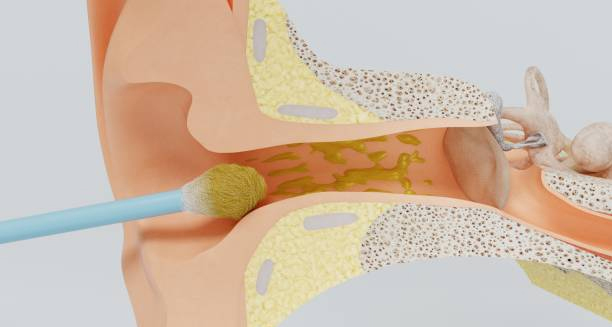
3D illustration of cotton bud pushing earwax deeper into the ear canal

Earwax Build-up

Earwax Build-up Earwax build-up is a common condition that occurs when cerumen (earwax) accumulates in the ear canal and hardens over time. Although earwax plays a protective role by trapping dust, bacteria, and debris, too much can lead to blockages. Earwax build-up can cause discomfort, hearing loss, and even infection if not addressed correctly. The ear is usually self-cleaning. Movement of the jaw through talking or chewing helps push wax out of the canal naturally. However, in some cases, the wax becomes impacted—meaning it hardens and cannot exit on its own. This is often caused by using cotton buds, which push the wax deeper into the ear. Symptoms of build-up include a sensation of fullness in the ear, muffled hearing, itchiness, dizziness, or even ringing in the ear (tinnitus). Some people may also experience earache or discharge. In children, it may present as difficulty hearing or irritability. Earwax build-up is more common in people who: Use hearing aids or earplugs frequently Have narrow or curved ear canals Produce naturally dry or hard wax Clean their ears aggressively Are elderly, as wax production can change with age Earwax Build-up In South Africa, many people still rely on traditional or unsafe methods to remove earwax—such as inserting matchsticks, feathers, or cotton buds. These habits increase the risk of pushing wax further in, damaging the eardrum, or causing infection. Public education around ear health remains vital. While minor wax build-up may not cause symptoms, more severe cases can interfere with daily life. It’s important to recognise the signs early and seek safe, appropriate treatment. Avoiding home remedies that involve inserting objects into the ear is the first step in preventing further complications. Understanding earwax build-up and how to manage it correctly can help protect hearing, reduce discomfort, and prevent unnecessary medical issues. [Next: Causes of Earwax Build-up →]

Earwax Build-up Read More »

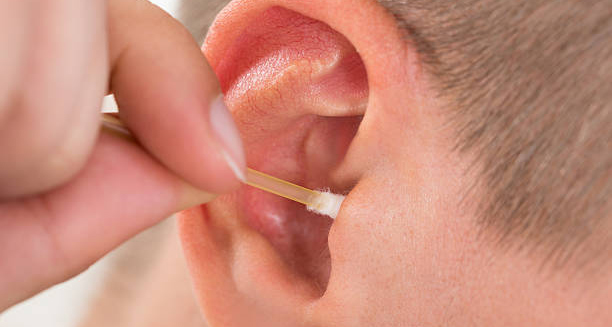
Person using a cotton swab to clean their ear canal

Causes of Earwax Build-up

Causes of Earwax Build-up The causes of earwax build-up often involve interference with the ear’s natural cleaning mechanism. In a healthy ear, wax gradually moves from the inner canal to the outer ear, where it dries and falls out. When this process is disrupted, earwax build-up can occur, leading to discomfort and hearing problems. One of the most common causes is the use of cotton buds. Instead of removing wax, they usually push it further down the canal. This compresses the wax, making it harder and more likely to become impacted. Unfortunately, this habit is widespread in both developed and developing countries, despite health professionals warning against it. People who use hearing aids, in-ear headphones, or earplugs frequently are also at higher risk. These devices can block the natural movement of wax and cause it to accumulate. The same applies to people who wear protective headgear that covers the ears for long periods. Certain anatomical features can contribute as well. People with narrow or unusually shaped ear canals may struggle to expel wax naturally. Excess hair in the ear canal or skin conditions such as eczema can also trap wax and cause blockages. Some individuals simply produce more wax than others. This can be influenced by genetics, age, and diet. As we get older, earwax tends to become drier and less mobile, increasing the risk of impaction. Infections, skin disorders, or inflammation can also trigger excessive wax production. The body may try to protect the ear canal from further irritation, resulting in more wax being created than usual. In these cases, managing the underlying cause is essential to prevent recurrence. Causes of Earwax Build-up In South Africa, dusty environments and poor access to clean water in some communities may increase the body’s production of wax as a protective response. People working in mines, farms, or construction sites may be especially prone to earwax build-up due to constant exposure to dirt and particles. Cultural practices also play a role. Some traditional methods of ear cleaning involve using herbal oils or homemade tools, which can worsen the situation. While well-intentioned, these approaches often push wax deeper or introduce bacteria into the ear. Understanding the causes of earwax build-up helps people make safer choices. Avoiding unnecessary insertion of objects, managing skin conditions, and using ear protection wisely can all reduce the risk of developing blocked ears. [Next: Symptoms of Earwax Build-up →]

Causes of Earwax Build-up Read More »

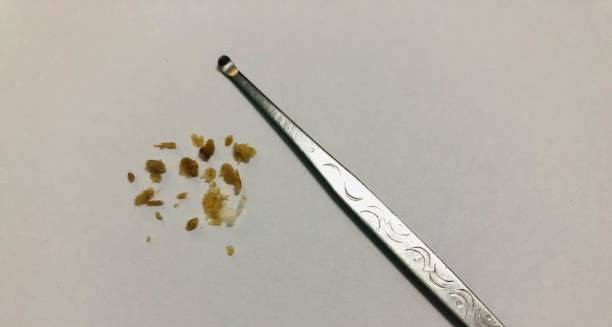
Removed chunks of earwax next to a metal ear pick

Symptoms of Earwax Build-up

Symptoms of Earwax Build-up The symptoms of earwax build-up can range from mild to quite disruptive, depending on how much wax is present and whether it’s causing a blockage. Many people don’t realise they have a wax problem until symptoms appear suddenly, often after a shower or swim when the wax swells and blocks the ear canal completely. Identifying the symptoms of earwax build-up early can prevent discomfort and complications. One of the most common symptoms is a feeling of fullness or pressure in the ear. It may feel like your ear is “plugged” or that you’re hearing through a barrier. This can affect one or both ears and may fluctuate as you move your jaw or tilt your head. Hearing loss is another key sign. The reduction is usually temporary and caused by the wax physically blocking sound from reaching the eardrum. People often describe it as muffled hearing, similar to having water in the ear. Other symptoms include: Ringing or buzzing in the ear (tinnitus) Itchiness in the ear canal Earache or discomfort A sense of imbalance or mild dizziness Coughing, due to nerve stimulation in the ear canal In severe cases, especially when there is an associated infection, there may be fluid discharge from the ear. This could be clear, yellow, or even bloody, and is often accompanied by pain and fever. When this occurs, urgent medical attention is required. Children with earwax build-up may have trouble hearing at school, seem inattentive, or frequently tug at their ears. They may become irritable or complain of pain without an obvious cause. Teachers and parents should be aware of these signs and seek medical advice if they persist. Symptoms of Earwax Build-up In South Africa, access to ear care services varies. In rural areas, many people live with symptoms for months, using cotton buds or home remedies that can make things worse. Even in urban settings, people often underestimate how much wax can affect hearing and balance. The symptoms of earwax build-up can mimic those of other conditions like ear infections, so it’s important to get a proper diagnosis. A healthcare provider can use an otoscope to look inside the ear and determine if wax is the issue. From there, safe and effective removal methods can be recommended. Recognising these symptoms early—and avoiding the urge to self-clean—helps prevent complications and keeps your ears healthy and clear. [Next: Diagnosis of Earwax Build-up →]

Symptoms of Earwax Build-up Read More »

ENT specialist examining a woman's ear in a medical clinic

Diagnosis of Earwax Build-up

Diagnosis of Earwax Build-up The diagnosis of earwax build-up is usually straightforward and painless. If you suspect your ears are blocked, a healthcare provider can confirm the cause quickly using a tool called an otoscope. This small, handheld device has a light and magnifier that allows the doctor to see inside the ear canal and check for earwax build-up or other issues. During the examination, the doctor will look for signs of hardened wax, inflammation, infection, or damage to the eardrum. In some cases, impacted wax is immediately visible and clearly responsible for symptoms such as hearing loss or discomfort. No blood tests or imaging are needed to diagnose earwax build-up. However, hearing tests may be performed if hearing loss is reported. These tests help determine whether the blockage is the only reason for reduced hearing or if another condition is involved. Once the wax is removed, hearing often returns to normal. In children, diagnosis may be based on a combination of parent observations and visual examination. A child who is unresponsive to sound, constantly touches their ears, or has trouble focusing may be referred for ear inspection. Otoscopy is safe and non-invasive, even for young children. In South African clinics, otoscopes are available in most urban facilities, but access may be limited in remote or rural areas. As a result, many people rely on traditional methods to guess whether wax is the issue—often leading to misdiagnosis or ineffective treatment. It’s important to distinguish earwax build-up from other ear conditions, such as otitis externa (outer ear infection), middle ear infections, or fluid build-up behind the eardrum. Mistaking these conditions for wax impaction may delay proper care. Diagnosis of Earwax Build-up Doctors will also ask about your history of ear cleaning. If you use cotton buds or insert objects into your ears, this increases the likelihood of impacted wax. Understanding your cleaning habits helps guide advice on prevention and long-term care. Once a proper diagnosis of earwax build-up is made, the doctor will recommend safe removal methods. This may involve softening drops, irrigation, or manual removal, depending on the severity and location of the blockage. Early diagnosis not only provides fast relief from symptoms but also helps avoid complications like infection or eardrum damage. It also empowers patients with the knowledge to avoid repeating harmful ear-cleaning practices in the future. [Next: Treatment of Earwax Build-up →]

Diagnosis of Earwax Build-up Read More »

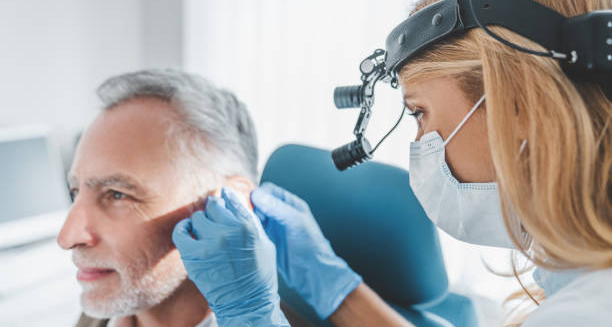
Medical professional treating earwax build-up in an older male patient

Treatment of Earwax Build-up

Treatment of Earwax Build-up The treatment of earwax build-up depends on the severity of the blockage and whether symptoms are present. While some cases clear up on their own, more stubborn wax may require intervention. The goal is to remove the wax safely without damaging the ear canal or eardrum. Self-treatment is discouraged unless advised by a healthcare provider. The most common treatment of earwax build-up starts with softening the wax. Over-the-counter ear drops—such as saline, olive oil, or hydrogen peroxide-based solutions—can be used to loosen the wax over a few days. These drops make it easier for wax to exit the ear naturally or with minimal assistance. If the wax does not come out with drops, irrigation may be recommended. This procedure involves gently flushing the ear with warm water using a syringe or electronic irrigator. It must be done carefully to avoid pushing the wax deeper or damaging the ear. Irrigation is not suitable for people with eardrum perforations, recent surgery, or chronic ear infections. Manual removal is another option. This involves using specialised tools, such as a curette or suction device, to remove wax under direct vision. It should only be performed by trained professionals, usually in a clinic or ENT setting. This method is often preferred for hardened or deeply impacted wax. In South Africa, access to professional ear cleaning services varies. Many public health facilities offer irrigation, but manual removal may only be available at referral hospitals. In rural areas, limited resources mean people often rely on home remedies, which can worsen the problem. Education on safe practices remains essential. Treatment of Earwax Build-up Home treatments—like inserting cotton buds, matchsticks, or other objects—should be strictly avoided. These practices may push wax deeper, cause trauma, or introduce bacteria. Ear candles, a popular alternative remedy, are also unsafe and not recommended by medical professionals. Follow-up is important. Once the wax is removed, patients should be advised on how to prevent recurrence. For people with recurring wax build-up, regular check-ups every 6 to 12 months may be beneficial, especially if they wear hearing aids or have narrow ear canals. The treatment of earwax build-up is usually quick and effective when done properly. Relief from symptoms like hearing loss, fullness, and ringing is often immediate. With the right guidance, patients can maintain ear health and avoid repeated blockages. [Next: Complications of Earwax Build-up →]

Treatment of Earwax Build-up Read More »

Elderly man holding hand to ear indicating hearing difficulty

Complications of Earwax Build-up

Complications of Earwax Build-up The complications of earwax build-up are usually minor when treated early. However, if left untreated or handled incorrectly, earwax build-up can lead to more serious issues. Understanding the risks helps encourage safe practices and prompt treatment. The most common complication is temporary hearing loss. Impacted wax physically blocks sound from reaching the eardrum. This can affect communication, work, school performance, and social interaction—especially in children and the elderly. Earache is another frequent issue. Hardened wax can press against the ear canal wall, causing pain and discomfort. If the wax traps moisture or bacteria, it may also lead to infection, particularly otitis externa (outer ear infection). Symptoms of infection include swelling, redness, pus, and increased pain when touching the ear. Tinnitus, or ringing in the ear, can also result from wax pressing on the eardrum or nearby nerves. For some people, this buzzing or humming sound can become persistent and affect concentration or sleep. Dizziness or balance problems may occur in rare cases, especially when the wax impacts the inner ear or blocks the canal completely. While not common, this can increase the risk of falls—particularly in older adults. Improper cleaning methods are a major source of complications. Inserting cotton buds or foreign objects may push wax deeper or cause trauma. This can lead to eardrum perforation, which may require months to heal and affect long-term hearing. Infections may also develop if bacteria are introduced during these attempts. Ear candles—a popular alternative method—pose additional dangers. They can cause burns, ear canal blockage, or even fire hazards. Studies show they are ineffective at removing wax and can make symptoms worse. Complications of Earwax Build-up In South Africa, complications often arise due to misinformation or lack of access to proper healthcare. People may delay seeking help or use traditional remedies that damage the ear. Rural clinics may not have the tools or trained staff to remove wax safely, increasing the risk of repeated infections or chronic ear conditions. Repeated earwax build-up can also impact the use of hearing aids. Blocked ear canals reduce sound transmission and increase feedback. Hearing aids may also become clogged with wax, requiring more frequent cleaning or repairs. Preventing complications involves education and access to safe care. People should be taught to avoid inserting anything into their ears, to recognise the symptoms of wax build-up, and to seek help if hearing suddenly worsens. With early treatment, the complications of earwax build-up can be avoided entirely. Safe removal, regular check-ups, and simple lifestyle changes ensure ears stay clear and healthy. [Next: Back to Overview →]

Complications of Earwax Build-up Read More »

Surprised teenage girl holding a clock, symbolising early puberty

Early Puberty

Early Puberty This condition early puberty, also known as precocious puberty, is when a child’s body begins to mature earlier than usual. This condition is generally defined as puberty starting before age 8 in girls and before age 9 in boys. While puberty is a natural part of development. When it begins too soon, it can cause physical, emotional, and social challenges for the child and their family. This involves changes such as breast development, growth of body hair, a growth spurt, body odour. Additionally, the onset of menstruation or voice deepening. When these changes appear earlier than expected, they may be confusing or distressing—particularly for younger children who don’t yet understand what’s happening to their bodies. In most cases, early puberty is harmless and has no underlying health problem. However, in some instances, it may be caused by hormonal imbalances, tumours, brain conditions, or exposure to certain environmental factors. Regardless of the cause, early diagnosis and support are key to managing the physical and emotional impact on the child. Early Puberty In South Africa, awareness of early development is growing, especially in urban areas. However, in some communities, early signs of development may be misunderstood, stigmatised, or overlooked altogether. Cultural beliefs, limited access to paediatric specialists, and lack of sexual health education can make it harder for families to seek help. Socially, children with early puberty may feel out of place among peers who have not yet begun to develop. This can lead to teasing, embarrassment, or isolation. They may also be mistaken for being older than they are, leading to unrealistic expectations or exposure to age-inappropriate situations. Understanding early puberty is important not only for managing health but also for protecting emotional well-being. With proper guidance, early intervention, and ongoing support, most children adjust well and continue to grow into healthy adolescents and adults. [Next: Causes of Early Puberty →]

Early Puberty Read More »

Young girl lying in bed, possibly experiencing early puberty symptoms

Causes of Early Puberty

Causes of Early Puberty The causes of early puberty are often unclear. However, they generally fall into two categories: central (true) precocious puberty and peripheral (pseudo) precocious puberty. Central precocious puberty is the most common type and occurs when the brain’s hormonal signals. Furthermore, these control puberty starting too early. Peripheral cases are less common and result from hormone production in other parts of the body. Outside of the normal brain-pituitary-gonad pathway. In central early puberty, the brain releases a hormone called gonadotropin-releasing hormone (GnRH) earlier than expected. This stimulates the pituitary gland to produce luteinising hormone (LH) and follicle-stimulating hormone (FSH). Which trigger the ovaries or testes to begin producing sex hormones—oestrogen in girls and testosterone in boys. In most girls, central precocious puberty is idiopathic, meaning there is no known cause. In boys, however, it is more likely to be linked to an underlying issue, such as a brain tumour, head injury, spinal cord abnormalities, or congenital brain malformations. Infections such as meningitis or encephalitis can also affect the brain and trigger premature puberty. Peripheral Early Puberty Peripheral early puberty happens when the sex glands or other parts of the body produce hormones without signals from the brain. This can be due to adrenal gland disorders, ovarian or testicular cysts, or hormone-secreting tumours. In rare cases, exposure to external hormones—such as from creams, supplements, or contaminated food—can lead to early changes. Genetic conditions like McCune-Albright syndrome and congenital adrenal hyperplasia are other known causes. These conditions may be diagnosed through hormone tests, imaging scans, and blood work. In South Africa and other developing countries, environmental factors may also play a role. These include exposure to endocrine-disrupting chemicals (EDCs) found in plastics, pesticides, and some household products. Studies suggest that early puberty may be linked to increased body weight or obesity, which can disrupt hormone levels and accelerate development. Causes of Early Puberty Family history is another risk factor. If one or both parents experienced early puberty, the chances are higher that their children may too. Certain ethnic groups also tend to show earlier signs of puberty compared to others, due to both genetic and environmental influences. Understanding the causes of early puberty helps doctors determine the best approach to treatment. Not all children need medical intervention, but identifying the underlying reason is important—especially if it signals a more serious condition. With early detection, children can receive the right care and support at every stage of development. [Next: Symptoms of Early Puberty →]

Causes of Early Puberty Read More »

Scroll to Top