Mental Matters

Author name: admin

Man clutching stomach in pain next to toilet

Dysentery

Dysentery Dysentery is an intestinal infection that causes severe diarrhoea with the presence of blood and mucus. Most cases of this condition are caused by bacteria or parasites. Furthermore, the condition can spread quickly through contaminated food, water, or poor sanitation. It is especially common in areas with inadequate access to clean drinking water and basic hygiene facilities. The primary symptom is bloody diarrhoea, often accompanied by stomach cramps, fever, and a constant feeling of needing to pass stool, even when the bowel is empty. Dysentery can range from mild discomfort to life-threatening dehydration, particularly in children, the elderly, and people with weakened immune systems. There are two main types: bacillary and amoebic. Bacillary dysentery is usually caused by Shigella bacteria, while amoebic dysentery results from infection by the parasite Entamoeba histolytica. Both types are spread through the faecal-oral route, which means they can be contracted by consuming contaminated food or water, or through direct contact with infected faeces. In South Africa, this disease is more common in informal settlements and rural areas where clean water and sanitation are limited. Outbreaks may also occur after floods or in overcrowded places like refugee camps, where hygiene is difficult to maintain. Dysentery Globally, the World Health Organization classifies dysentery as a major public health concern, especially in low- and middle-income countries. It contributes significantly to child mortality rates due to dehydration and related complications. However, with timely treatment, most people recover fully. Early recognition of dysentery and access to clean water, oral rehydration solutions, and medical treatment can prevent serious illness and death. Public education, improved sanitation, and safe food handling are key to long-term prevention. [Next: Causes of Dysentery →]

Dysentery Read More »

Contaminated water flowing from rusty outdoor tap

Causes of Dysentery

Causes of Dysentery The causes of dysentery depend on the type of organism responsible for the infection. Poor hygiene, unsafe water, and contaminated food cause most cases. Once a person ingests these infectious agents. They travel to the intestines and begin to damage the lining of the gut, causing bleeding, inflammation, and frequent bowel movements. The most common cause of dysentery is Shigella bacteria, which causes bacillary dysentery. The disease spreads easily in areas where people don’t practice handwashing and live in close quarters. Even a small number of bacteria can trigger an infection. Children are particularly susceptible due to their developing immune systems and increased likelihood of coming into contact with germs. Another major cause is the Entamoeba histolytica parasite, which causes amoebic dysentery. Contaminated water or food often carries this parasite, which is more common in tropical and subtropical regions. It can live in the intestines without causing symptoms. However, in some people, it invades the gut wall and leads to bloody diarrhoea and other serious complications, such as liver abscesses. Other Causes Other causes of dysentery include poor sanitation infrastructure, especially in developing nations. When faecal matter contaminates water sources or is used as fertiliser without proper treatment, the risk of spreading dysentery increases. Open defecation, lack of access to soap, and unclean food preparation areas also contribute significantly. Travellers to high-risk areas may develop dysentery if they consume unbottled water. Raw produce, or street food prepared in unhygienic conditions. For this reason, it is often advised to drink only boiled or bottled water. Avoid ice cubes, and eat food that is fully cooked and served hot. In South Africa, waterborne outbreaks of dysentery can occur in underdeveloped or drought-affected regions. These outbreaks are more common after heavy rains, flooding, or service delivery interruptions that affect sanitation and water purification. Causes of Dysentery Some antibiotics or other medications that disrupt gut bacteria may indirectly increase the risk of infection by allowing harmful organisms to grow. People with compromised immune systems, including those with HIV/AIDS, cancer, or malnutrition, are also more likely to contract severe forms of dysentery. Understanding the causes of dysentery is essential for both prevention and treatment. Measures such as safe drinking water, handwashing with soap, proper food storage, and sanitation systems are proven to reduce transmission and protect communities from widespread outbreaks. [Next: Symptoms of Dysentery →]

Causes of Dysentery Read More »

Man clutching his stomach in pain against a plain background

Symptoms of Dysentery

Symptoms of Dysentery The symptoms of dysentery often start suddenly and can become severe if not treated promptly. The hallmark sign is frequent, urgent diarrhoea that contains blood and mucus. Unlike ordinary diarrhoea, which is usually watery, dysentery involves inflammation of the intestinal lining, causing tissue damage and visible blood in the stool. One of the earliest symptoms of dysentery is abdominal cramping. These cramps can be intense and may feel like constant pressure or stabbing pain in the lower abdomen. They are often followed by an urgent need to use the toilet, sometimes even when the bowels are already empty—a sensation known as tenesmus. In addition to bloody diarrhoea and cramping, other common symptoms include: Fever and chills Nausea and vomiting Fatigue and general weakness Loss of appetite Dehydration, especially in young children and the elderly People with severe dysentery may become dehydrated very quickly. Signs of dehydration include dry mouth, sunken eyes, low urine output, dizziness, and extreme thirst. In infants and small children, these signs can develop within hours and may lead to life-threatening complications if not addressed. Amoebic dysentery may have a slower onset and can sometimes go unnoticed for days or weeks. However, once symptoms begin, they closely resemble those of bacillary dysentery. In some cases, amoebic infection may spread beyond the gut and form abscesses in the liver, which can cause pain in the upper right abdomen and fever. In South Africa, outbreaks often present with similar symptoms in multiple members of the same household or community, particularly where sanitation is poor. Shared toilets, unsafe drinking water, or communal cooking areas contribute to the spread. It’s also important to distinguish dysentery from other forms of diarrhoea. Viral gastroenteritis, food poisoning, and inflammatory bowel disease can all cause diarrhoea but typically do not involve blood. If blood or mucus is seen in the stool, medical attention should be sought immediately. Symptoms of Dysentery The symptoms of dysentery are not only physically draining but also emotionally distressing. Fear of losing control in public or frequent bathroom visits can lead people to avoid work, school, or social settings. Children may miss out on vital education, and adults may face lost income. Recognising the symptoms of dysentery early and seeking prompt treatment helps prevent complications, reduce transmission, and speed up recovery. In most cases, medical care and proper hydration can restore health within a few days to a week. [Next: Diagnosis of Dysentery →]

Symptoms of Dysentery Read More »

Illustration of a healthcare professional discussing a medical report with a seated patient

Diagnosis of Dysentery

Diagnosis of Dysentery The diagnosis of dysentery usually begins with a medical history and physical examination. Doctors ask about recent travel, hygiene practices, food and water consumption, and whether others in the household are showing similar symptoms. Since dysentery presents with bloody diarrhoea, cramping, and fever, healthcare providers aim to quickly confirm the cause and start treatment. A stool sample is the most important diagnostic tool. Testing the stool allows doctors to identify whether the infection is caused by bacteria, parasites, or another agent. In bacillary dysentery, the stool will often test positive for Shigella bacteria. While in amoebic dysentery, Entamoeba histolytica cysts or trophozoites may be found. In some cases, further laboratory culture or antigen testing may be required. Doctors also check for signs of dehydration. If a patient shows symptoms such as low blood pressure, dry mouth, reduced urine output. Additionally, sunken eyes may require urgent fluid replacement. In severe cases, blood tests may be done to evaluate kidney function and electrolyte levels. In South Africa, especially in public hospitals and rural clinics, the diagnosis of dysentery is often made based on clinical presentation alone—particularly during outbreaks or when laboratory services are limited. Where stool testing is not immediately available, doctors may treat presumptively based on symptoms, travel history, and community exposure. Imaging, such as an ultrasound or CT scan, is rarely needed but may be used in severe cases where complications like a liver abscess (from amoebic infection) are suspected. This can help distinguish between intestinal and extra-intestinal disease, particularly in patients with right-sided abdominal pain or prolonged fever. It is important to rule out other causes of bloody diarrhoea, such as inflammatory bowel disease (e.g. ulcerative colitis or Crohn’s disease), colorectal cancer, or other parasitic infections. Misdiagnosis can delay appropriate treatment and increase the risk of complications. Diagnosis of Dysentery Accurate and early diagnosis of dysentery is crucial. It helps guide the correct use of antibiotics or anti-parasitic medication, ensures the patient is isolated if necessary, and reduces the risk of spreading the disease to others. In community settings such as schools or workplaces, diagnosis also triggers important public health responses. In resource-limited settings, improving access to diagnostic tools—such as point-of-care stool tests—would significantly improve early detection and outbreak control. Until then, awareness, clinical training, and rapid response protocols remain vital in managing dysentery effectively. [Next: Treatment of Dysentery →]

Diagnosis of Dysentery Read More »

Older woman smiling while holding a glass of water

Treatment of Dysentery

Treatment of Dysentery The treatment of dysentery focuses on two main goals: rehydration and eliminating the infection. Replacing lost fluids is essential, especially when diarrhoea is frequent or bloody. At the same time, doctors use targeted medications to eliminate the bacteria or parasites causing the illness. With prompt and appropriate care, most people recover within a week. The first step in the treatment of dysentery is oral rehydration therapy (ORT). A simple mix of clean water, sugar, and salt can replace lost electrolytes and prevent dehydration. Ready-made oral rehydration salts (ORS) are available at pharmacies and clinics and are especially effective in children and the elderly. Doctors normally administer intravenous fluids in severe cases. Often, Doctors prescribe antibiotics to treat bacillary dysentery, especially when Shigella bacteria are the cause. Doctors often prescribe drugs like ciprofloxacin or azithromycin, depending on local resistance patterns. However, the growing problem of antibiotic resistance makes it essential to use these medications only when necessary and under medical supervision. Doctors treat amoebic dysentery with anti-parasitic medication. The standard treatment is metronidazole, which kills the Entamoeba histolytica parasite in the intestines. Doctors often give a follow-up course of diloxanide furoate or paromomycin to eliminate any remaining cysts in the gut and prevent recurrence. Pain relief Pain relief may be provided to ease abdominal cramps, but anti-diarrhoeal medications like loperamide are usually avoided in dysentery, as they can worsen the illness by slowing the removal of harmful organisms from the intestines. Nutrition is also a critical part of treatment of dysentery. A bland diet of soft, easily digestible foods is recommended. In children, continuing breastfeeding or formula feeding is essential during recovery. Prolonged lack of nutrition can weaken the immune system and delay healing. In South Africa, access to treatment may vary between urban and rural settings. While ORS and antibiotics are available in most public health facilities, overcrowded clinics, staff shortages, and transportation issues can delay care. Community health workers play a key role in providing education, early recognition, and access to first-line treatment. Treatment of Dysentery Patients with dysentery are advised to maintain strict hygiene to avoid spreading the infection. This includes regular handwashing, using clean toilets, and not preparing food for others until fully recovered. Public health campaigns during outbreaks often stress these points, especially in schools and communal settings. With early intervention, the treatment of dysentery is usually successful. Severe or untreated cases, however, can lead to complications like malnutrition, dehydration shock, or intestinal damage—especially in vulnerable populations. [Next: Complications of Dysentery →]

Treatment of Dysentery Read More »

Person clutching stomach in pain outdoors

Complications of Dysentery

Complications of Dysentery The complications of dysentery can range from mild to life-threatening, especially when treatment is delayed or the patient is already vulnerable due to age, illness, or poor nutrition. While most people recover fully, children under five, the elderly, and people with weakened immune systems are at higher risk of serious consequences. The most common complication is dehydration. As the body loses fluids rapidly through diarrhoea and vomiting, blood volume drops, leading to low blood pressure, kidney strain, and in extreme cases, shock. In rural areas or overcrowded communities in South Africa, limited access to clean water and healthcare can turn even a mild case of dysentery into a medical emergency. Electrolyte imbalance is another concern. Essential minerals like sodium, potassium, and chloride are lost during diarrhoea. Without replacement, this can cause irregular heartbeat, muscle weakness, and confusion. Children and infants are particularly vulnerable to these imbalances, which can become fatal if not corrected quickly. Malnutrition is a long-term complication, especially in repeated or untreated infections. The body struggles to absorb nutrients when the intestines are inflamed, leading to weight loss, stunted growth, and weakened immunity. In areas where food insecurity is already a concern, dysentery can further compound the risk of child underdevelopment. In amoebic dysentery, the parasite Entamoeba histolytica can move beyond the gut and form abscesses in the liver or other organs. Liver abscesses can cause fever, pain in the upper right abdomen, and even rupture, which requires emergency surgery. Without imaging and prompt treatment, this can become life-threatening. Bowel complications such as perforation or toxic megacolon can occur in severe cases of bacterial dysentery. These conditions involve damage to the intestinal wall and require urgent surgical intervention. While rare, they are more likely in patients with compromised health or those who delay seeking care. Recurring dysentery is another concern, especially in communities where sanitation is poor or where reinfection is common. Repeat episodes weaken the immune system and leave patients more susceptible to other infections. Chronic forms may lead to ongoing gut problems, fatigue, and poor quality of life. Complications of Dysentery Psychological complications also occur. People who experience prolonged or severe symptoms may become socially withdrawn due to embarrassment or fear of accidents in public. Children may miss school and fall behind in learning, while adults may lose income or employment opportunities. In South Africa, many of these complications are preventable through early access to clean water, proper sanitation, and timely medical care. However, resource shortages in public health facilities, delayed diagnosis, and lack of public awareness continue to allow preventable deaths and long-term illness from dysentery. Addressing the complications of dysentery requires a combination of personal hygiene, community-level sanitation improvements, medical support, and long-term investment in public health infrastructure. [Next: Back to Overview →]

Complications of Dysentery Read More »

Young girl with pigtails gesturing silence with fingers

Dysarthria

Dysarthria Dysarthria is a motor speech disorder caused by weakness, paralysis, or lack of coordination in the muscles used for speaking. People with dysarthria often have slurred or slow speech that is difficult to understand, even though their understanding of language and ability to form thoughts remains intact. The condition can affect the lips, tongue, vocal cords, and diaphragm, leading to unclear or strained speech. Dysarthria can develop suddenly or gradually. In some cases, it results from a stroke or brain injury, while in others it may be a symptom of a progressive neurological disorder. The severity and type of this condition depend on which parts of the brain or nervous system are affected. While some people experience only mild speech changes, others may lose their ability to speak altogether. Unlike other speech disorders, dysarthria is not related to problems in language processing or cognitive function. This means people with the condition often know exactly what they want to say, but struggle to produce speech clearly. This can lead to frustration and social withdrawal, especially when listeners misinterpret their speech or assume cognitive impairment. Dysarthria In South Africa, stroke and traumatic brain injury are among the most common causes of dysarthria, particularly in areas where hypertension, diabetes, and road accidents are prevalent. Limited access to speech therapy services—especially in rural clinics—can delay treatment and increase communication difficulties for patients. Globally, dysarthria is recognised as a significant barrier to communication and inclusion. With the right therapy and support, many individuals improve their speech or learn to communicate more effectively through alternative methods such as writing, gesture, or communication devices. Understanding and recognising dysarthria is key to early intervention and support. It is not simply “slurred speech” but a medical condition requiring professional diagnosis and tailored therapy. [Next: Causes of Dysarthria →]

Dysarthria Read More »

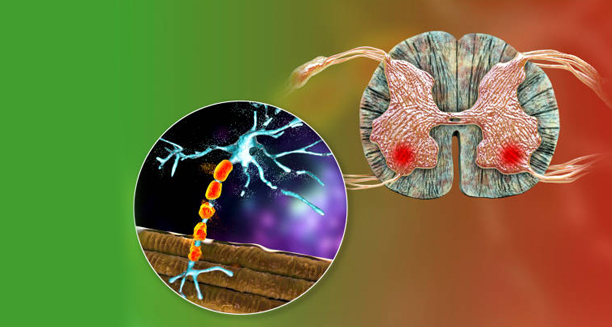
Illustration of damaged motor neurons and spinal cord cross-section

Causes of Dysarthria

Causes of Dysarthria The causes of dysarthria are rooted in damage to the nervous system that controls the muscles involved in speaking. This damage can occur in the brain, brainstem, spinal cord, or peripheral nerves. Any condition that disrupts the motor pathways responsible for speech may lead to dysarthria. One of the leading causes is stroke. When blood flow to the brain is blocked or interrupted, the resulting brain damage can impair the muscles that control speech. Depending on the location and severity of the stroke, dysarthria may affect one side of the face, the tongue, or the respiratory muscles, making speech slow, weak, or imprecise. Traumatic brain injury is another major cause. A blow to the head—such as from a car accident or fall—can damage the brain’s motor control centres, leading to slurred or difficult speech. In South Africa, road traffic accidents and violence are significant contributors to head injuries and, by extension, to dysarthria. Progressive neurological diseases can also cause dysarthria. Conditions like Parkinson’s disease, amyotrophic lateral sclerosis (ALS), multiple sclerosis (MS), and Huntington’s disease gradually affect the brain and nervous system, leading to muscle weakness and speech difficulties over time. In these cases, dysarthria tends to worsen as the disease progresses. Other causes include brain tumours, cerebral palsy, muscular dystrophy, and infections such as encephalitis or meningitis. Surgery involving the brain, face, or vocal cords may also lead to temporary or permanent dysarthria if nerves are damaged. Medications can contribute as well. Sedatives, muscle relaxants, and drugs that affect the central nervous system may temporarily impair speech by relaxing the muscles too much or altering brain activity. Some cases of dysarthria result from congenital conditions—those present at birth. Children with cerebral palsy, for example, may experience muscle coordination problems that affect their ability to produce speech clearly. Causes of Dysarthria Understanding the causes of dysarthria is essential for accurate diagnosis and effective treatment. A clear diagnosis helps guide therapy and manage expectations. In some cases, treating the underlying condition—such as improving blood sugar control in diabetic neuropathy or adjusting medication—can also improve speech. Access to early intervention is vital. In rural parts of South Africa, limited resources can delay both diagnosis and therapy, leading to social isolation and reduced quality of life. Health awareness programmes, early screening, and speech-language services in local clinics can help address these challenges. Identifying the cause allows healthcare professionals to create an appropriate, individualised care plan. Whether the goal is to improve intelligibility or provide alternative communication methods, recognising the origin of the condition is always the first step. [Next: Symptoms of Dysarthria →]

Causes of Dysarthria Read More »

Two young girls, one showing signs of speech difficulty

Symptoms of Dysarthria

Symptoms of Dysarthria The symptoms of dysarthria vary depending on the cause, severity, and location of nerve or brain damage. However, the most consistent feature is a noticeable change in the clarity and rhythm of speech. People with dysarthria often sound slurred, slow, or monotone, making it difficult for listeners to understand them, even though their language and thinking skills remain normal. One of the earliest symptoms of dysarthria is slurred or imprecise pronunciation. Words may run together, or certain consonants and vowels may be dropped or distorted. Speech might also become softer or louder than usual, depending on which muscles are affected. Some people may develop a nasal-sounding voice, while others sound hoarse or strained. Breathing control is often affected, leading to short, choppy speech or breathlessness during conversation. This can make it difficult to speak at length or form full sentences without pausing. In severe cases, people may only be able to speak a few words at a time or rely on gestures or communication boards. The face, lips, and tongue may show signs of weakness or reduced movement. This can result in drooling, chewing difficulties, or challenges with swallowing. These symptoms not only affect communication but can also increase the risk of choking or aspiration. Speech Rhythm Some types of dysarthria are associated with changes in speech rhythm. Speech may become unusually fast (as in hypokinetic dysarthria, often seen in Parkinson’s disease) or slow and laboured (as in spastic dysarthria, linked to stroke or cerebral palsy). The tone of voice may lack natural variation, making it sound robotic or dull. Dysarthria often leads to emotional frustration. Many people feel embarrassed or anxious about speaking in public or social situations. They may avoid conversations, which can lead to isolation and even depression if left unaddressed. The impact on self-esteem, relationships, and daily functioning is significant and should not be underestimated. In children, symptoms of dysarthria may become noticeable when speech milestones are delayed or unclear. Parents may notice that the child struggles to be understood, has poor coordination of mouth movements, or speaks differently from peers. Early intervention is key in these cases. Symptoms of Dysarthria In South Africa, awareness of dysarthria remains limited, and many people attribute slurred speech to drunkenness or lack of intelligence, especially in public spaces. This stigma can be damaging. Increased education and access to speech therapy are crucial to helping individuals with dysarthria live full, dignified lives. Recognising the symptoms of dysarthria early allows for timely therapy and support. With the right tools and strategies, many people can improve their speech or develop effective alternative ways to communicate. [Next: Diagnosis of Dysarthria →]

Symptoms of Dysarthria Read More »

Medical tools and paper with the word Dysarthria written on it

Diagnosis of Dysarthria

Diagnosis of Dysarthria The diagnosis of dysarthria begins with a clinical evaluation of speech patterns, muscle movement, and overall neurological function. When someone presents with slurred or unclear speech, healthcare providers assess whether the problem lies with language processing or muscle control. Since dysarthria specifically affects the muscles used in speech, identifying the source of impairment is crucial. Speech-language therapists play a central role in evaluating the condition. They begin by listening to the individual’s speech and noting characteristics such as slurring, breathiness, or altered pitch and rhythm. Observing facial movement, tongue mobility, and control over lips and jaw also helps determine which muscles are involved and how severely. During the diagnosis of dysarthria, the therapist may perform a range of oral motor tests. These include asking the person to repeat certain sounds, sustain vowels, or count out loud. Any difficulty in controlling the speed, accuracy, or strength of speech movements provides further clues. Breathing patterns and coordination during speech are also assessed, as respiratory control is vital for verbal expression. To understand the underlying cause of dysarthria, a neurological examination is usually performed. This might include brain imaging, such as MRI or CT scans, to detect strokes, tumours, traumatic injuries, or neurodegenerative diseases. Blood tests may also be done to rule out infections or metabolic conditions that could affect the brain or nerves. In some cases, particularly when the condition is new or worsening, additional tests such as electromyography (EMG) or nerve conduction studies may be ordered to evaluate the nerves and muscles directly. These tests help confirm whether dysarthria is part of a broader neuromuscular disorder. Diagnosis of Dysarthria Differentiating dysarthria from similar speech disorders is essential. For example, apraxia of speech involves problems with planning and sequencing speech movements rather than weakness or paralysis. Aphasia, another related condition, affects language comprehension and expression but does not directly impact muscle function. In South Africa, access to speech-language pathologists may be limited in some public hospitals and rural clinics. This can delay accurate diagnosis of dysarthria, especially in communities where awareness is low and slurred speech is misunderstood or stigmatised. Early referral to specialists, including neurologists and speech therapists, can improve outcomes significantly. The diagnosis process often includes conversations with family members or caregivers, who can provide insight into when symptoms began and how they have changed. In children, teachers may be the first to notice unclear speech or communication difficulties. An accurate and early diagnosis of dysarthria sets the stage for effective treatment and support. It ensures that therapy is targeted, expectations are realistic, and the individual is empowered with tools to communicate more clearly or through alternative means if needed. [Next: Treatment of Dysarthria →]

Diagnosis of Dysarthria Read More »

Scroll to Top