Mental Matters

Author name: admin

Symptoms of Detached Retina

Symptoms of Detached Retina

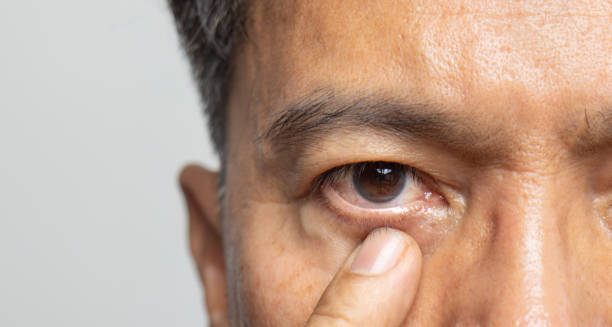
Symptoms of Detached Retina Symptoms of detached retina often appear suddenly and can range from subtle visual changes to dramatic vision loss. A detached retina itself is painless, but the signs are typically noticeable and should never be ignored. Timely recognition is critical, as delays in treatment may result in permanent vision impairment. Flashes of Light (Photopsia) Often one of the first symptoms Appears as brief, flickering lights or lightning streaks Caused by the vitreous gel pulling on the retina Flashes may be more noticeable in dim light or when moving the eyes quickly. Floaters Small dark shapes or specks drifting across the vision May look like threads, cobwebs, or blobs A sudden increase in floaters may signal a retinal tear or bleeding Floaters are common with ageing but become concerning when they appear suddenly and in large numbers. Shadow or Curtain Over Vision A dark shadow or curtain may spread from the side, top, or bottom of the visual field Indicates the retina is detaching further, affecting peripheral vision If untreated, the shadow can expand and result in complete central vision loss Blurred or Distorted Vision Straight lines may appear wavy Objects may appear smaller or distorted in shape Reading or recognising faces becomes difficult Loss of Vision | Symptoms of Detached Retina Central or peripheral vision loss in the affected eye Can progress rapidly within hours or days Vision loss is typically irreversible without surgery Symptoms by Type of Retinal Detachment Rhegmatogenous: Sudden and dramatic onset Tractional: Gradual visual decline without acute symptoms Exudative: Often starts with blurring and progresses to distortion When to Seek Emergency Care Any new flashes, floaters, or vision changes should prompt immediate eye examination Even if symptoms disappear, the risk of retinal detachment remains In summary, symptoms of detached retina are visual warning signs that require urgent attention. Early intervention offers the best chance of restoring or preserving sight. [Next: Diagnosis of Detached Retina →]

Symptoms of Detached Retina Read More »

Eye exam for retinal issues

Diagnosis of Detached Retina

Diagnosis of Detached Retina Diagnosis of detached retina relies on a detailed eye examination by an optometrist or ophthalmologist. When someone presents with symptoms of a detached retina, swift and accurate diagnosis is critical to prevent irreversible vision loss. The evaluation includes a combination of clinical observation, imaging tests, and assessment of visual function. Initial Clinical Evaluation The doctor will ask about the onset and nature of symptoms, such as floaters, flashes, or shadowed vision The eye care specialist takes a thorough medical history, including any previous eye surgeries, trauma, or conditions like diabetes or high myopia Visual Acuity Testing Measures how clearly a person can see at various distances The specialist checks whether central or peripheral vision is affected Establishes a baseline for monitoring changes before and after treatment Dilated Fundus Examination Special eye drops dilate the pupils to allow a clear view of the retina Using a slit-lamp microscope with a bright light and lens, the doctor can examine the entire retina Signs of retinal tears, detachment, or bleeding are carefully assessed Indirect Ophthalmoscopy A head-mounted light and lens are used to view the peripheral retina in detail This technique provides a wide field of vision to detect small or hidden retinal breaks Imaging Tests Optical Coherence Tomography (OCT): Produces cross-sectional images of the retina Identifies fluid accumulation, retinal layers, and subtle detachment Ultrasound (B-scan): Used when the view of the retina is obscured by bleeding (vitreous haemorrhage) Detects full or partial detachment and measures the extent of separation Fundus Photography: Captures detailed images for documentation and comparison over time Differential Diagnosis The following conditions may mimic or accompany retinal detachment: Posterior vitreous detachment (PVD) Retinal vein occlusion Macular degeneration Ocular tumours Urgency of Diagnosis of Detached Retina A suspected detached retina is a medical emergency The faster the diagnosis is made, the better the prognosis for preserving vision In conclusion, diagnosis of detached retina depends on clinical skill and advanced imaging tools. Prompt detection allows for timely surgical intervention and maximises the chances of vision recovery. [Next: Treatment of Detached Retina →]

Diagnosis of Detached Retina Read More »

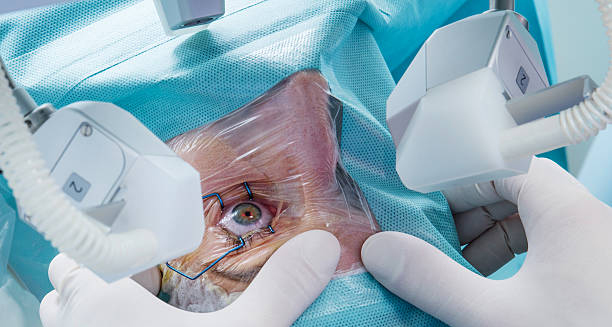
Retinal detachment eye surgery

Treatment of Detached Retina

Treatment of Detached Retina Treatment of detached retina aims to reattach the retina to its normal position and preserve or restore vision. Because a detached retina will not heal on its own, surgical intervention is almost always necessary. The specific type of surgery depends on the cause, extent, and location of the detachment. Laser Photocoagulation Used for small retinal tears or holes before detachment occurs A laser creates burns around the tear to form scar tissue The scar seals the retina to the underlying tissue, preventing fluid from entering This treatment is usually quick, performed in a clinic, and requires no hospital stay. Cryopexy (Freezing Therapy) Involves freezing the area around the retinal tear Causes inflammation and scarring to secure the retina Often combined with other surgical techniques Vitrectomy Treatment of Detached Retina A common procedure for larger or more complex detachments Removes the vitreous gel pulling on the retina The surgeon then fills the eye with a gas bubble or silicone oil to hold the retina in place Performed under local or general anaesthetic, with a recovery period of several weeks The body slowly reabsorbs gas bubbles, while the surgeon may need to remove silicone oil in a second surgery. Scleral Buckle The surgeon places a silicone band around the white part of the eye (sclera) This indents the wall of the eye, relieving traction on the retina Often used in rhegmatogenous detachment, especially in younger patients Pneumatic Retinopexy A gas bubble is injected into the vitreous cavity The patient must maintain a specific head position to keep the bubble over the retinal tear The bubble pushes the retina back into place, followed by laser or cryopexy Recovery and Follow-Up Most procedures are successful after one operation Vision may take weeks or months to improve Follow-up visits are essential to monitor healing and manage complications In summary, treatment of detached retina involves specialised surgery tailored to the type and severity of detachment. Early intervention dramatically increases the chance of visual recovery. [Next: Complications and Recovery from Detached Retina →]

Treatment of Detached Retina Read More »

Close-up of eye after retinal surgery

Complications and Recovery from Detached Retina

Complications and Recovery from Detached Retina Complications and recovery from detached retina vary depending on the extent of the detachment, the timing of treatment, and the surgical method used. While most people regain useful vision, a detached retina can lead to long-term issues, especially if treatment is delayed. Understanding the possible outcomes helps manage expectations and supports better aftercare. Common Post-Surgical Complications Re-detachment: The retina may detach again, especially if new tears form Additional surgery may be needed to secure the retina Cataracts: Especially common after vitrectomy May develop within months of surgery and require cataract removal Increased Eye Pressure (Glaucoma): Gas bubbles or silicone oil may raise intraocular pressure Requires medication or surgical management Macular Pucker or Epiretinal Membrane: Scar tissue can form on the retina’s surface, causing distortion and blurred vision Infection (Endophthalmitis): Rare but serious complication Presents with pain, redness, and worsening vision Visual Recovery Timeline Visual improvement typically begins a few weeks post-surgery Full recovery may take up to six months Some vision loss may be permanent, especially if the macula was involved Long-Term Outlook on Complications and Recovery from Detached Retina Many patients regain functional vision, though some may experience: Slight distortion Reduced colour sensitivity Night vision difficulties Post-Surgical Care Eye drops are prescribed to reduce inflammation and prevent infection Patients may be instructed to avoid heavy lifting or strenuous activity Specific head positioning is crucial after gas bubble procedures Preventing Recurrence Regular eye exams, especially for high-risk individuals Prompt attention to new symptoms such as flashes or floaters Wearing protective eyewear during sports or hazardous activities Emotional and Lifestyle Impact Sudden vision loss can affect independence and mental wellbeing Support from low-vision specialists, counsellors, or peer groups can be beneficial In conclusion, complications and recovery from detached retina underscore the importance of early detection and careful follow-up. With expert care, most patients achieve stable vision and can return to normal daily activities. [Next: Back to Overview →]

Complications and Recovery from Detached Retina Read More »

Woman stressed while writing at desk

Depression

Depression – Overview Depression is a common but serious mental health condition that negatively impacts how a person feels, thinks, and behaves. Affecting people of all ages, backgrounds, and lifestyles, this condition is more than just a bout of sadness or a temporary emotional low—it is a persistent disorder that can interfere with daily life and functioning for weeks, months, or even years. People with depression may struggle with motivation, energy, and interest in activities they once enjoyed. The condition often brings intense feelings of hopelessness, worthlessness, and guilt. It can impair relationships, reduce productivity, and even lead to suicidal thoughts or behaviour if left untreated. Depression is a multifaceted illness. It may be triggered by a specific life event, such as a bereavement, trauma, or job loss, but it can also occur without any obvious cause. Biological, psychological, and social factors often interact in complex ways. Genetics, brain chemistry, personality traits, and environmental stressors can all contribute to the development. Depression The World Health Organization reports that more than 280 million people worldwide live with the condition, making it one of the leading causes of disability. Despite its prevalence, depression remains widely misunderstood and stigmatised. Many people do not seek help due to fear of judgement or misconceptions about the illness. Fortunately, this condition is treatable. With the right combination of psychological therapies, medication, lifestyle changes, and social support, most people experience significant relief. Early diagnosis and a personalised approach to treatment can drastically improve long-term outcomes and restore wellbeing. In summary, depression is a serious but treatable mental health condition that requires compassion, awareness, and a proactive approach to recovery. Recognising the signs and encouraging open dialogue can help break the stigma and provide hope to those affected. [Next: Causes of Depression →]

Depression Read More »

Young woman lying on couch looking depressed

Causes of Depression

Causes of Depression Causes of depression are complex and often involve a mix of biological, psychological, and environmental influences. Although depression may be triggered by specific life events, many people experience symptoms without any clear reason. Understanding the root causes of depression can aid in prevention, early detection, and effective treatment. Biological Factors Genetics: A family history of depression increases risk Genes may influence how brain chemicals respond to stress or trauma Brain Chemistry: Imbalances in neurotransmitters like serotonin, dopamine, and norepinephrine are linked to mood regulation Hormonal disruptions, including those caused by thyroid issues, menopause, or postnatal changes, can contribute Physical Health Conditions: Chronic illnesses such as cancer, heart disease, or diabetes may cause or worsen depression Chronic pain or neurological conditions (e.g. multiple sclerosis, Parkinson’s disease) are common contributors Psychological Factors in Causes of Depression Personality Traits: People with low self-esteem, a pessimistic outlook, or who are overly self-critical are more vulnerable Perfectionism and a tendency to overanalyse can contribute to negative thinking patterns Trauma and Abuse: Childhood abuse, neglect, or early-life trauma can have long-term effects on emotional resilience Ongoing domestic abuse or bullying may lead to depressive symptoms Social and Environmental Factors Life Events: Bereavement, divorce, redundancy, or financial stress can trigger depressive episodes Major life changes, even positive ones, such as moving home or having a baby, can be overwhelming Isolation and Loneliness: Lack of social support can lead to feelings of disconnection and hopelessness Older adults are particularly at risk due to social isolation or declining health Substance Abuse: Alcohol and drugs can interfere with brain chemistry and exacerbate existing mental health problems Workplace Stress: Burnout, job dissatisfaction, or harassment at work are often linked to the development of depression In conclusion, causes of depression vary widely and are often interrelated. A personalised understanding of these contributing factors allows healthcare professionals to tailor treatment effectively and support long-term recovery. [Next: Symptoms of Depression →]

Causes of Depression Read More »

Woman covering her face with hands, showing signs of distress

Symptoms of Depression

Symptoms of Depression Symptoms of depression affect every aspect of life, from emotional wellbeing to physical health and cognitive function. The key feature of depression is a persistent low mood or lack of interest in normal activities, lasting for at least two weeks. However, many individuals experience a combination of psychological, emotional, and somatic symptoms that can vary in severity and duration. Emotional Symptoms Persistent sadness, emptiness, or despair Hopelessness and feelings of worthlessness or excessive guilt Loss of interest or pleasure in activities once enjoyed (anhedonia) Irritability or unexplained anger, particularly in teenagers or men Crying spells without an obvious trigger Cognitive Symptoms of Depression Difficulty concentrating, making decisions, or remembering things Slowed thinking or speaking A distorted sense of reality or negative self-perception Suicidal thoughts or preoccupation with death Physical Symptoms Fatigue or loss of energy, even after rest Changes in appetite (eating more or less) Weight gain or loss without trying Sleep disturbances, including insomnia or oversleeping Aches, pains, or digestive issues that have no physical cause Behavioural Symptoms of Depression Withdrawal from social interactions or responsibilities Neglect of personal hygiene or work duties Substance abuse as a way to cope Reduced productivity or performance in school or work Symptoms in Children and Adolescents Refusal to go to school or poor academic performance Clinginess, hypersensitivity, or aggression Physical complaints like stomach aches or headaches without medical cause Symptoms in Older Adults Memory problems or confusion mistaken for dementia Social withdrawal or reluctance to seek help A sense of being a burden to others In summary, symptoms of depression are wide-ranging and deeply affect mental, emotional, and physical health. Recognising these signs early increases the chances of effective treatment and helps prevent escalation to more severe forms of the illness. [Next: Diagnosis of Depression →]

Symptoms of Depression Read More »

Mental health consultation for depression diagnosis

Diagnosis of Depression

Diagnosis of Depression Diagnosis of depression involves a comprehensive evaluation of emotional, psychological, and physical symptoms. Since depression manifests differently in each person, an accurate and timely diagnosis is crucial for guiding appropriate treatment. Mental health professionals use various clinical tools and assessments to determine the presence, type, and severity of the condition. Initial Consultation and History Taking The diagnostic process begins with a detailed consultation: The GP or mental health professional will ask about mood changes, thought patterns, sleep habits, and daily functioning Patients may be asked about family history, recent stressors, or any substance use It’s important to discuss how long symptoms have lasted and whether they interfere with work, relationships, or self-care Open, honest communication during this stage is vital. Many people downplay their symptoms, but even mild or intermittent signs can indicate clinical depression. Diagnostic Criteria The most commonly used diagnostic frameworks are: DSM-5 (Diagnostic and Statistical Manual of Mental Disorders) by the American Psychiatric Association ICD-11 (International Classification of Diseases) by the World Health Organization To meet the criteria for major depressive disorder, at least five symptoms must be present for two weeks or more, and at least one must be either: Depressed mood Loss of interest or pleasure Other possible symptoms include fatigue, appetite changes, insomnia, feelings of worthlessness, difficulty concentrating, and suicidal thoughts. Depression Screening Tools Clinicians may use validated questionnaires such as: PHQ-9 (Patient Health Questionnaire): Rates the severity of symptoms Beck Depression Inventory (BDI) Hamilton Rating Scale for Depression (HAM-D) These tools help quantify symptoms and monitor progress over time. Physical Examination and Tests Since physical illnesses can mimic or contribute to depression, a GP may conduct: Blood tests to check for thyroid issues, vitamin deficiencies, or anaemia Neurological examination to rule out conditions like Parkinson’s or early dementia Differential Diagnosis of Depression It’s essential to distinguish depression from: Bipolar disorder Anxiety disorders Chronic fatigue syndrome Grief or bereavement (which may not require clinical intervention) In summary, diagnosis of depression requires a holistic evaluation combining symptom analysis, mental health assessments, and physical health checks. Accurate diagnosis is the foundation for effective, personalised treatment. [Next: Treatment of Depression →]

Diagnosis of Depression Read More »

Therapy sessions as treatment for depression

Treatment of Depression

Treatment of Depression Treatment of depression is highly individualised and often involves a combination of therapy, medication, and lifestyle changes. While depression can feel overwhelming, the condition is treatable, and many people go on to live fulfilling, productive lives. Early and consistent intervention significantly improves outcomes. Psychological Therapies Cognitive Behavioural Therapy (CBT): Focuses on identifying and changing negative thought patterns Teaches practical skills to manage stress and improve mood Interpersonal Therapy (IPT): Addresses relationship issues and life transitions that contribute to depression Psychodynamic Therapy: Explores unconscious patterns rooted in early life experiences Mindfulness-Based Cognitive Therapy (MBCT): Combines mindfulness practices with cognitive approaches to reduce relapse Clinicians often use talking therapies as the first-line treatment for mild to moderate depression and combine them with medication in more severe cases. Medication Treatment of Depression Antidepressants: Most common types include SSRIs (e.g. fluoxetine, sertraline), SNRIs, tricyclics, and MAOIs These help regulate brain chemicals involved in mood Patients typically begin to see effects within 2–4 weeks, and clinicians adjust doses based on the individual’s response Combination Therapies: Medication and therapy together often produce better outcomes than either alone Monitoring: Clinicians schedule regular follow-ups to assess effectiveness and monitor side effects Lifestyle and Self-Care Regular exercise improves mood and reduces anxiety Balanced diet supports brain function Adequate sleep helps regulate emotional responses Reducing alcohol or drug use minimises relapse risk Support Systems Peer support groups, family involvement, and community resources play a vital role Involvement in meaningful activities helps restore purpose Advanced Treatments Electroconvulsive Therapy (ECT) may be considered for severe or treatment-resistant depression Transcranial Magnetic Stimulation (TMS) and ketamine infusions are newer options for persistent cases In conclusion, treatment of depression is multidimensional and must be tailored to each person’s needs. With consistent care, most individuals experience significant improvement and regain control of their lives. [Next: Complications and Recovery from Depression →]

Treatment of Depression Read More »

Complications and Recovery from Depression

Complications and Recovery from Depression

Complications and Recovery from Depression Complications and recovery from depression depend on the severity of symptoms, the timing of intervention, and the level of support available. Left untreated, depression can have far-reaching consequences for physical health, emotional wellbeing, and personal relationships. However, with proper care and support, most people can make a full recovery and lead fulfilling lives. Potential Complications Suicidal Ideation and Attempts: Depression is one of the leading causes of suicide Individuals may feel trapped, hopeless, or like a burden to others Warning signs include withdrawal, giving away possessions, or talking about death Substance Abuse: Some people turn to alcohol or drugs to cope This often worsens symptoms and complicates treatment Physical Health Problems: Depression is linked to an increased risk of heart disease, stroke, and diabetes It can also delay recovery from surgery or chronic illness Work and Relationship Issues: Poor concentration, absenteeism, and reduced productivity can lead to job loss Irritability, apathy, or withdrawal can strain friendships and family ties Comorbid Conditions: Anxiety disorders, eating disorders, or PTSD often co-occur with depression Managing multiple conditions requires an integrated care approach Recovery Process Recovery from depression is not always linear; people may have ups and downs Early stages focus on stabilising mood and restoring routine Therapy and medication must be continued consistently—even when symptoms improve Relapse Prevention | Complications and Recovery from Depression Ongoing therapy or maintenance medication can reduce recurrence Learning coping skills and stress management is crucial Regular check-ins with a GP or therapist help maintain progress Empowerment and Resilience Support from loved ones and peer communities fosters a sense of belonging Setting small, achievable goals helps rebuild confidence Mindfulness, journaling, and gratitude practices can aid emotional regulation In conclusion, complications and recovery from depression highlight the need for early intervention, consistent care, and a strong support network. With the right treatment plan, most people regain control and enjoy meaningful, connected lives. [Next: Back to Overview →]

Complications and Recovery from Depression Read More »

Scroll to Top