Mental Matters

Author name: admin

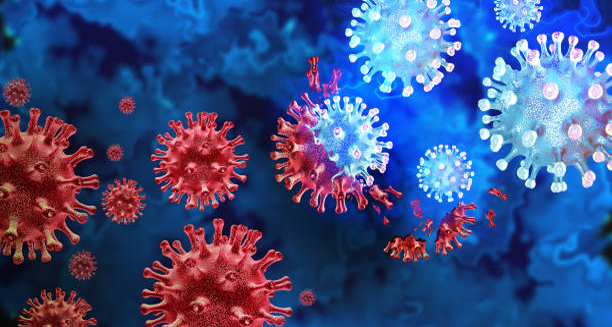
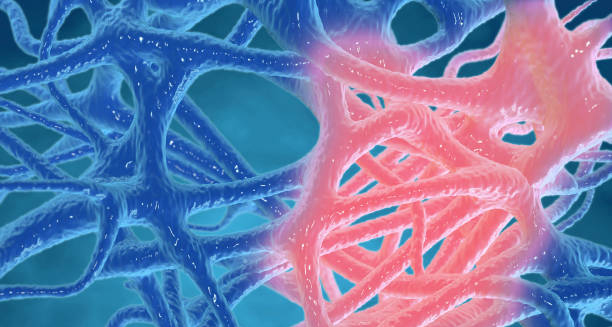
Abstract 3D rendering of nerve and cellular inflammation representing CMV symptoms

Symptoms of Cytomegalovirus

Symptoms of Cytomegalovirus (CMV) Symptoms of cytomegalovirus (CMV) vary widely depending on the age and immune status of the person infected. In healthy individuals, cytomegalovirus (CMV) is often asymptomatic or causes only mild, flu-like symptoms. However, in immunocompromised individuals or infants with congenital infection, CMV can lead to serious and sometimes life-threatening complications. Symptoms in Healthy Adults Most healthy adults who contract CMV for the first time may experience: Fatigue Fever Sore throat Swollen glands Muscle aches Headache These symptoms are often mistaken for glandular fever (mononucleosis) and usually resolve within a few weeks. Many people do not realise they’ve had CMV at all. Symptoms in Immunocompromised Individuals In people with weakened immune systems, symptoms can be severe and affect multiple organs: Lung inflammation (pneumonitis) Liver inflammation (hepatitis) Gastrointestinal ulcers Brain inflammation (encephalitis) Retinitis, which can lead to blindness These complications often require hospitalisation and antiviral therapy. Without prompt treatment, CMV disease can lead to organ failure or death. Congenital CMV Symptoms | Symptoms of Cytomegalovirus (CMV) Babies infected in the womb may be born with or develop symptoms later. These include: Low birth weight Jaundice Enlarged liver and spleen Microcephaly (small head) Seizures Feeding difficulties Hearing loss and vision impairment Developmental delays Some infants show no signs at birth but may develop hearing loss or cognitive issues months or years later. Chronic and Recurrent Symptoms In some people, particularly those with chronic illnesses, CMV may cause persistent low-grade symptoms such as fatigue or malaise. Reactivation may occur if the immune system weakens later in life. In summary, symptoms of cytomegalovirus (CMV) can range from negligible to life-threatening. Recognising the early signs, especially in high-risk groups, is crucial for early diagnosis and effective treatment. [Next: Diagnosis of Cytomegalovirus (CMV) →]

Symptoms of Cytomegalovirus Read More »

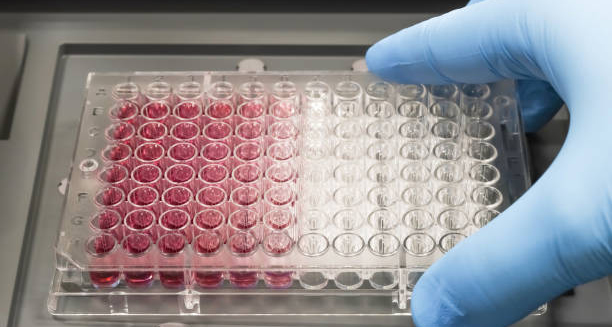
Gloved hand holding ELISA test plate for viral diagnostic screening

Diagnosis of Cytomegalovirus

Diagnosis of Cytomegalovirus (CMV) Diagnosis of cytomegalovirus (CMV) depends on the clinical context—whether the patient is a healthy adult, pregnant woman, immunocompromised individual, or a newborn. Since many cytomegalovirus (CMV) infections are asymptomatic or mimic other illnesses, laboratory testing is essential for confirmation. Accurate and timely diagnosis is particularly important in cases of congenital infection or severe illness in people with weakened immune systems. Serological Tests These blood tests detect antibodies produced in response to CMV: IgM antibodies: Indicate recent or current infection IgG antibodies: Indicate past exposure and immunity A rise in IgG levels over time suggests a recent infection. Serological testing is commonly used in pregnant women to determine whether CMV exposure occurred during pregnancy, which could affect the unborn child. Polymerase Chain Reaction (PCR) Detects CMV DNA in blood, urine, saliva, or cerebrospinal fluid Especially useful for monitoring viral load in immunocompromised individuals, such as transplant recipients or HIV patients Highly sensitive and can track the effectiveness of antiviral treatment Culture and Antigen Detection CMV cultures are sometimes grown from bodily fluids or tissue samples, although this method is slower and less commonly used today Antigen detection tests may identify viral proteins in white blood cells and are often used alongside PCR Congenital CMV Diagnosis | Diagnosis of Cytomegalovirus (CMV) If congenital CMV is suspected: Testing should be done within the first three weeks of life Saliva or urine samples are used for PCR testing Later testing may not differentiate between congenital and acquired postnatal infection Hearing tests and neuroimaging may also be recommended to assess the impact of infection on the baby’s development. Biopsy and Imaging In severe cases affecting organs: A biopsy of affected tissue (e.g. gut, liver, or retina) may reveal inclusion bodies characteristic of CMV CT scans or MRIs may be used to assess brain inflammation or other complications Screening Limitations Routine screening for CMV is not currently recommended for the general population. However, targeted screening is vital in: Pregnant women with suspected infection Organ or bone marrow transplant patients Infants with abnormal findings at birth In summary, diagnosis of cytomegalovirus (CMV) involves a combination of serological, molecular, and sometimes imaging techniques. Early and accurate diagnosis guides appropriate care, especially in high-risk patients or in preventing congenital complications. [Next: Treatment of Cytomegalovirus (CMV) →]

Diagnosis of Cytomegalovirus Read More »

Doctor handing a blister pack of antiviral tablets to a patient

Treatment of Cytomegalovirus

Treatment of Cytomegalovirus (CMV) Treatment of cytomegalovirus (CMV) varies depending on the patient’s health status and severity of the infection. In most healthy individuals, no specific treatment is required because cytomegalovirus (CMV) infections are typically self-limiting. However, antiviral therapy is essential for people with weakened immune systems, newborns with congenital CMV, and those experiencing organ-threatening complications. No Treatment Needed for Healthy Individuals Mild or asymptomatic CMV infections usually resolve without medical intervention Symptomatic relief may include rest, hydration, and over-the-counter painkillers such as paracetamol or ibuprofen for fever and discomfort Antiviral Medications For severe or high-risk cases, several antiviral drugs can reduce viral replication: Ganciclovir (intravenous): Commonly used in hospital settings for life-threatening infections Valganciclovir (oral): Often used for long-term treatment or prevention Foscarnet or cidofovir: Doctors use it in resistant cases or when patients do not tolerate ganciclovir These medications are not curative but can significantly reduce viral load and improve outcomes. Side effects, such as bone marrow suppression or kidney toxicity, require careful monitoring. Treatment in Transplant Patients and Immunocompromised Individuals Healthcare providers often initiate CMV prophylaxis or pre-emptive therapy post-transplant to prevent reactivation Regular PCR testing helps guide when to start or stop treatment Intravenous immunoglobulin (IVIG) may be used in combination with antivirals in very severe cases Congenital CMV Treatment Valganciclovir is sometimes prescribed for symptomatic infants Treatment usually lasts six months or more, with the aim of preserving hearing and preventing neurodevelopmental damage Close follow-up includes hearing tests, developmental assessments, and blood monitoring Supportive Care | Treatment of Cytomegalovirus (CMV) Adequate nutrition and hydration are vital In severe infections, hospitalisation may be necessary for IV fluids and oxygen therapy Furthermore, in patients with CMV retinitis, intravitreal injections may be used alongside systemic antivirals In summary, treatment of cytomegalovirus (CMV) ranges from simple symptom relief in healthy people to intensive antiviral therapy in vulnerable groups. Proper management significantly reduces the risk of long-term complications and improves quality of life. [Next: Complications and Recovery from Cytomegalovirus (CMV) →]

Treatment of Cytomegalovirus Read More »

Doctor handing antiviral medication to a patient during CMV treatment consultation

Complications and Recovery from Cytomegalovirus

Complications and Recovery from Cytomegalovirus (CMV) Complications and recovery from cytomegalovirus (CMV) depend on a person’s age, immune status, and the severity of the infection. While cytomegalovirus (CMV) is generally harmless in healthy individuals, it can cause serious and sometimes irreversible damage in babies and those with weakened immune systems. Long-term management and follow-up are often necessary in severe or congenital cases. Complications in Healthy Adults In immunocompetent individuals, complications are rare. However, some people may experience: Prolonged fatigue or malaise lasting several weeks Enlarged spleen or liver Mild hepatitis In rare cases, Guillain-Barré syndrome, a neurological disorder linked to viral infections These complications typically resolve over time without long-term consequences. Complications in Immunocompromised People The risks are much higher in transplant recipients, cancer patients, and individuals with HIV: CMV pneumonitis: Lung inflammation causing respiratory distress Retinitis: Inflammation of the retina, leading to vision loss or blindness Encephalitis: Brain infection resulting in confusion, seizures, or coma Gastrointestinal ulcers and bleeding Liver inflammation or elevated liver enzymes These complications can be life-threatening without aggressive treatment and monitoring. Congenital CMV Complications Babies born with CMV may develop: Sensorineural hearing loss (unilateral or bilateral) Vision impairment Microcephaly and developmental delay Seizures Cerebral palsy Learning difficulties Many of these complications are permanent and require ongoing multidisciplinary support including speech therapy, audiology, and special education services. Recovery Outlook | Complications and Recovery from Cytomegalovirus (CMV) Most healthy adults recover within a few weeks Immunocompromised patients may need long-term antiviral therapy and frequent monitoring Babies with congenital CMV require lifelong developmental support Preventing Complications Good hygiene practices, especially in pregnant women and healthcare workers Screening and monitoring in transplant patients Avoiding contact with infected bodily fluids In conclusion, complications and recovery from cytomegalovirus (CMV) vary widely. While recovery is straightforward for most, early intervention and long-term care are crucial for vulnerable populations to prevent permanent damage and enhance quality of life. [Next: Back to Overview →]

Complications and Recovery from Cytomegalovirus Read More »

Woman clutching lower abdomen in discomfort due to bladder pain

Cystitis

Cystitis – Overview Cystitis is a common urinary tract condition that refers to inflammation of the bladder, usually caused by a bacterial infection. While anyone can develop cystitis, it is significantly more common in women due to the shorter length of the urethra, which allows bacteria easier access to the bladder. Men, children, and the elderly may also be affected, although it’s less frequent. Cystitis occurs when bacteria—often Escherichia coli (E. coli), which normally live harmlessly in the bowel—enter the urinary tract and multiply in the bladder. This leads to inflammation, pain, and a range of uncomfortable urinary symptoms. Non-infectious causes of this condition also exist and include bladder irritation from chemicals (e.g., bubble bath, spermicides), long-term catheter use, or radiation therapy. Cystitis Although generally not serious in healthy individuals, cystitis can become dangerous if the infection spreads to the kidneys. In people with weakened immune systems, diabetes, or anatomical abnormalities of the urinary tract, complications may arise more easily. Prompt treatment is essential to relieve symptoms and avoid further infection. Typical symptoms include a burning sensation when urinating, frequent urges to urinate, cloudy or foul-smelling urine, and lower abdominal pain. Some people may also experience blood in the urine (haematuria), fatigue, or a mild fever. In summary, cystitis is a bladder inflammation that most commonly results from infection. It is often mild and treatable, but it should not be ignored, especially in vulnerable individuals. Early diagnosis and proper care usually lead to a swift recovery. [Next: Causes of Cystitis →]

Cystitis Read More »

Microscopic view of bacteria and viruses floating in a blue fluid environment.

Causes of Cystitis

Causes of Cystitis Causes of cystitis can be broadly divided into infectious and non-infectious categories. While bacterial infection remains the leading cause, a variety of other factors can trigger inflammation in the bladder. Understanding these causes is vital for both treatment and prevention of future episodes. Bacterial Infections The most common cause of cystitis is a urinary tract infection (UTI) due to bacteria entering the bladder In about 80% of cases, the bacterium Escherichia coli (E. coli) is responsible Bacteria enter through the urethra and multiply in the bladder lining, leading to inflammation Sexual Activity Sexual intercourse can introduce bacteria into the urinary tract Women may experience cystitis more frequently after sexual activity, a phenomenon sometimes referred to as “honeymoon cystitis” Poor Hygiene or Improper Wiping Wiping back to front after using the toilet can move bacteria from the anus to the urethra Poor hygiene habits increase the risk of introducing pathogens to the urinary tract Urinary Catheters | Causes of Cystitis Long-term use of urinary catheters is a known cause of catheter-associated cystitis Catheters can introduce bacteria into the bladder and cause irritation even in the absence of infection Non-Infectious Causes Some people experience cystitis without a bacterial infection. These include: Chemical irritants such as bubble bath, soaps, or feminine hygiene sprays Radiation therapy to the pelvic area can damage the bladder lining Medications like cyclophosphamide may cause bladder irritation as a side effect Hormonal Changes Postmenopausal women are more prone to cystitis due to decreased oestrogen, which affects the urinary tract’s protective lining Other Risk Factors Holding urine for extended periods Dehydration Underlying conditions like diabetes or kidney stones Structural abnormalities in the urinary tract In conclusion, causes of cystitis vary widely from infections to chemical irritants. Identifying the specific cause in each case is essential for appropriate management and to prevent recurrence. [Next: Symptoms of Cystitis →]

Causes of Cystitis Read More »

Woman holding her lower abdomen with an illustrated overlay of the bladder and uterus indicating pain.

Symptoms of Cystitis

Symptoms of Cystitis Symptoms of cystitis often develop rapidly and range from mildly uncomfortable to severely painful, depending on the individual and the underlying cause. While cystitis is most commonly associated with urinary tract infections, the inflammation it causes produces a set of hallmark symptoms that typically prompt people to seek medical attention. Urinary Symptoms The most common signs include: Burning or stinging sensation when urinating (dysuria) Frequent urge to urinate, even when little urine is passed Urgency, or a strong need to urinate immediately Cloudy urine that may have a strong, unpleasant smell Haematuria, or the presence of blood in the urine Passing small amounts of urine frequently These symptoms are typically the most prominent and persistent features of acute cystitis. Pain and Discomfort | Symptoms of Cystitis Cystitis can cause a dull ache or pain in the lower abdomen, pelvic area, or lower back. This discomfort often increases with bladder filling and may ease slightly after urination. Systemic Symptoms Although cystitis is typically confined to the bladder, it can cause generalised symptoms such as: Fatigue Low-grade fever Feeling generally unwell If the infection spreads beyond the bladder, especially to the kidneys, symptoms may include: High fever Nausea or vomiting Chills or flank pain These are warning signs and require immediate medical attention. Symptoms in Special Populations Children may present with bedwetting, fever, or irritability rather than classic urinary symptoms Older adults, particularly those with dementia, may show signs like confusion or sudden behavioural changes Chronic or Recurrent Symptoms People with interstitial cystitis (a chronic non-infectious form) may experience: Ongoing pelvic pain Persistent urinary urgency and frequency Worsening symptoms with certain foods or stress In summary, symptoms of cystitis often include painful urination, increased frequency, and abdominal discomfort. Prompt recognition allows for early treatment and reduces the risk of complications such as kidney infections. [Next: Diagnosis of Cystitis →]

Symptoms of Cystitis Read More »

Urine sample in a sealed container placed on diagnostic lab forms for medical testing.

Diagnosis of Cystitis

Diagnosis of Cystitis Diagnosis of cystitis is usually straightforward and based on clinical symptoms, but confirmation through laboratory tests is often necessary, especially in complex or recurrent cases. Early and accurate diagnosis of cystitis ensures appropriate treatment and helps prevent complications such as kidney infections or chronic bladder issues. Medical History and Symptom Review The diagnostic process typically begins with a discussion of: Urinary symptoms (e.g. pain, urgency, frequency) Recent sexual activity Hygiene practices Any previous history of urinary tract infections Use of medications or products that could irritate the bladder Doctors often suspect cystitis based on these clinical indicators alone, especially in otherwise healthy women. Urinalysis A urine dipstick test is a common first step: Detects white blood cells (leukocytes), indicating inflammation or infection Identifies nitrites, a by-product of bacterial metabolism May reveal blood or protein in the urine Urine samples should ideally be collected midstream (a “clean-catch”) to reduce contamination. Urine Culture In more complicated or recurrent cases: A urine culture is used to identify the specific bacteria causing the infection Also helps determine which antibiotics the bacteria are sensitive to Results take 24–72 hours but are crucial for tailoring treatment Culture is especially important for: Pregnant women Children Men Patients with diabetes, kidney disease, or immunosuppression Additional Tests | Diagnosis of Cystitis If cystitis is frequent, severe, or doesn’t respond to treatment, further tests may include: Ultrasound of the kidneys and bladder to check for stones, blockages, or structural abnormalities Cystoscopy, where a thin tube with a camera is inserted into the bladder to examine the lining CT urogram for more detailed imaging in complex cases Differential Diagnosis Other conditions that may mimic cystitis and need to be ruled out include: Urethritis (inflammation of the urethra) Vaginitis in women Prostatitis in men Interstitial cystitis, a chronic bladder pain condition not caused by infection In conclusion, diagnosis of cystitis involves clinical evaluation and laboratory confirmation to ensure accurate treatment. In recurring or complicated cases, more in-depth investigation helps guide long-term management and prevent serious complications. [Next: Treatment of Cystitis →]

Diagnosis of Cystitis Read More »

Woman sitting on a couch holding a blister pack of tablets and a smartphone, considering treatment.

Treatment of Cystitis

Treatment of Cystitis Treatment of cystitis depends on the underlying cause, the severity of symptoms, and whether the condition is acute, recurrent, or chronic. In most cases, particularly when bacterial infection is involved, doctors treat cystitis effectively with short courses of antibiotics and self-care measures. Early treatment helps relieve symptoms quickly and prevents the spread of infection. Antibiotic Therapy For bacterial cystitis: Doctors usually prescribe a 3- to 5-day course of antibiotics for otherwise healthy women Common antibiotics include nitrofurantoin, trimethoprim, and fosfomycin Doctors may require longer treatment for men, children, or patients with recurrent infections It’s important to complete the full course even if symptoms improve early, to prevent recurrence or antibiotic resistance. Pain Relief Over-the-counter painkillers like paracetamol or ibuprofen can help reduce: Abdominal pain Burning sensation during urination General discomfort Doctors may prescribe a urinary tract analgesic like phenazopyridine for short-term symptom relief in some cases. Hydration and Lifestyle Measures Increasing fluid intake helps flush bacteria out of the bladder: Drink plenty of water (2–3 litres a day) Avoid caffeine, alcohol, and spicy foods, which may irritate the bladder Use a hot water bottle on the lower abdomen to ease discomfort Avoid using scented soaps, bubble baths, or vaginal deodorants, which may contribute to irritation or recurrence. Treatment of Recurrent Cystitis | Treatment of Cystitis For frequent episodes: Doctors may prescribe a low-dose antibiotic taken daily for 3–6 months Doctors may offer post-coital antibiotic prophylaxis to those with sexually triggered infections You just gave me an active voice sentence! Would you like me to rephrase it differently or keep it as is Non-Infectious and Chronic Cystitis If cystitis is not caused by infection: Bladder training, physiotherapy, or elimination diets may help reduce symptoms Referral to a urologist or gynaecologist may be required Antihistamines or anti-inflammatory medications may help in interstitial cystitis In summary, treatment of cystitis typically includes antibiotics, pain relief, and supportive care. Managing lifestyle factors and underlying causes is essential for preventing recurrence and ensuring long-term bladder health. [Next: Complications and Recovery from Cystitis →]

Treatment of Cystitis Read More »

Person holding their lower abdomen while sitting, indicating pelvic discomfort due to cystitis.

Complications and Recovery from Cystitis

Complications and Recovery from Cystitis Complications and recovery from cystitis depend on how quickly the condition is diagnosed and treated. In most cases, cystitis resolves without serious consequences when appropriate care is given. However, delaying treatment or not completing a prescribed course of antibiotics can lead to complications, some of which can be serious. Short-Term Complications If not treated promptly, cystitis may lead to: Ascending urinary tract infections, where bacteria travel from the bladder to the kidneys Pyelonephritis, or kidney infection, which can cause high fever, vomiting, and severe back or side pain Sepsis, a life-threatening condition if infection enters the bloodstream (rare but serious) These complications are more common in individuals with: Weak immune systems Diabetes Urinary tract abnormalities Long-Term Complications Repeated or untreated infections may result in: Chronic bladder inflammation, reducing bladder capacity and increasing discomfort Kidney damage, especially in children or those with pre-existing kidney conditions Antibiotic resistance, making future infections harder to treat In men, recurrent cystitis may be a sign of underlying prostate problems, requiring further investigation. Recovery Timeline | Complications and Recovery from Cystitis Most people begin to feel better within 24 to 48 hours of starting antibiotics Pain and urgency typically reduce within a few days Drinking plenty of fluids supports faster recovery by helping flush bacteria However, recovery can be slower in people with recurrent or chronic cystitis. Preventing Recurrence To reduce the risk of future episodes: Maintain good hygiene, especially after using the toilet and during menstruation Urinate before and after sexual activity Avoid holding urine for long periods Stay hydrated throughout the day Emotional and Lifestyle Impact For those with chronic or interstitial cystitis: The condition can affect sleep, intimacy, and social life Psychological support may be beneficial to manage the impact on mental wellbeing Regular follow-ups with a healthcare provider are essential In conclusion, complications and recovery from cystitis depend on timely and effective treatment. Most people recover quickly from acute cystitis, but ongoing care and lifestyle changes are essential for those prone to recurrent or chronic cases. [Next: Back to Overview →]

Complications and Recovery from Cystitis Read More »

Scroll to Top