Mental Matters

Author name: admin

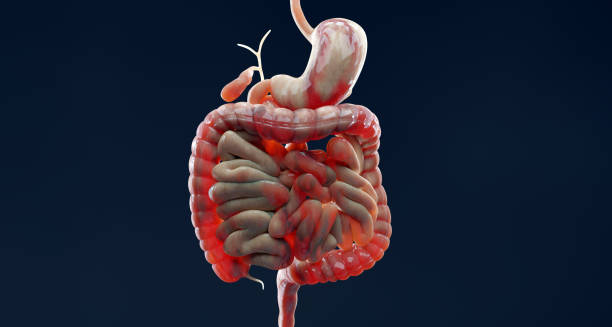
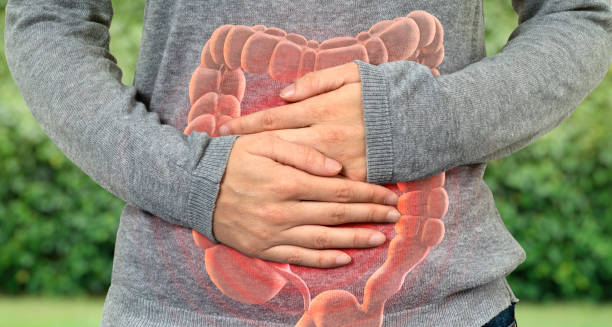
3D medical illustration of the human digestive system highlighting the intestines, representing inflammation linked to Crohn’s disease.

Crohn’s Disease

Crohn’s Disease – Overview Crohn’s disease is a chronic inflammatory bowel disease (IBD) that causes inflammation of the digestive tract, leading to symptoms such as abdominal pain, diarrhoea, fatigue, and weight loss. The inflammation associated with this disease can affect any part of the gastrointestinal tract, from the mouth to the anus, but it most commonly occurs in the end of the small intestine and the beginning of the colon. This disease is a lifelong condition that can vary in severity. In some people, it causes only mild symptoms, while in others, it leads to severe and disabling complications. It tends to develop gradually, although flare-ups may occur suddenly and without warning. These flare-ups are periods when symptoms become active or worsen, followed by periods of remission where symptoms decrease or disappear altogether. Crohn’s Disease – Overview Although the exact cause is not fully understood, Crohn’s disease is believed to result from a combination of genetic predisposition, immune system dysfunction, and environmental triggers. It is not contagious but can run in families, and it typically develops between the ages of 15 and 35. There is currently no cure for this disease, but treatments such as medication, lifestyle changes, and surgery can help manage symptoms and reduce inflammation. Early diagnosis and a personalised treatment plan are essential to improving quality of life and preventing complications. In summary, this disease is a long-term inflammatory condition of the digestive tract that causes recurring symptoms and requires ongoing medical management. With proper treatment, many people can control their symptoms and live full, active lives. [Next: Causes of Crohn’s Disease →]
Crohn’s Disease Read More »

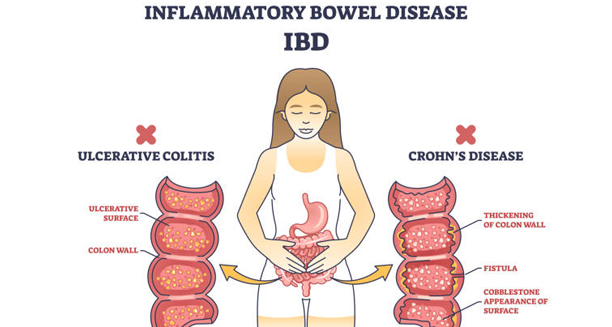
Medical illustration comparing ulcerative colitis and Crohn’s disease as forms of inflammatory bowel disease (IBD), highlighting colon wall changes and inflammation.

Causes of Crohn’s Disease

Causes of Crohn’s Disease Causes of Crohn’s disease are complex and involve a combination of genetic, immune, and environmental factors. Although research is ongoing. It is clear that Crohn’s disease results from an inappropriate immune response that leads to chronic inflammation of the gastrointestinal tract. Genetic Factors Genetics play a key role. People with a family history of Crohn’s disease are more likely to develop the condition. Researchers have identified several genes associated with the disease. Furthermore, most notably the NOD2 gene, which affects immune system function in the gut. While having these genes doesn’t guarantee someone will develop Crohn’s, it significantly raises their risk. Immune System Dysfunction Crohn’s disease is thought to be an autoimmune disorder. Hence, the immune system mistakenly attacks healthy cells in the gastrointestinal tract. This abnormal immune response may be triggered by bacteria, viruses, or other environmental factors, leading to persistent inflammation and damage to the digestive tract. Environmental Triggers Certain environmental influences appear to increase the risk or severity of the disease: Smoking is strongly linked to a higher risk of developing Crohn’s and experiencing more severe symptoms. Diet does not directly cause the disease but may trigger flare-ups in some individuals. High-fat, processed foods and low-fibre diets are often associated with symptom worsening. Urban living and high sanitation levels during childhood have been linked to increased incidence, suggesting reduced early exposure to microbes may affect immune development. Microbiome Imbalance | Causes of Crohn’s Disease An imbalance in gut bacteria—known as dysbiosis—has been observed in many people with Crohn’s disease. This may contribute to ongoing inflammation and poor intestinal health, although it is still unclear whether dysbiosis is a cause or result of the condition. Other Contributing Factors Use of nonsteroidal anti-inflammatory drugs (NSAIDs) may exacerbate inflammation Stress and emotional trauma don’t cause Crohn’s disease but may trigger or worsen symptoms A weakened intestinal barrier may allow bacteria and toxins to leak into underlying tissue, provoking immune reactions In conclusion, causes of Crohn’s disease include a combination of genetic susceptibility, abnormal immune response, environmental exposures, and changes in gut bacteria. Understanding these factors is key to managing the condition and identifying effective treatment options. [Next: Symptoms of Crohn’s Disease →]

Causes of Crohn’s Disease Read More »

Person clutching abdomen with an overlay of the digestive tract, indicating pain and discomfort typical of Crohn’s disease symptoms.

Symptoms of Crohn’s Disease

Symptoms of Crohn’s Disease Symptoms of Crohn’s disease vary greatly between individuals, depending on which part of the gastrointestinal tract is affected and how severe the inflammation is. Crohn’s disease is characterised by unpredictable flare-ups and periods of remission, which makes symptom management a central focus of care. Digestive Symptoms The most common symptoms include: Chronic diarrhoea: Often watery or loose, sometimes with mucus or blood Abdominal pain and cramping: Frequently located in the lower right side of the abdomen Urgency to defecate: A sudden and compelling need to use the toilet Rectal bleeding: Caused by inflammation or small tears in the lining of the bowel Weight loss and reduced appetite: Due to malabsorption of nutrients or loss of interest in food during flare-ups Nausea and vomiting: Particularly when inflammation affects the upper gastrointestinal tract Systemic Symptoms | Symptoms of Crohn’s Disease In addition to gastrointestinal symptoms, it can cause: Fatigue and weakness Fever during active flare-ups Anaemia due to blood loss or poor nutrient absorption Mouth ulcers Joint pain or swelling (enteropathic arthritis) Symptoms in Children In children, Crohn’s disease may also result in: Delayed growth or puberty Poor weight gain General irritability or discomfort Fluctuating Nature Symptoms often appear gradually and may be mistaken for other conditions like irritable bowel syndrome (IBS) or food intolerance. Flare-ups may be triggered by stress, certain foods, infections, or stopping medication. In summary, symptoms of Crohn’s disease can range from mild to severe and may affect many areas beyond the digestive system. Recognising the signs early allows for quicker diagnosis and better symptom control. [Next: Diagnosis of Crohn’s Disease →]

Symptoms of Crohn’s Disease Read More »

Diagnosis of Crohn’s Disease

Diagnosis of Crohn’s Disease

Diagnosis of Crohn’s Disease Diagnosis of Crohn’s disease involves a combination of clinical evaluation, laboratory testing, imaging studies, and endoscopic procedures. Since the symptoms of Crohn’s disease can resemble other gastrointestinal conditions such as ulcerative colitis, coeliac disease, or irritable bowel syndrome (IBS), a thorough and accurate diagnosis is essential. Medical History and Physical Examination Diagnosis begins with a comprehensive review of the patient’s: Symptom history (e.g. duration, frequency, and triggers) Bowel habits and abdominal pain Weight fluctuations and dietary tolerance Family history of inflammatory bowel disease (IBD) During the physical exam, the doctor may check for: Abdominal tenderness or masses Signs of anaemia or weight loss Perianal abnormalities such as skin tags or fistulas Laboratory Tests | Diagnosis of Crohn’s Disease Blood and stool tests help identify inflammation, infection, or nutritional deficiencies: Full blood count (FBC) to detect anaemia or infection C-reactive protein (CRP) and erythrocyte sedimentation rate (ESR) to assess inflammation Stool calprotectin to measure intestinal inflammation and rule out infections Vitamin B12, iron, and folate levels to assess malabsorption Endoscopy and Biopsy To directly examine the digestive tract, doctors may perform: Colonoscopy: Doctors insert a camera through the rectum to examine the colon and terminal ileum. Biopsies are commonly collected and sent for lab analysis. Upper endoscopy (EGD): Used if symptoms suggest upper gastrointestinal involvement. Findings in Crohn’s often include patchy areas of inflammation, ulceration, or strictures, with “skip lesions” being a hallmark feature. Imaging Studies Non-invasive imaging is used to assess the extent and location of disease: Magnetic resonance enterography (MRE) or CT enterography: Visualises inflammation, narrowing, or fistulas in the small intestine Barium studies: Rarely used now but may show strictures or abnormal bowel movement Distinguishing from Other Conditions Crohn’s disease must be differentiated from: Ulcerative colitis: Which affects only the colon and in a continuous pattern Infections: Like salmonella or Clostridium difficile Lactose intolerance or coeliac disease In summary, diagnosis of Crohn’s disease involves a multi-step process combining symptom review, lab tests, imaging, and endoscopic biopsies. Early diagnosis is critical to minimise complications and guide effective treatment. [Next: Treatment of Crohn’s Disease →]

Diagnosis of Crohn’s Disease Read More »

Two women discussing health while enjoying a salad and green smoothies, representing lifestyle and dietary management in treating Crohn’s disease.

Treatment of Crohn’s Disease

Treatment of Crohn’s Disease Treatment of Crohn’s disease aims to reduce inflammation, relieve symptoms, and maintain long-term remission. As Crohn’s disease is a chronic condition with no cure, the focus is on managing flare-ups, preventing complications, and improving quality of life. Treatment is often personalised and may involve medication, lifestyle changes, and, in some cases, surgery. Medications Aminosalicylates (5-ASAs): Used in mild cases to reduce inflammation, though less commonly than in ulcerative colitis Corticosteroids (e.g. prednisolone): Effective for short-term flare-ups but not suitable for long-term use due to side effects Immunomodulators (e.g. azathioprine, methotrexate): Help suppress immune response and maintain remission Biologic therapies: Target specific parts of the immune system; includes: Anti-TNF agents (e.g. infliximab, adalimumab) Anti-integrin drugs (e.g. vedolizumab) IL-12/23 inhibitors (e.g. ustekinumab) Antibiotics: Occasionally used to treat infections or abscesses in the bowel Lifestyle and Dietary Adjustments Low-fibre diet during flare-ups to reduce bowel irritation Nutritional support, including supplements for iron, B12, and calcium Stress management through exercise, mindfulness, or counselling Smoking cessation, which is critical for symptom control and relapse prevention Surgical Treatment | Diagnosis of Crohn’s Disease Up to 70% of people with Crohn’s disease eventually require surgery to: Remove damaged bowel segments Treat complications like strictures, fistulas, or abscesses Create a stoma in severe cases (temporary or permanent) Surgery is not curative, as the disease can return elsewhere in the digestive tract. However, it often significantly improves symptoms and quality of life. Monitoring and Long-Term Care Regular follow-ups to monitor inflammation Colonoscopies every 1–3 years to screen for colorectal cancer in long-standing disease Blood tests to monitor medication side effects and nutritional status In conclusion, treatment of Crohn’s disease combines medication, lifestyle change, and sometimes surgery to control inflammation and maintain remission. Early and consistent management leads to better outcomes and fewer complications. [Next: Complications and Recovery from Crohn’s Disease →]

Treatment of Crohn’s Disease Read More »

Complications and Recovery from Crohn’s Disease

Complications and Recovery from Crohn’s Disease

Complications and Recovery from Crohn’s Disease Complications and recovery from Crohn’s disease vary widely depending on disease severity, response to treatment, and the presence of coexisting health issues. While many people with Crohn’s disease achieve good symptom control, others may face ongoing challenges requiring surgical or advanced medical intervention. Common Complications Strictures: Narrowing of the bowel due to chronic inflammation and scarring, potentially leading to obstruction Fistulas: Abnormal connections between the bowel and other organs, such as the bladder, skin, or other bowel segments Abscesses: Infected pockets of pus within the abdominal cavity or rectum Malnutrition: Due to reduced absorption of nutrients, especially in the small intestine Bone loss (osteopenia or osteoporosis): Caused by steroid use and calcium malabsorption Perianal disease: Includes fissures, fistulas, or painful skin inflammation near the anus Emotional and Mental Health Living with a chronic illness can impact mental well-being. Anxiety, depression, and stress are common, especially during flare-ups. Support from mental health professionals, support groups, and IBD charities can be invaluable. Recovery After Flare-Ups Recovery time varies: mild cases may resolve in weeks, while severe flares may last months Medication adjustments and rest are typically required Nutritional support may help restore energy and nutrient balance Post-Surgery Recovery | Complications and Recovery from Crohn’s Disease Hospital stays range from a few days to over a week depending on the procedure Full recovery can take several weeks, and dietary changes may be necessary Follow-up appointments are essential to monitor for recurrence or new complications Preventing Long-Term Damage Early treatment to control inflammation helps prevent complications Ongoing monitoring via imaging and blood tests ensures that treatment remains effective Vaccinations and regular screenings protect against infections and medication side effects In summary, complications and recovery from Crohn’s disease depend on individual response and timely management. With proper care, many people live full, productive lives, even while managing this lifelong condition. [Next: Back to Overview →]

Complications and Recovery from Crohn’s Disease Read More »

Creutzfeldt-Jakob Disease

Creutzfeldt-Jakob Disease

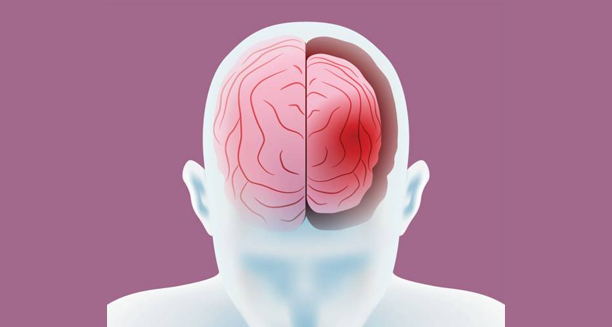
Creutzfeldt-Jakob Disease – Overview Creutzfeldt-Jakob disease is a rare, rapidly progressive, and fatal neurodegenerative condition that affects the brain. Caused by abnormal proteins called prions, CJD leads to brain tissue damage, resulting in severe mental deterioration, physical disability, and ultimately death. It is one of several conditions classified as prion diseases or transmissible spongiform encephalopathies (TSEs). CJD is most often sporadic, meaning it occurs without any identifiable cause or risk factor. However, in some cases, it may be inherited through genetic mutations, acquired via contaminated medical procedures, or linked to the consumption of infected meat products, as in variant CJD (vCJD). The disease causes brain cells to die, creating tiny holes in the brain tissue and giving it a sponge-like appearance. Creutzfeldt-Jakob Disease Symptoms of CJD typically begin with memory loss, personality changes, or impaired judgement. As the disease progresses, individuals experience muscle stiffness, difficulty speaking or swallowing, involuntary movements, and eventually lose the ability to walk or communicate. The condition worsens rapidly, with most patients dying within a year of symptom onset. Although extremely rare—affecting roughly one to two people per million annually—CJD is devastating. There is no cure or effective treatment, and diagnosis can be difficult during life. However, supportive care and accurate diagnosis are important for managing symptoms and providing comfort. In summary, CJD is a fatal brain disorder caused by misfolded proteins. While rare, its rapid progression and severe symptoms make it a significant neurological emergency that requires immediate attention. [Next: Causes of Creutzfeldt-Jakob Disease →]

Creutzfeldt-Jakob Disease Read More »

Causes of Creutzfeldt-Jakob Disease

Causes of Creutzfeldt-Jakob Disease

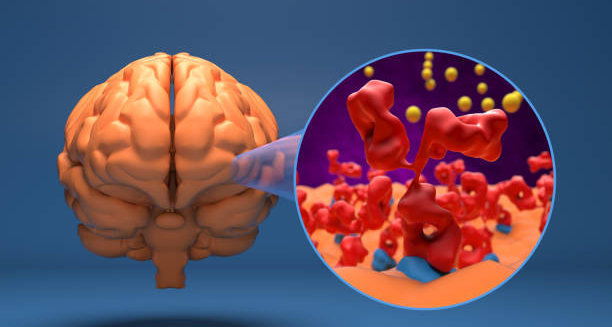
Causes of Creutzfeldt-Jakob Disease Causes of Creutzfeldt-Jakob disease revolve around the accumulation of prions—misfolded proteins that cause normal brain proteins to fold abnormally. While prions are not viruses or bacteria, they are infectious in the sense that they induce abnormal protein folding, leading to brain cell death. Understanding the causes of Creutzfeldt-Jakob disease is vital for identifying at-risk individuals and preventing transmission in healthcare settings. 1. Sporadic CJD This is the most common form, accounting for approximately 85–90% of cases. It occurs without any clear reason, usually in people over the age of 60. Doctors do not fully understand the exact mechanism behind sporadic CJD. Researchers believe it involves spontaneous changes in prion proteins in the brain. 2. Genetic CJD (Familial) Inherited mutations in the PRNP gene, which codes for the prion protein, are responsible for 5–15% of CJD cases. Inherited forms can pass from one generation to the next and typically develop earlier than sporadic CJD. 3. Acquired CJD | Causes of Creutzfeldt-Jakob Disease This extremely rare form is contracted through exposure to prions from an external source: 4. Prion Transmission Mechanism Prions are incredibly resistant to standard sterilisation methods. Once introduced into the body, they propagate by inducing the misfolding of normal proteins, triggering a chain reaction that leads to widespread brain damage. 5. Not Contagious CJD is not spread through casual contact, touch, or air. Only specific medical or surgical exposures carry a transmission risk, which is now strictly controlled with enhanced sterilisation protocols. The causes of Creutzfeldt-Jakob disease are unique in that they involve no bacteria, viruses, or parasites—just a corrupted protein that triggers a cascade of brain destruction. Early recognition of risk factors, especially in surgical and genetic contexts, is key to prevention and surveillance. [Next: Symptoms of Creutzfeldt-Jakob Disease →]

Causes of Creutzfeldt-Jakob Disease Read More »

Symptoms of Creutzfeldt-Jakob Disease

Symptoms of Creutzfeldt-Jakob Disease

Symptoms of Creutzfeldt-Jakob Disease Symptoms of Creutzfeldt-Jakob disease typically begin subtly and progress rapidly over weeks or months. The hallmark of Creutzfeldt-Jakob disease is a swift and severe decline in mental and physical function, with death usually occurring within 6 to 12 months after symptoms appear. Recognising these symptoms early is critical for diagnosis and supportive care. 1. Early Cognitive Changes The first signs often include memory loss, impaired judgement, confusion, or difficulty concentrating. These may mimic Alzheimer’s disease but progress far more rapidly. Personality changes, depression, and anxiety may also be early features. 2. Motor Dysfunction As the disease advances, muscle stiffness (rigidity), jerky movements (myoclonus), coordination problems (ataxia), and speech difficulties emerge. Patients often struggle to walk, use their hands, or perform basic tasks due to deteriorating muscle control. 3. Visual Disturbances Blurred vision, double vision, and even partial blindness can occur due to involvement of the visual cortex. Some patients also report hallucinations or visual illusions. 4. Behavioural and Psychiatric Symptoms In some types of CJD, especially variant CJD, mood swings, paranoia, hallucinations, or social withdrawal may precede neurological symptoms. These can lead to misdiagnosis as a psychiatric illness in the early stages. 5. Seizures and Muscle Spasms Myoclonus, characterised by sudden, involuntary muscle jerks, is common. Seizures may also develop in some cases, especially in later stages. 6. Dementia | Symptoms of Creutzfeldt-Jakob Disease Rapid-onset dementia is a defining feature. Patients lose the ability to think clearly, remember, make decisions, or interact socially. Speech becomes incoherent, and eventually, verbal communication ceases altogether. 7. Coma and Death In the final stages, individuals become immobile, unresponsive, and eventually fall into a coma. Death typically results from infections, such as pneumonia, or from complications related to immobility and organ failure. The symptoms of Creutzfeldt-Jakob disease progress quickly and devastatingly, often leading to full dependency within weeks. Early identification allows families to prepare for palliative care and emotional support, even though a cure is currently unavailable. [Next: Diagnosis of Creutzfeldt-Jakob Disease →]

Symptoms of Creutzfeldt-Jakob Disease Read More »

Diagnosis of Creutzfeldt-Jakob Disease

Diagnosis of Creutzfeldt-Jakob Disease

Diagnosis of Creutzfeldt-Jakob Disease Diagnosis of Creutzfeldt-Jakob disease is challenging due to its rarity and symptom overlap with other neurological disorders. However, a combination of clinical evaluation, brain imaging, EEG, and laboratory testing can strongly suggest Creutzfeldt-Jakob disease, even before post-mortem confirmation. 1. Medical History and Neurological Exam Doctors first review the patient’s medical history and conduct a detailed neurological assessment. Rapidly progressing dementia, myoclonus, and coordination issues raise suspicion for CJD, especially if the decline occurs over weeks rather than years. 2. Electroencephalogram (EEG) An EEG records electrical activity in the brain. In classic (sporadic) CJD, characteristic periodic sharp wave complexes may be seen, which help distinguish it from other forms of dementia. 3. MRI Scan Magnetic resonance imaging of the brain often shows distinctive changes in the basal ganglia, thalamus, or cortex. The “pulvinar sign” on MRI is particularly suggestive of variant CJD. 4. Cerebrospinal Fluid (CSF) Tests A lumbar puncture (spinal tap) allows analysis of cerebrospinal fluid. Elevated levels of certain proteins, such as 14-3-3, tau protein, and RT-QuIC positivity, support the diagnosis of CJD. 5. Genetic Testing | Diagnosis of Creutzfeldt-Jakob Disease In suspected familial cases, genetic testing of the PRNP gene can identify mutations associated with inherited forms of CJD. 6. Brain Biopsy (Rare) In uncertain cases, a brain biopsy may be considered. However, due to risks and difficulty in obtaining viable tissue, it is rarely performed. A definitive diagnosis is usually confirmed after death by autopsy and neuropathological examination. 7. Rule Out Other Conditions Doctors must exclude other causes of rapid dementia, such as Alzheimer’s, stroke, encephalitis, or metabolic disorders. Imaging and lab tests help in this differential diagnosis. Although confirmation often comes post-mortem, an accurate diagnosis of Creutzfeldt-Jakob disease during life enables supportive care, palliative planning, and proper infection control precautions in healthcare settings. [Next: Treatment of Creutzfeldt-Jakob Disease →]

Diagnosis of Creutzfeldt-Jakob Disease Read More »

Scroll to Top