Mental Matters

Author name: admin

Man experiencing headache and disorientation, symptoms of concussion

Symptoms of Concussion

Symptoms of Concussion Symptoms of concussion can appear immediately after the injury or emerge gradually over hours or even days. Because a concussion affects the brain’s function—not its structure—there are usually no visible injuries, making symptom recognition vital for early diagnosis and care. Common Physical Symptoms Headache Dizziness or balance problems Nausea or vomiting Sensitivity to light or noise Fatigue or drowsiness Blurred or double vision These symptoms may last a few days or persist longer depending on the severity of the concussion and individual factors such as age and health status. Cognitive Symptoms | Symptoms of Concussion Confusion or difficulty concentrating Short-term memory loss (especially about the event that caused the concussion) Slowed thinking or response time Feeling mentally “foggy” or dazed These signs may interfere with work, studies, or day-to-day tasks and should not be ignored. Emotional and Behavioural Symptoms Irritability Mood swings or depression Anxiety or nervousness Unusual emotional responses Family members or colleagues may notice these changes before the injured person does, especially if the behavioural shift is subtle. Sleep Disturbances Trouble falling asleep Sleeping more or less than usual Feeling unrested after sleep Sleep problems are often overlooked but can significantly affect recovery and quality of life post-concussion. Red Flag Symptoms | Symptoms of Concussion Seek immediate medical attention if any of the following occur: Repeated vomiting Loss of consciousness (even briefly) Seizures Worsening headache Weakness or numbness Slurred speech In children, signs such as constant crying, lack of interest in toys or food, and drowsiness should prompt urgent care. In summary, symptoms of concussion are diverse and may affect physical, cognitive, and emotional functioning. Recognising these symptoms early ensures that appropriate steps can be taken to support recovery and avoid further harm. [Next: Diagnosis of Concussion →]


Symptoms of Concussion Read More »

Diagnosis of Concussion

Diagnosis of Concussion

Diagnosis of Concussion Diagnosis of concussion is largely clinical, meaning it’s based on observing symptoms and understanding the circumstances of the injury. Because a concussion doesn’t usually show up on standard imaging tests like X-rays or CT scans, healthcare professionals rely on patient history and neurological examination to make a diagnosis. Initial Assessment Doctors start by asking questions about: How the injury occurred Whether there was a loss of consciousness The presence and timing of symptoms like memory loss or confusion They may also ask witnesses or family members for information, especially if the patient can’t recall the incident clearly. Neurological Examination | Diagnosis of Concussion This typically includes: Checking pupil response and eye movements Evaluating coordination and balance Testing reflexes Assessing speech and motor skills Memory and attention testing These assessments help determine the extent of brain function disruption. Cognitive Tests Special tools may be used to measure cognitive performance: SCAT5 (Sport Concussion Assessment Tool) ImPACT (Immediate Post-Concussion Assessment and Cognitive Testing) These tools help establish a baseline and track recovery over time. Imaging Tests | Diagnosis of Concussion Although not required for diagnosing concussion, doctors may order: CT scans: If there is suspicion of bleeding or a skull fracture MRI scans: In prolonged cases or if symptoms worsen without explanation These scans are used to rule out more serious injuries, not to confirm a concussion. Child-Specific Considerations Diagnosing concussion in children requires extra care, as they may not describe symptoms clearly. Paediatric tools and parental input play a vital role in accurate diagnosis. In summary, the diagnosis of concussion relies on thorough clinical evaluation and an understanding of symptom progression. While imaging is useful in specific scenarios, early and careful assessment is key to managing this hidden injury effectively. [Next: Treatment of Concussion →]

Diagnosis of Concussion Read More »

Female doctor conducting a concussion assessment on a young boy in hospital

Treatment of Concussion

Treatment of Concussion Treatment of concussion focuses on rest, gradual return to activities, and symptom management. Because a concussion is a functional brain injury, the brain needs time to heal without overstimulation. Early intervention can significantly reduce the risk of prolonged symptoms and ensure a full recovery. Immediate Rest The first step is physical and cognitive rest for at least 24–48 hours post-injury. This includes: Avoiding physical exertion (e.g. sports, heavy lifting) Limiting screen time Avoiding reading, studying, or tasks requiring deep concentration Reducing exposure to loud noises and bright lights This rest period allows the brain to stabilise and begin healing. Gradual Return to Activity | Treatment of Concussion After the initial rest phase, a staged return to normal activities is advised: Light physical activity (e.g. short walks) School or work reintroduction with breaks Moderate physical activity Full return to sport or exercise once symptom-free Each stage should last at least 24 hours, and patients must be symptom-free before progressing. If symptoms return, they should revert to the previous stage. Medication and Symptom Relief Paracetamol may be used for headaches Avoid ibuprofen or aspirin in the first 48 hours, as they can increase bleeding risk Nausea, dizziness, or sleep issues can be managed with professional advice Psychological Support | Treatment of Concussion Concussions can trigger emotional symptoms like anxiety or mood swings. Counselling or support from a psychologist may be beneficial, especially in prolonged cases. Children and Adolescents Children require additional care, including communication with schools, modified learning environments, and supervision during recovery. Their return to sport must follow age-specific guidelines. To conclude, the treatment of concussion revolves around rest, careful reintroduction of activity, and management of associated symptoms. Adhering to a structured recovery plan minimises risks and supports full neurological healing. [Next: Complications and Recovery from Concussion →]

Treatment of Concussion Read More »

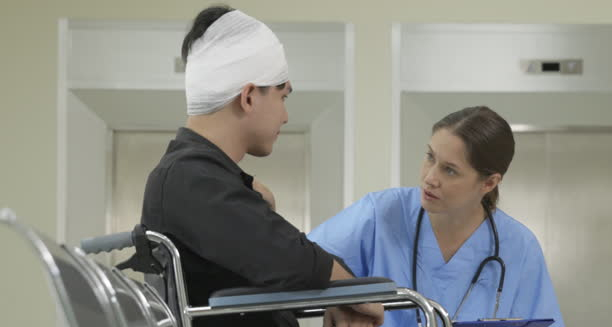
Nurse speaking with a male patient in a wheelchair wearing a head bandage after concussion

Complications and Recovery from Concussion

Complications and Recovery from Concussion Complications and recovery from concussion vary depending on the severity of the injury, the person’s age, and how well recovery guidelines are followed. While most people recover fully within 7–14 days, a minority experience lingering symptoms. If a concussion is not properly managed, the risk of complications increases. Common Complications Post-concussion syndrome – Symptoms such as headaches, dizziness, and memory issues persist beyond the typical recovery period (weeks or months). Second impact syndrome – A rare but potentially fatal condition where a second concussion occurs before the first has healed, leading to rapid brain swelling. Chronic Traumatic Encephalopathy (CTE) – A long-term neurodegenerative condition linked to repeated head injuries, especially in contact sports. Mood disorders – Depression, anxiety, and sleep disturbances can develop or worsen after concussion. Academic or work difficulties – Cognitive fatigue, reduced concentration, and irritability may affect productivity. Recovery Outlook | Complications and Recovery from Concussion Most individuals recover completely with: Adequate rest in the first few days Gradual return to activity Monitoring for symptom recurrence Recovery may take longer in: Children and teenagers Individuals with a history of previous concussions People with pre-existing mental health conditions Preventing Complications | Complications and Recovery from Concussion Avoid contact sports until cleared Do not rush back to work or school Attend all follow-up appointments Use proper safety equipment in sports or risky environments Family and employers should offer understanding and flexible support during the recovery process. School-aged children may need reduced workloads or modified lesson plans until full cognitive recovery. In summary, complications and recovery from concussion can be minimised with early intervention, structured rest, and close monitoring. With proper care, most people make a full recovery and return safely to daily life. [Next: Back to Overview →]

Complications and Recovery from Concussion Read More »

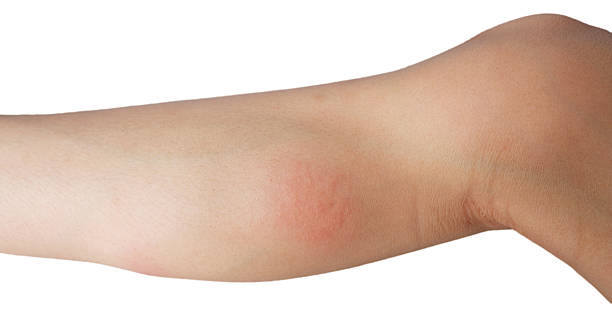
Red inflamed patch on the inner arm, indicating possible complex regional pain syndrome

Complex Regional Pain Syndrome

Complex Regional Pain Syndrome – Overview Complex regional pain syndrome is a chronic neurological condition that causes persistent, excessive pain usually following an injury or surgery. The pain is typically localised to one limb and often out of proportion to the initial trauma. CRPS can affect anyone, although it’s more common in women and typically develops between the ages of 40 and 60. The syndrome is characterised not only by severe pain but also by a range of sensory, motor, autonomic, and trophic symptoms. These may include swelling, temperature changes, altered skin colour, and abnormal hair or nail growth in the affected limb. Over time, the limb may become stiff or even atrophic if not treated appropriately. There are two main types: CRPS-I, formerly known as Reflex Sympathetic Dystrophy (RSD). Which occurs without a confirmed nerve injury; and CRPS-II, previously termed causalgia, which involves a clearly identifiable nerve injury. Both types share similar symptoms and treatment approaches. Complex Regional Pain Syndrome The exact cause is not fully understood. However, it is believed to involve an abnormal response of the nervous system. The syndrome may be triggered by minor injuries such as sprains, fractures, or even injections, making early recognition essential. Diagnosis is often challenging because the symptoms can mimic other conditions such as neuropathy, arthritis, or deep vein thrombosis. A comprehensive clinical evaluation is necessary to confirm the diagnosis and begin treatment. In summary, this condition is a debilitating condition. Marked by chronic pain and changes in skin, muscle, and nerve function. Timely diagnosis and treatment are crucial to managing symptoms and preventing long-term disability. [Next: Causes of Complex Regional Pain Syndrome →]

Complex Regional Pain Syndrome Read More »

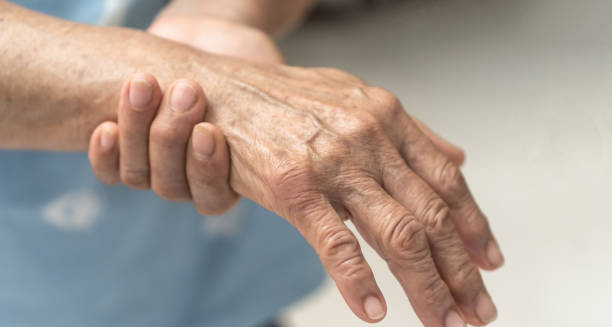
Elderly person holding their hand in pain due to nerve-related discomfort

Causes of Complex Regional Pain Syndrome

Causes of Complex Regional Pain Syndrome Causes of complex regional pain syndrome are not entirely clear, but the condition is thought to arise from an abnormal response to injury or trauma. In most cases, complex regional pain syndrome develops after a seemingly minor event, such as a sprain, fracture, or surgery, where the body’s healing response becomes dysfunctional. At the core of the condition is a disruption in how the peripheral and central nervous systems process pain signals. After an injury, the body naturally initiates inflammation to start healing. However, in people with complex regional pain syndrome, this response becomes exaggerated, prolonged, or misdirected, leading to ongoing pain and autonomic dysfunction. There are two classifications of CRPS: CRPS-I (Reflex Sympathetic Dystrophy): Occurs without identifiable nerve damage. This is the more common form and typically follows soft tissue injuries, immobilisation, or minor surgeries. Causes of Complex Regional Pain Syndrome CRPS-II (Causalgia): Arises from a confirmed injury to a specific nerve. The pain in this form tends to follow the path of the damaged nerve and may be more intense. Factors believed to contribute to the onset include: Nerve damage: Even subtle or partial nerve injuries can trigger abnormal pain processing. Prolonged immobilisation: Keeping a limb immobile after injury or surgery can affect blood flow and nerve signalling. Inflammatory responses: An exaggerated immune response may result in swelling and damage to surrounding tissues. Genetic predisposition: Though not yet confirmed, some studies suggest a potential hereditary link. Psychological stress and anxiety can exacerbate symptoms but are not considered direct causes. Rather, they may influence the body’s pain perception and inflammatory response. Infections, repetitive strain injuries, and in rare cases, injections or blood draws have also been reported to trigger the condition. To summarise, the causes of complex regional pain syndrome involve a misfiring pain system that continues to react long after the initial injury has healed. Understanding these causes is essential for clinicians to identify at-risk individuals and intervene early before symptoms worsen. [Next: Symptoms of Complex Regional Pain Syndrome →]

Causes of Complex Regional Pain Syndrome Read More »

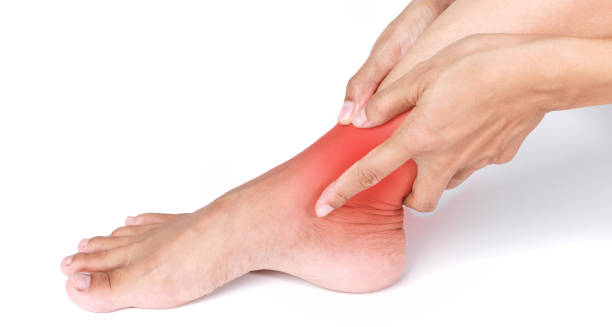
Person holding their inflamed ankle with visible redness indicating pain

Symptoms of Complex Regional Pain Syndrome

Symptoms of Complex Regional Pain Syndrome Symptoms of complex regional pain syndrome are often severe, persistent, and significantly impair daily life. The hallmark of the condition is chronic, intense pain that is disproportionate to the original injury. In most cases, complex regional pain syndrome affects one limb—typically the arm, leg, hand, or foot—and presents a combination of sensory, motor, autonomic, and trophic abnormalities. Sensory Symptoms Burning or shooting pain that may feel like electric shocks Allodynia: Pain caused by stimuli that are normally not painful, such as light touch or temperature change Hyperalgesia: Heightened sensitivity to painful stimuli The pain can be constant or fluctuate and often worsens over time without treatment. Autonomic Symptoms Skin temperature changes: The affected limb may feel colder or warmer than the other Skin colour changes: May appear red, purple, blue, or blotchy Sweating: Excessive sweating or reduced sweating in the affected area These signs reflect dysfunction in the autonomic nervous system, which controls blood flow and skin regulation. Motor and Functional Symptoms Weakness or tremors Muscle spasms Decreased range of motion Joint stiffness These symptoms may limit the use of the affected limb and contribute to further disability. Trophic Changes Changes in skin texture: Skin may become thin, dry, or shiny Abnormal hair or nail growth Swelling or atrophy of muscles and tissues In advanced stages, the limb may appear visibly wasted, and bone density may decrease, leading to fragility fractures. Symptoms of Complex Regional Pain Syndrome CRPS can also lead to insomnia, depression, and anxiety due to the ongoing nature of the pain and its impact on quality of life. To conclude, symptoms of complex regional pain syndrome are diverse and disabling, often affecting not only the physical body but also the emotional and psychological well-being of the individual. Early intervention improves outcomes and may help reverse some of the physical changes before they become permanent. [Next: Diagnosis of Complex Regional Pain Syndrome →]

Symptoms of Complex Regional Pain Syndrome Read More »

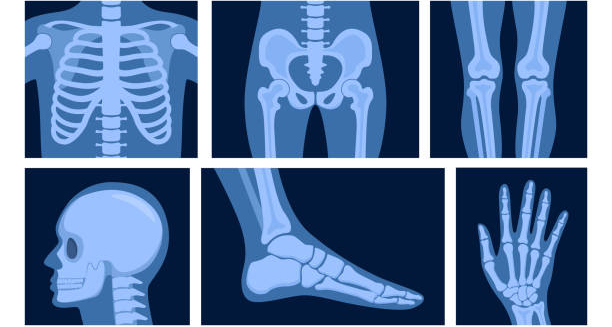
Illustrated X-rays of various body parts including skull, chest, pelvis, limbs, and hand

Diagnosis of Complex Regional Pain Syndrome

Diagnosis of Complex Regional Pain Syndrome Diagnosis of complex regional pain syndrome is primarily clinical, relying on a detailed history, symptom presentation, and physical examination. Because there is no single definitive test, diagnosing complex regional pain syndrome can be challenging and often involves ruling out other potential conditions with similar symptoms. The most widely accepted criteria for diagnosing CRPS are known as the Budapest Criteria, which require: Continuing pain that is disproportionate to any known inciting event At least one symptom in three of the four categories: sensory, vasomotor, sudomotor/oedema, and motor/trophic At least one sign at the time of evaluation in two or more of the same categories Assessment and Examination Doctors will examine: Skin temperature and colour changes Swelling and sweating patterns Sensitivity to touch or movement Range of motion and motor function A thorough history is also essential. Patients are asked about the onset, severity, and progression of symptoms, as well as any recent injuries, surgeries, or immobilisations. Diagnostic Tests | Diagnosis of Complex Regional Pain Syndrome While no test can confirm CRPS definitively, additional investigations help exclude other causes: X-rays or bone scans: May show changes in bone density or structure MRI or ultrasound: Helps assess tissue changes and swelling Thermography: Measures skin temperature differences between limbs Nerve conduction studies: Rule out other nerve conditions In cases of suspected CRPS-II, which involves known nerve damage, nerve studies may help determine the extent of the injury. Because CRPS can mimic other conditions such as neuropathies, arthritis, or infection, a multi-disciplinary approach is often beneficial, involving pain specialists, neurologists, rheumatologists, and physiotherapists. In summary, the diagnosis requires careful clinical judgement and a process of exclusion. Early recognition is vital, as delayed diagnosis can lead to worse outcomes and more entrenched symptoms. [Next: Treatment of Complex Regional Pain Syndrome →]

Diagnosis of Complex Regional Pain Syndrome Read More »

Various blister packs of colourful medication tablets and capsule

Treatment of Complex Regional Pain Syndrome

Treatment of Complex Regional Pain Syndrome Treatment of complex regional pain syndrome aims to reduce pain, restore function, and improve the patient’s quality of life. Since no single treatment is universally effective, management of CRPS is often multidisciplinary, involving a combination of medications, physical therapy, psychological support, and sometimes interventional procedures. Medications Various medications help control CRPS symptoms: Pain relievers: NSAIDs like ibuprofen for inflammation and mild pain Neuropathic pain medications: Amitriptyline, gabapentin, or pregabalin Corticosteroids: Short-term use to reduce inflammation and swelling Bisphosphonates: May help with bone pain and density loss Topical creams: Such as lidocaine or capsaicin for localised relief Opioids are usually avoided due to dependence risks and poor long-term effectiveness. Physical and Occupational Therapy Maintaining movement is crucial. A physiotherapist can help with: Graded exercises to restore strength and flexibility Desensitisation techniques Joint mobilisation and muscle stretchingOccupational therapy focuses on adapting daily activities and improving function. Psychological Support Chronic pain can lead to depression, anxiety, and fear of movement. Cognitive behavioural therapy (CBT) and counselling help patients develop coping strategies and maintain emotional well-being. Interventional Treatments | Treatment of Complex Regional Pain Syndrome For severe cases, interventional options may be explored: Nerve blocks: Temporary relief through local anaesthetic injections Spinal cord stimulation: An implanted device modulates pain signals Sympathectomy: A surgical option, now rarely used, to cut sympathetic nerves Mirror therapy, graded motor imagery, and virtual reality therapies are emerging treatments aimed at retraining the brain’s pain processing. In summary, treatment must be personalised and proactive. Early, multidisciplinary intervention offers the best chance for symptom control and functional recovery. [Next: Complications and Recovery from Complex Regional Pain Syndrome →]

Treatment of Complex Regional Pain Syndrome Read More »

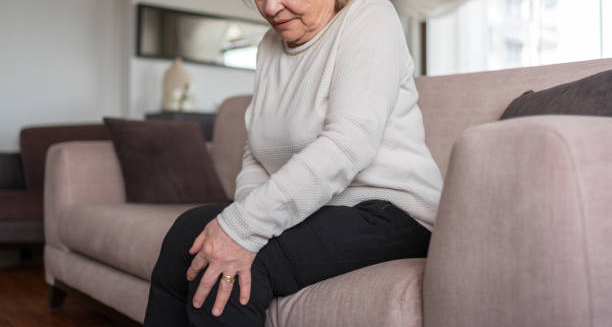
Elderly woman sitting and holding her painful knee in discomfort

Complications and Recovery from Complex Regional Pain Syndrome

Complications and Recovery from Complex Regional Pain Syndrome Complications and recovery from complex regional pain syndrome depend on the severity, timing of diagnosis, and effectiveness of the treatment plan. While many patients experience improvement, others may have long-term symptoms or permanent disability. Complex regional pain syndrome is unpredictable and varies greatly between individuals. Potential Complications Permanent disability: Due to joint stiffness, muscle wasting, or contractures Chronic pain: Persistent discomfort despite treatment Depression and anxiety: Ongoing pain can impact emotional health Sleep disturbances: Pain often interferes with rest and recovery Social and occupational impairment: Difficulties with work, relationships, and independence In severe cases, a person may require mobility aids or long-term support, particularly if the condition affects the dominant limb or spreads to other body parts. Recovery Outlook | Complications and Recovery from Complex Regional Pain Syndrome Recovery varies. Some people achieve full remission, especially if treatment begins early. Others may have partial improvement or continue to experience flare-ups. Chronic cases can be managed with consistent therapy and lifestyle adjustments. Factors that improve recovery include: Early diagnosis and treatment Multidisciplinary care Patient motivation and engagement in therapy Support systems at home and work There is currently no known cure, but many people with CRPS live active, fulfilling lives with the right management strategies in place. Long-Term Management Ongoing physiotherapy, regular check-ups, and mental health support are crucial. Patients may benefit from pacing techniques, relaxation strategies, and community support groups. In summary, complications range from full recovery to long-term disability. Prompt intervention, comprehensive care, and a positive, proactive mindset can significantly influence outcomes. [Next: Back to Overview →]

Complications and Recovery from Complex Regional Pain Syndrome Read More »

Scroll to Top