Mental Matters

Author name: admin

Woman applying eye drops for conjunctivitis treatment

Treatment of Conjunctivitis

Treatment of Conjunctivitis Treatment of conjunctivitis depends on the underlying cause—viral, bacterial, allergic, or irritant. Each type of conjunctivitis requires a tailored approach, and accurate diagnosis is essential to avoid unnecessary or ineffective treatment. Most cases are mild and self-limiting, but medical intervention may be required for symptom relief or to prevent complications. Viral Conjunctivitis There is no specific antiviral treatment for the common viruses that cause conjunctivitis. Management focuses on symptom relief: Lubricating eye drops can reduce dryness and discomfort. Cool compresses may soothe inflammation. Strict hygiene practices are essential to prevent spreading the infection.Symptoms usually resolve within 7–14 days. Antiviral medication may be needed if herpes simplex virus is involved. Bacterial Conjunctivitis | Treatment of Conjunctivitis Many cases clear without antibiotics, but topical antibiotic drops or ointments can speed recovery, especially in moderate to severe cases. Common prescriptions include: Chloramphenicol Fusidic acidTreatment typically lasts for 5–7 days. Contact lens wearers should stop using lenses during treatment and may require different antibiotics due to risk of complications like keratitis. Allergic Conjunctivitis | Treatment of Conjunctivitis Treatment focuses on reducing allergic reactions: Antihistamine eye drops (e.g. olopatadine) Mast cell stabilisers (e.g. sodium cromoglicate) Oral antihistamines for systemic symptomsAvoiding known allergens and using air purifiers or keeping windows closed during high pollen seasons can help prevent flare-ups. Irritant-Induced Conjunctivitis Immediate flushing with sterile saline can remove the irritant. If symptoms persist, lubricating drops or anti-inflammatory medications may be prescribed. In cases involving chemical burns, emergency care is needed. General Care Advice Do not use contact lenses until fully recovered. Dispose of or disinfect makeup and contact lens accessories. Avoid touching or rubbing the eyes. Wash hands frequently and avoid sharing towels or pillows. In summary, treatment of conjunctivitis involves a mix of symptom management and targeted medication. With appropriate care and hygiene, most patients recover quickly and completely. [Next: Complications and Recovery from Conjunctivitis →]
Treatment of Conjunctivitis Read More »

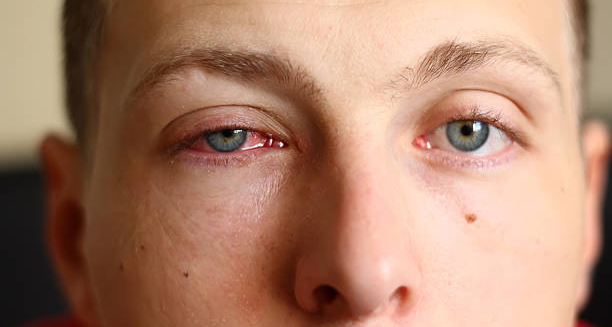
Close-up of a man with conjunctivitis in one eye

Complications and Recovery from Conjunctivitis

Complications and Recovery from Conjunctivitis Complications and recovery from conjunctivitis are generally minimal in most cases, especially when treated early and appropriately. However, certain forms of conjunctivitis, particularly bacterial and viral, can lead to more serious issues if left unmanaged or if the infection spreads. Understanding the potential complications ensures proper care and monitoring. Possible Complications Keratitis: Inflammation of the cornea can result from untreated or severe bacterial or viral conjunctivitis. This may lead to blurred vision, eye pain, and sensitivity to light. Scarring: Rarely, chronic inflammation can cause scarring of the conjunctiva, especially in cases caused by STIs like chlamydia or gonorrhoea. Dry eye syndrome: Persistent irritation can disrupt the tear film, resulting in chronic dryness. Spread of infection: Particularly in contact lens wearers, the infection can extend deeper into the eye, leading to corneal ulcers. Vision impairment: Very rare, but possible in untreated severe cases, especially in vulnerable populations like infants or immunocompromised individuals. Recovery Timeline | Complications and Recovery from Conjunctivitis Viral: Typically resolves within 1–2 weeks without medication. Bacterial: Usually clears in 2–5 days with antibiotics, though symptoms can linger up to 10 days. Allergic: Can resolve quickly with antihistamines or persist as long as exposure continues. Irritant-related: Usually clears within 24–48 hours once the irritant is removed. Post-Recovery Care | Complications and Recovery from Conjunctivitis Avoid reusing contaminated items like towels, eye makeup, or contact lenses. Follow up with an eye specialist if symptoms return or worsen. Consider preventive antihistamines during allergy season if allergic conjunctivitis recurs. Teach children about hand hygiene to prevent school outbreaks. In conclusion, complications and recovery from conjunctivitis are largely preventable. With early diagnosis, proper hygiene, and appropriate treatment, most individuals recover fully and without long-term consequences. [Next: Back to Overview →]

Complications and Recovery from Conjunctivitis Read More »

Doctor holding a red card labelled congenital heart defect

Congenital Heart Disease

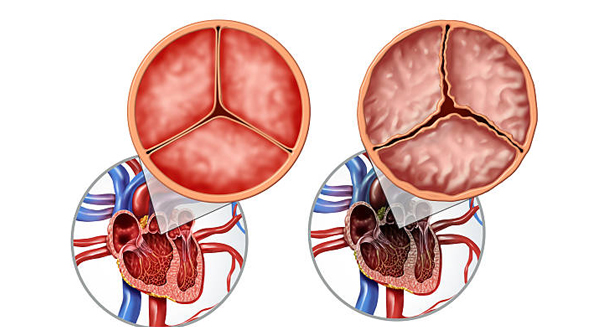
Congenital Heart Disease – Overview Congenital heart disease refers to a range of structural problems with the heart that are present from birth. These abnormalities affect the way blood flows through the heart and the rest of the body. This heart disease can vary in severity, from simple issues that may never need treatment to complex malformations requiring immediate surgery after birth. The heart develops early during pregnancy. Sometimes, parts of the heart or its major blood vessels do not form correctly, leading to one or more defects. These may involve holes in the heart walls, poorly formed valves, or incorrect connections between blood vessels. Some babies are born with a combination of defects, which can make diagnosis and treatment more challenging. Thanks to advances in prenatal screening and neonatal care, many congenital heart defects are now diagnosed before or shortly after birth. Some mild conditions may not cause noticeable symptoms and are only discovered during routine examinations in childhood or adulthood. More complex defects may be life-threatening and require urgent medical intervention. Congenital Heart Disease This disease is the most common type of birth defect, affecting nearly 1 in every 100 babies. While the exact cause is often unknown, genetic factors, maternal health conditions, and environmental exposures during pregnancy can increase the risk. In the past, many children with this heart disease did not survive into adulthood. Today, however, medical advancements allow most to live long, healthy lives with appropriate treatment and monitoring. In summary, thisheart disease includes a wide spectrum of heart abnormalities that develop in the womb. Early diagnosis and lifelong care are key to managing this condition and supporting heart health. [Next: Causes of Congenital Heart Disease →]

Congenital Heart Disease Read More »

Medical illustration of normal and abnormal heart valve structures linked to congenital heart disease

Causes of Congenital Heart Disease

Causes of Congenital Heart Disease Causes of congenital heart disease are often complex and multifactorial, involving both genetic and environmental components. Although congenital heart disease begins during foetal development, the precise reason why a baby’s heart doesn’t form properly is frequently unknown. Genetic Causes Genetic abnormalities play a significant role in many congenital heart defects. Some are associated with chromosomal disorders such as: Down syndrome Turner syndrome DiGeorge syndrome In these cases, the faulty development of the heart occurs alongside other physical or developmental abnormalities. Occasionally, a child inherits a single gene mutation from a parent, which increases the likelihood of heart defects. These mutations may occur spontaneously or run in families. Maternal Health and Lifestyle Factors A mother’s health during pregnancy can influence the risk of her baby developing congenital heart disease. Higher risk factors include: Poorly controlled diabetes Rubella infection during pregnancy Use of certain medications (e.g. lithium, isotretinoin) Alcohol or drug use Smoking during pregnancy Exposure to environmental toxins or chemicals Good prenatal care, including managing chronic conditions and avoiding harmful substances, can reduce the risk of heart defects. Unknown or Idiopathic Causes In many cases, no specific cause can be identified. The heart is a highly complex organ, and even a minor disruption in its development during early pregnancy can lead to congenital defects. This makes prevention difficult in some instances. Family History | Causes of Congenital Heart Disease A child is more likely to be born with a heart defect if a parent or sibling has had one. This hereditary link prompts screening and monitoring in future pregnancies for families with a history of congenital heart disease. To conclude, the causes of congenital heart disease involve a mix of genetic, environmental, and maternal factors. Understanding these causes enables better screening, prevention strategies, and early detection during pregnancy. [Next: Symptoms of Congenital Heart Disease →]

Causes of Congenital Heart Disease Read More »

Woman holding chest in discomfort due to congenital heart disease symptoms

Symptoms of Congenital Heart Disease

Symptoms of Congenital Heart Disease Symptoms of congenital heart disease vary depending on the type and severity of the defect. Some infants show signs of the condition shortly after birth, while others may not display symptoms until later in childhood or even adulthood. This disease can present as mild or severe, with symptoms ranging from subtle to life-threatening. Symptoms in Newborns and Infants Rapid breathing or breathlessness, especially during feeding Poor feeding and slow weight gain Cyanosis (a bluish tint to the lips, skin, or fingernails) Excessive sleepiness or fatigue Swelling in the legs, abdomen, or around the eyes Heart murmur detected by a doctor using a stethoscope These symptoms may suggest inadequate oxygen delivery or poor blood circulation due to a structural problem in the heart. Symptoms in Older Children and Adults Shortness of breath during exercise or activity Fatigue or reduced stamina Chest pain or palpitations Fainting or dizziness Clubbing of fingers or toes (rounded, bulbous fingertips) Recurrent respiratory infections In milder forms of congenital heart disease, symptoms may not be noticed until later in life, particularly during periods of physical stress, such as growth spurts, puberty, or pregnancy. Silent Cases | Symptoms of Congenital Heart Disease Some individuals may live for years with undiagnosed congenital heart defects, especially if the condition is mild. Often, these are only detected during a medical exam for an unrelated issue or through advanced imaging like an echocardiogram. It’s essential for parents, teachers, and healthcare professionals to monitor for signs of poor growth, delayed development, or fatigue in children. These could be subtle indicators of an underlying heart problem. In summary, symptoms differ widely based on the defect and the individual. Early recognition of symptoms allows for prompt intervention and better long-term outcomes. [Next: Diagnosis of Congenital Heart Disease →]

Symptoms of Congenital Heart Disease Read More »

Doctor using a stethoscope to examine a newborn for congenital heart disease

Diagnosis of Congenital Heart Disease

Diagnosis of Congenital Heart Disease Diagnosis of congenital heart disease can take place before birth, shortly after birth, or during childhood or adulthood. The timing depends on the severity of the condition and the availability of screening tools. Doctors often identify congenital heart disease early thanks to modern technology. Allowing for better treatment planning. Prenatal Diagnosis Doctors can detect fetal anomalies during routine ultrasounds between 18 and 22 weeks of pregnancy. Doctors evaluate suspected heart defects with a fetal echocardiogram. A specialised ultrasound that provides detailed images of the baby’s heart. Early diagnosis helps plan for delivery in a facility equipped to handle high-risk newborns. Postnatal Screening Doctors typically assess newborns using a physical exam and oxygen saturation testing (pulse oximetry). Additionally, in some cases, echocardiography if symptoms like cyanosis or breathing difficulty arise. Diagnostic Tests Echocardiogram – A key tool for visualising heart structure and function Electrocardiogram (ECG) – Measures the heart’s electrical activity Chest X-ray – Shows heart size and lung condition Cardiac MRI or CT scan – Provides detailed images in complex cases Cardiac catheterisation – Invasive procedure used to assess blood flow and pressures inside the heart chambers Genetic Testing If congenital heart disease is suspected to be part of a genetic syndrome, genetic testing or chromosomal analysis may be recommended. Adult Diagnosis | Diagnosis of Congenital Heart Disease Some individuals live for years without symptoms. In adults, congenital heart disease may be discovered during evaluation for fatigue, shortness of breath, or abnormal ECG findings. Early and accurate diagnosis of congenital heart disease is crucial for planning treatment, reducing complications, and ensuring the best quality of life. Lifelong monitoring is often necessary, even for those with corrected defects. [Next: Treatment of Congenital Heart Disease →]

Diagnosis of Congenital Heart Disease Read More »

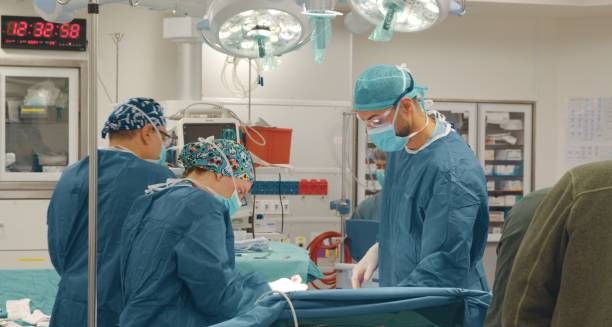
Surgeons performing heart surgery in a sterile operating theatre to treat congenital heart disease

Treatment of Congenital Heart Disease

Treatment of Congenital Heart Disease Treatment of congenital heart disease depends on the type, severity, and individual needs of the patient. While some defects require no intervention, others need medication, surgery, or lifelong management. The goal of this treatment is to ensure normal growth, function, and quality of life. Medication Certain medications may help manage symptoms or prevent complications: Diuretics – Reduce fluid buildup ACE inhibitors – Lower blood pressure and reduce the heart’s workload Beta-blockers – Help control heart rate and rhythm Anticoagulants – Prevent blood clots in conditions like atrial septal defects Medications are typically paired with other therapies or used short-term before surgery. Surgical Procedures Moderate to severe defects often require surgery to fix or replace faulty heart structures: Septal defect repair (closing holes between heart chambers) Valve repair or replacement Arterial switch or conduit placement for incorrect vessel connections Specialised paediatric cardiac centres typically perform open-heart surgery within the first few months of life. Catheter-Based Interventions Less invasive procedures use a catheter inserted through a blood vessel: Balloon valvuloplasty to open narrowed valves Device closure of small defects like atrial septal defects or patent ductus arteriosus These procedures are often performed on an outpatient basis with quicker recovery times. Lifestyle and Follow-Up | Treatment of Congenital Heart Disease Ongoing care is essential, including: Regular follow-up with a cardiologist Physical activity guidance Monitoring for arrhythmias or complications Endocarditis prevention (antibiotics before certain dental or surgical procedures) In summary, the treatment of congenital heart disease may range from observation to complex surgery. With proper care, many individuals lead full, active lives, even after serious heart conditions. [Next: Complications and Recovery from Congenital Heart Disease →]

Treatment of Congenital Heart Disease Read More »

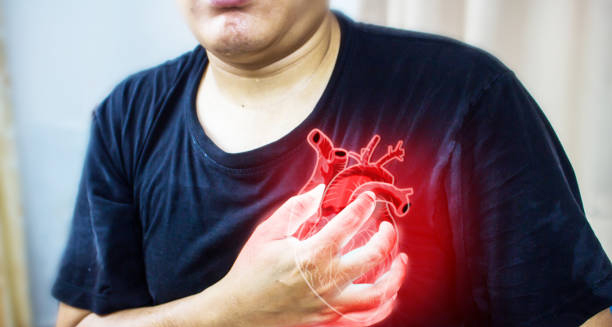
Man clutching chest with a digital heart illustration, representing complications from congenital heart disease

Complications and Recovery from Congenital Heart Disease

Complications and Recovery from Congenital Heart Disease Complications and recovery from congenital heart disease depend on the type of defect, treatment provided, and the timing of intervention. While many people with congenital heart disease live long, healthy lives, others may face lifelong challenges and health risks requiring ongoing care and lifestyle adjustments. Possible Complications Heart failure – The heart may not pump efficiently due to structural or functional abnormalities. Arrhythmias – Irregular heartbeats may develop after surgery or as a result of scar tissue. Infective endocarditis – Infection of the inner lining of the heart, especially in those with artificial valves or patches. Pulmonary hypertension – Increased pressure in lung arteries can develop from untreated defects. Stroke or embolism – Abnormal blood flow or clots can increase stroke risk. Developmental delays – Especially in children with severe or complex defects. Complications may also arise from the treatment itself, such as surgical scarring, valve deterioration, or device failure. Lifelong follow-up helps detect and manage these risks early. Recovery and Prognosis Recovery varies based on the severity of the defect and type of intervention. Simple defects often require no further treatment after repair. More complex conditions may need multiple surgeries or procedures throughout life. Children recovering from surgery may need: Specialised cardiac rehabilitation Speech or motor development support Nutritional guidance to support growth Adults with repaired congenital defects must still undergo regular evaluations, as heart-related issues can emerge later in life, including pregnancy risks for women with heart disease. Lifestyle Adjustments | Complications and Recovery from Congenital Heart Disease Maintaining a heart-healthy diet Avoiding tobacco and excessive alcohol Participating in safe levels of physical activity Understanding warning signs and when to seek medical attention In conclusion, complications and recovery from congenital heart disease vary, but proactive care and routine monitoring make a significant difference. With proper treatment and support, individuals can thrive and lead fulfilling lives. [Next: Back to Overview →]

Complications and Recovery from Congenital Heart Disease Read More »

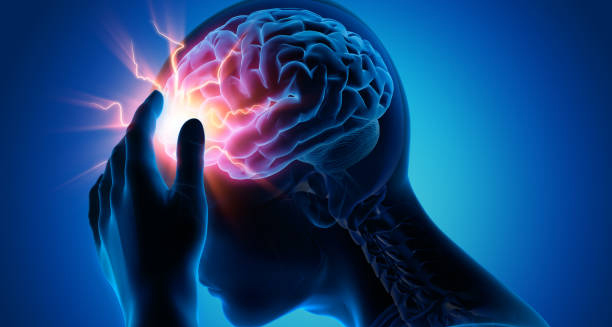
Digital illustration of a person holding their head in pain, highlighting brain trauma from concussion

Concussion

Concussion – Overview Concussion is a mild traumatic brain injury (TBI) that occurs when a sudden blow or jolt to the head disrupts normal brain function. Although a concussion is usually not life-threatening, it can lead to a range of physical, cognitive, and emotional symptoms that may last days or even weeks. Prompt recognition and appropriate care are essential to avoid complications and ensure full recovery. The brain is cushioned by cerebrospinal fluid, but a direct or indirect impact can cause it to move rapidly within the skull. This movement may result in chemical changes, inflammation, and temporary disruption of nerve signals. Common causes include falls, sports injuries, motor vehicle accidents, and violent assaults. Even a minor bump can lead to a concussion if the force is sufficient. Unlike other traumatic injuries, concussions often show no visible signs of damage on standard brain scans, making them harder to diagnose. Symptoms may appear immediately or develop gradually over hours. They can affect memory, concentration, mood, and physical coordination. Concussion Concussions are especially concerning in children and teenagers, whose brains are still developing. Multiple concussions, even if individually mild, can have cumulative effects and lead to long-term cognitive decline or conditions like post-concussion syndrome or chronic traumatic encephalopathy (CTE) in athletes. Fortunately, most people recover fully with rest and supportive care. However, returning to normal activities too soon can worsen symptoms and delay healing. Medical assessment is important to ensure the injury is properly managed and to rule out more serious brain damage. In summary, concussion is a temporary brain injury that demands attention, rest, and professional oversight. Early identification and careful recovery planning are critical for optimal outcomes. [Next: Causes of Concussion →]

Concussion Read More »

Football player receiving medical attention after head injury, a common cause of concussion

Causes of Concussion

Causes of Concussion Causes of concussion generally involve a sudden impact or jolt that causes the brain to move within the skull. This can disrupt brain activity temporarily, leading to symptoms such as confusion, memory loss, headache, and dizziness. A concussion may result from a direct blow to the head or an indirect force that transmits to the brain, such as a hard hit to the body or neck. Common Causes Falls – One of the leading causes across all age groups, especially in young children and the elderly. Sport injuries – Contact sports like rugby, football, boxing, and hockey frequently lead to concussions due to high-impact collisions or tackles. Motor vehicle accidents – Even with airbags and seat belts, the sudden deceleration can cause the brain to collide with the skull. Assaults or physical altercations – Punches, kicks, or blunt trauma to the head are direct causes. Workplace incidents – Falls from ladders, construction accidents, or being struck by falling objects are not uncommon. Indirect Forces |  Causes of Concussion Sometimes, the head is not directly impacted. Instead, a sudden motion such as whiplash from a car crash or violent shaking (as seen in shaken baby syndrome) can cause the brain to move abruptly, leading to a concussion. Increased Risk Factors Certain factors may make someone more vulnerable to concussions or increase the risk of complications: Previous concussions | Causes of Concussion High-risk activities or occupations Age (young children and the elderly) Pre-existing neurological conditions Lack of protective equipment during sports or work Concussions can happen during everyday activities. For instance, slipping in the shower or knocking one’s head on a cupboard corner may seem minor but can still lead to symptoms if the force is sufficient. To summarise, the causes of concussion stem from a wide range of physical impacts and movements that disturb brain function. Recognising these causes helps promote prevention strategies, proper safety measures, and early identification of potential injuries. [Next: Symptoms of Concussion →]

Causes of Concussion Read More »

Scroll to Top