Mental Matters

Author name: admin

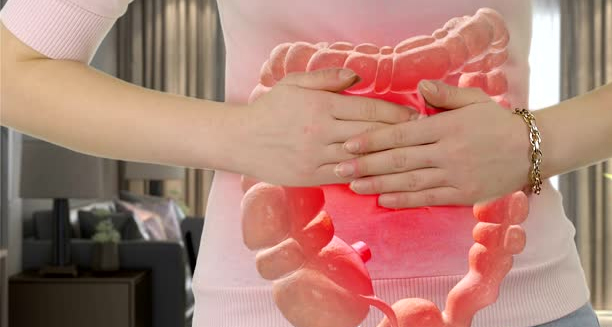
Illustration of a woman holding her abdomen highlighting an inflamed large intestine, representing constipation discomfort.

Constipation

Constipation – Overview Constipation is a common gastrointestinal condition where bowel movements become infrequent, hard to pass, or incomplete. A person is typically diagnosed with constipation when they have fewer than three bowel movements per week or when passing stools becomes painful, difficult, or accompanied by a sense of incomplete evacuation. While the condition can affect anyone, it is particularly common in older adults, pregnant women, and people with sedentary lifestyles. The colon plays a central role in absorbing water from digested food before it exits the body as waste. If this process slows down, too much water may be absorbed, making the stool dry and hard. This, combined with weak bowel muscle activity or blockages, results in constipation. The condition ranges from occasional inconvenience to a chronic health issue that significantly impacts daily life. Common contributing factors include low fibre intake, insufficient fluid consumption, lack of exercise, stress, and poor bowel habits. Some people ignore the urge to defecate, while others rush toilet time, both of which can disrupt normal bowel rhythms. In addition, some medications and medical conditions can reduce bowel motility, further complicating matters. Constipation Though usually not dangerous, constipation can cause haemorrhoids, anal fissures, faecal impaction, and a decreased quality of life. Long-term sufferers may also develop anxiety related to their bowel movements, creating a cycle of stress and worsening symptoms. Fortunately, the condition is typically manageable with lifestyle changes, proper hydration, and dietary fibre. In more complex cases, medical or surgical interventions may be necessary. In conclusion, constipation refers to slowed or difficult bowel movements that can lead to physical and psychological discomfort. Early recognition and treatment are crucial to relieving symptoms, preventing complications, and maintaining long-term bowel health. [Next: Causes of Constipation →]

Constipation Read More »

Hand holding various pills and capsules, indicating medication as a possible cause of constipation.

Causes of Constipation

Causes of Constipation Causes of constipation vary widely, often involving a combination of dietary, lifestyle, medical, and psychological factors. When stool passes too slowly through the digestive tract, the colon absorbs excessive water from it, resulting in hard, dry waste that is difficult to expel. In most cases, constipation can be attributed to a few modifiable behaviours or conditions, though in others, the root cause may be more complex and require medical evaluation. One of the most common triggers is a low-fibre diet. Fibre helps add bulk and moisture to stool, encouraging more regular and complete bowel movements. Diets lacking in fruits, vegetables, legumes, and whole grains are particularly associated with constipation. Without fibre, the intestines struggle to push stool effectively through the colon, leading to sluggish transit and hardened waste. Another leading factor is dehydration. When the body lacks adequate fluids, the colon compensates by drawing more water from the waste matter, resulting in stools that are dry and more difficult to pass. Likewise, not drinking enough during hot weather, illness, or high-exertion activities can contribute to constipation. Causes of Constipation Physical inactivity is another key contributor. Exercise promotes muscle contractions throughout the body, including the intestinal muscles responsible for moving stool. A sedentary lifestyle slows this process, increasing the likelihood of constipation. Bedridden individuals, those recovering from surgery, and office workers often face this challenge. Medications can also play a significant role. Common offenders include opioid pain relievers, antidepressants, iron supplements, antihistamines, and antacids that contain calcium or aluminium. Many of these drugs reduce intestinal motility or water content in the bowel, directly triggering constipation. In addition, medical conditions such as diabetes, Parkinson’s disease, hypothyroidism, multiple sclerosis, and irritable bowel syndrome can interfere with gut function. Pelvic floor dysfunction, rectal prolapse, and spinal cord injuries may physically disrupt the process of elimination. Causes of Constipation Psychological contributors like stress, anxiety, and depression can also affect bowel patterns. These conditions may reduce gut motility or lead to poor lifestyle habits such as erratic eating or sleep schedules, compounding the issue. To summarise, causes of constipation are multifaceted and often interlinked. Understanding what’s contributing to the problem is essential for determining the right course of treatment and preventing it from becoming a chronic issue. [Next: Symptoms of Constipation →]

Causes of Constipation Read More »

Man clutching his stomach experiencing abdominal discomfort, a common symptom of constipation.

Symptoms of Constipation

Symptoms of Constipation Symptoms of constipation range from minor discomfort to significant bowel obstruction, depending on its severity and duration. While many people recognise infrequent bowel movements as a hallmark of constipation, the condition involves a broader range of physical and even emotional symptoms. These can occur alone or together and may persist for days, weeks, or even longer in chronic cases. The most basic symptom is infrequent stools, defined as fewer than three bowel movements per week. However, frequency alone isn’t enough to diagnose constipation. Many people also experience straining during bowel movements, which can make the act of passing stool uncomfortable or painful. Straining may lead to additional problems like haemorrhoids and anal fissures. Another common sign is hard or lumpy stools. These typically result from prolonged transit time in the colon, which absorbs too much water and leaves the stool dry and compacted. Passing such stool can be extremely uncomfortable and even cause minor tears in the anal lining. Symptoms of Constipation Many individuals report a sensation of incomplete evacuation, where they feel that not all stool has been passed. This can lead to repeated trips to the bathroom and contribute to anxiety about bowel habits. Others may experience bloating, abdominal pain, or excessive gas, all of which are linked to the build-up of stool and fermentation of waste in the colon. In severe cases, faecal impaction may occur, where hardened stool blocks the rectum, making natural defecation nearly impossible. This condition can lead to overflow incontinence, where liquid stool leaks around the impaction, often mistaken for diarrhoea. Impaction may require manual removal or hospital-based treatment. Other symptoms can include: Fatigue or a general sense of unwellness Nausea or loss of appetite Bad breath or body odour from toxin build-up Back pain due to internal pressure Symptoms of Constipation Children may exhibit unusual signs such as irritability, poor appetite, or soiling their underwear due to stool leakage. Older adults might show signs of confusion or reduced mobility caused by general discomfort. In summary, symptoms of constipation go well beyond simply going to the toilet less often. The condition can disrupt digestion, impact mood, and lead to medical complications if not addressed. Recognising the full scope of symptoms ensures timely and appropriate treatment. [Next: Diagnosis of Constipation →]

Symptoms of Constipation Read More »

Doctor holding magnifying glass highlighting a graphic of the intestines, illustrating constipation diagnosis.

Diagnosis of Constipation

Diagnosis of Constipation Diagnosis of constipation starts with a thorough clinical evaluation that includes medical history, lifestyle assessment, physical examination, and possibly diagnostic tests. Because many factors can cause constipation, doctors consider a wide range of possibilities during evaluation. From diet and activity level to underlying medical conditions—pinpointing the root cause is crucial for effective treatment. Doctors typically begin by asking about bowel movement patterns. They assess: How often you go Stool consistency Degree of straining Sensation of incomplete emptying Diet, hydration, and physical activity Use of medications or supplements Any history of abdominal surgery or health conditions They may also ask about “red flag” symptoms such as bleeding, severe pain, weight loss, or a family history of colorectal cancer, which would warrant further investigation. A physical examination follows, including palpation of the abdomen to check for tenderness, bloating, or palpable masses. A digital rectal exam may also be done to evaluate anal tone. Detect faecal impaction, or uncover structural issues like fissures, haemorrhoids, or prolapse. Diagnosis of Constipation If constipation is persistent or unexplained, several tests may be ordered: Blood tests to rule out hypothyroidism, diabetes, or electrolyte imbalance Stool sample analysis if infection or inflammation is suspected Abdominal X-ray or CT scan to check for impaction or obstruction Colonoscopy or sigmoidoscopy to inspect for growths, strictures, or cancer—especially in those over 50 or with alarm symptoms Transit studies, using marker capsules to monitor bowel movement speed via X-ray Anorectal manometry to assess rectal muscle coordination Defecography, an imaging test to observe how the rectum empties Diagnosis of Constipation In children and older adults, behavioural patterns and daily routines are also considered important diagnostic factors. In conclusion, diagnosis of constipation is a systematic process that may include simple observation or more advanced imaging and tests. Early and accurate identification of the cause helps guide the best treatment and reduces the risk of chronic problems. [Next: Treatment of Constipation →]

Diagnosis of Constipation Read More »

Whole grain foods including bread, oats, pasta, and seeds spread on a table, beneficial for constipation treatment.

Treatment of Constipation

Treatment of Constipation Treatment of constipation depends on its severity, duration, and underlying causes. While occasional constipation often resolves with simple dietary and lifestyle changes, chronic or severe cases may require medical treatment, prescription drugs, or therapy for underlying functional disorders. The aim is to restore normal bowel habits, relieve discomfort, and prevent recurrence. 1. Lifestyle and Dietary Adjustments For most people, the first approach to treatment is making key adjustments to their daily habits: Fibre intake should be increased gradually to 25–30 grams per day through vegetables, fruits, legumes, and whole grains. Fibre adds bulk to stool and stimulates bowel movements. Hydration is critical. Drinking 6–8 glasses of water a day softens stool and prevents dehydration-related constipation. Physical activity helps stimulate intestinal motility. Even light exercises like walking can significantly improve symptoms. Bowel routine training encourages regularity. Sitting on the toilet at the same time daily, especially after meals, helps train the bowels. Avoiding delay in responding to bowel urges prevents stool from drying out and becoming harder to pass. 2. Laxatives and OTC Treatments | Treatment of Constipation When lifestyle modifications are not enough, over-the-counter products may be recommended: Bulk-forming agents like psyllium absorb water to soften stool Osmotic laxatives such as lactulose draw fluid into the colon Stimulant laxatives like senna and bisacodyl promote muscle contractions Stool softeners help make stool easier to expel, particularly useful post-surgery or childbirth While effective, laxatives should be used cautiously and under medical supervision to avoid dependency or worsening symptoms over time. 3. Prescription Medications For persistent or medically complex constipation, the following may be prescribed: Prucalopride, a serotonin agonist that increases colon motility Lubiprostone or linaclotide, which increase fluid secretion in the intestines Biofeedback therapy, which retrains the pelvic floor muscles in cases of defecation dysfunction 4. Treating Secondary Causes | Treatment of Constipation If another condition is causing constipation—such as hypothyroidism or medication side effects—then adjusting or treating that condition is essential for lasting relief. Ironically, many medications used for unrelated conditions (like painkillers or antidepressants) may require substitution or dosage changes. In summary, treatment of constipation is tailored to the individual. Early intervention with lifestyle changes is often successful, but persistent cases require medical evaluation and possibly ongoing care. Treating the root cause is essential to avoid recurrence and restore normal bowel health. [Next: Complications and Recovery from Constipation →]

Treatment of Constipation Read More »

Woman sitting on a sofa with abdominal pain from constipation

Complications and Recovery from Constipation

Complications and Recovery from Constipation Complications and recovery from constipation vary depending on how quickly the condition is recognised and treated. Although most cases of constipation are mild and resolve with dietary changes or hydration, chronic or severe constipation can lead to significant health issues, some requiring urgent medical attention. 1. Common Complications Haemorrhoids: Straining puts pressure on rectal veins, causing them to swell and become painful or itchy. They may bleed during defecation. Anal fissures: These are small tears in the skin around the anus, often caused by passing hard stools. They can cause sharp pain, especially during and after bowel movements. Faecal impaction: This occurs when dry, hardened stool becomes lodged in the rectum. It may block further passage of stool and can result in pain, nausea, and leakage of liquid stool around the blockage. Rectal prolapse: Repeated straining can cause the rectal wall to slip through the anus, especially in older adults or those with weakened pelvic floor muscles. Overflow incontinence: Liquid stool bypassing a blockage may be mistaken for diarrhoea, particularly in children or the elderly. 2. Psychological Effects | Complications and Recovery from Constipation Constipation can take a toll on emotional well-being. Children may withhold stool due to pain or embarrassment, leading to a cycle of worsening constipation. Adults may avoid social situations, travel, or work due to anxiety about bowel problems. In long-term sufferers, chronic discomfort can reduce quality of life. 3. Recovery Timeline Recovery depends on the cause and how soon treatment begins: Short-term cases often resolve within a few days of increased fluid and fibre intake. Chronic cases may take weeks or months of consistent treatment, especially if related to medication, motility disorders, or mental health. Post-complication recovery, such as after fissures or impaction, may require extended follow-up and pain management. 4. Long-Term Management | Complications and Recovery from Constipation To maintain recovery and prevent future episodes: Continue eating a balanced, high-fibre diet Stay hydrated daily Maintain regular physical activity Respond promptly to the urge to defecate Avoid long-term use of laxatives without medical advice In conclusion, complications and recovery from constipation are closely tied to how quickly the condition is addressed and whether preventive steps are taken. With the right approach, most people recover fully and maintain normal bowel function through simple but consistent habits. [Next: Back to Overview →]

Complications and Recovery from Constipation Read More »

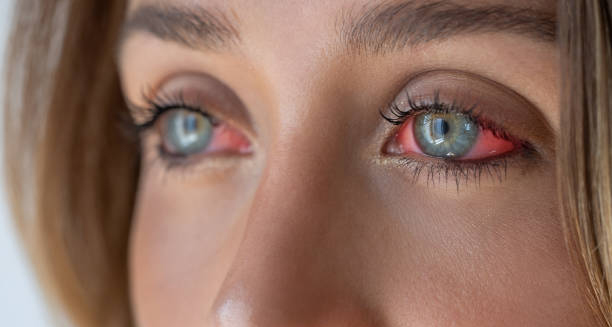
Close-up of irritated eyes with redness due to conjunctivitis

Conjunctivitis

Conjunctivitis – Overview Conjunctivitis is a condition characterised by inflammation of the conjunctiva. The thin and transparent membrane that lines the white part of the eye and the inside of the eyelids. In most cases, this causes redness, irritation, and discharge from one or both eyes. It can affect individuals of all ages and is often referred to as “pink eye”. This is due to the reddish appearance of the affected eye. The condition can result from a variety of causes including bacterial or viral infections. Additionally, allergic reactions or exposure to irritants like smoke, dust, or chlorine. This can be mild and resolve on its own, or it can persist and require medical treatment depending on the underlying cause. Infectious forms, particularly viral and bacterial conjunctivitis, are highly contagious and spread easily in schools, workplaces, and other communal environments. Conjunctivitis Symptoms often include redness, watery or sticky discharge, a gritty or burning sensation, itching, and increased sensitivity to light. While these symptoms are uncomfortable, most cases of conjunctivitis do not result in long-term eye damage, especially when properly managed. Treatment can range from simple self-care remedies and eye drops to prescription antibiotics or antihistamines, depending on the trigger. Newborns and infants may develop this condition within the first few weeks of life, which requires prompt evaluation to prevent complications. Adults and older children, particularly contact lens wearers or allergy sufferers, may be more prone to certain types. In summary, conjunctivitis is a common, often self-limiting condition that causes inflammation of the eye’s outer membrane. Proper diagnosis and treatment, along with good hygiene practices, are essential for effective recovery and preventing spread in the case of infectious conjunctivitis. [Next: Causes of Conjunctivitis →]

Conjunctivitis Read More »

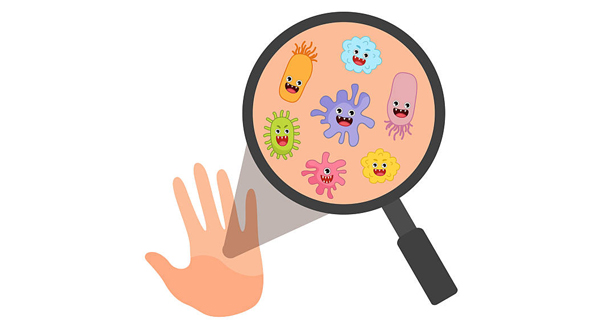
Cartoon germs on hand under magnifying glass illustrating causes of conjunctivitis

Causes of Conjunctivitis

Causes of Conjunctivitis Causes of conjunctivitis can be grouped into infectious and non-infectious categories. Understanding the root cause of conjunctivitis is essential for selecting the right treatment and preventing future occurrences or complications. Each cause leads to inflammation of the conjunctiva, but the symptoms, duration, and level of contagion differ significantly. Infectious Conjunctivitis This form of conjunctivitis is caused by bacteria or viruses and is typically very contagious. Viral conjunctivitis is the most common type, usually linked to adenoviruses. It often accompanies respiratory infections like the common cold or flu. It spreads through respiratory droplets, direct contact, or contaminated surfaces. Bacterial conjunctivitis is caused by bacteria such as Staphylococcus aureus, Streptococcus pneumoniae, or Haemophilus influenzae. It often results in thick, yellow-green discharge and may affect both eyes. This type is common among children and spreads easily in group settings. In both viral and bacterial cases, symptoms can last several days to two weeks and require isolation and hygiene precautions to avoid infecting others. Allergic Conjunctivitis | Causes of Conjunctivitis Non-contagious and triggered by allergens like pollen, pet dander, dust mites, or mould, this type causes itching, watery eyes, and eyelid swelling. It often occurs in people with hay fever or asthma and may be seasonal or chronic, depending on the allergen. Repeated exposure to the trigger can result in recurring symptoms. Chemical and Irritant-Induced Conjunctivitis Exposure to smoke, pollution, chlorine from swimming pools, or chemical sprays may lead to irritation. The reaction is not infectious but can cause significant redness, tearing, and discomfort. It usually resolves once the irritant is removed, though severe cases may require medical attention. Neonatal Conjunctivitis | Causes of Conjunctivitis Newborns may develop conjunctivitis due to blocked tear ducts, irritation from eye drops, or infections acquired during birth, especially if the mother has a sexually transmitted infection like chlamydia or gonorrhoea. Prompt treatment is critical to prevent eye damage. To summarise, causes of conjunctivitis include viruses, bacteria, allergens, chemicals, and irritants. Correct identification of the cause enables effective treatment and helps prevent recurrence, complications, or further transmission in contagious cases. [Next: Symptoms of Conjunctivitis →]

Causes of Conjunctivitis Read More »

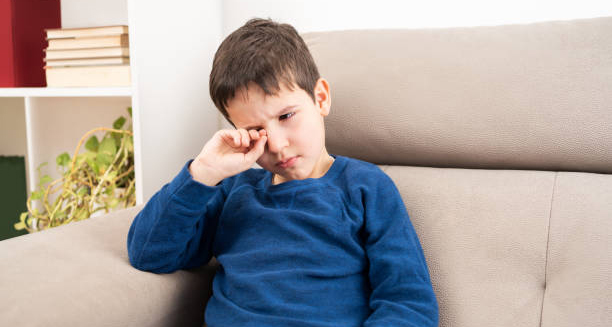
Child rubbing irritated eye showing early symptoms of conjunctivitis

Symptoms of Conjunctivitis

Symptoms of Conjunctivitis Symptoms of conjunctivitis can vary depending on the underlying cause, but all involve inflammation of the conjunctiva. This thin membrane reacts to infections, allergens, or irritants by producing redness, discomfort, and discharge. Recognising these signs early is crucial to determining the appropriate course of treatment for conjunctivitis and avoiding spread, especially in infectious cases. General Symptoms Across all types of conjunctivitis, patients typically experience: Redness in one or both eyes A gritty, burning, or stinging sensation Eye discharge, which may be watery or thick and sticky Itching, especially in allergic conjunctivitis Increased tearing or watering Mild swelling of the eyelids Crusting of the eyelashes, particularly after sleep These symptoms may appear suddenly or develop over the course of a few days. In viral and bacterial cases, symptoms often start in one eye before spreading to the other. Viral Conjunctivitis | Symptoms of Conjunctivitis Symptoms include watery discharge, light sensitivity, and swelling of the lymph nodes near the ears. It may occur alongside cold or flu symptoms. Often, the discomfort is mild, but the eye appears very red and irritated. Viral forms are highly contagious and may linger for up to two weeks. Bacterial Conjunctivitis This type presents with a thick, yellow or greenish discharge that can cause the eyelids to stick together, especially upon waking. Redness and discomfort are common, but significant itching is rare. If left untreated, it may worsen or lead to more serious complications. Allergic Conjunctivitis Usually affects both eyes and is characterised by intense itching, watery discharge, and eyelid puffiness. It often coincides with seasonal allergy symptoms like sneezing or nasal congestion. Allergic conjunctivitis is not contagious and may persist as long as exposure to the allergen continues. Irritant-Induced Conjunctivitis | Symptoms of Conjunctivitis Symptoms develop rapidly after exposure to a chemical or physical irritant and usually resolve within hours once the irritant is removed. However, prolonged or repeated exposure can cause persistent discomfort and damage. In summary, symptoms of conjunctivitis range from mild irritation to significant discharge and swelling. Identifying the specific characteristics helps in differentiating between viral, bacterial, allergic, and irritant causes, which guides effective management. [Next: Diagnosis of Conjunctivitis →]

Symptoms of Conjunctivitis Read More »

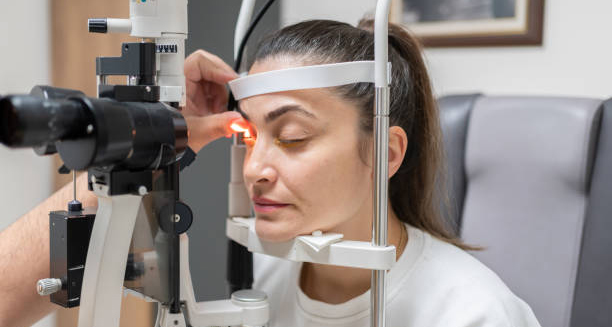
Woman undergoing eye examination for conjunctivitis diagnosis

Diagnosis of Conjunctivitis

Diagnosis of Conjunctivitis Diagnosis of conjunctivitis is typically straightforward and based on clinical evaluation of the symptoms and patient history. In most cases, the appearance of the eye and the type of discharge provide enough information for an accurate diagnosis. However, because conjunctivitis can mimic other eye conditions, careful assessment is necessary to avoid complications or inappropriate treatment. Initial Clinical Assessment The healthcare provider will begin by asking about: Onset and duration of symptoms Type and colour of eye discharge Exposure to others with similar symptoms Presence of allergies or other health issues Use of contact lenses or eye drops This detailed history helps determine whether the conjunctivitis is infectious, allergic, or irritant-related. Physical Examination | Diagnosis of Conjunctivitis Doctors examine the eyes with a light source or slit lamp to evaluate: Redness and location of inflammation Swelling of eyelids or lymph nodes Condition of the cornea Type of eye discharge The examination helps exclude other serious eye problems, such as uveitis, keratitis, or acute glaucoma, which can present similarly but require very different treatments. Swab or Culture Testing If the diagnosis is unclear, if the symptoms are severe, or if the patient is not improving with initial treatment, the doctor may take a swab of the eye discharge for laboratory testing. This helps: Identify the specific virus or bacteria Determine antibiotic sensitivity Rule out sexually transmitted infections in neonatal or adult cases These tests are particularly important for patients who wear contact lenses or those with immune compromise. Allergy Evaluation | Diagnosis of Conjunctivitis If allergic conjunctivitis is suspected, referral to an allergist may be recommended for skin prick tests or blood tests to identify triggers. Knowing the specific allergen can improve treatment outcomes through avoidance strategies or immunotherapy. To conclude, diagnosis of conjunctivitis relies on careful evaluation of symptoms and patient history. When necessary, further testing supports accurate identification and ensures targeted, effective treatment to minimise complications and speed recovery. [Next: Treatment of Conjunctivitis →]

Diagnosis of Conjunctivitis Read More »

Scroll to Top