Mental Matters

Author name: admin

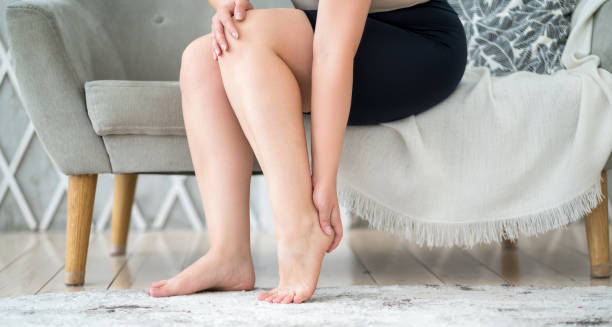
Woman sitting on a couch holding her foot, indicating discomfort commonly caused by corns.

Symptoms of Corns

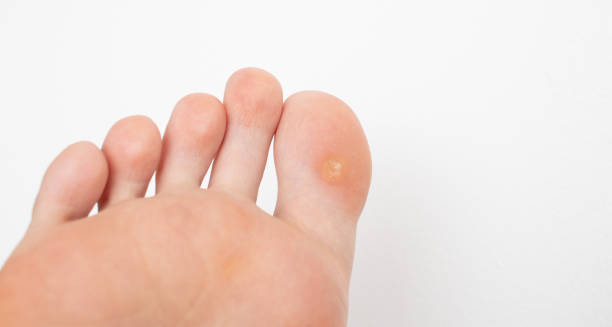
Symptoms of Corns Symptoms of corns are usually easy to identify due to their distinct appearance and location. While some may be painless, others can cause considerable discomfort or even sharp pain when pressure is applied. The severity of the symptoms often depends on the size and depth of the corn, as well as the underlying cause. For many, corns can affect walking and footwear choices if not properly treated. Visual Characteristics Hardened skin: A raised, thickened bump with a yellowish or grey appearance Small size: Typically no larger than a pencil eraser Central core: A dense, inward-pointing centre that may be visible on close inspection Surrounding skin: Often inflamed or red if the corn is under frequent stress Sensory Symptoms | Symptoms of Corns Pain or tenderness: Especially when walking, standing, or wearing tight shoes Burning sensation: May be present in and around the affected area Soreness: The skin may feel bruised or raw, even when the corn is not directly pressed Throbbing: In more advanced cases, especially if infection or inflammation is involved Location-Specific Symptoms | Symptoms of Corns Hard corns: Found on the tops or sides of toes, particularly where bones press against shoes Soft corns: Form between the toes and tend to be moist, making them prone to infection Seed corns: Appear on the bottom of the feet and may cause mild discomfort when walking Complications If left untreated, corns may become infected or lead to skin breakdown, particularly in individuals with diabetes or poor circulation. Symptoms of infection include: Swelling Redness Pus discharge Fever (in rare, advanced cases) In conclusion, symptoms of corns range from mild cosmetic concerns to painful lesions that interfere with daily activities. Early recognition of these symptoms allows for prompt treatment and prevents worsening of the condition. [Next: Diagnosis of Corns →]
Symptoms of Corns Read More »

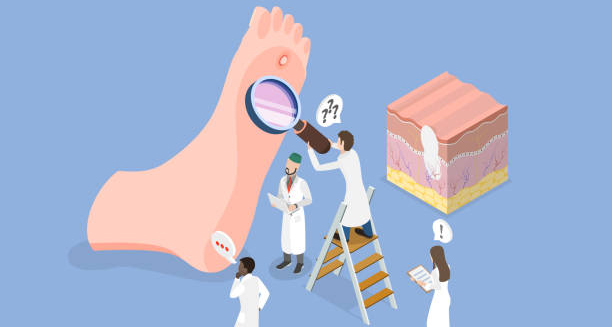
Illustration of doctors examining a foot with a magnifying glass to diagnose a corn, alongside a cross-section of skin.

Diagnosis of Corns

Diagnosis of Corns Diagnosis of corns is typically made through a simple clinical examination and patient history. In most cases, the appearance of the skin lesion and its location provide sufficient information for a correct diagnosis. Since corns can sometimes be confused with other foot conditions, such as calluses or plantar warts, an accurate assessment by a healthcare professional ensures proper treatment and avoids unnecessary complications. Patient History The clinician will ask about: Duration of the lesion and whether it has changed in size or appearance Footwear habits, including the use of tight or high-heeled shoes Activity level, such as prolonged standing or walking Previous treatments attempted Any underlying medical conditions, such as diabetes or arthritis A complete understanding of the patient’s lifestyle and health helps determine whether the corn is a result of mechanical pressure or a secondary issue. Physical Examination | Diagnosis of Corns A visual inspection of the foot is usually sufficient. The healthcare provider will assess: Location of the lesion Size and shape Depth of the hardened tissue Presence of a central core Skin condition around the lesion (e.g., redness, cracking, or moisture) A hard corn presents as a dense, well-defined bump, often over a bony prominence. Soft corns, located between the toes, appear white or grey due to constant moisture and may feel rubbery. Differential Diagnosis | Diagnosis of Corns It’s important to distinguish corns from other conditions: Calluses: Similar in appearance but broader, flatter, and less well-defined. Calluses typically occur on weight-bearing areas like the heels or balls of the feet. Plantar warts: Caused by a viral infection, warts may have black dots (clotted blood vessels) and cause pain when squeezed from the sides rather than pressed directly. Foreign bodies: Sometimes a splinter or embedded material can mimic a corn. If the diagnosis is uncertain or the lesion appears atypical, the doctor may refer the patient to a dermatologist or podiatrist for further evaluation. In rare cases, a skin biopsy might be performed to exclude more serious conditions such as skin cancer or a wart-related growth. In summary, diagnosis of corns relies heavily on clinical assessment. A thorough examination and medical history ensure accurate identification and guide appropriate treatment. [Next: Treatment of Corns →]

Diagnosis of Corns Read More »

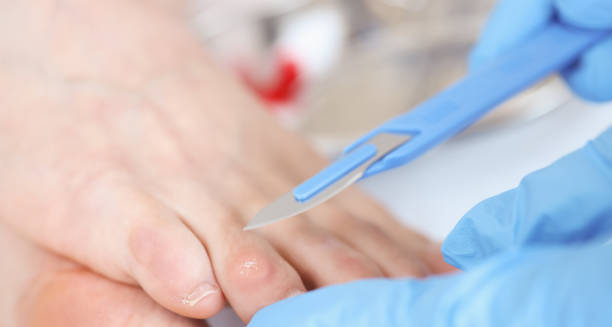
Close-up of a medical professional using a scalpel to remove a corn from a patient’s toe.

Treatment of Corns

Treatment of Corns Treatment of corns focuses on relieving pressure, removing the thickened skin, and preventing recurrence. Although some people try to treat corns at home, professional evaluation is often necessary—especially for those with diabetes, poor circulation, or persistent pain. Treatment may be conservative or, in severe cases, involve medical procedures or footwear changes. Self-Care and Home Treatments For mild or recent corns, the following strategies may help: Soaking the affected foot in warm water for 10–15 minutes to soften the skin Using a pumice stone or foot file to gently reduce the thickened area (avoid over-scraping) Applying moisturisers, especially products with urea, salicylic acid, or lactic acid to soften hardened skin Wearing properly fitting shoes with wide toe boxes to reduce pressure Using cushioned insoles or corn pads to protect the area and redistribute weight It’s important not to cut or shave corns at home, as this can lead to injury or infection, particularly in people with compromised immune systems. Over-the-Counter Treatments | Treatment of Corns There are many non-prescription treatments that can help: Salicylic acid patches or creams to chemically break down hardened skin (use with caution) Foam or silicone toe separators to relieve pressure between toes Protective pads to prevent friction while walking These should be used according to instructions, and any signs of irritation or worsening should prompt discontinuation. Professional Treatments Podiatrists or dermatologists can: Debride the corn using sterile instruments to remove the core and surrounding thick skin Prescribe stronger keratolytic creams for chronic or large corns Treat infections, if present, with antibiotics Provide custom orthotics to correct underlying biomechanical issues causing pressure Surgical Options | Treatment of Corns In rare cases where structural abnormalities cause recurrent corns, minor foot surgery may be recommended to realign bones or correct deformities like hammer toes. In conclusion, treatment of corns involves a combination of pressure relief, topical care, and sometimes professional intervention. Preventing further friction is key to long-term resolution. [Next: Complications and Recovery from Corns →]

Treatment of Corns Read More »

Close-up image of a foot showing a corn on a toe, highlighting potential complications and recovery.

Complications and Recovery from Corns

Complications and Recovery from Corns Complications and recovery from corns depend on their severity, how early treatment begins, and whether the underlying cause is addressed. Most corns are harmless and treatable, but if ignored or poorly managed, they can lead to chronic discomfort, skin breakdown, or secondary infections — particularly in at-risk populations like people with diabetes. Common Complications Pain and restricted mobility: Walking or wearing shoes may become uncomfortable, reducing activity levels and affecting quality of life. Skin breakdown: Persistent pressure and rubbing can cause ulceration or cracks in the skin, especially in elderly individuals or those with thin skin. Secondary infections: Open or poorly treated corns can become infected. Symptoms include increased redness, pus discharge, warmth, or swelling. Spread or recurrence: If the source of friction or pressure remains unaddressed, corns are likely to recur—even after professional removal. Special Considerations | Complications and Recovery from Corns People with diabetes, vascular disease, or nerve damage must take extra precautions. Even a minor corn can escalate into a serious ulcer if left untreated. These patients should avoid self-treatment and seek medical help promptly for any foot lesion. Recovery Timeline Mild cases: Corns may resolve within one to two weeks of pressure relief and skin care. Moderate to severe cases: Recovery may take longer, particularly if the corn is deep, infected, or has been present for an extended period. Post-treatment: After debridement or use of chemical removers, the skin may remain tender and require protection for a few days. Prevention and Long-Term Care | Complications and Recovery from Corns Wear well-fitting shoes with adequate cushioning and toe space Use orthotic supports to redistribute weight evenly Maintain foot hygiene and moisturise daily to prevent dry skin build-up Inspect feet regularly, especially if you are diabetic or have circulatory issues Rotate footwear to avoid constant pressure on the same areas In summary, complications and recovery from corns can be minimised through early treatment, ongoing foot care, and prevention of further friction. When addressed promptly, most people recover fully and enjoy pain-free mobility once again. [Next: Back to Overview →]

Complications and Recovery from Corns Read More »

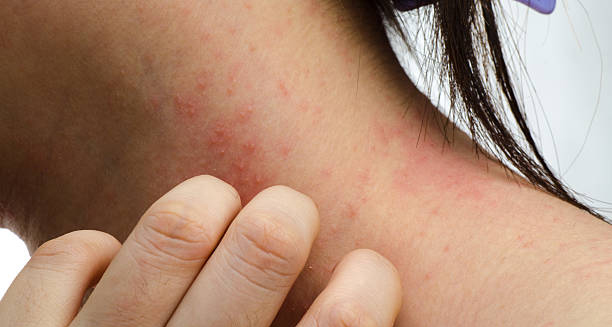
Close-up of a woman's hand scratching inflamed, itchy skin on her neck due to contact dermatitis.

Contact Dermatitis

Contact Dermatitis – Overview Contact dermatitis is a common inflammatory skin condition triggered by direct contact with an irritant or allergen. It results in red, itchy, and sometimes blistered or scaly skin. This can affect people of all ages and may appear on any part of the body, though it is most frequently seen on the hands, arms, face, and neck — areas most likely to come into contact with reactive substances. The condition occurs when the skin’s natural protective barrier is disrupted by either a chemical irritant or an allergen. Irritant this is caused by substances that physically damage the skin, such as detergents, solvents, or acids. Allergic contact dermatitis, on the other hand, occurs when the immune system overreacts to a harmless substance like nickel, fragrances, or certain preservatives, leading to a delayed hypersensitivity reaction. Contact Dermatitis This can develop suddenly or gradually, depending on the intensity and frequency of exposure. Some people may develop symptoms after a single high-dose exposure, while others may become sensitised after repeated contact over time. Though not contagious or life-threatening, the condition can be extremely uncomfortable and affect quality of life, especially if it becomes chronic. Prevention and management involve identifying and avoiding the offending agent, protecting the skin, and using topical treatments to reduce inflammation and itching. With appropriate care, most cases resolve completely within a few days to weeks. In summary, this is an inflammatory skin reaction caused by exposure to irritants or allergens. Early identification and avoidance of triggers are key to successful treatment and preventing recurrence. [Next: Causes of Contact Dermatitis →]

Contact Dermatitis Read More »

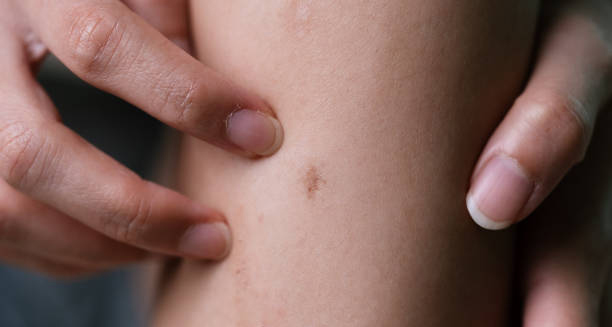
Close-up of a person's fingers scratching irritated skin, highlighting triggers of contact dermatitis.

Causes of Contact Dermatitis

Causes of Contact Dermatitis Causes of contact dermatitis fall into two main categories: irritant and allergic. Understanding the distinction is essential for identifying the specific triggers and developing an effective treatment plan. Both types result in the same visible symptoms, but the underlying mechanisms differ. Contact dermatitis arises when the skin’s barrier is compromised, either through direct injury or immune system activation. Irritant Contact Dermatitis This is the most common type, accounting for around 80% of cases. It occurs when the skin is exposed to substances that directly damage the outer layer of skin cells. These irritants may include: Soaps, detergents, and shampoos Solvents like acetone or alcohol Acids and alkalis Bleach and disinfectants Prolonged contact with water Irritant contact dermatitis tends to affect people in occupations involving frequent hand washing, such as healthcare workers, cleaners, and food handlers. It can occur quickly after a single strong exposure or gradually due to cumulative damage from repeated contact. Allergic Contact Dermatitis | Causes of Contact Dermatitis This form results from an immune reaction to a normally harmless substance, referred to as an allergen. Sensitisation usually takes days, weeks, or even months of exposure before symptoms appear. Common allergens include: Nickel in jewellery or belt buckles Fragrances and preservatives in cosmetics Rubber compounds in gloves or shoes Hair dyes (e.g. paraphenylenediamine or PPD) Certain plants, such as poison ivy or oak Once sensitised, even brief exposure to the allergen can trigger a flare-up. The reaction is typically delayed, appearing 24–72 hours after exposure. Combined Causes | Causes of Contact Dermatitis In some cases, people may suffer from both irritant and allergic contact dermatitis simultaneously. For example, a weakened skin barrier from repeated hand washing can make someone more susceptible to allergen penetration. To summarise, causes of contact dermatitis involve either direct damage from irritants or immune response to allergens. Identifying the specific cause is essential to eliminate exposure and tailor treatment, especially for individuals with occupational risks or chronic skin conditions. [Next: Symptoms of Contact Dermatitis →]

Causes of Contact Dermatitis Read More »

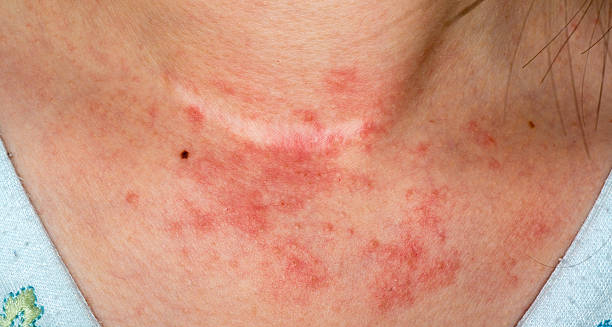
Close-up image of red, inflamed skin rash on the neck, a typical symptom of contact dermatitis

Symptoms of Contact Dermatitis

Symptoms of Contact Dermatitis Symptoms of contact dermatitis can vary in intensity and appearance depending on the severity of the reaction, the area of the body affected, and whether the cause is an irritant or an allergen. Regardless of the trigger, contact dermatitis leads to inflammation of the skin, which can cause significant discomfort and even impact daily activities or sleep in severe cases. General Symptoms Redness (erythema): Often the first visible sign, usually limited to the area of contact Itching (pruritus): Ranges from mild to intense and is especially common in allergic reactions Dryness and flaking: The skin may become rough and scaly, particularly in chronic or repeated exposure Swelling: Localised puffiness is a typical response to inflammation Blistering: In more severe cases, small fluid-filled blisters may form, which can ooze and crust over Burning or stinging sensation: Especially with irritant contact dermatitis The symptoms usually appear within minutes to hours of exposure in irritant contact dermatitis and may take 24–72 hours to develop in allergic contact dermatitis. The affected area is typically well-defined and corresponds to the contact site. For example, reactions from jewellery often appear on the neck, ears, or wrists, while hand dermatitis is common among people exposed to soaps or chemicals. Chronic Symptoms | Symptoms of Contact Dermatitis If the skin is repeatedly exposed to the triggering substance, the dermatitis can become chronic. Chronic contact dermatitis may result in: Thickened skin (lichenification) Cracks or fissures that bleed Pigment changes, with darkening or lightening of the skin Chronic symptoms can also become more widespread and difficult to manage if the inflammation persists or spreads through scratching. Secondary Infections | Symptoms of Contact Dermatitis Open blisters or broken skin may become infected with bacteria such as Staphylococcus aureus, leading to yellow crusting, pain, and swelling. In such cases, antibiotics may be needed. In conclusion, symptoms of contact dermatitis range from mild redness and itching to severe blistering and cracking. Early recognition and avoidance of the offending agent help prevent worsening of the condition and improve quality of life. [Next: Diagnosis of Contact Dermatitis →]

Symptoms of Contact Dermatitis Read More »

Medical professional performing a skin swab test on a patient's hand to diagnose contact dermatitis.

Diagnosis of Contact Dermatitis

Diagnosis of Contact Dermatitis Diagnosis of contact dermatitis begins with a detailed medical history and physical examination. Because contact dermatitis can mimic other skin conditions, such as eczema or psoriasis, accurate analysis is essential for effective treatment. Identifying the specific trigger is the key to managing and preventing future flare-ups. History and Clinical Assessment Your healthcare provider will ask about: Recent exposures to chemicals, cosmetics, plants, or metals Work and hobby-related risks Use of soaps, detergents, and skincare products Onset, duration, and pattern of symptoms Whether the condition improves or worsens with time or certain environments The location and shape of the rash can offer clues. For example, a reaction around the wrist may indicate an allergy to a watch strap, while widespread hand dermatitis may suggest an irritant like soap or detergent. Physical Examination | Diagnosis of Contact Dermatitis The clinician will inspect the skin for signs such as: Erythema (redness) Scaling or dryness Blisters or crusting Sharp boundaries or geometric shapes that suggest external contact Patch Testing Doctors use patch testing as the gold standard when they suspect allergic contact dermatitis. Doctors apply small amounts of common allergens to the skin on the back using adhesive patches. Patches stay on for 48 hours, and doctors monitor the skin for delayed reactions over the following days. Patch testing can help confirm allergies to: Metals (nickel, cobalt) Preservatives (formaldehyde, parabens) Fragrances Rubber and latex Hair dyes (PPD) This test does not diagnose irritant contact dermatitis, which is usually diagnosed based on history and exclusion of allergy. Additional Tests | Diagnosis of Contact Dermatitis If an infection is suspected, a skin swab may be taken to identify bacterial involvement. In rare or difficult cases, a skin biopsy may help rule out other conditions like psoriasis or fungal infections. To summarise, diagnosis of contact dermatitis relies on a detailed history, visual inspection, and testing when necessary. Accurate identification of triggers enables targeted treatment and long-term prevention. [Next: Treatment of Contact Dermatitis →]

Diagnosis of Contact Dermatitis Read More »

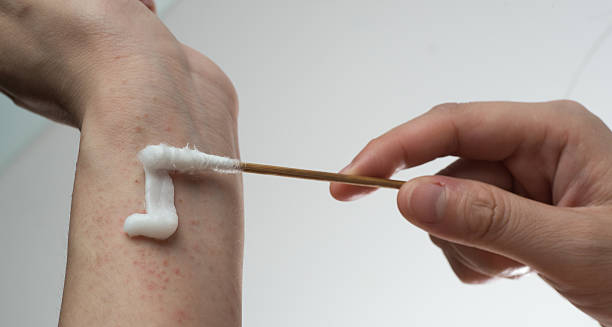
Applying topical cream to an irritated wrist showing signs of contact dermatitis.

Treatment of Contact Dermatitis

Treatment of Contact Dermatitis Treatment of contact dermatitis focuses on relieving symptoms, healing the skin, and preventing future flare-ups. Successful management of contact dermatitis depends largely on identifying and avoiding the triggering substance. Once the source is removed, most cases resolve with appropriate skincare and medical intervention. Avoidance of Triggers The most critical step is identifying the cause and stopping further exposure. This may involve: Replacing metal jewellery with hypoallergenic alternatives Switching to fragrance-free skincare or cleaning products Wearing gloves during exposure to irritants Avoiding specific plants or occupational materials In allergic contact dermatitis, complete avoidance of the allergen is necessary, even in trace amounts. Patch testing results are often used to provide a list of safe products. Topical Treatments | Treatment of Contact Dermatitis For mild to moderate dermatitis, the following treatments are commonly prescribed: Topical corticosteroids (e.g. hydrocortisone or betamethasone): Reduce redness, swelling, and itching Emollients and moisturisers: Restore the skin’s barrier and prevent dryness Barrier creams: Offer protection in occupations with unavoidable exposure It’s essential to apply moisturiser frequently, especially after washing hands or bathing, to prevent skin from cracking or drying out. Oral Medications In more severe cases, oral medications may be necessary: Antihistamines: Help relieve intense itching, especially at night Oral corticosteroids: Used for widespread or blistering dermatitis, but only short-term due to side effects Treating Infections | Treatment of Contact Dermatitis If a secondary bacterial infection develops, antibiotics (topical or oral) may be required. Signs include increased redness, pain, pus, or yellow crusting. Education and Follow-Up Patient education is vital. Understanding how to read product labels, identify potential triggers, and maintain a healthy skincare routine helps prevent recurrences. Regular follow-up is especially important in chronic cases or those affecting work performance. In conclusion, treatment of contact dermatitis is highly effective when combined with avoidance of the offending agent. With the right approach, symptoms can be controlled and skin integrity restored. [Next: Complications and Recovery from Contact Dermatitis →]

Treatment of Contact Dermatitis Read More »

Complications and Recovery from Contact Dermatitis

Complications and Recovery from Contact Dermatitis

Complications and Recovery from Contact Dermatitis Complications and recovery from contact dermatitis depend on the severity of the reaction, the duration of exposure, and how quickly treatment is started. While contact dermatitis is usually a manageable condition, prolonged or repeated exposure can lead to more serious consequences that require ongoing care or medical intervention. Possible Complications Chronic dermatitis: Ongoing inflammation can lead to thickened, cracked skin, known as lichenification, which may persist even after the trigger is removed Secondary infections: Scratching broken skin introduces bacteria, leading to impetigo or cellulitis. Symptoms include increased redness, swelling, pus, or pain Post-inflammatory hyperpigmentation: After healing, some patients experience darkened or lightened patches of skin, particularly in individuals with darker complexions Impaired daily functioning: Severe hand or facial dermatitis may interfere with work, especially in jobs involving frequent contact with water or chemicals In some occupations, chronic contact dermatitis can lead to long-term work restrictions or disability. It may also contribute to psychological stress, anxiety, or embarrassment due to visible skin symptoms. Recovery Timeline Mild cases usually improve within a few days once the irritant or allergen is removed Moderate to severe cases may take 2–4 weeks to heal, depending on the extent of skin damage and whether secondary infection occurs Chronic dermatitis requires long-term management with regular moisturising, barrier protection, and periodic use of topical treatments Preventive Measures | Complications and Recovery from Contact Dermatitis Use mild, fragrance-free soaps and detergents Wear protective gloves or clothing when handling known irritants Apply moisturisers regularly to maintain the skin barrier Read ingredient labels carefully and avoid known allergens Follow a skincare routine that supports healing and prevents recurrence In conclusion, complications and recovery from contact dermatitis can range from minor irritation to chronic skin conditions that significantly affect quality of life. With early treatment and careful management, most people recover fully and can prevent future flare-ups. [Next: Back to Overview →]

Complications and Recovery from Contact Dermatitis Read More »

Scroll to Top