Mental Matters

Author name: admin

Healthcare professional assisting an elderly man with physical therapy exercises, supporting treatment for corticobasal degeneration.

Treatment of Corticobasal Degeneration

Treatment of Corticobasal Degeneration Treatment of corticobasal degeneration focuses on managing symptoms, as there is currently no cure or disease-modifying therapy. A multidisciplinary approach involving neurologists, physiotherapists, occupational therapists, and speech-language pathologists is essential to address the wide range of issues caused by corticobasal degeneration. Medication Although medications cannot stop disease progression, they can help relieve some of the symptoms: Levodopa or dopamine agonists may offer limited relief from stiffness or tremor but are usually less effective than in Parkinson’s disease. Muscle relaxants or botulinum toxin injections may reduce dystonia or painful muscle contractions. Antidepressants or anxiolytics can be prescribed to manage emotional or behavioural symptoms such as depression or anxiety. Antiepileptic medications are sometimes used to reduce limb jerking or myoclonus. Physical and Occupational Therapy These therapies play a critical role in maintaining mobility and independence: Physiotherapy helps improve balance, gait, and flexibility Occupational therapy focuses on adapting daily activities and using assistive devices to reduce strain and enhance function Hand therapy may help with fine motor tasks and reduce rigidity in the hands Speech and Language Therapy As speech and swallowing become affected, speech therapists assist with: Voice exercises to slow deterioration Alternative communication tools for severe cases Swallowing strategies or modifications to prevent choking Nutritional Support | Treatment of Corticobasal Degeneration Dieticians may recommend food texture changes and nutritional supplements to prevent weight loss or dehydration. In advanced cases, a feeding tube may be considered. Supportive Equipment Walking aids, braces, or adapted utensils improve daily functioning Home modifications such as grab bars or stair lifts may enhance safety Palliative and Emotional Support | Treatment of Corticobasal Degeneration Psychological counselling, social support, and palliative care planning help improve quality of life for both patients and carers. In summary, treatment of corticobasal degeneration is symptom-driven and requires a holistic care team. Though the disease cannot be reversed, consistent therapy and support can prolong independence and comfort. [Next: Complications and Recovery from Corticobasal Degeneration →]

Treatment of Corticobasal Degeneration Read More »

Elderly woman in a wheelchair looking out a window, symbolising mobility challenges related to corticobasal degeneration.

Complications and Recovery from Corticobasal Degeneration

Complications and Recovery from Corticobasal Degeneration Complications and recovery from corticobasal degeneration are influenced by the progressive nature of the disease. While there is no known recovery or reversal of symptoms, targeted interventions can slow functional decline, ease discomfort, and help individuals live as independently as possible. Because corticobasal degeneration affects both movement and cognition, complications can involve nearly every aspect of daily life. Physical Complications | Complications and Recovery from Corticobasal Degeneration Loss of mobility: As stiffness and apraxia worsen, walking becomes difficult, often requiring walking aids or wheelchairs. Falls and injuries: Poor balance and coordination increase the risk of falls, fractures, or head trauma. Contractures: Prolonged muscle tightness can lead to joint deformities and reduced range of motion. Speech and swallowing problems: These can lead to malnutrition, aspiration pneumonia, or communication barriers. Cognitive and Behavioural Decline Memory loss, confusion, or apathy may result in: Difficulty managing finances or medication Wandering or getting lost Emotional distress, affecting both the patient and caregivers Social withdrawal due to embarrassment or frustration Psychological Impact Depression, anxiety, and caregiver burnout are common. Professional counselling and support groups can help families navigate the emotional toll of a progressive illness. Late-Stage Complications In advanced stages, individuals may become bedridden and fully dependent. Common complications include: Infections, such as pneumonia or urinary tract infections Bedsores from prolonged immobility Respiratory failure in extreme cases Life Expectancy and Prognosis On average, individuals live 6 to 8 years after the onset of symptoms, although this varies. While recovery from corticobasal degeneration is not possible, quality of life can be significantly improved through supportive care and proactive management. Long-Term Care Planning | Complications and Recovery from Corticobasal Degeneration Families are encouraged to plan for future care needs early, including legal, financial, and palliative care decisions. Early engagement with neurologists and care teams ensures better preparation for the later stages of the disease. In conclusion, complications and recovery from corticobasal degeneration are part of a gradual decline, but timely interventions and a strong support system can maximise comfort, safety, and dignity throughout the disease journey. [Next: Back to Overview →]

Complications and Recovery from Corticobasal Degeneration Read More »

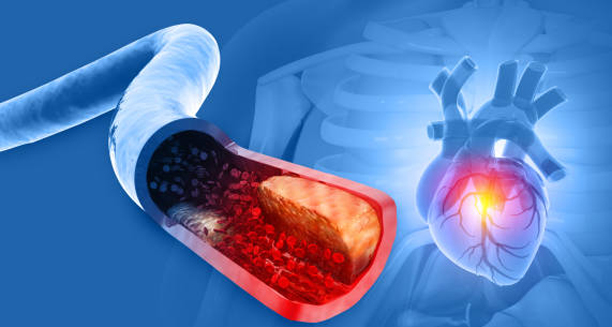
Medical illustration showing plaque buildup in an artery leading to the heart, representing coronary heart disease.

Coronary Heart Disease

Coronary Heart Disease – Overview Coronary heart disease is a condition where the blood vessels supplying the heart muscle—known as the coronary arteries—become narrowed or blocked due to the build-up of fatty deposits called plaque. This restricts blood flow to the heart, which can lead to chest pain, shortness of breath, heart attacks, or even sudden cardiac death. This disease is the leading cause of death globally and a major contributor to illness and disability in both men and women. The heart needs a constant supply of oxygen-rich blood to function efficiently. When plaque—made up of cholesterol, fatty substances, and cellular waste—accumulates on the inner walls of the arteries, it creates a condition known as atherosclerosis. This narrows the artery and reduces blood flow. In some cases, the plaque may rupture, forming a clot that completely blocks the artery, resulting in a heart attack. Coronary Heart Disease Lifestyle factors such as a poor diet, lack of exercise, smoking, and chronic stress play a major role in the development of this disease. Genetic predisposition and underlying medical conditions like diabetes, high blood pressure, and high cholesterol further increase the risk. Symptoms may be silent in the early stages but typically progress over time. Common warning signs include angina (chest pain), fatigue, palpitations, and difficulty breathing during exertion. In summary, this disease refers to the narrowing or blockage of coronary arteries due to plaque build-up. Left untreated, it can have serious and life-threatening consequences. Early diagnosis, lifestyle changes, and proper medical treatment can significantly reduce the risk of complications. [Next: Causes of Coronary Heart Disease →]

Coronary Heart Disease Read More »

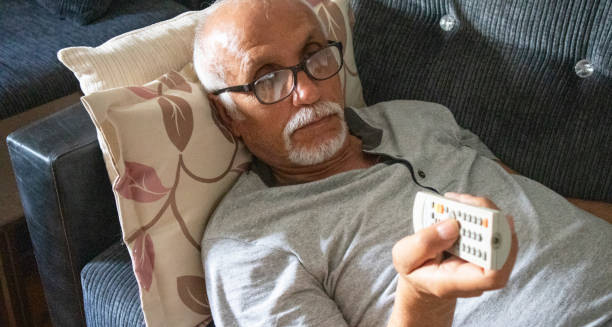
Elderly man lying on a couch with a remote control, symbolising inactivity as a risk factor for coronary heart disease.

Causes of Coronary Heart Disease

Causes of Coronary Heart Disease Causes of coronary heart disease are primarily linked to atherosclerosis—a condition where fatty deposits build up on the inner lining of the coronary arteries. These deposits, known as plaques, consist of cholesterol, calcium, and cellular debris. Over time, coronary heart disease develops as these plaques thicken and restrict blood flow to the heart muscle, reducing oxygen supply and increasing the risk of heart attacks. Lifestyle Factors Smoking is one of the most significant preventable causes. It damages the artery walls and accelerates plaque formation. Unhealthy diet, particularly one high in saturated fats, trans fats, and refined sugars, contributes to high cholesterol levels, which directly lead to plaque development. Physical inactivity reduces cardiovascular efficiency and contributes to weight gain and insulin resistance. Chronic stress leads to increased blood pressure and promotes behaviours such as overeating or smoking. Medical Conditions | Causes of Coronary Heart Disease Several pre-existing health issues are known to contribute to the onset of coronary heart disease: High blood pressure puts constant strain on the artery walls, making them more susceptible to damage and plaque accumulation. High cholesterol levels, especially LDL (“bad”) cholesterol, are strongly associated with atherosclerosis. Type 2 diabetes increases inflammation in the arteries and promotes the formation of plaques. Obesity, especially central obesity (fat around the waist), is associated with higher triglyceride levels and insulin resistance. Genetics and Age | Causes of Coronary Heart Disease A family history of coronary heart disease increases individual risk, especially if a close relative was diagnosed at a young age. Ageing naturally stiffens arteries and contributes to wear and tear, raising the likelihood of plaque build-up. Hormonal and Other Factors Postmenopausal women are at increased risk due to a drop in oestrogen levels. Sleep apnoea, autoimmune diseases, and chronic inflammation can also exacerbate the risk. To summarise, causes of coronary heart disease are multifactorial, involving both lifestyle habits and underlying medical conditions. Prevention and early management of these risk factors are critical to reducing the development and progression of the disease. [Next: Symptoms of Coronary Heart Disease →]

Causes of Coronary Heart Disease Read More »

Woman clutching her chest in discomfort, showing a common symptom of coronary heart disease.

Symptoms of Coronary Heart Disease

Symptoms of Coronary Heart Disease Symptoms of coronary heart disease vary depending on how far the disease has progressed. Some individuals may remain asymptomatic for years, while others may experience warning signs early on. In most cases, these symptoms become noticeable when the heart muscle is deprived of enough oxygen-rich blood, especially during physical activity or stress. Common Symptoms Chest pain or discomfort (angina): A hallmark symptom of coronary heart disease, angina often feels like pressure, tightness, or burning in the chest. It may radiate to the arms, neck, jaw, or back and is usually triggered by exertion or stress, resolving with rest. Shortness of breath: Due to reduced blood flow, the heart cannot pump efficiently, leading to breathlessness during activity or while lying flat. Fatigue: As the body compensates for reduced oxygen delivery, individuals may feel tired or weak, particularly after minor exertion. Palpitations: Irregular heartbeats or a racing heart may indicate compromised heart function. Dizziness or lightheadedness: Poor circulation may affect the brain, causing feelings of faintness. Heart Attack Symptoms In more advanced cases, a complete blockage can result in a heart attack (myocardial infarction), which may present with: Intense, persistent chest pain Sweating Nausea or vomiting Severe anxiety or a sense of impending doom Pain radiating to the arm, neck, or jawWomen may experience less typical symptoms such as abdominal pain, extreme fatigue, or back pain. Silent Ischaemia | Symptoms of Coronary Heart Disease Some people—especially those with diabetes—may experience silent coronary heart disease, where reduced blood flow occurs without any pain. These cases are often detected only through routine ECGs or stress tests. In summary, symptoms of coronary heart disease may range from mild discomfort to severe, life-threatening events. Recognising early warning signs is crucial for timely diagnosis and treatment, potentially saving lives. [Next: Diagnosis of Coronary Heart Disease →]

Symptoms of Coronary Heart Disease Read More »

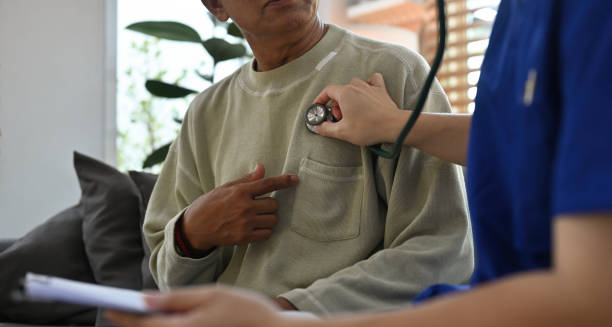
Doctor using a stethoscope to examine an elderly man’s chest, checking for signs of coronary heart disease.

Diagnosis of Coronary Heart Disease

Diagnosis of Coronary Heart Disease Diagnosis of coronary heart disease involves a combination of medical history evaluation, physical examination, blood tests, and advanced cardiac imaging. Since coronary heart disease can be silent in its early stages, routine screening and early detection are essential—especially in individuals with risk factors such as smoking, diabetes, or a family history of heart problems. Medical History and Physical Examination The diagnostic process usually starts with a thorough discussion about: Symptoms such as chest pain, fatigue, or shortness of breath Family history of cardiovascular conditions Lifestyle habits including diet, exercise, smoking, and alcohol intake Existing medical conditions like hypertension or diabetes A physical examination may reveal: High blood pressure Irregular heartbeat Swelling in the legs or ankles due to poor circulation Blood Tests | Diagnosis of Coronary Heart Disease Laboratory testing is used to assess risk and identify underlying contributors: Cholesterol levels: High LDL cholesterol and low HDL cholesterol are significant indicators of atherosclerosis Blood glucose: Elevated levels suggest diabetes or prediabetes High-sensitivity C-reactive protein (hs-CRP): Indicates inflammation that may be associated with plaque formation Electrocardiogram (ECG) An ECG records the heart’s electrical activity and can detect irregular rhythms, previous heart attacks, or current damage to the heart muscle. Exercise Stress Test Also called a treadmill test, this involves monitoring the heart while exercising. It helps identify reduced blood flow to the heart during exertion, which may indicate blocked arteries. Imaging Tests | Diagnosis of Coronary Heart Disease Echocardiogram: Uses ultrasound to create images of the heart’s structure and assess its function Coronary angiography: Involves injecting contrast dye into the coronary arteries and taking X-rays to identify blockages CT coronary angiography: A non-invasive scan that provides detailed images of the arteries and can detect plaque build-up Advanced Tests In some cases, more detailed testing may include MRI, nuclear scans, or blood flow assessments. In summary, diagnosis of coronary heart disease requires a multifaceted approach. Early detection allows for effective intervention to slow disease progression and reduce the risk of serious complications like heart attacks. [Next: Treatment of Coronary Heart Disease →]

Diagnosis of Coronary Heart Disease Read More »

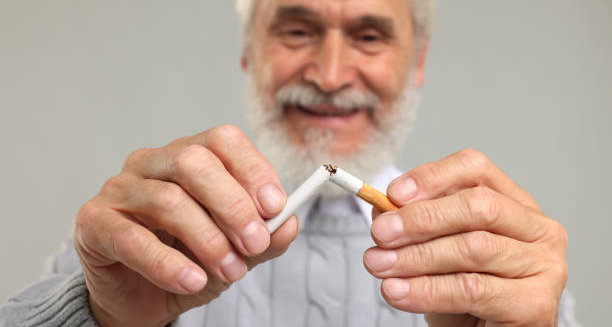
Smiling elderly man breaking a cigarette in half, symbolising smoking cessation as part of coronary heart disease treatment.

Treatment of Coronary Heart Disease

Treatment of Coronary Heart Disease Treatment of coronary heart disease aims to restore blood flow to the heart, manage symptoms, and prevent future complications such as heart attacks or heart failure. Depending on the severity, coronary heart disease can be treated through lifestyle modifications, medication, and in some cases, surgical procedures. The goal is long-term control of risk factors and improved quality of life. Lifestyle Changes Adopting a heart-healthy lifestyle is fundamental: Diet: Reduce intake of saturated fats, trans fats, salt, and processed sugar. Incorporate fruits, vegetables, whole grains, lean proteins, and healthy fats. Exercise: Engage in at least 150 minutes of moderate aerobic activity per week (e.g. brisk walking, cycling). Quit smoking: Stopping tobacco use significantly lowers the risk of further artery damage. Weight management: Maintaining a healthy weight reduces strain on the heart and improves blood pressure and cholesterol levels. Stress reduction: Techniques such as meditation, yoga, and therapy can lower stress hormones that affect heart health. Medications | Treatment of Coronary Heart Disease Several medications are prescribed to manage symptoms and slow disease progression: Statins: Lower cholesterol and stabilise plaque Beta-blockers: Reduce heart rate and lower blood pressure ACE inhibitors: Improve blood flow and reduce strain on the heart Antiplatelets (e.g. aspirin): Prevent blood clots Nitrates: Alleviate angina by dilating blood vessels Surgical and Interventional Procedures For advanced cases, procedures may be required: In angioplasty, doctors use a balloon to open a blocked artery, then insert a stent to keep it open. In coronary artery bypass graft (CABG) surgery, doctors use a healthy artery or vein to bypass a blocked section of a coronary artery. Cardiac Rehabilitation | Treatment of Coronary Heart Disease A supervised programme involving exercise, education, and support to help patients recover and prevent further episodes. In conclusion, treatment of coronary heart disease is multifaceted and requires a combination of lifestyle changes, medications, and in some cases, surgical interventions. With consistent care, many individuals can manage their symptoms and significantly reduce the risk of future cardiac events. [Next: Complications and Recovery from Coronary Heart Disease →]

Treatment of Coronary Heart Disease Read More »

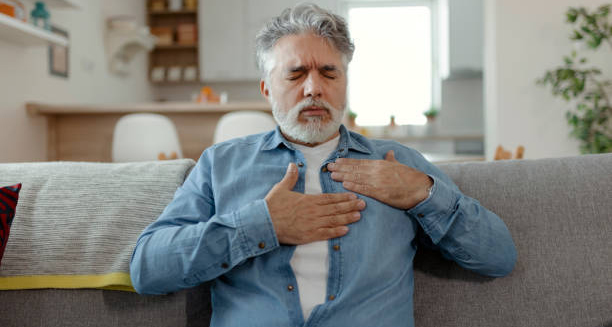
Elderly man clutching his chest in discomfort while sitting on a couch, indicating heart-related complications.

Complications and Recovery from Coronary Heart Disease

Complications and Recovery from Coronary Heart Disease Complications and recovery from coronary heart disease depend on how early the condition is detected and how effectively it is managed. While coronary heart disease can be life-threatening, prompt intervention and long-term care can dramatically improve outcomes and quality of life. Left unmanaged, the condition can progress to severe complications affecting not just the heart but other organs as well. Potential Complications Heart attack (myocardial infarction): A complete blockage of a coronary artery causes heart muscle tissue to die, leading to permanent damage and sometimes sudden death. Heart failure: When the heart becomes too weak to pump blood efficiently, fluid can accumulate in the lungs and extremities. Arrhythmias: Abnormal heart rhythms can cause fainting, dizziness, or even cardiac arrest. Angina: Persistent chest pain that limits physical activity and affects quality of life. Sudden cardiac death: In severe cases, an electrical malfunction in the heart can cause the heart to stop without warning. Recovery After an Event Recovery depends on the type and severity of the event: After a heart attack, hospitalisation and a structured rehabilitation programme are essential. Ongoing medication adherence is crucial to prevent recurrence. Regular monitoring of heart function through follow-up visits, ECGs, and blood tests is part of ongoing care. Lifestyle During Recovery Physical activity should be resumed gradually under medical supervision. A balanced diet and ongoing smoking cessation are vital. Mental health support is often necessary, as heart disease is associated with increased rates of depression and anxiety. Long-Term Management | Complications and Recovery from Coronary Heart Disease Routine check-ups with a cardiologist Blood pressure and cholesterol monitoring Periodic stress testing or imaging if symptoms return In conclusion, complications and recovery from coronary heart disease can range from mild to life-altering. However, with early treatment, medication, and lifestyle adjustments, most individuals can regain normal function and dramatically reduce the risk of future cardiac events. [Next: Back to Overview →]

Complications and Recovery from Coronary Heart Disease Read More »

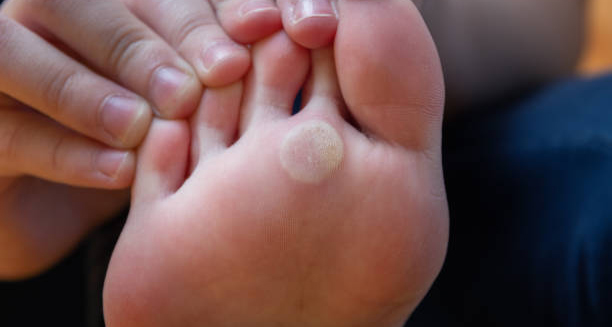
Close-up of a foot with a visible corn on the sole, showing thickened, hardened skin.

Corns

Corns – Overview Corns are thickened areas of skin that develop as a protective response to pressure or friction, typically on the feet or toes. These small, circular areas of hardened skin can be painful when pressed and often form over bony prominences or joints. These are common in people who wear tight shoes, walk frequently, or have underlying foot abnormalities such as bunions or hammer toes. The development of this condition occurs as a result of the body’s natural defence mechanism. When skin experiences repeated friction or pressure, it responds by producing more keratin, a protein that forms a hard layer to protect underlying tissue. Over time, this build-up can become a compact, cone-shaped core that presses into the skin, causing discomfort or pain—especially when walking or wearing shoes. Corns – Overview There are several types of this condition, including hard cases, which are the most common and usually appear on the tops of toes; soft corns, which form between the toes and remain pliable due to moisture; and seed corns, which are tiny and usually painless, found on the bottom of the feet. Corns are not contagious, but they can significantly affect mobility and quality of life if not managed properly. While mild cases may resolve with lifestyle changes and footwear modifications, persistent or painful cases may require medical intervention from a podiatrist or dermatologist. In summary, these are small, painful, thickened areas of skin that form in response to repeated pressure or friction. Preventing this involves proper footwear, foot hygiene, and addressing any underlying foot deformities. [Next: Causes of Corns →]

Corns Read More »

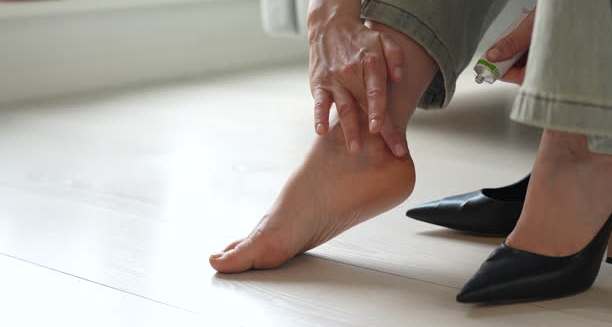
Woman rubbing her foot after removing tight high-heeled shoes, a common cause of corns.

Causes of Corns

Causes of Corns Causes of corns are primarily related to excessive pressure or repeated friction on specific areas of the feet. The skin responds to this mechanical stress by forming a protective layer of thickened skin, which, over time, compacts and develops into a corn. While corns themselves are not a disease, they are often a symptom of an underlying biomechanical issue or poor footwear choices. Footwear One of the most common causes is ill-fitting shoes. Tight shoes, especially those with a narrow toe box or high heels, squeeze the toes and create pressure points. On the other hand, shoes that are too loose may cause the foot to slide around, increasing friction. High-heeled shoes also shift weight to the front of the foot, placing excessive stress on the toes. Foot Abnormalities Foot deformities such as bunions, hammer toes, and claw toes change the alignment of the foot, causing certain areas to bear more pressure. This uneven distribution of weight increases the likelihood of corns forming on protruding joints or overlapping toes. Gait Issues | Causes of Corns People who have an abnormal walking pattern or uneven weight distribution may experience excessive pressure on certain parts of the feet. Over time, this pressure results in localised thickening of the skin. Conditions like flat feet, high arches, or leg length discrepancies may contribute to this imbalance. Manual Labour and Activity Activities that involve prolonged standing, walking, or carrying heavy loads can contribute to corn formation, especially when performed in inadequate footwear. Runners and athletes are also prone to corns due to repetitive stress on specific foot areas. Lack of Socks or Protective Padding | Causes of Corns Wearing shoes without socks or using socks that are too thin or poorly fitted can result in additional friction. Socks serve as a barrier that reduces the rubbing between shoes and the skin. To summarise, causes of corns include improper footwear, foot deformities, biomechanical abnormalities, and repetitive friction or pressure. Identifying and addressing the cause is essential for preventing corns from recurring and for relieving discomfort effectively. [Next: Symptoms of Corns →]

Causes of Corns Read More »

Scroll to Top