Mental Matters

Author name: admin

Close-up of a man pointing to a cold sore on his lip

Symptoms of Cold Sores

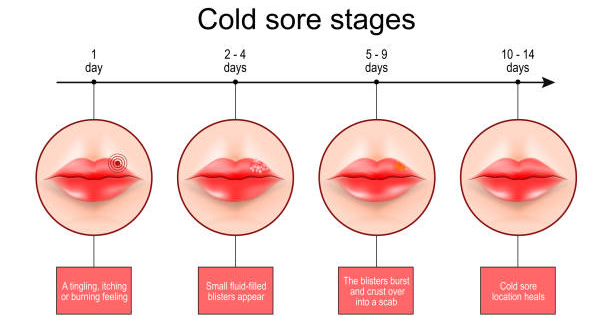
Symptoms of Cold Sores Symptoms of cold sores often develop in a well-defined sequence, making them relatively easy to identify, particularly in individuals who have experienced previous outbreaks. The initial indication of an oncoming sore is a tingling, itching, or burning sensation at the site where the blister will eventually form. This pre-blister phase, called the prodrome, may last several hours or up to a day. Shortly after the prodrome, small, fluid-filled blisters begin to appear—typically on the lips, corners of the mouth, or the skin surrounding the mouth. These blisters may be painful and tender to the touch. Over the next few days, the blisters rupture, leaking fluid and forming shallow, painful sores. These open sores then dry out, crust over with a yellow or brown scab, and gradually heal without scarring. Typical cold sores follow this cycle over the course of 7 to 10 days: Accompanying symptoms may include: These additional symptoms are more common during a person’s first outbreak, which is typically more severe than subsequent ones. Symptoms of Cold Sores In some cases, cold sores may occur inside the nose, on the gums, or on the roof of the mouth. These can be mistaken for canker sores, but the two conditions are different—canker sores are non-viral, non-contagious, and usually occur inside the mouth only. People with weakened immune systems may experience larger or longer-lasting outbreaks, and in rare cases, the virus can spread to the eyes (causing ocular herpes) or brain (causing encephalitis). Such complications are serious and require immediate medical attention. Symptoms of Cold Sores Cold sores can also affect psychological well-being, especially when outbreaks occur frequently or affect appearance. Many individuals report embarrassment, anxiety, or lowered self-esteem during visible outbreaks. In conclusion, the symptoms of cold sores follow a predictable pattern that includes early warning signs, blistering, and healing. Recognising the stages allows for timely intervention, which can reduce both the severity and duration of outbreaks. [Next: Diagnosis of Cold Sores →]

Symptoms of Cold Sores Read More »

Cold sore development stages on lips over 14 days

Diagnosis of Cold Sores

Diagnosis of Cold Sores Diagnosis of cold sores is usually made through visual examination and a review of symptoms. In most cases, doctors can identify cold sores based on their appearance, location, and progression without needing lab tests. The presence of tingling or burning before the outbreak. Combined with recurring lesions on or near the lips, makes the diagnosis straightforward. During a clinical evaluation, the healthcare provider may ask about previous occurrences, known triggers, and the duration of symptoms. They’ll also ask whether the patient is immunocompromised or if there’s any risk of severe complications. Especially in children, pregnant women, or people with weakened immune systems. In certain cases—particularly when the sores are atypical in appearance, severe, or resistant to treatmen. Lab tests may be ordered to confirm the diagnosis. These tests include: Diagnosis of Cold Sores Serological blood tests can detect antibodies to HSV-1 or HSV-2, which may be useful in some cases, especially if the patient is unsure whether they’ve been previously exposed to the virus. However, blood tests cannot determine the exact site of infection or confirm whether the virus is causing the current symptoms. For individuals with frequent outbreaks, identifying personal triggers can be part of the diagnostic process. Keeping a symptom diary that includes diet, stress levels, weather exposure, and sleep habits can help pinpoint specific reactivation causes. Diagnosis of Cold Sores In immunocompromised individuals or those with complications like ocular herpes, more in-depth diagnostic procedures may be necessary, including ophthalmological exams or referral to a specialist. Ultimately, the diagnosis of cold sores relies heavily on recognising patterns and symptoms, with testing reserved for complicated or uncertain cases. Early diagnosis ensures faster treatment, reduces the chance of spreading the virus, and can prevent serious complications in at-risk groups. [Next: Treatment of Cold Sores →]

Diagnosis of Cold Sores Read More »

Woman applying cream to cold sore on lip

Treatment of Cold Sores

Treatment of Cold Sores Treatment of cold sores aims to relieve symptoms, speed up healing, and reduce the risk of future outbreaks. Although there is no cure for HSV-1, effective treatments exist that can shorten the duration of symptoms and provide long-term management for recurrent cold sores. Topical treatments are often the first choice. These include antiviral creams like aciclovir or penciclovir, which work best when applied at the first sign of tingling or itching. When started early, they can reduce blister formation and speed up healing. Over-the-counter options containing ingredients like lidocaine or benzocaine may also help relieve pain and discomfort. Treatment of Cold Sores Oral antiviral medications, such as aciclovir, valaciclovir, and famciclovir, are more effective for moderate to severe cases or for those who suffer frequent outbreaks. These tablets may be prescribed during an active outbreak or used preventively for those with recurring cold sores. Long-term daily suppressive therapy can be highly beneficial for individuals with more than six outbreaks per year. Supportive measures also play a vital role. These include: Preventing the spread of cold sores is equally important. Patients should avoid kissing, sharing utensils, or engaging in oral sex during outbreaks. Hand hygiene is crucial, as the virus can spread through contact with sores or contaminated surfaces. Treatment of Cold Sores Emerging treatments such as laser therapy and immune-boosting supplements are being explored, though more research is needed to confirm their effectiveness. Some natural remedies, including lemon balm and lysine supplements, have shown promise for mild cases, but they should never replace proven medical treatments. In conclusion, the treatment of cold sores is focused on antiviral medications, topical relief, and trigger management. When approached early and with consistency, most people can manage outbreaks effectively and reduce both frequency and intensity. [Next: Complications and Recovery from Cold Sores →]

Treatment of Cold Sores Read More »

Close-up of a woman’s lips with highlighted cold sore area

Complications and Recovery from Cold Sores

Complications and Recovery from Cold Sores Complications and recovery from cold sores are usually straightforward in healthy individuals, but cold sores can cause more serious problems under certain conditions. While most people recover fully within 7 to 10 days without any treatment, some face complications that require medical intervention. The most common complication is secondary bacterial infection. If a cold sore is scratched, picked at, or exposed to bacteria, the skin can become infected. This may lead to increased redness, pus, swelling, and delayed healing. In such cases, antibiotics may be prescribed to clear the infection. Complications and Recovery from Cold Sores In rare cases, HSV-1 can spread to other areas, including the eyes, fingers (herpetic whitlow), or brain. Ocular herpes can cause vision-threatening conditions like corneal ulcers, requiring urgent specialist care. Herpes encephalitis, though extremely rare, can be life-threatening and requires immediate hospitalisation and intravenous antiviral treatment. For people with weakened immune systems, including those with HIV, undergoing chemotherapy, or post-organ transplant, cold sores can be more extensive, persistent, and painful. These individuals may need intravenous antivirals and closer medical supervision. Babies under six weeks of age are also at higher risk of severe complications if exposed to HSV-1. Neonatal herpes can affect the brain, liver, and lungs, and is considered a medical emergency. Caregivers with active cold sores should avoid kissing newborns or handling them without washing their hands. Complications and Recovery from Cold Sores Recovery from cold sores typically occurs in phases: prodrome, blistering, rupture, crusting, and healing. Most sores heal without scarring unless the area is scratched or becomes infected. Moisturising creams and lip balms can aid healing and reduce cracking. To avoid recurrence, individuals should: In summary, complications and recovery from cold sores are usually uncomplicated for healthy individuals. However, those with underlying health issues must be more cautious. With proper care, most outbreaks resolve quickly, and future ones can often be prevented or minimised through lifestyle management and early treatment. [Next: Back to Overview →]

Complications and Recovery from Cold Sores Read More »

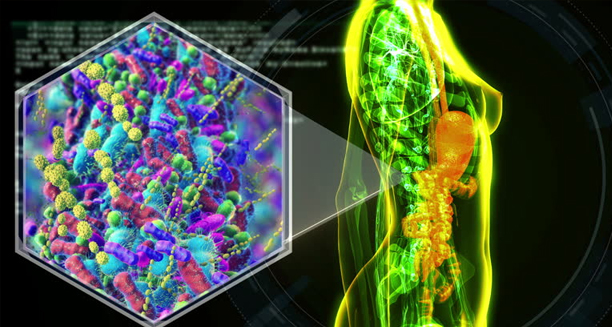
Digital representation of coeliac disease affecting the digestive tract

Coeliac Disease

Coeliac Disease – Overview Coeliac disease is a serious autoimmune disorder in which the immune system mistakenly attacks the small intestine after gluten ingestion. Gluten is a protein found in wheat, barley, and rye, and for individuals with this disease, consuming gluten triggers inflammation and damage to the intestinal lining. This condition affects how nutrients are absorbed by the body, often leading to malnutrition and various health issues if left untreated. The disease affects approximately 1% of the population worldwide. However, many cases remain undiagnosed due to its wide-ranging symptoms and occasional lack of obvious digestive complaints. People with this disease must follow a strict lifelong gluten-free diet, as even small amounts of gluten can cause intestinal damage and symptoms to return. Unlike wheat allergy or gluten sensitivity, coeliac disease causes an immune response that directly damages the tissue of the small intestine, particularly the villi — tiny finger-like projections that aid in nutrient absorption. Coeliac Disease – Overview This disease can develop at any age, from infancy through adulthood. It may present following a trigger such as surgery, infection, pregnancy, or severe stress, but in many cases, the onset is gradual. The condition can be silent for years or masked by symptoms that mimic other illnesses, making diagnosis challenging without specific testing. If not treated correctly, coeliac disease can lead to serious complications. Such as osteoporosis, infertility, neurological disorders, and increased risk of small bowel cancer. Children with undiagnosed this disease may suffer from growth delays or behavioural changes. The only effective treatment is a strict gluten-free diet, which allows the intestinal lining to heal and symptoms to subside. In conclusion, coeliac disease is a lifelong autoimmune condition with potentially serious consequences if undiagnosed. Fortunately, with proper diagnosis. Dietary changes, and ongoing medical support, most individuals with the condition can live full and healthy lives. Public awareness and routine screening in high-risk groups are improving detection and outcomes. [Next: Causes of Coeliac Disease →]

Coeliac Disease Read More »

Woman rejecting a plate of bread due to gluten intolerance

Causes of Coeliac Disease

Causes of Coeliac Disease Causes of coeliac disease involve a mix of genetic predisposition, gluten exposure, and abnormal immune system reactions. While the precise origin of coeliac disease is still under investigation, extensive research has confirmed that individuals must have specific genetic markers and be exposed to gluten to develop the condition. Environmental and immune-related factors then interact to trigger the disease. The primary genetic link to coeliac disease lies in the HLA-DQ2 and HLA-DQ8 genes. Over 95% of people diagnosed with coeliac disease carry the HLA-DQ2 variant, while most of the remaining cases carry HLA-DQ8. These genes are involved in presenting gluten-derived peptides to immune cells. However, having these genes is not enough to cause the disease — they simply increase the risk. Around 30% of the population has these genes, yet only a small proportion ever develop coeliac disease. Causes of Coeliac Disease Gluten consumption is the essential environmental factor. For those genetically predisposed, gluten exposure can lead to an inappropriate immune response that damages the small intestinal lining. The body produces autoantibodies, especially against tissue transglutaminase (tTG), an enzyme involved in digesting gluten. These antibodies attack the villi in the small intestine, flattening them and reducing the ability to absorb nutrients effectively. Environmental triggers are believed to play a role in activating the disease in genetically susceptible individuals. Factors such as early childhood infections, changes in gut microbiota, pregnancy, surgery, or significant emotional stress can disturb immune balance and promote disease onset. Studies also suggest that timing and quantity of gluten introduction in infancy may influence disease development, although evidence remains inconclusive. First-degree relatives of those with coeliac disease have a 10–15% risk of developing the condition. Therefore, family history plays a significant role in identifying at-risk individuals. Twin studies also support a strong genetic component, with identical twins having up to a 75% concordance rate. Causes of Coeliac Disease Additionally, coeliac disease often coexists with other autoimmune conditions, such as type 1 diabetes, autoimmune thyroid disease, and rheumatoid arthritis. This clustering further highlights its immune-mediated nature. To summarise, the causes of coeliac disease are multi-factorial, involving genetic susceptibility, exposure to gluten, and immune dysfunction. Understanding these causes helps identify at-risk individuals and promotes early screening, which is crucial for reducing long-term complications and improving outcomes. [Next: Symptoms of Coeliac Disease →]

Causes of Coeliac Disease Read More »

Woman holding stomach in pain while sitting on a sofa

Symptoms of Coeliac Disease

Symptoms of Coeliac Disease Symptoms of coeliac disease can vary greatly between individuals, making the condition notoriously difficult to diagnose. While coeliac disease is traditionally associated with gastrointestinal symptoms, many patients experience systemic or non-digestive signs. Some individuals may even have no symptoms at all but still suffer internal damage. The most common digestive symptoms include chronic diarrhoea, bloating, flatulence, abdominal pain, nausea, and greasy or pale stools. These signs result from the inflammation and flattening of villi in the small intestine, which impair nutrient absorption. Constipation can also occur in some individuals, particularly in children. Weight loss and failure to thrive in children are often early indicators. Beyond the digestive system, coeliac disease can cause a variety of symptoms tied to nutritional deficiencies. Iron-deficiency anaemia is one of the most frequent manifestations and may present with fatigue, dizziness, shortness of breath, and pale skin. Deficiencies in folate, vitamin B12, and vitamin D can lead to neurological symptoms such as numbness, tingling, poor balance, and even depression. Symptoms of Coeliac Disease Women with undiagnosed coeliac disease may experience infertility, recurrent miscarriages, or irregular menstrual cycles. Men may suffer from reduced testosterone and fertility issues as well. In both sexes, poor calcium absorption can lead to low bone density and increased risk of osteoporosis or fractures. Dermatitis herpetiformis is a skin-related symptom of coeliac disease characterised by itchy, blistering rashes, often found on the elbows, knees, or buttocks. This condition is also triggered by gluten ingestion and responds to a gluten-free diet, though it may require additional treatment. Children often present differently than adults. They may show signs of delayed growth, behavioural issues, irritability, enamel defects in permanent teeth, or delayed puberty. Left untreated, these effects can persist into adulthood. It’s also important to recognise “silent” or asymptomatic coeliac disease, where individuals show no obvious symptoms but still suffer intestinal damage. These cases are often discovered during routine screening, especially in those with a family history or related autoimmune conditions. Recognising the symptoms are critical for timely diagnosis. Whether obvious or subtle, symptoms can significantly affect physical and emotional wellbeing. Early intervention through a gluten-free diet can greatly reduce symptoms, promote healing, and prevent serious complications. [Next: Diagnosis of Coeliac Disease →]

Symptoms of Coeliac Disease Read More »

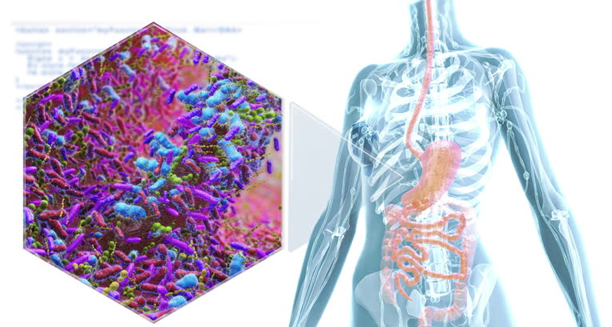
Microscopic view of intestinal bacteria alongside human digestive system illustration

Diagnosis of Coeliac Disease

Diagnosis of Coeliac Disease Diagnosis of coeliac disease involves a thorough combination of blood tests, genetic markers, and intestinal biopsies. Because coeliac disease can mimic many other conditions, a proper diagnosis requires careful evaluation and should always be conducted while the individual is still consuming gluten. Stopping gluten prematurely can cause false-negative results. The first step is a blood test to check for elevated coeliac-related antibodies. The most commonly used is the tissue transglutaminase antibody (tTG-IgA) test, which is highly sensitive and specific. If IgA deficiency is suspected, the total serum IgA is measured, or alternative tests like DGP-IgG (deamidated gliadin peptide) may be used. Elevated antibody levels strongly suggest coeliac disease, particularly when symptoms are present. Diagnosis of Coeliac Disease If blood tests indicate coeliac disease, the next step is usually an upper endoscopy with small bowel biopsy. This procedure allows the doctor to view the duodenum (first part of the small intestine) and take tissue samples. The hallmark findings include villous atrophy, crypt hyperplasia, and increased intraepithelial lymphocytes — all indicative of gluten-induced damage. Biopsies remain the gold standard for confirmation. In some cases, especially among children with high antibody levels and symptoms, diagnosis can be made without a biopsy, particularly if genetic testing confirms the presence of HLA-DQ2 or DQ8. However, this approach is more common in Europe than in other regions and must follow strict diagnostic criteria. Genetic testing for HLA-DQ2 and HLA-DQ8 can also be useful in ambiguous cases. While a positive result doesn’t confirm the disease (since many people carry the genes without developing it), a negative result effectively rules it out, as these genes are present in over 99% of affected individuals. Diagnosis of Coeliac Disease If someone has already started a gluten-free diet before testing, a gluten challenge may be recommended. This involves reintroducing gluten under medical supervision, usually over a 6–8 week period, followed by antibody testing or biopsy. This process can be physically uncomfortable and must be monitored closely. Additionally, bone density scans, vitamin and mineral assessments, and liver function tests may be ordered to evaluate for complications or coexisting conditions, especially in long-term undiagnosed cases. A correct diagnosis of coeliac disease is essential before initiating lifelong dietary changes. Misdiagnosis can lead to unnecessary restrictions, while delayed diagnosis increases the risk of long-term health issues. Therefore, all testing must be done methodically, and ideally under the care of a gastroenterologist or specialist dietitian. [Next: Treatment of Coeliac Disease →]

Diagnosis of Coeliac Disease Read More »

Person using a nutrition tracking app while planning a gluten-free diet

Treatment of Coeliac Disease

Treatment of Coeliac Disease Treatment of coeliac disease revolves entirely around maintaining a strict, lifelong gluten-free diet. There is currently no medication or cure for coeliac disease, but dietary intervention is highly effective in healing the intestinal lining and relieving symptoms. Once gluten is removed from the diet, inflammation decreases, nutrient absorption improves, and overall health is restored in most individuals. A gluten-free diet eliminates all foods containing wheat, barley, and rye. This includes obvious sources like bread, pasta, and baked goods, as well as less obvious ones like soups, sauces, processed meats, and even medications or supplements. Oats may be tolerated by some people with coeliac disease, but only if they are certified gluten-free and not contaminated during processing. Adherence must be strict — even small amounts of gluten can trigger immune activity and damage. Accidental exposure is common during social events, restaurant meals, or when handling foods with hidden gluten. For this reason, label-reading becomes essential. People with coeliac disease must learn to identify ingredient lists for terms like malt, modified starch, and hydrolysed vegetable protein. Treatment of Coeliac Disease Working with a registered dietitian experienced in coeliac disease is crucial. They can help with meal planning, label interpretation, and ensuring nutritional adequacy. Many individuals newly diagnosed are deficient in iron, calcium, folate, B12, and vitamin D, all of which may require temporary supplementation. Support groups and coeliac associations also play an important role, providing emotional encouragement, access to resources, and community awareness. The psychological burden of a restricted diet can be significant, especially in social and cultural contexts where food is central. Peer support reduces isolation and empowers individuals to manage their condition confidently. In rare cases where symptoms persist despite a gluten-free diet, other conditions must be considered. These include refractory coeliac disease, microscopic colitis, or inadvertent gluten consumption. Refractory coeliac disease is treated under specialist care and may require immunosuppressive therapy. Treatment of Coeliac Disease Long-term follow-up is essential. Patients should be monitored annually or biannually to assess nutritional status, symptom control, and adherence. Repeat antibody tests help determine whether gluten is being successfully avoided, while bone density scans may be recommended every few years to assess osteoporosis risk. The treatment of coeliac disease is highly effective when managed properly. Most individuals feel better within weeks of dietary change, and the small intestine can begin healing within 3 to 6 months in children and up to 2 years in adults. Ongoing education, support, and vigilance are key to maintaining health. [Next: Complications and Recovery from Coeliac Disease →]

Treatment of Coeliac Disease Read More »

Woman clutching stomach in pain while sitting on a bed

Complications and Recovery from Coeliac Disease

Complications and Recovery from Coeliac Disease Complications and recovery from coeliac disease are closely tied to how early the condition is diagnosed and how strictly the gluten-free diet is followed. If coeliac disease is left untreated or poorly managed, it can result in both short-term discomfort and long-term health consequences, some of which may be irreversible. One of the most common complications is malabsorption. Due to damage in the small intestine, essential nutrients such as iron, folate, calcium, and vitamin D are not absorbed efficiently. This can lead to iron-deficiency anaemia, osteoporosis, and growth issues in children. Early and consistent gluten elimination can reverse these deficiencies, but prolonged damage may require months or even years to fully correct. Complications and Recovery from Coeliac Disease Reproductive problems are also a known complication. In women, coeliac disease may cause delayed menarche, irregular menstrual cycles, infertility, and recurrent miscarriages. Men may experience reduced testosterone levels, low sperm count, and decreased libido. Treatment through a gluten-free diet often restores hormonal balance and fertility in many cases. Neurological complications include peripheral neuropathy, ataxia, and even seizures. These symptoms stem from nutrient deficiencies or direct immune-mediated damage. If not addressed early, nerve damage may become permanent. Psychological complications such as depression, anxiety, and brain fog are also common but usually improve with treatment. The skin condition dermatitis herpetiformis, a chronic, intensely itchy rash, is another manifestation of coeliac disease. It typically appears on the elbows, knees, and buttocks and is directly linked to gluten consumption. A strict gluten-free diet leads to improvement, although medication like dapsone may be used temporarily. A more serious complication is refractory coeliac disease, where symptoms persist despite dietary adherence. This rare form of the disease may require immunosuppressive drugs and carries a higher risk of malignancy. Complications and Recovery from Coeliac Disease In rare cases, untreated coeliac disease can lead to intestinal cancers, particularly enteropathy-associated T-cell lymphoma (EATL) and small bowel adenocarcinoma. While the risk is low, it is significantly reduced through long-term compliance with a gluten-free diet. On the positive side, recovery is entirely possible for most people. Once gluten is removed from the diet, inflammation subsides, nutrient levels improve, and intestinal villi regenerate. Children often show full recovery in growth and development, while adults regain energy, clarity, and digestive comfort. In conclusion, complications and recovery from coeliac disease highlight the critical importance of early diagnosis and dietary compliance. With medical support, nutritional guidance, and lifestyle adjustments, most people go on to lead healthy, fulfilling lives free from symptoms and long-term damage. [Next: Back to Overview →]

Complications and Recovery from Coeliac Disease Read More »

Scroll to Top