Mental Matters

Author name: admin

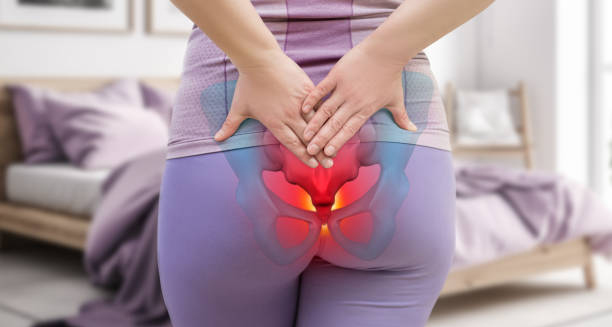
Woman holding lower back with coccyx area highlighted in red

Coccyx Pain

Coccyx Pain – Overview Coccyx pain, also known as coccydynia, refers to discomfort or aching in the tailbone area. Located at the bottom of the spine. The this pain may be sharp or dull and is often worse when sitting or rising from a seated position. The pain can affect daily activities such as driving, working at a desk, or bending forward. The coccyx, or tailbone, is a small triangular bone. Located at the end of the spinal column made up of three to five fused vertebrae. Although small, it plays a role in supporting body weight when sitting and provides attachment for various ligaments, muscles, and tendons. Coccyx Pain – Overview This pain affects people of all ages but is more common in women and in individuals who are overweight or have suffered trauma to the area. In many cases, the pain is temporary and resolves with conservative treatment, such as rest, posture correction, and pain relief. However, in some cases, this pain becomes chronic and requires more specialised management. In summary, this pain is a common yet often overlooked condition that can cause significant discomfort, especially while sitting. With early intervention and appropriate treatment, most people recover without long-term complications. [Next: Causes of Coccyx Pain →]


Coccyx Pain Read More »

Woman falling on icy ground, holding her lower back

Causes of Coccyx Pain

Causes of Coccyx Pain Causes of coccyx pain can be varied, ranging from physical trauma to degenerative changes or prolonged pressure. Identifying the root cause is essential to determine the most effective treatment for coccyx pain. 1. Trauma or Injury A direct blow or fall onto the tailbone is one of the most common causes. Slipping on ice, falling backwards, or landing hard while seated can bruise, dislocate, or fracture the coccyx, leading to persistent pain. 2. Repetitive Strain Activities that involve sitting on hard surfaces for extended periods, such as cycling or rowing, can cause repeated microtrauma to the coccyx. Over time, this irritation leads to inflammation and discomfort. 3. Childbirth | Causes of Coccyx Pain During childbirth, the coccyx may be pushed backward to allow the baby to pass through the birth canal. In some cases, this results in dislocation, bruising, or ligament strain, especially in prolonged or difficult deliveries. 4. Poor Posture Slouching or sitting in a poor posture for long hours, especially on unsupportive surfaces, increases pressure on the coccyx and contributes to chronic pain. 5. Obesity or Rapid Weight Loss Excess body weight increases pressure on the tailbone when sitting. On the other hand, rapid weight loss can reduce the protective cushioning around the coccyx, making it more susceptible to pain from minor pressure. 6. Degenerative Conditions | Causes of Coccyx Pain Arthritis or degeneration of the sacrococcygeal joint can cause inflammation and pain, particularly in older adults. 7. Infection or Tumour (Rare) In rare cases, coccyx pain may be due to an infection such as a pilonidal abscess or, very rarely, a tumour pressing against the bone. The causes of coccyx pain vary widely, and in many cases, no specific cause is found. Regardless, treatment can usually manage symptoms effectively and improve quality of life. [Next: Symptoms of Coccyx Pain →]

Causes of Coccyx Pain Read More »

Man sitting on a chair experiencing coccyx pain

Symptoms of Coccyx Pain

Symptoms of Coccyx Pain Symptoms of coccyx pain are usually easy to identify due to their distinct location. People with coccyx pain often report discomfort that worsens with sitting or when transitioning from sitting to standing. Understanding these symptoms helps in early diagnosis and management. 1. Localised Pain The most prominent symptom is a dull or sharp pain directly at the base of the spine. It may be constant or intermittent and is typically felt between the buttocks, just above the anus. 2. Pain While Sitting | Symptoms of Coccyx Pain Sitting, particularly on hard or narrow surfaces, often exacerbates coccyx pain. Prolonged sitting or poor posture increases pressure on the tailbone and intensifies symptoms. 3. Pain When Standing Up People often describe a sudden, stabbing pain when rising from a seated position. The transition shifts pressure on the coccyx, aggravating the inflammation or injury. 4. Discomfort During Bowel Movements Straining during defecation can increase tailbone pain, especially if there’s swelling or bruising in the surrounding tissues. 5. Pain During Intercourse In some cases, women may experience pain during sexual intercourse, particularly if the coccyx is misaligned or inflamed. 6. Tenderness to the Touch Pressing on the area over the tailbone may elicit pain or reveal swelling, warmth, or bruising if trauma is involved. 7. Referred Pain Though less common, coccyx pain can radiate to the lower back, buttocks, or even the legs if there’s associated nerve involvement or muscle tension. While symptoms of coccyx pain are not usually dangerous, they can severely affect comfort and function. Recognising the pattern and location of symptoms helps in seeking timely medical attention. [Next: Diagnosis of Coccyx Pain →]

Symptoms of Coccyx Pain Read More »

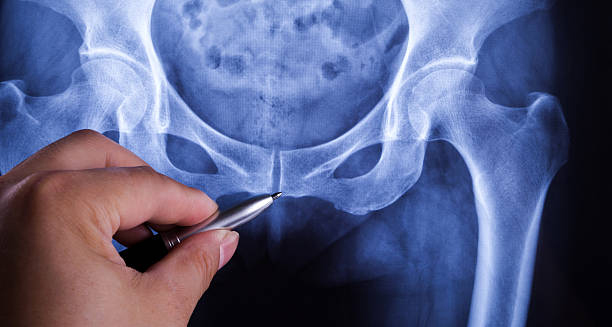
X-ray image highlighting coccyx with a pen for diagnosis

Diagnosis of Coccyx Pain

Diagnosis of Coccyx Pain Diagnosis of coccyx pain begins with a detailed medical history and physical examination. Since coccyx pain can stem from various causes, proper diagnosis is key to finding the most effective treatment. 1. Medical History Your doctor will ask about: Understanding how the pain behaves during different activities is essential. 2. Physical Examination The physician will palpate the coccyx area to check for tenderness, swelling, or misalignment. An internal rectal examination may also be done to assess coccyx mobility and rule out tumours or abscesses. 3. Imaging Tests 4. Dynamic Sitting and Standing X-rays These special X-rays are taken in both sitting and standing positions to assess how the coccyx moves under pressure. Abnormal movement patterns may indicate instability or dislocation. 5. Diagnostic Injections In uncertain cases, a local anaesthetic may be injected into the coccyx area. If the pain disappears temporarily, this confirms that the coccyx is the source of pain. 6. Differential Diagnosis | Diagnosis of Coccyx Pain It’s important to distinguish coccyx pain from other conditions, such as: An accurate diagnosis ensures that treatment is targeted and effective, avoiding unnecessary interventions. [Next: Treatment of Coccyx Pain →]

Diagnosis of Coccyx Pain Read More »

Man sitting on ergonomic cushion to relieve coccyx pain

Treatment of Coccyx Pain

Treatment of Coccyx Pain Treatment of coccyx pain often starts with conservative measures and rarely requires surgery. Most people with coccyx pain experience relief with lifestyle modifications, physical therapy, and pain management. 1. Self-Care Measures 2. Pain Relief Medications 3. Physical Therapy | Treatment of Coccyx Pain A physiotherapist may teach: 4. Injections 5. Psychological Support Chronic pain can lead to anxiety or depression. Cognitive behavioural therapy (CBT) and mindfulness techniques can help patients manage discomfort and improve coping mechanisms. 6. Surgery (Coccygectomy) Surgical removal of the coccyx is rare and only considered when all other treatments fail. This procedure has a moderate success rate and requires careful consideration due to recovery time and risk of complications. Overall, the treatment of coccyx pain is highly individual. A step-by-step approach combining multiple therapies typically yields the best outcomes. [Next: Complications and Recovery from Coccyx Pain →]

Treatment of Coccyx Pain Read More »

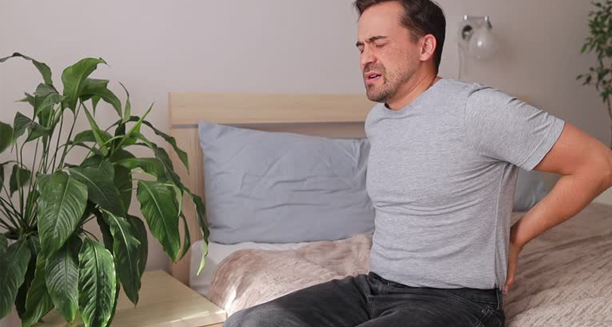
Man sitting on bed in visible discomfort from coccyx pain

Complications and Recovery from Coccyx Pain

Complications and Recovery from Coccyx Pain Complications and recovery from coccyx pain vary depending on the underlying cause and effectiveness of treatment. While most cases of coccyx pain resolve with conservative care, some individuals experience persistent or chronic discomfort. 1. Chronic Pain In some cases, the pain does not resolve after months of treatment, evolving into chronic coccydynia. This can affect mobility, mood, and overall quality of life. 2. Impact on Daily Activities Persistent pain can interfere with: 3. Emotional Distress Long-term pain often leads to anxiety, depression, or irritability. These emotional factors may amplify pain perception and complicate recovery. 4. Side Effects of Medication Long-term NSAID use can cause gastrointestinal issues, while steroid injections carry a risk of tissue thinning or infection. 5. Post-Surgical Complications Coccygectomy, though rarely performed, carries risks such as infection, delayed healing, or no improvement in symptoms. Recovery Timeline | Complications and Recovery from Coccyx Pain 6. Prevention of Recurrence To prevent recurrence: In conclusion, complications depend on early diagnosis, consistent treatment, and lifestyle adjustments. With the right approach, most individuals achieve full relief and return to normal activities. [Next: Back to Overview →]

Complications and Recovery from Coccyx Pain Read More »

Man in severe pain covering his face due to cluster headache

Cluster Headaches

Cluster Headaches – Overview Cluster headaches are a rare but extremely painful type of headache that occur in cyclical patterns or “clusters.” Unlike migraines or tension headaches. These headaches are distinguished by their sudden onset, severe intensity, and tendency to strike the same side of the head. The pain is often described as burning, piercing, or excruciating, typically centred around one eye or temple. These headaches occur in bouts that can last for weeks or months. Followed by periods of remission where no headaches occur. Some people experience cluster periods seasonally, often during spring or autumn. The attacks usually happen at the same time each day, and may even wake sufferers from sleep, earning them the nickname “alarm clock headaches.” Although the cause is not fully understood, these headaches are thought to be related to abnormal activity in the hypothalamus, the part of the brain that regulates biological rhythms. They affect more men than women and typically begin between the ages of 20 and 50. Cluster Headaches – Overview Cluster headaches are not life-threatening but are considered one of the most painful medical conditions known. They can significantly impair quality of life and lead to anxiety, depression, or sleep disturbances if not properly managed. In summary, these headaches are a serious neurological disorder characterised by sudden, severe head pain in recurring cycles. While the condition is rare, its impact can be devastating without timely diagnosis and appropriate treatment. [Next: Causes of Cluster Headaches →]

Cluster Headaches Read More »

Person smoking excessively, potentially causing a cluster headache

Causes of Cluster Headaches

Causes of Cluster Headaches Causes of cluster headaches remain a subject of ongoing research, but current evidence points to dysfunction in the brain’s hypothalamus. While the exact mechanisms are unclear, cluster headaches are believed to result from a combination of neurological, genetic, and environmental factors. 1. Hypothalamic Dysfunction The hypothalamus is the part of the brain that regulates the body’s biological clock, or circadian rhythms. Imaging studies have shown increased activity in this region during cluster attacks. This may explain why the headaches follow regular daily patterns and are often tied to specific seasons. 2. Trigeminal Nerve Activation The trigeminal nerve, responsible for facial sensation and pain, becomes activated during a cluster attack. This causes severe pain around the eye and temple and may also trigger related symptoms such as tearing, nasal congestion, and facial sweating. 3. Genetic Factors | Causes of Cluster Headaches While not as strongly hereditary as migraines, there is some evidence that cluster headaches run in families. First-degree relatives of people with cluster headaches are at a slightly higher risk of developing the condition. 4. Alcohol and Smoking Alcohol is a well-known trigger during active cluster periods, although it does not cause the condition itself. Similarly, smoking is more prevalent among those who suffer from cluster headaches, although the link remains unclear. 5. Changes in Sleep Patterns Disruptions to sleep, such as those caused by shift work or jet lag, may trigger or worsen cluster headaches. This further supports the role of circadian rhythm dysfunction in the disease process. 6. Histamine and Serotonin | Causes of Cluster Headaches Abnormalities in the regulation of histamine and serotonin, chemicals involved in pain signalling and blood vessel regulation, may contribute to the onset of attacks. While the causes of cluster headaches are not fully understood, the combination of neurological and lifestyle factors underscores the importance of tailored, comprehensive care. Identifying personal triggers and maintaining a stable routine can play a key role in preventing episodes. [Next: Symptoms of Cluster Headaches →]

Causes of Cluster Headaches Read More »

Man clutching head in pain with red highlighted area indicating cluster headache

Symptoms of Cluster Headaches

Symptoms of Cluster Headaches Symptoms of cluster headaches are distinct and highly characteristic, making them easier to recognise than other headache types. The key feature of cluster headaches is their sudden, intense pain, usually centred around one eye. This pain is often described as a sharp, stabbing, or burning sensation that reaches its peak within minutes and can last from 15 minutes to 3 hours. 1. Severe, One-Sided Pain The hallmark symptom is severe pain on one side of the head, typically in or around the eye, temple, or forehead. The pain can radiate to the jaw, neck, or even the shoulder, and is often so intense that it drives people to pace, rock back and forth, or even harm themselves out of desperation. 2. Eye Symptoms | Symptoms of Cluster Headaches The affected eye may show: These symptoms almost always occur on the same side as the headache and resolve once the attack ends. 3. Nasal Symptoms Nasal congestion or a runny nose is common, again usually confined to the affected side. Some people also experience facial sweating or flushing. 4. Restlessness Unlike migraine sufferers, who often lie down in dark rooms, people with cluster headaches are usually agitated and physically restless during an attack. This reaction is thought to be due to the sheer intensity of the pain. 5. Predictable Timing | Symptoms of Cluster Headaches Attacks often occur at the same time each day or night, sometimes waking individuals from sleep. This regularity is linked to the hypothalamus, which governs circadian rhythms. 6. Cluster Periods and Remission Attacks come in clusters, typically lasting weeks or months, followed by remission periods that may last months or years. Some people experience chronic cluster headaches with little to no remission. Recognising the symptoms of cluster headaches is essential for accurate diagnosis and effective management. Their distinct pattern of intense, one-sided pain and autonomic symptoms set them apart from other headache disorders. [Next: Diagnosis of Cluster Headaches →]

Symptoms of Cluster Headaches Read More »

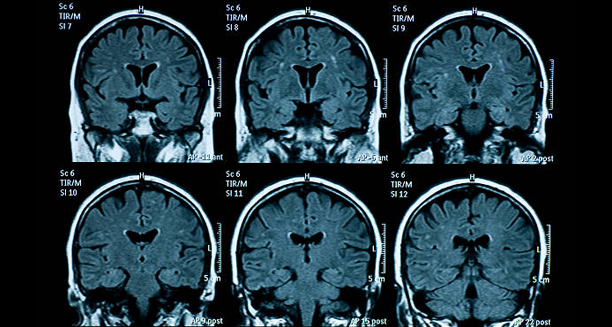
MRI brain scans used to rule out underlying causes of cluster headaches

Diagnosis of Cluster Headaches

Diagnosis of Cluster Headaches Diagnosis of cluster headaches is based on clinical evaluation, as there is no specific test to confirm the condition. Because cluster headaches are rare and often misdiagnosed as migraines or sinus problems, it is vital for healthcare providers to conduct a detailed history and symptom review. 1. Patient History Doctors start by asking about the nature, location, timing, and duration of the headaches. Key features that point to cluster headaches include: 2. Diagnostic Criteria | Diagnosis of Cluster Headaches According to the International Classification of Headache Disorders (ICHD), cluster headaches are diagnosed when the pattern of pain and associated symptoms meet specific criteria. These include repeated one-sided headaches accompanied by autonomic symptoms and occurring in regular bouts. 3. Neurological Examination A neurological exam is conducted to rule out secondary causes of head pain. The exam is usually normal in cases of cluster headaches, but any abnormalities may suggest further testing is needed. 4. Imaging Tests MRI or CT scans of the brain may be ordered to exclude other serious conditions such as: Imaging is especially important in first-time or atypical cases. 5. Differentiation from Other Headaches | Diagnosis of Cluster Headaches Cluster headaches must be distinguished from migraines, trigeminal neuralgia, and sinus infections. Their shorter duration, rapid onset, and regular timing help differentiate them. A timely and accurate diagnosis of cluster headaches is crucial, as early treatment improves outcomes and reduces the risk of chronicity. Referral to a neurologist may be necessary for complex or treatment-resistant cases. [Next: Treatment of Cluster Headaches →]

Diagnosis of Cluster Headaches Read More »

Scroll to Top