Mental Matters

Author name: admin

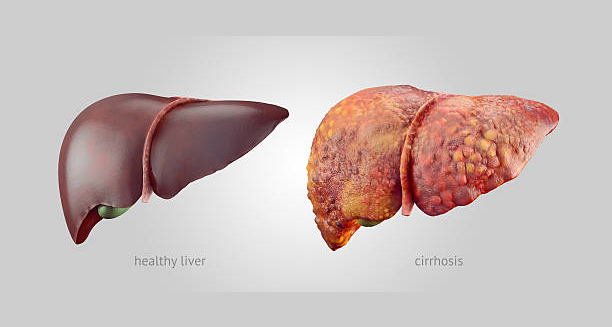
Medical comparison of a healthy liver and a liver with cirrhosis.

Cirrhosis

Cirrhosis – Overview Cirrhosis is a chronic liver disease characterised by long-term damage that leads to the replacement of healthy liver tissue with scar tissue. This process impairs the liver’s ability to function effectively. Over time, this disrupts blood flow through the liver, reduces detoxification capacity, and interferes with nutrient processing and hormone regulation. It is the final stage of various forms of chronic liver disease and can result in liver failure or liver cancer if not properly managed. The liver plays a crucial role in digestion, metabolism, immunity, and the storage of nutrients. When it becomes scarred, its efficiency declines, affecting the entire body. Cirrhosis often develops silently over several years, with many patients unaware of any problem until the damage is severe. This condition is generally classified into two stages: compensated and decompensated. In compensated cirrhosis, the liver still performs its essential functions despite the scarring. Once the disease progresses to decompensated cirrhosis, complications such as ascites, jaundice, bleeding, or encephalopathy occur, indicating a more serious condition that demands urgent medical attention. Cirrhosis Common causes include chronic alcohol abuse, viral hepatitis (particularly hepatitis B and C), non-alcoholic fatty liver disease (NAFLD), autoimmune liver disease, and certain genetic conditions. Risk factors such as obesity, type 2 diabetes, high cholesterol, and exposure to toxins also contribute. Although liver damage cannot be reversed, the progression can be slowed or stopped with early diagnosis, lifestyle changes, and treatment of the underlying cause. In advanced stages, a liver transplant may be necessary. In summary, this is a potentially life-threatening but manageable condition. With proper medical care and lifestyle intervention, many individuals live full lives even after diagnosis. [Next: Causes of Cirrhosis →]
Cirrhosis Read More »

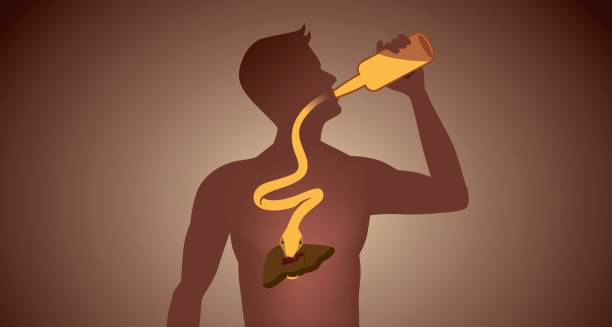
Illustration of alcohol damaging the liver, representing a common cause of cirrhosis.

Causes of Cirrhosis

Causes of Cirrhosis Causes of cirrhosis are diverse, involving various diseases and behaviours that lead to long-term liver damage. While the liver is highly resilient and capable of self-repair, persistent inflammation or injury causes scarring that, over time, becomes irreversible. Understanding the causes of cirrhosis helps guide treatment and prevention strategies. 1. Chronic Alcohol Consumption Alcohol-related liver disease is one of the most common causes of cirrhosis. Chronic alcohol intake inflames liver tissue, eventually resulting in fibrosis. Although not every heavy drinker develops cirrhosis, the risk is significantly elevated with long-term use, particularly when combined with poor nutrition. 2. Chronic Viral Hepatitis | Causes of Cirrhosis Hepatitis B and hepatitis C viruses are leading infectious causes of liver inflammation. If left untreated, they cause ongoing injury to liver cells. Over years or decades, this damage leads to cirrhosis and increases the risk of liver cancer. 3. Non-Alcoholic Fatty Liver Disease (NAFLD) NAFLD is increasingly recognised as a major cause of cirrhosis, especially in developed countries. Fat builds up in liver cells, often due to obesity, diabetes, or high cholesterol. In more aggressive cases, inflammation (NASH) develops, accelerating scarring and organ failure. 4. Autoimmune Hepatitis This condition occurs when the immune system mistakenly attacks healthy liver cells. If not treated, chronic inflammation leads to fibrosis and cirrhosis. It often affects younger women and may be associated with other autoimmune disorders. 5. Genetic and Metabolic Disorders Inherited diseases such as haemochromatosis (iron overload), Wilson’s disease (copper accumulation), and alpha-1 antitrypsin deficiency damage liver cells progressively. Early identification and management of these conditions can delay or prevent cirrhosis. 6. Bile Duct Disorders | Causes of Cirrhosis Primary biliary cholangitis (PBC) and primary sclerosing cholangitis (PSC) cause chronic damage to the bile ducts, preventing bile from leaving the liver. The buildup of bile leads to scarring and liver failure. 7. Drug and Toxin Exposure Prolonged use of certain medications — including methotrexate and amiodarone — or exposure to industrial toxins can contribute to chronic liver injury. Recognising the causes of cirrhosis early enables targeted treatment and lifestyle modifications, improving long-term outcomes and reducing the need for transplantation. [Next: Symptoms of Cirrhosis →]

Causes of Cirrhosis Read More »

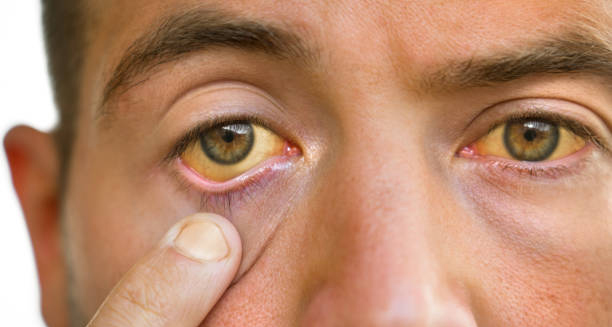
Close-up of jaundiced eyes showing yellowing, a common symptom of cirrhosis.

Symptoms of Cirrhosis

Symptoms of Cirrhosis Symptoms of cirrhosis vary depending on the stage of liver damage. Many people with early-stage cirrhosis do not experience any symptoms, which is why the disease often goes undiagnosed until significant damage has occurred. As the liver loses its ability to function properly, signs and complications become more evident. 1. Fatigue and Weakness One of the earliest and most common symptoms, fatigue may result from reduced metabolism, toxin buildup, and nutrient deficiencies. It can severely affect daily functioning. 2. Jaundice | Symptoms of Cirrhosis Yellowing of the skin and eyes occurs when bilirubin — a substance normally processed by the liver — builds up in the body. This is a classic sign of declining liver function. 3. Ascites and Swelling Cirrhosis can lead to fluid accumulation in the abdomen (ascites) and legs (oedema). This results from a combination of portal hypertension and reduced protein production. 4. Easy Bruising and Bleeding The liver plays a key role in making blood clotting proteins. With impaired function, minor injuries can lead to prolonged bleeding or spontaneous bruising. 5. Digestive Issues and Weight Loss Reduced bile production and poor nutrient absorption cause bloating, indigestion, nausea, and weight loss. Patients may lose their appetite or feel full after eating small meals. 6. Mental Confusion | Symptoms of Cirrhosis Hepatic encephalopathy results from the liver’s inability to filter toxins like ammonia. Symptoms include confusion, forgetfulness, mood changes, and in severe cases, coma. 7. Spider Veins and Skin Changes Dilated blood vessels (spider angiomas), redness of the palms (palmar erythema), and itchy skin are common skin-related signs of cirrhosis. 8. Hormonal Imbalance Men may experience reduced libido, testicular shrinkage, or breast enlargement due to altered hormone metabolism. Women may experience menstrual irregularities. Identifying symptoms of cirrhosis early can significantly improve the chances of effective management. Any ongoing fatigue, swelling, or yellowing of the eyes warrants immediate medical investigation. [Next: Diagnosis of Cirrhosis →]

Symptoms of Cirrhosis Read More »

Doctor holding a digital scan showing liver and digestive organs for cirrhosis diagnosis.

Diagnosis of Cirrhosis

Diagnosis of Cirrhosis Diagnosis of cirrhosis requires a combination of clinical evaluation, imaging studies, blood tests, and sometimes a liver biopsy. Since cirrhosis can remain silent for years, it is often diagnosed when complications arise or during investigation for unrelated symptoms. 1. Physical Examination and History Doctors will evaluate risk factors such as alcohol use, viral hepatitis exposure, or family history of liver disease. Physical signs such as jaundice, ascites, and enlarged liver or spleen raise clinical suspicion. 2. Liver Function Tests Blood tests evaluate liver enzymes (ALT, AST), bilirubin, albumin, and clotting factors. Abnormal results can suggest liver injury or dysfunction but may not indicate the extent of fibrosis. 3. Imaging Tests | Diagnosis of Cirrhosis 4. Liver Biopsy A biopsy involves removing a small sample of liver tissue to assess the degree of scarring and confirm the diagnosis. While effective, it’s invasive and usually reserved for unclear cases. 5. Blood Marker Panels Specialised blood tests (FibroTest, APRI, FIB-4) estimate fibrosis severity. These tests can guide diagnosis when biopsy is not feasible. 6. Endoscopy | Diagnosis of Cirrhosis If portal hypertension is suspected, endoscopy may be performed to look for oesophageal varices, which can bleed and cause serious complications. 7. Scoring Systems MELD (Model for End-Stage Liver Disease) and Child-Pugh scores help assess disease severity and predict survival, which are crucial in liver transplant evaluation. Early and accurate diagnosis of cirrhosis allows for timely treatment, lifestyle changes, and close monitoring to delay or prevent complications. [Next: Treatment of Cirrhosis →]

Diagnosis of Cirrhosis Read More »

Medical team preparing for liver transplant with human organ transport container.

Treatment of Cirrhosis

Treatment of Cirrhosis Treatment of cirrhosis focuses on stopping the cause, managing symptoms, and preventing or treating complications. Because cirrhosis causes irreversible liver scarring, therapies aim to halt progression and maintain liver function for as long as possible. 1. Treating Underlying Causes 2. Lifestyle Changes | Treatment of Cirrhosis Patients should avoid alcohol, eat a well-balanced, low-sodium diet, stay physically active, and maintain a healthy weight. Get vaccinated against hepatitis A, B, and influenza. 3. Managing Symptoms and Complications 4. Medications Cirrhosis limits the liver’s ability to process drugs. Review and adjust medications to avoid toxicity and protect the liver. 5. Regular Monitoring Routine ultrasounds and blood tests are needed to monitor liver cancer risk and overall health. Early detection of hepatocellular carcinoma can allow curative treatment. 6. Liver Transplant | Treatment of Cirrhosis In cases of liver failure or recurrent complications, transplant is the only curative option. Eligibility depends on MELD score and overall health status. Overall, treatment of cirrhosis must be tailored to the individual, with regular specialist follow-up to adapt care as the disease progresses. [Next: Complications and Recovery from Cirrhosis →]

Treatment of Cirrhosis Read More »

Complications and Recovery from Cirrhosis

Complications and Recovery from Cirrhosis

Complications and Recovery from Cirrhosis Complications and recovery from cirrhosis depend on the stage of the disease and how well it is managed. While cirrhosis cannot be cured without a liver transplant. Many people live for years with compensated disease if they follow medical advice and maintain regular follow-up. 1. Complications 2. Recovery and Prognosis Recovery from cirrhosis means stabilisation, not cure. Stopping disease progression can allow people to live many years without symptoms. In decompensated stages, close medical monitoring becomes essential. 3. Quality of Life | Complications and Recovery from Cirrhosis Managing fatigue, cognitive symptoms, and emotional health is crucial. Access to counselling and support groups helps individuals cope with a chronic illness. 4. Transplant Recovery Post-transplant survival is high, with many patients returning to normal lives. Lifelong medication prevents organ rejection. In conclusion, complications and recovery from cirrhosis require early action, continuous care, and a strong support system. Even advanced cirrhosis responds to proper treatment, enhancing comfort, dignity, and lifespan. [Next: Back to Overview →]

Complications and Recovery from Cirrhosis Read More »

Anatomical brain model next to football helmet and ball symbolising chronic traumatic encephalopathy in athletes.

Chronic Traumatic Encephalopathy

Chronic Traumatic Encephalopathy – Overview Chronic traumatic encephalopathy is a progressive brain condition believed to be caused by repeated head injuries or concussions. Often associated with contact sports, military service, and occupations involving recurrent brain trauma, CTE leads to a gradual decline in cognitive, behavioural, and emotional functioning. The condition has received increasing attention due to its impact on athletes, particularly those involved in boxing, rugby, football, and mixed martial arts. CTE develops over many years and is thought to result from the accumulation of abnormal tau protein in the brain. These proteins disrupt cell communication and eventually cause nerve cell death. The condition is typically diagnosed post-mortem, as definitive markers are only visible through brain autopsy. However, research is advancing towards tools that may allow for earlier diagnosis in living individuals. Chronic Traumatic Encephalopathy Early symptoms are often subtle, such as memory lapses, mood swings, or impulsive behaviour. Over time, these symptoms worsen, leading to more severe problems like depression, aggression, confusion, and eventually dementia. In some cases, symptoms resemble other neurodegenerative disorders, including Alzheimer’s and Parkinson’s disease. CTE is particularly concerning because it can affect relatively young people and progress over decades. Although there is no known cure, strategies for prevention focus on reducing repeated head injuries and improving recovery protocols following concussions. In summary, CTE is a serious neurodegenerative disorder linked to repeated brain trauma. Public awareness, early symptom recognition, and strict head injury protocols are essential to reducing its long-term impact. [Next: Causes of Chronic Traumatic Encephalopathy →]

Chronic Traumatic Encephalopathy Read More »

Brain surrounded by sports equipment symbolising head trauma as a cause of chronic traumatic encephalopathy.

Causes of Chronic Traumatic Encephalopathy

Causes of Chronic Traumatic Encephalopathy Causes of chronic traumatic encephalopathy revolve around repeated head injuries, including both concussions and subconcussive impacts. While one traumatic brain injury may not be sufficient to cause CTE, cumulative damage over time appears to be the driving factor. Understanding the causes is critical for prevention and early intervention. 1. Repeated Concussions CTE is strongly associated with a history of multiple concussions. These injuries may occur in sports, accidents, or military combat. With each injury, the brain suffers physical and chemical changes that may promote tau protein accumulation and nerve cell damage. 2. Subconcussive Impacts | Causes of Chronic Traumatic Encephalopathy Emerging evidence suggests that even blows to the head that do not cause obvious concussion symptoms can contribute to CTE. Athletes in high-contact sports such as football, rugby, and boxing may experience hundreds of these impacts in a single season. 3. Duration and Frequency of Exposure The risk of developing CTE increases with the number of years a person is exposed to repetitive brain trauma. Professional athletes and military personnel with long careers in high-risk environments are particularly vulnerable. 4. Inadequate Recovery Between Injuries When the brain does not have enough time to recover between injuries, inflammation and cellular damage can build up, increasing the likelihood of permanent changes. Return-to-play decisions that ignore medical advice may therefore increase CTE risk. 5. Age at First Exposure | Causes of Chronic Traumatic Encephalopathy Research suggests that experiencing repeated head trauma during youth may increase the risk of developing CTE later in life. The developing brain may be particularly susceptible to long-term damage. 6. Genetic Susceptibility Although the genetic component of CTE is still under study, some individuals may be more genetically prone to brain inflammation or poor tau protein clearance, making them more susceptible to developing CTE from similar exposure levels. 7. Lack of Protective Measures Improper or outdated protective equipment, poor sports regulations, and lack of medical supervision during games or training can increase head trauma risk. Understanding the causes of chronic traumatic encephalopathy is vital for prevention. By reducing head trauma, enforcing safety protocols, and raising awareness about concussion risks, it is possible to significantly lower the chances of developing this devastating condition. [Next: Symptoms of Chronic Traumatic Encephalopathy →]

Causes of Chronic Traumatic Encephalopathy Read More »

Man experiencing dizziness and confusion, common symptoms of chronic traumatic encephalopathy.

Symptoms of Chronic Traumatic Encephalopathy

Symptoms of Chronic Traumatic Encephalopathy Symptoms of chronic traumatic encephalopathy can take years or even decades to emerge after the initial head injuries. Because this affects different parts of the brain over time, its symptoms vary widely and progress gradually. The disorder typically begins with subtle mood and behavioural changes before evolving into cognitive impairment and neurological deterioration. 1. Mood Disorders In early stages, individuals may experience depression, anxiety, irritability, or apathy. Emotional instability and mood swings are common and may lead to social withdrawal, relationship difficulties, or even suicidal thoughts. 2. Behavioural Changes CTE often leads to increased impulsivity, aggression, and poor judgement. Individuals may behave erratically or take unnecessary risks, which can severely impact their work and personal life. 3. Cognitive Impairment Problems with memory, attention, and executive function often develop as the disease progresses. This includes difficulty concentrating, forgetfulness, confusion, and disorganised thinking. These issues can affect performance in daily tasks and lead to early job loss. 4. Dementia | Symptoms of Chronic Traumatic Encephalopathy In later stages, CTE can cause symptoms that resemble Alzheimer’s disease or other forms of dementia. These include significant memory loss, disorientation, and communication problems. Dementia in CTE tends to emerge earlier in life than in traditional cases of Alzheimer’s. 5. Motor Impairments Some individuals develop tremors, poor coordination, and speech difficulties. These neurological signs resemble those seen in Parkinson’s disease, though they are less common in early-stage CTE. 6. Substance Abuse and Mental Health Crises Due to persistent mood disturbances and cognitive challenges, individuals with CTE are at increased risk of substance misuse. Alcohol or drug use may initially seem to manage symptoms but often worsens overall mental health. 7. Progressive Worsening | Symptoms of Chronic Traumatic Encephalopathy CTE symptoms worsen over time. As the disease progresses, independence declines, and the person may require full-time care. The emotional toll on both the patient and their family can be significant. Identifying symptoms of chronic traumatic encephalopathy early can lead to supportive treatment, counselling, and changes in lifestyle that improve long-term wellbeing. While diagnosis during life remains difficult, increased awareness allows for more effective monitoring and risk reduction. [Next: Diagnosis of Chronic Traumatic Encephalopathy →]

Symptoms of Chronic Traumatic Encephalopathy Read More »

Doctor examining digital brain scans on a tablet for signs of chronic traumatic encephalopathy.

Diagnosis of Chronic Traumatic Encephalopathy

Diagnosis of Chronic Traumatic Encephalopathy Diagnosis of chronic traumatic encephalopathy remains one of the biggest challenges in the field of neurology. Definitive diagnosis requires examining brain tissue after death for specific changes. However, advances in medical imaging and clinical evaluation are bringing us closer to identifying CTE in living patients. 1. Post-Mortem Confirmation The gold standard for diagnosing CTE is brain autopsy. Neuropathologists look for deposits of hyperphosphorylated tau protein in specific patterns, often around blood vessels in the brain’s sulci (grooves). These findings distinguish CTE from other neurodegenerative diseases. 2. Clinical Evaluation | Diagnosis of Chronic Traumatic Encephalopathy Doctors rely on symptom history, behavioural assessment, and exposure risk to form a clinical suspicion. Athletes, military veterans, and others with repeated head injuries who show mood, cognitive, or motor symptoms face increased risk. 3. Neuropsychological Testing These assessments evaluate memory, attention, executive function, and problem-solving abilities. Comparing results over time can reveal patterns consistent with degenerative brain disease. 4. Brain Imaging MRI and CT scans help doctors exclude stroke, tumors, or hydrocephalus as causes of symptoms. More advanced imaging techniques such as diffusion tensor imaging (DTI) and positron emission tomography (PET) scans are under investigation for detecting CTE-specific changes. 5. Biomarker Research | Diagnosis of Chronic Traumatic Encephalopathy Scientists are studying biomarkers in blood and cerebrospinal fluid that could indicate early signs of CTE. Tau protein levels, neurofilament light chain, and other molecules are being explored as potential indicators. 6. Differential Diagnosis Because symptoms overlap with conditions like Alzheimer’s, PTSD, depression, and frontotemporal dementia, diagnosing CTE during life requires careful exclusion of these possibilities. A multidisciplinary approach involving neurologists, psychiatrists, and neuropsychologists is often needed. 7. Monitoring Progression Longitudinal studies help track symptom development and correlate it with known risk factors. This approach may one day allow for predictive models and early intervention strategies. While a definitive diagnosis of chronic traumatic encephalopathy is still not possible in living patients, awareness and ongoing research are improving our ability to identify and support those at risk. Accurate diagnosis, even if only probable, can help individuals seek support, plan for the future, and participate in clinical trials. [Next: Treatment of Chronic Traumatic Encephalopathy →]

Diagnosis of Chronic Traumatic Encephalopathy Read More »

Scroll to Top