Mental Matters

Author name: admin

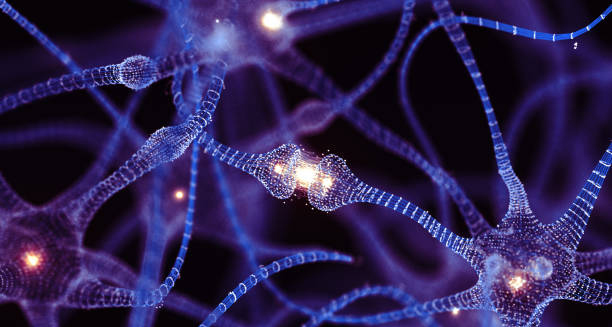
Digital illustration of brain neurons and synapses symbolising neurological treatment for chronic traumatic encephalopathy.

Treatment of Chronic Traumatic Encephalopathy

Treatment of Chronic Traumatic Encephalopathy Treatment of chronic traumatic encephalopathy is currently focused on symptom management and improving quality of life. As chronic traumatic encephalopathy is a degenerative and incurable condition, interventions aim to support mental, emotional, and physical wellbeing while reducing further injury. 1. Psychological Support Depression, anxiety, and mood disorders are common in CTE. Psychotherapy, counselling, and cognitive behavioural therapy (CBT) can help patients process emotional distress and develop coping strategies. Support groups for individuals and families are also beneficial. 2. Medications | Treatment of Chronic Traumatic Encephalopathy There are no approved drugs that reverse or stop the progression of CTE. However, medications may help manage symptoms: Doctors must monitor patients closely, as some drugs may worsen cognition or interact with other conditions. 3. Cognitive Rehabilitation Speech therapists, occupational therapists, and neuropsychologists work together to improve memory, attention, and problem-solving skills. Structured activities and cognitive exercises can help preserve function and promote independence. 4. Physical Therapy For patients with balance or movement issues, physiotherapy can improve coordination, mobility, and strength. Tailored exercise plans also support cardiovascular health and mental clarity. 5. Lifestyle Adjustments | Treatment of Chronic Traumatic Encephalopathy A structured routine, low-stress environment, and proper nutrition can help manage symptoms. Avoiding alcohol and stimulants is critical, as they may exacerbate neurological symptoms. 6. Education and Advance Planning Since CTE is progressive, early discussions about care preferences, legal planning, and financial decisions are important. Families should be informed about long-term care needs and options. 7. Prevention of Further Injury For individuals still participating in sports or military activity, complete retirement from high-risk activities is advised. Use of protective equipment and adherence to concussion protocols can help prevent worsening damage. The treatment of chronic traumatic encephalopathy currently focuses on comfort, support, and maximising function. Multidisciplinary care and early planning improve patient outcomes and reduce caregiver burden while researchers continue working toward disease-modifying therapies. [Next: Complications and Recovery from Chronic Traumatic Encephalopathy →]

Treatment of Chronic Traumatic Encephalopathy Read More »

Abstract silhouette of a head with hands reaching out from the brain, symbolising complications of chronic traumatic encephalopathy.

Complications and Recovery from Chronic Traumatic Encephalopathy

Complications and Recovery from Chronic Traumatic Encephalopathy Complications and recovery from chronic traumatic encephalopathy depend on the stage of the disease, the severity of symptoms, and the support systems in place. Because chronic traumatic encephalopathy is progressive and currently irreversible, recovery in the traditional sense is not possible. However, with comprehensive care, individuals can experience significant improvements in daily life and symptom control. 1. Progressive Cognitive Decline As CTE advances, memory loss, confusion, and impaired judgement worsen. Eventually, the patient may become dependent on others for daily activities, posing a significant emotional and financial burden on families. 2. Aggression and Impulsivity Uncontrolled behaviour can strain relationships and lead to dangerous situations. Legal or employment problems may arise if symptoms are misinterpreted or not managed properly. 3. Increased Risk of Suicide Due to mood instability, depression, and cognitive dysfunction, individuals with CTE have a higher risk of self-harm or suicide. This highlights the need for close mental health monitoring and support. 4. Loss of Independence | Complications and Recovery from Chronic Traumatic Encephalopathy As symptoms progress, patients may no longer be able to work, drive, or live alone. Planning for gradual transitions to assisted living or full-time care is crucial. 5. Physical Deterioration Motor symptoms such as tremors, gait instability, or stiffness may develop. Combined with cognitive issues, these can increase the risk of falls and other physical injuries. 6. Family and Caregiver Stress Caring for someone with CTE can be emotionally draining. Providing education, respite care, and psychological support to caregivers is vital to prevent burnout. 7. Delayed Recognition One major complication is misdiagnosis or delayed identification of the disease. People may be treated for depression, bipolar disorder, or Alzheimer’s without recognising the underlying CTE. Living with CTE Although recovery from CTE is not possible in a curative sense, quality of life can be preserved with the right support. Compassionate care, structured routines, early interventions, and mental health services make a significant difference. In conclusion, complications and recovery from chronic traumatic encephalopathy involve managing a wide spectrum of cognitive, emotional, and physical symptoms. While medical science continues searching for a cure, supportive care remains the cornerstone of treatment, offering dignity and comfort to those affected. [Next: Back to Overview →]

Complications and Recovery from Chronic Traumatic Encephalopathy Read More »

Chronic Pancreatitis

Chronic Pancreatitis

Chronic Pancreatitis – Overview Chronic pancreatitis is a long-standing inflammation of the pancreas that gradually impairs its structure and function. While acute pancreatitis is a sudden condition that usually resolves, this chronic disease develops over time and leads to irreversible damage, affecting the pancreas’s ability to produce digestive enzymes and hormones, including insulin. The pancreas is a vital organ located behind the stomach. It plays a crucial role in digestion and blood sugar regulation. In this disease, persistent inflammation causes scarring (fibrosis), calcification, and shrinking of the pancreas. Over time, this leads to digestive issues and can result in diabetes due to the loss of insulin-producing cells. The condition often causes severe abdominal pain, malabsorption of nutrients, weight loss, and complications such as diabetes mellitus or pancreatic insufficiency. Pain may become constant or flare up after eating, particularly fatty foods. In advanced stages, individuals may experience greasy stools, nausea, and fatigue. Chronic Pancreatitis Common causes include long-term alcohol use, genetic factors, autoimmune disease, and repeated episodes of acute pancreatitis. Smoking and certain medications may also contribute to its development. In some cases, the cause remains unknown — referred to as idiopathic this disease. There is no cure for this disease, but the condition can be managed with medications, enzyme replacement, lifestyle changes, and sometimes surgery. Early diagnosis and comprehensive management are essential to slow progression and reduce complications. In summary, this disease is a serious digestive condition marked by ongoing pancreatic inflammation, resulting in pain, malabsorption, and hormonal disruption. With proper treatment and lifestyle modifications, many patients can improve symptoms and maintain their quality of life. [Next: Causes of Chronic Pancreatitis →]

Chronic Pancreatitis Read More »

Man holding a glass of alcohol with his head down, illustrating alcohol as a cause of chronic pancreatitis.

Causes of Chronic Pancreatitis

Causes of Chronic Pancreatitis Causes of chronic pancreatitis vary widely, but most involve repeated or prolonged injury to the pancreas. These ongoing insults lead to inflammation, tissue destruction, and scarring. Understanding the causes of chronic pancreatitis helps guide treatment and prevention. 1. Long-Term Alcohol Use Chronic alcohol consumption is the most common cause in adults. It is estimated to account for about 40–70% of all cases. Alcohol damages pancreatic cells and promotes inflammation, leading to fibrosis over time. Notably, not all heavy drinkers develop chronic pancreatitis, suggesting that genetics and other factors influence susceptibility. 2. Genetic Mutations | Causes of Chronic Pancreatitis Certain inherited conditions increase the risk of developing pancreatitis. Mutations in the PRSS1, SPINK1, or CFTR genes can predispose individuals to early-onset or recurrent pancreatitis. These genetic forms often affect children or young adults and may progress more rapidly. 3. Recurrent Acute Pancreatitis Repeated episodes of acute pancreatitis, caused by gallstones, medications, or infections, can lead to chronic damage if the underlying issue remains unresolved. Each episode contributes to cumulative injury. 4. Autoimmune Pancreatitis This rare form results from the body’s immune system attacking the pancreas. It often presents with other autoimmune conditions and may respond well to corticosteroid therapy. Autoimmune pancreatitis can resemble pancreatic cancer on imaging and must be diagnosed carefully. 5. Obstruction of the Pancreatic Duct Blockages from gallstones, pancreatic cancer, or structural abnormalities such as pancreas divisum can prevent enzyme drainage, increasing pressure and leading to inflammation and fibrosis. 6. Smoking | Causes of Chronic Pancreatitis Tobacco use independently increases the risk of chronic pancreatitis, even in the absence of alcohol. Smoking appears to worsen the severity of the disease and accelerate its progression. 7. Hyperlipidaemia and Hypercalcaemia Elevated blood fats (triglycerides) and calcium levels can trigger repeated inflammation of the pancreas, eventually leading to chronic disease. 8. Idiopathic Causes In some individuals, no identifiable cause can be found. This is called idiopathic chronic pancreatitis and may still lead to significant long-term complications. Identifying the causes of chronic pancreatitis is key to preventing further damage. Abstaining from alcohol and smoking, managing genetic conditions, and treating underlying triggers can reduce progression and improve long-term outcomes. [Next: Symptoms of Chronic Pancreatitis →]

Causes of Chronic Pancreatitis Read More »

Woman clutching stomach and head in pain, showing symptoms of chronic pancreatitis.

Symptoms of Chronic Pancreatitis

Symptoms of Chronic Pancreatitis Symptoms of chronic pancreatitis often develop gradually but can become severe and debilitating over time. As chronic pancreatitis progresses, the pancreas loses its ability to produce digestive enzymes and hormones, leading to both digestive and metabolic problems. 1. Abdominal Pain Chronic, upper abdominal pain is the hallmark symptom. It may radiate to the back, worsen after eating, or become constant in advanced stages. Pain can be dull, burning, or sharp, and often significantly impacts quality of life. 2. Nausea and Vomiting These symptoms often accompany flare-ups or episodes of increased inflammation. In some cases, vomiting may be linked to complications like gastric outlet obstruction or severe malabsorption. 3. Weight Loss | Symptoms of Chronic Pancreatitis Weight loss is common, often due to reduced appetite, chronic pain, or malabsorption of fats and nutrients. Despite eating normally, patients may struggle to maintain body weight. 4. Fatty, Greasy Stools (Steatorrhoea) When the pancreas fails to produce enough digestive enzymes, fats are not properly broken down. This leads to pale, foul-smelling, greasy stools that may float and are difficult to flush. This symptom becomes more common in later stages. 5. Bloating and Indigestion Pancreatic insufficiency leads to poor digestion of proteins, fats, and carbohydrates. This causes bloating, excessive gas, and a sensation of fullness after small meals. 6. Diabetes As insulin-producing cells are damaged, patients may develop diabetes mellitus. Known as type 3c diabetes, this form arises due to loss of pancreatic endocrine function and can be difficult to control. 7. Fatigue | Symptoms of Chronic Pancreatitis Fatigue stems from poor nutritional absorption, pain, and sleep disturbance. Ongoing discomfort can disrupt rest and reduce physical stamina. 8. Jaundice (in rare cases) If a blocked bile duct accompanies the pancreatic inflammation, yellowing of the skin and eyes may occur. This requires prompt evaluation to rule out complications like cancer. Recognising symptoms of chronic pancreatitis early allows for quicker diagnosis, treatment, and nutritional support. Persistent abdominal pain, weight loss, and greasy stools should prompt investigation, especially in individuals with known risk factors like alcohol use or prior pancreatitis. [Next: Diagnosis of Chronic Pancreatitis →]

Symptoms of Chronic Pancreatitis Read More »

Doctor examining pancreas through magnifying glass representing chronic pancreatitis diagnosis.

Diagnosis of Chronic Pancreatitis

Diagnosis of Chronic Pancreatitis Diagnosis of chronic pancreatitis involves a combination of clinical evaluation, imaging, and laboratory tests. Since this pancreatitis progresses gradually and can mimic other gastrointestinal disorders, accurate diagnosis may be delayed, especially in early stages. 1. Medical History and Physical Examination Doctors begin by reviewing symptoms, alcohol use, smoking, family history, and any prior episodes of acute pancreatitis. Physical examination may reveal upper abdominal tenderness or signs of malnutrition such as weight loss and muscle wasting. 2. Blood Tests | Diagnosis of Chronic Pancreatitis Routine blood tests may show elevated levels of pancreatic enzymes (amylase and lipase), though these are often normal in chronic cases. Other tests assess liver function, blood sugar levels, calcium, and triglycerides. 3. Faecal Elastase Test This stool test measures the amount of pancreatic enzyme elastase. Low levels indicate exocrine insufficiency, suggesting advanced disease. 4. Imaging Tests 5. Pancreatic Function Tests These assess the ability of the pancreas to produce enzymes. Direct tests, such as secretin stimulation, are more accurate but less commonly used due to complexity. 6. Genetic Testing | Diagnosis of Chronic Pancreatitis If hereditary pancreatitis is suspected, genetic testing for PRSS1, CFTR, and SPINK1 mutations may be performed, particularly in younger patients. 7. Biopsy (if needed) A biopsy may be done if cancer is suspected or if imaging reveals suspicious masses. This helps distinguish chronic pancreatitis from pancreatic cancer. Accurate diagnosis of chronic pancreatitis is crucial to guide treatment, prevent complications, and improve quality of life. Early intervention with enzyme replacement, pain control, and lifestyle modification can dramatically affect long-term outcomes. [Next: Treatment of Chronic Pancreatitis →]

Diagnosis of Chronic Pancreatitis Read More »

Woman experiencing abdominal pain due to chronic pancreatitis complications.

Complications and Recovery from Chronic Pancreatitis

Complications and Recovery from Chronic Pancreatitis Complications and recovery from chronic pancreatitis are closely linked to disease severity, duration, and how well treatment is managed. While this pancreatitis is progressive and irreversible, early intervention and consistent care can minimise complications and enhance recovery. 1. Pancreatic Insufficiency As damage accumulates, the pancreas can no longer produce enough enzymes for digestion. This leads to malnutrition, vitamin deficiencies, and significant weight loss unless enzyme supplements are used. 2. Diabetes Mellitus Pancreatic endocrine cells are destroyed over time, leading to type 3c diabetes. This form of diabetes may be brittle and harder to manage due to concurrent malabsorption and fluctuating insulin needs. 3. Pseudocysts | Complications and Recovery from Chronic Pancreatitis Fluid-filled sacs may form within or near the pancreas. Small pseudocysts often resolve on their own, but larger ones may require drainage to prevent infection or rupture. 4. Bile Duct Obstruction Scarring or inflammation can block the bile duct, causing jaundice. In some cases, stenting or surgery is needed to restore normal bile flow. 5. Chronic Pain Persistent pain affects daily functioning and quality of life. Some patients become dependent on opioids, which carry risks of addiction and side effects. Pain clinics and multidisciplinary management are essential. 6. Increased Cancer Risk Chronic inflammation is a known risk factor for pancreatic cancer. Though the risk is relatively small, regular monitoring is advised, especially in hereditary cases or long-standing disease. 7. Osteoporosis | Complications and Recovery from Chronic Pancreatitis Fat malabsorption impairs calcium and vitamin D absorption, increasing the risk of osteoporosis and fractures. Bone density scans and supplements may be recommended. Recovery Outlook Although full reversal is not possible, many patients experience improved quality of life with proper care. Recovery focuses on symptom control, nutritional rehabilitation, and psychosocial support. Education, consistent follow-up, and support groups play a vital role in helping individuals adjust to chronic illness. Many patients with good adherence to therapy are able to work, travel, and maintain meaningful activities. In conclusion, complications and recovery from chronic pancreatitis require ongoing, personalised care. With the right support and treatment strategy, many people can manage the condition effectively and avoid further decline. [Next: Back to Overview→]

Complications and Recovery from Chronic Pancreatitis Read More »

Elderly man with COPD using a nebuliser at home, assisted by a nurse.

Chronic Obstructive Pulmonary Disease

Chronic Obstructive Pulmonary Disease (COPD) – Overview Chronic obstructive pulmonary disease is a long-term respiratory condition that causes airflow blockage and breathing-related problems. It includes both emphysema and chronic bronchitis, making this disease (COPD) one of the leading causes of illness and death worldwide. The disease develops gradually, with symptoms often going unnoticed until significant lung damage has occurred. COPD occurs when the lungs become inflamed and damaged, usually due to long-term exposure to harmful substances like cigarette smoke or air pollutants. The damage leads to narrowing of the airways and destruction of lung tissue, making it increasingly difficult to breathe. People with COPD often struggle to exhale fully, causing air to become trapped in the lungs. The disease is most common in people over the age of 40 and in smokers or former smokers. It can also affect non-smokers exposed to occupational dust, fumes, or indoor pollution from biomass fuels used for cooking or heating. Genetics also play a role; a rare inherited condition known as alpha-1 antitrypsin deficiency can increase susceptibility to COPD. Chronic Obstructive Pulmonary Disease (COPD) Symptoms develop slowly over years and include shortness of breath, persistent cough with phlegm, wheezing, and frequent respiratory infections. Over time, daily activities like walking, climbing stairs, or even talking can become difficult. Although COPD cannot be cured, it can be managed effectively with lifestyle changes, medications, and pulmonary rehabilitation. Early diagnosis and intervention are key to slowing progression and improving quality of life. In summary, this chronic disease is a preventable and treatable lung condition that limits airflow and causes breathing difficulties. With proper care and ongoing management, many people with COPD can continue leading active and fulfilling lives. [Next: Causes of Chronic Obstructive Pulmonary Disease →]

Chronic Obstructive Pulmonary Disease Read More »

Industrial smoke polluting the air, contributing to causes of chronic obstructive pulmonary disease.

Causes of Chronic Obstructive Pulmonary Disease

Causes of Chronic Obstructive Pulmonary Disease Causes of chronic obstructive pulmonary disease are mainly related to long-term exposure to harmful particles or gases that damage the lungs. While smoking remains the most significant risk factor, other causes contribute to the global burden of thisdisease, especially in low- and middle-income countries. 1. Smoking Tobacco Cigarette smoking is the leading cause of COPD. Around 85–90% of cases are linked to current or past tobacco use. The harmful chemicals in cigarette smoke inflame and destroy lung tissue, causing irreversible damage to airways and alveoli. Smoking cigars, pipes, and even marijuana can also contribute to COPD. 2. Exposure to Air Pollutants Long-term exposure to air pollution, especially fine particulate matter from vehicles or industrial sources, increases the risk of developing COPD. Indoor pollution from biomass fuel used for cooking and heating in poorly ventilated homes is a major contributor in many countries. 3. Occupational Hazards Jobs involving exposure to dust, vapours, chemicals, or fumes (e.g. in mining, construction, and agriculture) have been associated with a higher incidence of COPD. Prolonged inhalation of these substances irritates and inflames the lungs. 4. Genetic Factors A rare inherited condition called alpha-1 antitrypsin deficiency affects the production of a protein that protects the lungs from damage. Individuals with this condition may develop COPD at a younger age, even if they have never smoked. Genetic predisposition may also make some smokers more vulnerable to lung damage than others. 5. Respiratory Infections Repeated lung infections during childhood, especially in early years, may contribute to the development of COPD later in life. Infections can impair lung growth and resilience, increasing susceptibility to damage from pollutants or smoking. 6. Ageing and Gender | Causes of Chronic Obstructive Pulmonary Disease While not direct causes, ageing increases vulnerability to COPD due to natural decline in lung function. Men were historically more affected, but rates in women are rising, partly due to increased smoking among females and biological susceptibility to smoke-related damage. Understanding the causes of chronic obstructive pulmonary disease helps guide prevention efforts. Avoiding smoking, limiting exposure to pollutants, and identifying those with genetic risk can all reduce incidence. Public health interventions targeting indoor air quality and occupational safety are also vital. [Next: Symptoms of Chronic Obstructive Pulmonary Disease →]

Causes of Chronic Obstructive Pulmonary Disease Read More »

Woman coughing persistently, showing symptoms of chronic obstructive pulmonary disease.

Symptoms of Chronic Obstructive Pulmonary Disease

Symptoms of Chronic Obstructive Pulmonary Disease Symptoms of chronic obstructive pulmonary disease often develop gradually, and many people don’t realise they have it until significant lung damage has occurred. Because this disease worsens over time, recognising symptoms early can make a big difference in managing the disease and preserving lung function. 1. Shortness of Breath (Dyspnoea) This is the most common and progressive symptom. It typically starts during physical activity and worsens over time, eventually occurring even at rest. Patients often describe it as a feeling of “air hunger” or not getting enough air. 2. Persistent Cough A chronic cough that produces mucus (also called a smoker’s cough) is a hallmark symptom of COPD. This cough may appear years before other symptoms and often worsens in the morning or during cold weather. 3. Sputum Production Increased mucus production is caused by inflammation and excess secretions in the airways. The sputum may be clear, white, yellow, or green, depending on infection or inflammation levels. 4. Wheezing A whistling or squeaky sound when breathing, especially during exhalation, is caused by narrowed or inflamed airways. Wheezing may become more noticeable during infections or exercise. 5. Frequent Respiratory Infections People with COPD are more susceptible to bronchitis, pneumonia, and the common cold. Infections can trigger flare-ups (exacerbations), leading to worsening symptoms and hospitalisation. 6. Chest Tightness | Symptoms of Chronic Obstructive Pulmonary Disease Some individuals experience a sense of pressure or tightness in the chest, often triggered by exertion or cold air. This may be mistaken for heart-related issues and requires proper diagnosis. 7. Fatigue and Loss of Energy Reduced oxygen levels, especially during exertion, can lead to chronic fatigue and reduced stamina. Activities of daily living become exhausting, affecting independence and quality of life. 8. Unintended Weight Loss In advanced stages, the body works harder to breathe, burning more calories. This can result in weight loss and muscle wasting, particularly in the arms and legs. Recognising symptoms of chronic obstructive pulmonary disease early is vital. Anyone with a persistent cough, breathlessness, or history of smoking should seek medical advice. Early intervention, even in mild cases, can greatly improve outcomes and reduce complications. [Next: Diagnosis of Chronic Obstructive Pulmonary Disease →]

Symptoms of Chronic Obstructive Pulmonary Disease Read More »

Scroll to Top