Mental Matters

Author name: admin

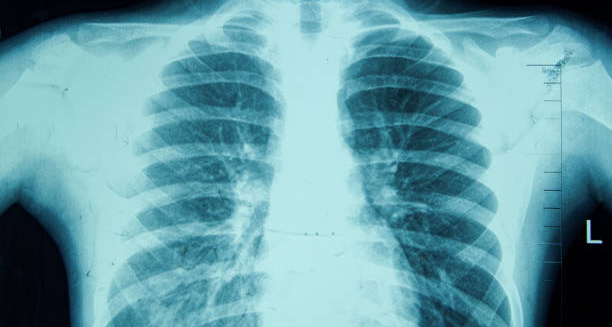
Chest X-ray showing lung damage associated with chronic obstructive pulmonary disease.

Diagnosis of Chronic Obstructive Pulmonary Disease

Diagnosis of Chronic Obstructive Pulmonary Disease Diagnosis of chronic obstructive pulmonary disease involves evaluating medical history, assessing symptoms, and conducting specific lung function tests. Because this disease shares symptoms with other respiratory conditions like asthma or heart failure, a thorough evaluation is essential for an accurate diagnosis. 1. Medical History and Physical Examination The first step involves reviewing the patient’s history of smoking, exposure to occupational dust or fumes, and frequency of respiratory infections. A physical exam may reveal signs such as wheezing, prolonged expiration, or reduced breath sounds. 2. Spirometry (Lung Function Test) Spirometry is the gold standard for diagnosing COPD. The test measures how much air a person can breathe out in one second (FEV1) and the total amount exhaled (FVC). A reduced FEV1/FVC ratio (below 70%) confirms airflow limitation characteristic of COPD. 3. Chest X-Ray or CT Scan | Diagnosis of Chronic Obstructive Pulmonary Disease Imaging tests can rule out other conditions like lung cancer, tuberculosis, or heart disease. They may show lung overinflation, flattened diaphragms, or enlarged air spaces typical of emphysema. 4. Arterial Blood Gas Analysis In advanced COPD or during exacerbations, blood tests may be done to measure oxygen and carbon dioxide levels. Low oxygen and high CO₂ levels suggest severe disease and guide oxygen therapy decisions. 5. Alpha-1 Antitrypsin Deficiency Test If COPD is diagnosed in a person under 45 or without a smoking history, this blood test may be ordered to check for inherited enzyme deficiencies that cause early-onset lung damage. 6. Six-Minute Walk Test | Diagnosis of Chronic Obstructive Pulmonary Disease This assesses the functional impact of COPD by measuring how far a person can walk in six minutes. It also helps determine if supplemental oxygen is needed during exertion. 7. Blood and Sputum Tests These tests may help rule out infection or other underlying diseases. Sputum cultures can detect bacterial causes of chronic bronchitis or infections during flare-ups. An early and accurate diagnosis allows for effective treatment planning. Once diagnosed, the disease is staged according to severity, guiding interventions and monitoring over time. [Next: Treatment of Chronic Obstructive Pulmonary Disease →]

Diagnosis of Chronic Obstructive Pulmonary Disease Read More »

Woman breaking a cigarette in half as part of chronic obstructive pulmonary disease treatment.

Treatment of Chronic Obstructive Pulmonary Disease

Treatment of Chronic Obstructive Pulmonary Disease Treatment of chronic obstructive pulmonary disease focuses on relieving symptoms, slowing disease progression, preventing complications, and improving quality of life. Although chronic obstructive pulmonary disease is irreversible, a combination of medications, therapies, and lifestyle changes can significantly improve daily function and outcomes. 1. Smoking Cessation The most important step in managing COPD is quitting smoking. Stopping smoking slows lung function decline and improves response to medication. Behavioural therapy, nicotine replacement, and prescription medications can help with cessation. 2. Bronchodilators These medications relax the muscles around the airways, making breathing easier. They are usually inhaled and include: 3. Inhaled Corticosteroids Used in combination with bronchodilators, corticosteroids reduce airway inflammation and the frequency of exacerbations. They are not usually prescribed alone due to potential side effects. 4. Combination Inhalers Many patients benefit from inhalers that combine two or more medications, such as long-acting bronchodilators and steroids, for convenience and enhanced effect. 5. Pulmonary Rehabilitation A supervised programme of exercise, education, and breathing techniques improves lung efficiency, muscle strength, and confidence in managing symptoms. It can greatly reduce hospital admissions and fatigue. 6. Oxygen Therapy For patients with chronically low blood oxygen levels, supplemental oxygen improves survival and quality of life. It may be used continuously or only during exertion or sleep. 7. Vaccinations | Treatment of Chronic Obstructive Pulmonary Disease Influenza and pneumococcal vaccines help prevent infections that can cause severe flare-ups or hospitalisation. 8. Surgical Options In selected patients with severe emphysema, surgery may be considered. This includes lung volume reduction surgery or, rarely, lung transplantation in younger individuals with end-stage disease. Treatment of chronic obstructive pulmonary disease is most effective when it includes lifestyle modification, medication adherence, and regular follow-up. Education and support empower patients to manage their symptoms and stay active. [Next: Complications and Recovery from Chronic Obstructive Pulmonary Disease →]

Treatment of Chronic Obstructive Pulmonary Disease Read More »

Woman coughing and wrapped in a blanket, showing complications of chronic obstructive pulmonary disease.

Complications and Recovery from Chronic Obstructive Pulmonary Disease

Complications and Recovery from Chronic Obstructive Pulmonary Disease Complications and recovery from chronic obstructive pulmonary disease vary depending on disease severity, treatment adherence, and lifestyle factors. Although this is progressive, many patients can reduce complications and enjoy meaningful recovery through proactive management. 1. Exacerbations Flare-ups or exacerbations are episodes of worsening symptoms often triggered by infections or environmental irritants. They can lead to hospitalisation and accelerate lung function decline. Preventing exacerbations is a primary goal of COPD treatment. 2. Respiratory Failure In advanced COPD, gas exchange becomes impaired. This may result in chronic low oxygen (hypoxaemia) and high carbon dioxide (hypercapnia) levels, requiring long-term oxygen therapy or non-invasive ventilation. 3. Heart Problems COPD increases the risk of heart disease, especially right-sided heart failure (cor pulmonale) due to strain on the heart from lung dysfunction. This complication may require diuretics or additional heart medications. 4. Pneumonia and Other Infections People with COPD are more prone to pneumonia, bronchitis, and influenza, which can be life-threatening. Vaccination and prompt treatment of infections are essential. 5. Depression and Anxiety Living with chronic breathlessness and declining physical ability can lead to mental health issues. Support groups, counselling, and appropriate medication can help address emotional challenges. 6. Weight Loss and Muscle Wasting Advanced COPD increases energy demands while reducing appetite, leading to weight loss. Nutritional counselling and exercise can slow this process and restore strength. Recovery and Management | Complications and Recovery from Chronic Obstructive Pulmonary Disease While full recovery from COPD is not possible, symptom control and improved functional ability are achievable. With the right treatment plan: Rehabilitation, medication optimisation, smoking cessation, and caregiver support all contribute to meaningful improvements. In conclusion, complications require long-term commitment. With a structured plan and proactive care, patients can slow disease progression, prevent hospitalisations, and maintain quality of life. [Next: Back to Overview →]

Complications and Recovery from Chronic Obstructive Pulmonary Disease Read More »

Yellow radiation warning flag symbolising environmental causes of chronic myeloid leukaemia.

Chronic Myeloid Leukaemia

Chronic Myeloid Leukaemia – Overview Chronic myeloid leukaemia is a slow-growing cancer of the bone marrow and blood that primarily affects adults. Although this leukaemia (CML) may initially develop with few or no symptoms. It is a serious condition that, if left untreated, can progress to more aggressive phases resembling acute leukaemia. It represents approximately 15% of all adult leukaemias and most commonly occurs in individuals aged 50 to 70. CML begins in the bone marrow, where blood cells are produced. A genetic mutation occurs in a stem cell, producing an abnormal chromosome known as the Philadelphia chromosome. This mutation creates a fusion gene called BCR-ABL1. Which produces a protein that promotes the uncontrolled growth of white blood cells. These abnormal cells accumulate in the bloodstream and bone marrow, interfering with the production of healthy blood cells. CML typically progresses through three phases: chronic, accelerated, and blast crisis. Most individuals are diagnosed during the chronic phase, which is the most stable and easiest to treat. Without effective management, the disease may evolve into the accelerated phase and eventually a blast crisis. Furthermore, it resembles acute leukaemia with a poorer prognosis. Chronic Myeloid Leukaemia Thanks to advances in molecular biology, particularly the development of tyrosine kinase inhibitors (TKIs), CML is now considered a highly treatable disease. Many people live long and healthy lives with CML, often experiencing long-term remission and normal life expectancy when diagnosed early and treated properly. In summary, this condition is a genetically driven blood cancer that can be effectively managed with modern targeted therapies. Early diagnosis and continuous monitoring are essential for achieving the best possible outcomes. [Next: Causes of Chronic Myeloid Leukaemia →]

Chronic Myeloid Leukaemia Read More »

Radiation hazard symbol representing environmental exposure as a cause of chronic myeloid leukaemia.

Causes of Chronic Myeloid Leukaemia

Causes of Chronic Myeloid Leukaemia Causes of chronic myeloid leukaemia are primarily rooted in genetic abnormalities, particularly the formation of the Philadelphia chromosome. While the precise trigger for this mutation is not always known, nearly every case of chronic myeloid leukaemia involves the same genetic change, which has enabled the development of highly targeted treatments. 1. Philadelphia Chromosome and BCR-ABL1 Fusion Gene The Philadelphia chromosome is a shortened version of chromosome 22 formed when parts of chromosomes 9 and 22 switch places. This results in the BCR-ABL1 fusion gene, which creates an abnormal protein with unregulated tyrosine kinase activity. This protein signals cells to grow and divide uncontrollably, which is the fundamental cause of CML. This mutation is not inherited; rather, it occurs during a person’s lifetime. It’s an acquired mutation, meaning it happens in the DNA of a single blood-forming cell and is not passed from parent to child. 2. Radiation Exposure | Causes of Chronic Myeloid Leukaemia Exposure to high levels of radiation has been associated with an increased risk of CML. Studies of atomic bomb survivors and individuals exposed to therapeutic radiation have shown a modest increase in risk. However, CML is rare, even among these groups, and the overall risk remains low. 3. Age and Gender CML is more common in older adults, with the majority of cases diagnosed in people over 50. Men are slightly more likely to be diagnosed with CML than women, although the reasons for this are not well understood. 4. Environmental and Occupational Exposure Research has explored the role of chemical exposures such as benzene, but no conclusive links have been established. Smoking, diet, and other lifestyle factors have not been shown to significantly impact CML risk. 5. No Known Hereditary Link | Causes of Chronic Myeloid Leukaemia CML is not considered a hereditary cancer. There is no consistent evidence that it runs in families or is passed on genetically. Family members of patients with CML are not considered to be at increased risk. Although the causes of chronic myeloid leukaemia largely centre on a single genetic event, the reasons why this mutation occurs in some individuals and not others remain under investigation. What is known, however, is that this mutation offers a clear therapeutic target, which has revolutionised treatment options and prognosis for CML patients. [Next: Symptoms of Chronic Myeloid Leukaemia →]

Causes of Chronic Myeloid Leukaemia Read More »

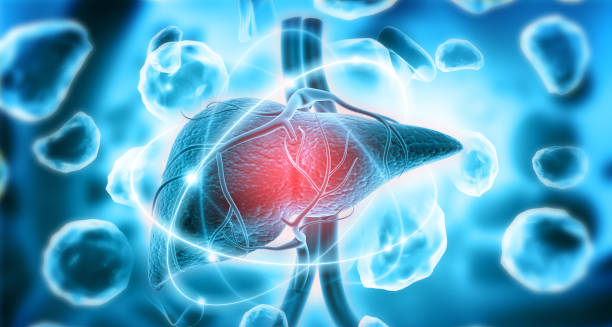
Enlarged liver due to chronic myeloid leukaemia (CML) – a common symptom caused by excess white blood cell production.

Symptoms of Chronic Myeloid Leukaemia

Symptoms of Chronic Myeloid Leukaemia Symptoms of chronic myeloid leukaemia can be mild, vague, or entirely absent in the early stages, particularly during the chronic phase. Because chronic myeloid leukaemia progresses gradually, many people are diagnosed incidentally during routine blood tests. As the disease advances, symptoms become more pronounced and may interfere with daily life. 1. Fatigue and Weakness A persistent feeling of tiredness is one of the most common symptoms. This occurs because the production of healthy red blood cells is disrupted, leading to anaemia and reduced oxygen delivery throughout the body. 2. Enlarged Spleen (Splenomegaly) The spleen may become significantly enlarged as it attempts to filter the excess abnormal white blood cells. This can cause discomfort or a feeling of fullness in the upper left abdomen, and may also lead to early satiety. 3. Weight Loss and Appetite Loss Unintentional weight loss is a common sign, especially as the disease enters more advanced phases. A reduced appetite often accompanies spleen enlargement and overall metabolic changes caused by cancer. 4. Night Sweats and Low-Grade Fevers Systemic symptoms such as excessive sweating at night and unexplained fevers may be present, especially during the accelerated phase or blast crisis. These symptoms reflect increased cancer activity and the body’s inflammatory response. 5. Bleeding or Bruising | Symptoms of Chronic Myeloid Leukaemia As CML progresses, platelet production may decline, resulting in increased bruising, frequent nosebleeds, or prolonged bleeding after minor injuries. 6. Bone and Joint Pain Pain in the bones or joints, particularly in the long bones, is sometimes reported. This is thought to result from the expanding population of immature white cells in the bone marrow. 7. Frequent Infections | Symptoms of Chronic Myeloid Leukaemia Although not as common in early stages, recurrent infections may occur due to poor immune function caused by an imbalance in white blood cell types. Recognising the symptoms of chronic myeloid leukaemia early enables earlier diagnosis, monitoring, and treatment. Regular health screenings and follow-up blood work in high-risk individuals, particularly older adults, can be vital in catching the disease in its earliest and most treatable phase. [Next: Diagnosis of Chronic Myeloid Leukaemia →]

Symptoms of Chronic Myeloid Leukaemia Read More »

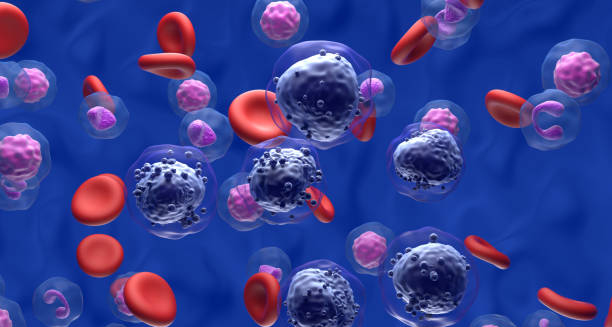
Blood cell illustration showing abnormal white cells used for diagnosing chronic myeloid leukaemia

Diagnosis of Chronic Myeloid Leukaemia

Diagnosis of Chronic Myeloid Leukaemia Diagnosis of chronic myeloid leukaemia begins with a thorough examination of blood and bone marrow samples. Since chronic myeloid leukaemia often progresses slowly and may not initially cause symptoms, it is frequently detected through routine blood tests revealing elevated white blood cell counts. 1. Complete Blood Count (CBC) The first indication of CML is usually a high white blood cell count. The CBC may also reveal anaemia (low red blood cells) and abnormal platelet counts. Immature white cells, such as myelocytes and promyelocytes, are often present in the blood. 2. Peripheral Blood Smear | Diagnosis of Chronic Myeloid Leukaemia A microscope is used to examine the shape and maturity of cells in the blood. A smear showing excessive immature granulocytes is typical of CML. 3. Bone Marrow Aspiration and Biopsy A bone marrow test confirms the diagnosis and provides insight into how far the disease has progressed. It assesses the percentage of immature white cells and the cellularity of the marrow. 4. Cytogenetic Analysis Testing for the Philadelphia chromosome is central to diagnosing CML. Conventional karyotyping or more sensitive techniques such as fluorescence in situ hybridisation (FISH) are used to identify the translocation between chromosomes 9 and 22. 5. PCR Testing | Diagnosis of Chronic Myeloid Leukaemia Polymerase chain reaction (PCR) detects and quantifies the BCR-ABL1 fusion gene. It is highly sensitive and used for ongoing monitoring of treatment response. A falling BCR-ABL1 level indicates successful treatment. 6. Additional Blood Tests Other tests may include serum lactate dehydrogenase (LDH), uric acid levels, and liver function tests. These help evaluate disease burden and manage side effects of treatment. Diagnosis also involves classifying the disease stage: A confirmed diagnosis of chronic myeloid leukaemia allows physicians to begin targeted treatment quickly. Because CML has such a strong molecular marker, diagnosis is highly specific and helps inform both prognosis and therapeutic strategy. [Next: Treatment of Chronic Myeloid Leukaemia →]

Diagnosis of Chronic Myeloid Leukaemia Read More »

Conceptual illustration of targeted drug therapy for chronic myeloid leukaemia treatment

Treatment of Chronic Myeloid Leukaemia

Treatment of Chronic Myeloid Leukaemia Treatment of chronic myeloid leukaemia has been revolutionised by the development of targeted therapies. While chronic myeloid leukaemia was once considered a fatal illness, it is now often managed as a chronic condition. Many patients achieve deep molecular remission and maintain normal life expectancy with ongoing treatment. 1. Tyrosine Kinase Inhibitors (TKIs) TKIs are the first-line treatment for most patients with CML. These drugs specifically block the BCR-ABL1 protein created by the Philadelphia chromosome, halting cancer cell growth. Common TKIs include: TKIs are usually taken orally once or twice daily and require lifelong adherence. 2. Monitoring Treatment Response Regular PCR tests are used to monitor the level of BCR-ABL1 in the blood. A major molecular response within 12 months is a positive sign. Treatment is adjusted if milestones are not met or if side effects are intolerable. 3. Stem Cell Transplant | Treatment of Chronic Myeloid Leukaemia For patients in blast crisis or with resistance to multiple TKIs, allogeneic stem cell transplantation may be considered. This option is high-risk and generally reserved for younger patients or those with aggressive disease. 4. Supportive Care Management of side effects such as fatigue, anaemia, or infections is essential. Some patients experience fluid retention, muscle cramps, or gastrointestinal issues. Regular monitoring helps manage these side effects and ensures continued treatment adherence. 5. Treatment-Free Remission (TFR) | Treatment of Chronic Myeloid Leukaemia Some patients who achieve deep, sustained remission may be eligible to stop therapy under medical supervision. This approach is still being studied but offers hope for long-term drug-free remission. In summary, treatment of chronic myeloid leukaemia is highly effective and focused on targeted inhibition of the disease-driving gene. With proper adherence and regular monitoring, most patients can live normal, active lives. [Next: Complications and Recovery from Chronic Myeloid Leukaemia →]

Treatment of Chronic Myeloid Leukaemia Read More »

Woman in recovery wearing a colourful beanie after treatment for chronic myeloid leukaemia

Complications and Recovery from Chronic Myeloid Leukaemia

Complications and Recovery from Chronic Myeloid Leukaemia Complications and recovery from chronic myeloid leukaemia depend on the stage of the disease. The patient’s response to treatment, and how early the condition was diagnosed. Although chronic myeloid leukaemia is now considered manageable, it can still lead to serious health challenges if not treated appropriately. 1. Drug Side Effects | Complications and Recovery from Chronic Myeloid Leukaemia Tyrosine kinase inhibitors (TKIs) are generally well tolerated, but they can cause fatigue, fluid retention, nausea, and, in some cases, cardiovascular effects. Long-term use may lead to decreased bone density or liver enzyme elevations, requiring close monitoring. 2. Resistance to Therapy Some patients develop resistance to TKIs, especially if they have certain mutations like T315I. Resistance can lead to disease progression and necessitate switching to a different TKI or considering a stem cell transplant. 3. Progression to Advanced Phases If untreated or if therapy fails, CML can progress to the accelerated phase or blast crisis. These advanced stages are more difficult to treat and resemble acute leukaemia, often requiring aggressive chemotherapy or transplant. 4. Secondary Cancers Though rare, some patients treated for CML may develop secondary malignancies. This may be linked to long-term suppression of normal blood cell development or previous exposure to radiation or chemotherapy. 5. Psychological Impact Living with a chronic cancer diagnosis, even one with a good prognosis, can be mentally and emotionally taxing. Anxiety about relapse, long-term medication use, and regular testing can affect quality of life. Recovery Outlook | Complications and Recovery from Chronic Myeloid Leukaemia With appropriate treatment, many patients achieve full remission. While CML requires lifelong monitoring, the outlook is excellent for most people diagnosed in the chronic phase. Patients who respond well to TKIs can enjoy long-term survival and, in some cases, discontinue therapy under close observation. Life After Diagnosis Most patients return to work, travel, and family life with few limitations. Regular appointments and lifestyle adjustments, such as maintaining a healthy diet and avoiding unnecessary medications, help support long-term health. In conclusion, complications are manageable with modern medicine. Long-term remission is achievable, and many patients live normal, healthy lives under continuous care and monitoring. [Next: Back to Overview →]

Complications and Recovery from Chronic Myeloid Leukaemia Read More »

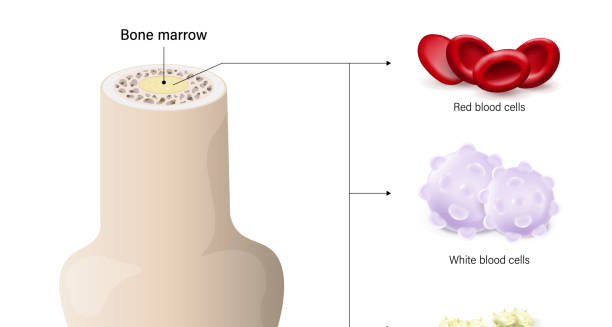
Bone marrow diagram showing red and white blood cells involved in chronic lymphocytic leukaemia

Chronic Lymphocytic Leukaemia

Chronic Lymphocytic Leukaemia – Overview Chronic lymphocytic leukaemia is a type of cancer that affects a specific group of white blood cells called lymphocytes. These cells originate in the bone marrow and play a vital role in the immune system. Chronic lymphocytic leukaemia (CLL) typically progresses slowly and is the most common form of leukaemia in adults, especially those over 60. It often presents with no symptoms in the early stages, making it a condition that is frequently diagnosed during routine blood tests. CLL develops when abnormal lymphocytes multiply uncontrollably. These cancerous cells accumulate in the blood, bone marrow, and lymph nodes, eventually crowding out healthy cells. As a result, individuals with CLL may become more prone to infections, anaemia, and bleeding problems due to a lack of functional blood cells. Unlike acute leukaemia, which progresses rapidly and requires immediate treatment, CLL can remain stable for many years. Some individuals may never require active treatment and are instead monitored under a strategy known as “watchful waiting.” However, others may experience worsening symptoms or blood count abnormalities that necessitate intervention. Chronic Lymphocytic Leukaemia – Overview The cause of CLL is not fully understood, but certain risk factors are known. These include advancing age, family history of blood cancers, exposure to certain chemicals like Agent Orange, and being of Caucasian descent. Men are more frequently affected than women. Diagnosis is typically made through blood tests that reveal elevated lymphocyte counts, followed by flow cytometry to identify the type of abnormal cells. A bone marrow biopsy or imaging tests may be used in more advanced cases to assess disease progression. CLL is generally considered incurable but manageable. Many people live for years — even decades — with the condition, especially if diagnosed early and monitored closely. Advances in targeted therapies and immunotherapy have transformed treatment, significantly improving prognosis. In summary, chronic lymphocytic leukaemia is a slow-growing blood cancer that affects older adults and can often be managed effectively. Early detection, careful monitoring, and personalised treatment plans offer the best path forward. [Next: Causes of Chronic Lymphocytic Leukaemia →]

Chronic Lymphocytic Leukaemia Read More »

Scroll to Top