Mental Matters

Author name: admin

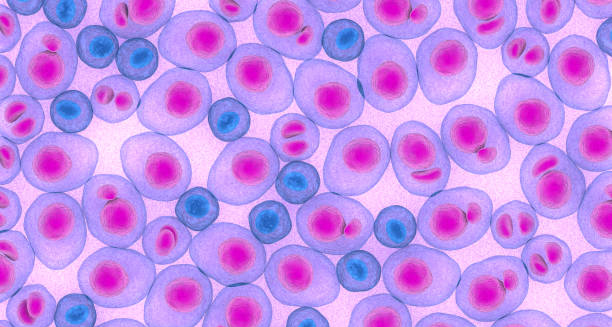
Microscopic image showing abnormal lymphocytes related to chronic lymphocytic leukaemia

Causes of Chronic Lymphocytic Leukaemia

Causes of Chronic Lymphocytic Leukaemia Causes of chronic lymphocytic leukaemia are not entirely clear, but scientists believe a combination of genetic, environmental, and age-related factors contribute to the development of this disease. Understanding the causes of chronic lymphocytic leukaemia is essential for risk assessment and ongoing research into prevention. 1. Genetic Predisposition One of the strongest indicators of CLL risk is family history. Individuals with a close relative who has CLL or another type of blood cancer are more likely to develop the condition themselves. Specific gene mutations, including abnormalities in chromosomes 13, 11, and 17, have been associated with CLL. Although these genetic changes are acquired rather than inherited, research continues into how inherited traits may influence susceptibility. 2. Age and Gender CLL primarily affects older adults. The average age at diagnosis is around 70, and the risk increases significantly with age. It is rare in individuals under 40. Men are about twice as likely to develop CLL compared to women, though the reasons for this disparity remain unclear. 3. Ethnicity | Causes of Chronic Lymphocytic Leukaemia There is a higher prevalence of CLL among people of European descent. The disease is less common in Asian and African populations, though migration studies suggest that environmental exposures also play a role, since risk levels change after relocation. 4. Environmental Factors Exposure to certain chemicals, especially herbicides and insecticides, has been linked to an increased risk of CLL. One well-documented example is Agent Orange, used during the Vietnam War, which has been associated with a higher incidence of CLL in exposed military personnel. Farming and agricultural occupations may also carry increased risk. 5. Immune System Irregularities People with autoimmune conditions or weakened immune systems due to infections such as HIV may have a higher chance of developing CLL. Although not a direct cause, immune system dysfunction may influence the onset or progression of the disease. 6. Radiation Exposure | Causes of Chronic Lymphocytic Leukaemia Unlike other cancers, ionising radiation is not strongly linked to CLL. However, it remains under investigation, especially in relation to other blood cancers. Importantly, CLL is not caused by lifestyle choices such as smoking, alcohol use, or diet. Nor is it contagious. However, general health and immune function can influence how the disease manifests and progresses. While many of the causes of chronic lymphocytic leukaemia remain under investigation, knowing the associated risk factors can help identify high-risk individuals and guide future prevention strategies. Ongoing genetic research may eventually uncover targeted ways to prevent or delay disease development. [Next: Symptoms of Chronic Lymphocytic Leukaemia →]

Causes of Chronic Lymphocytic Leukaemia Read More »

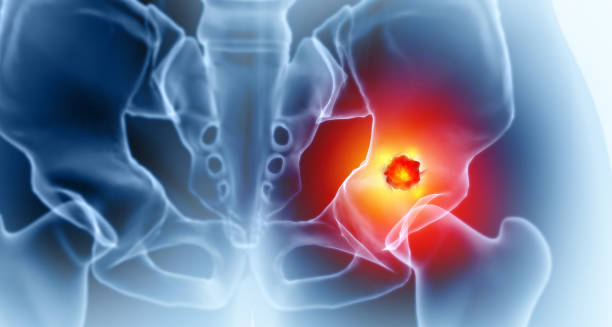
X-ray illustration showing cancerous growth in the pelvic region linked to chronic lymphocytic leukaemia

Symptoms of Chronic Lymphocytic Leukaemia

Symptoms of Chronic Lymphocytic Leukaemia Symptoms of chronic lymphocytic leukaemia can be vague or absent in the early stages, which is why the condition is often discovered during routine blood work. However, as this leukaemia progresses, more noticeable signs and symptoms may develop due to the accumulation of abnormal lymphocytes and the suppression of normal blood cell production. 1. Fatigue One of the most common symptoms is a persistent sense of tiredness or weakness. This results from anaemia caused by a shortage of healthy red blood cells, as well as the general energy drain caused by cancer in the body. 2. Swollen Lymph Nodes Swelling in the neck, armpits, or groin may occur as abnormal lymphocytes accumulate in the lymph nodes. These swellings are usually painless but can be uncomfortable or lead to a sensation of pressure. 3. Frequent Infections | Symptoms of Chronic Lymphocytic Leukaemia Because CLL weakens the immune system, affected individuals may experience more frequent or severe infections, including respiratory or urinary tract infections. The cancerous cells are ineffective at fighting pathogens, and they crowd out healthy white blood cells. 4. Easy Bruising and Bleeding Low platelet counts can lead to increased bruising, prolonged bleeding from minor cuts, or frequent nosebleeds. This symptom becomes more common in advanced stages of the disease. 5. Weight Loss and Loss of Appetite Unintentional weight loss and reduced appetite are red flags, often indicating disease progression. These symptoms may be caused by increased energy demands of the cancer or the body’s inflammatory response. 6. Night Sweats and Fever | Symptoms of Chronic Lymphocytic Leukaemia Some individuals experience drenching night sweats or unexplained fevers. These symptoms are often signs of systemic inflammation and are considered “B symptoms” — indicators of more aggressive disease. 7. Enlarged Spleen or Liver The spleen and liver may become enlarged due to lymphocyte infiltration. This can cause a feeling of fullness in the abdomen, discomfort, or early satiety after eating. Many of these symptoms are non-specific and may mimic other illnesses, especially in older adults. For that reason, diagnosis often comes after further investigation of unexplained symptoms or abnormalities in routine blood tests. Monitoring for symptoms of chronic lymphocytic leukaemia is essential, even after diagnosis, as their appearance or worsening can signal disease progression and the need to initiate or adjust treatment. [Next: Diagnosis of Chronic Lymphocytic Leukaemia →]

Symptoms of Chronic Lymphocytic Leukaemia Read More »

Doctor collecting blood sample in sterile conditions for chronic lymphocytic leukaemia diagnosis

Diagnosis of Chronic Lymphocytic Leukaemia

Diagnosis of Chronic Lymphocytic Leukaemia Diagnosis of chronic lymphocytic leukaemia often begins with an incidental finding during routine blood work. Many individuals with chronic lymphocytic leukaemia show no symptoms initially, but blood tests may reveal elevated white blood cell counts, prompting further investigation. 1. Complete Blood Count (CBC) The first clue is usually a high lymphocyte count on a CBC. A sustained elevation of lymphocytes, especially when not linked to an active infection, raises suspicion for CLL. Other abnormalities may include low red blood cells (anaemia) and reduced platelets (thrombocytopenia). 2. Peripheral Blood Smear This test involves examining a drop of blood under a microscope. It helps identify the presence of small, mature-appearing lymphocytes and smudge cells (damaged lymphocytes), which are typical in CLL. 3. Flow Cytometry | Diagnosis of Chronic Lymphocytic Leukaemia Flow cytometry is a key diagnostic tool. It analyses surface markers on white blood cells to distinguish between normal and abnormal lymphocytes. In CLL, the cancerous B-cells express a characteristic pattern of proteins, including CD5, CD19, and CD23. 4. FISH Testing and Cytogenetics Fluorescence in situ hybridisation (FISH) identifies chromosomal abnormalities that have prognostic significance. Deletions on chromosomes 13q, 11q, and 17p, or the presence of trisomy 12, help predict how aggressive the disease may be and guide treatment planning. 5. Bone Marrow Biopsy While not always necessary at diagnosis, a biopsy of the bone marrow may be performed to assess the extent of disease involvement, especially if treatment is being considered. 6. Imaging Tests | Diagnosis of Chronic Lymphocytic Leukaemia Ultrasound, CT, or PET scans may be used to evaluate enlarged lymph nodes, spleen, or liver. Imaging is especially useful if bulky disease or complications are suspected. 7. Beta-2 Microglobulin and IGHV Mutation Status These blood tests offer additional information about disease progression and prognosis. Unmutated IGHV genes, for example, are associated with a more aggressive disease course. Diagnosis is usually confirmed through a combination of these tests. Once diagnosed, CLL is staged using systems like the Rai or Binet classification, which help determine prognosis and treatment necessity. A timely and accurate diagnosis of chronic lymphocytic leukaemia provides the foundation for effective disease monitoring and tailored care. Not all cases require immediate treatment — many are simply observed until symptoms develop or blood counts change significantly. [Next: Treatment of Chronic Lymphocytic Leukaemia →]

Diagnosis of Chronic Lymphocytic Leukaemia Read More »

Medical professional administering intravenous treatment for chronic lymphocytic leukaemia

Treatment of Chronic Lymphocytic Leukaemia

Treatment of Chronic Lymphocytic Leukaemia Treatment of chronic lymphocytic leukaemia is tailored to the individual. Taking into account their age, general health, symptoms, and genetic markers. Because chronic lymphocytic leukaemia often progresses slowly, many patients do not need immediate therapy. Instead, doctors may recommend “watchful waiting” with regular monitoring until signs of disease progression emerge. The decision to begin treatment usually depends on the presence of symptoms such as significant fatigue, weight loss, night sweats, rapidly increasing lymphocyte counts, or complications like anaemia or thrombocytopenia. Enlarged lymph nodes or spleen that cause discomfort or organ dysfunction may also prompt treatment. 1. Chemotherapy Doctors have used traditional chemotherapy drugs—fludarabine, cyclophosphamide, and chlorambucil—to treat CLL for decades. These agents work by targeting and destroying rapidly dividing cells, but they also affect healthy cells, leading to side effects like nausea, fatigue, and increased infection risk. 2. Targeted Therapy | Treatment of Chronic Lymphocytic Leukaemia Modern treatment often focuses on targeted drugs that interfere with specific molecules or pathways in cancer cells. These therapies include: Taken orally, these medications have reshaped CLL treatment by delivering strong results with fewer side effects than standard chemotherapy. 3. Monoclonal Antibodies These laboratory-produced proteins bind to specific targets on cancer cells. Examples include: They can be used alone or in combination with chemotherapy or targeted drugs to enhance response rates. 4. Stem Cell Transplant In rare, aggressive cases — particularly those with high-risk genetic mutations like 17p deletion — allogeneic stem cell transplantation may be considered. This option is generally reserved for younger, fit patients who haven’t responded to other treatments. 5. Clinical Trials Participation in clinical research offers access to cutting-edge therapies. Many trials focus on combining drugs or testing new targeted treatments with fewer side effects. 6. Supportive Care | Treatment of Chronic Lymphocytic Leukaemia Management of infections, anaemia, and other symptoms is a critical part of CLL treatment. Prophylactic antibiotics, antiviral agents, blood transfusions, and immunoglobulin therapy may be used as needed. Treatment response is assessed using blood tests, physical exams, and imaging. Some patients achieve remission, while others experience relapses that require different therapies over time. Overall, treatment of chronic lymphocytic leukaemia has advanced significantly. Patients now have more options than ever, with many living long, high-quality lives thanks to improved, personalised care strategies. [Next: Complications and Recovery from Chronic Lymphocytic Leukaemia →]

Treatment of Chronic Lymphocytic Leukaemia Read More »

Cancer patient undergoing chemotherapy for chronic lymphocytic leukaemia

Complications and Recovery from Chronic Lymphocytic Leukaemia

Complications and Recovery from Chronic Lymphocytic Leukaemia Complications and recovery from chronic lymphocytic leukaemia vary based on disease stage, treatment response, and overall patient health. While chronic lymphocytic leukaemia can remain stable for years, it may eventually cause systemic complications that require close management. 1. Infections Because CLL weakens the immune system, infections are a leading cause of complications. Patients may experience frequent respiratory, urinary tract, or skin infections. Even minor infections can become severe, particularly after chemotherapy or monoclonal antibody therapy. Preventive antibiotics, vaccinations (excluding live vaccines), and immunoglobulin replacement therapy may be used to reduce risk. 2. Anaemia and Thrombocytopenia As cancerous lymphocytes crowd out normal bone marrow function, patients may develop low red blood cell counts (anaemia) and low platelet counts (thrombocytopenia). This leads to fatigue, weakness, easy bruising, and prolonged bleeding. These conditions may be managed with medication, transfusions, or changes in treatment. 3. Autoimmune Complications CLL can trigger autoimmune disorders where the immune system mistakenly attacks red blood cells or platelets. This leads to autoimmune haemolytic anaemia (AIHA) or immune thrombocytopenia (ITP). These complications may require steroids, rituximab, or immunosuppressants. 4. Richter’s Transformation In 2–10% of cases, CLL can transform into an aggressive form of lymphoma called Richter’s syndrome. This complication is associated with sudden worsening of symptoms, including rapid lymph node enlargement, high fevers, and weight loss. Prognosis is poor, and treatment typically involves aggressive chemotherapy or clinical trial options. 5. Second Cancers | Complications and Recovery from Chronic Lymphocytic Leukaemia Patients with CLL are at increased risk of developing other cancers, including skin cancer, lung cancer, and gastrointestinal malignancies. Regular screenings and sun protection are important preventative measures. 6. Treatment Side Effects While targeted therapies have fewer side effects than traditional chemotherapy, they can still cause issues like atrial fibrillation (with BTK inhibitors), low blood counts, diarrhoea, or fatigue. Monitoring and adjusting treatment is vital to maintain quality of life. Recovery and Monitoring | Complications and Recovery from Chronic Lymphocytic Leukaemia Recovery from CLL is a relative term. Many patients achieve long-term remission, especially with modern therapies. Recovery focuses on maintaining quality of life, preventing complications, and monitoring for relapse. Regular follow-up appointments involve: Emotional support and mental health care are also essential, as living with a chronic cancer diagnosis can be psychologically taxing. Patient support groups and counselling can greatly aid in coping with uncertainty. In summary, complications and recovery from chronic lymphocytic leukaemia require a multidisciplinary approach. With vigilant monitoring, tailored treatment, and supportive care, many people can manage their condition successfully and maintain a good quality of life for years. [Next: Back to Overview →]

Complications and Recovery from Chronic Lymphocytic Leukaemia Read More »

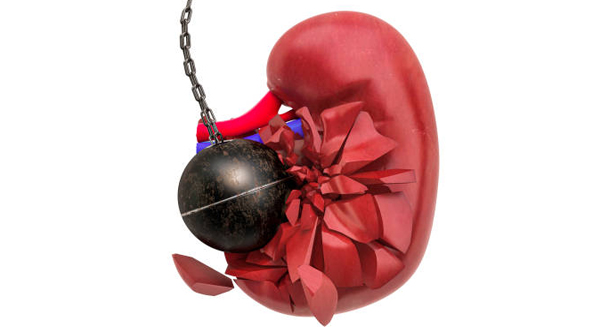
Kidney being struck by a wrecking ball symbolising chronic kidney disease damage

Chronic Kidney Disease

Chronic Kidney Disease – Overview Chronic kidney disease is a long-term condition in which the kidneys lose function progressively over time. Although the early stages often present no symptoms. This kidney disease can eventually lead to kidney failure, necessitating dialysis or transplantation. This condition affects approximately 10% of the global population, with numbers rising due to increasing rates of diabetes and hypertension. The kidneys are essential organs that filter waste and excess fluid from the blood. Maintain the balance of salts and minerals, regulate blood pressure, and produce hormones that influence red blood cell production and bone health. When kidney function deteriorates, these vital processes are compromised, resulting in a wide range of health issues. CKD is classified into five stages, based on the glomerular filtration rate (GFR). Which estimates how efficiently the kidneys filter blood. Stage 1 signifies mild kidney damage with normal GFR. While stage 5 represents end-stage renal disease (ESRD), where kidney function drops below 15%, and renal replacement therapy is typically required. Chronic Kidney Disease – Overview Diabetes and high blood pressure are the most common causes of CKD. Other risk factors include glomerulonephritis, polycystic kidney disease, chronic urinary tract obstruction, and prolonged use of nephrotoxic medications. CKD can remain undetected until late stages due to its insidious onset. Which is why routine screening is critical in at-risk individuals. Managing CKD involves controlling the underlying causes, such as regulating blood sugar and blood pressure. Furthermore, adjusting diet and avoiding medications that may further impair renal function. Early detection and treatment can significantly slow the progression of the disease. Additionally, reduce the likelihood of complications like cardiovascular disease, anaemia, and bone disorders. In summary, this condition is a progressive yet manageable condition. With regular monitoring, timely medical intervention, and lifestyle adjustments, many individuals can lead full, productive lives while maintaining kidney function. [Next: Causes of Chronic Kidney Disease →]

Chronic Kidney Disease Read More »

3D illustration of kidney gradually disintegrating, symbolising chronic kidney disease causes

Causes of Chronic Kidney Disease

Causes of Chronic Kidney Disease Causes of chronic kidney disease are primarily linked to conditions that damage the kidneys’ filtering units over time. The most prevalent contributors to chronic kidney disease are diabetes and hypertension, but several other diseases and lifestyle factors also play a significant role. 1. Diabetes Mellitus Diabetic nephropathy is the leading cause of CKD worldwide. Prolonged high blood sugar damages the delicate filtration system in the kidneys, allowing protein to leak into the urine and eventually impairing kidney function. Strict glycaemic control is essential to prevent or delay kidney damage in diabetics. 2. Hypertension | Causes of Chronic Kidney Disease High blood pressure can damage the tiny blood vessels in the kidneys, making them less efficient. Over time, untreated or poorly controlled hypertension accelerates kidney decline and increases the risk of heart disease, another major CKD complication. 3. Glomerulonephritis This condition involves inflammation of the glomeruli — the small filters in the kidneys. It can be acute or chronic and may result from infections, autoimmune diseases, or unknown causes. Chronic glomerulonephritis is a significant contributor to ESRD in younger individuals. 4. Polycystic Kidney Disease An inherited condition, PKD causes numerous fluid-filled cysts to develop in the kidneys, enlarging them and damaging surrounding tissue. Although the disease often remains asymptomatic for years, it typically progresses to CKD and, in many cases, ESRD. 5. Urinary Tract Obstruction Obstruction of urine flow — due to kidney stones, tumours, an enlarged prostate, or congenital defects — increases pressure within the kidney and leads to scarring. Chronic obstruction without proper treatment often results in permanent damage. 6. Recurrent Infections | Causes of Chronic Kidney Disease Frequent kidney infections, or pyelonephritis, can cause long-term inflammation and scarring. In children, recurrent UTIs due to vesicoureteral reflux may also result in CKD if left untreated. 7. Autoimmune Disorders Conditions such as lupus and vasculitis can directly target kidney tissue, leading to inflammation, fibrosis, and eventually kidney failure if not aggressively treated. 8. Prolonged Medication Use Overuse of NSAIDs (like ibuprofen), certain antibiotics, and some chemotherapy agents are known to be nephrotoxic. Regular monitoring of renal function is advised in patients requiring long-term use of such medications. 9. Lifestyle and Environmental Factors | Causes of Chronic Kidney Disease Obesity, smoking, poor diet, and exposure to environmental toxins (e.g., lead, mercury) can accelerate kidney damage and worsen the effects of other risk factors. By identifying the causes of chronic kidney disease, healthcare providers can develop targeted prevention and management plans. Public health initiatives aimed at controlling diabetes and hypertension are especially critical for reducing the global burden of CKD. [Next: Symptoms of Chronic Kidney Disease →]

Causes of Chronic Kidney Disease Read More »

Elderly woman holding lower back in pain, showing symptoms of chronic kidney disease

Symptoms of Chronic Kidney Disease

Symptoms of Chronic Kidney Disease Symptoms of chronic kidney disease often do not appear until the disease is advanced. For this reason, chronic kidney disease is sometimes referred to as a “silent killer.” By the time symptoms emerge, significant damage may already have occurred. Knowing the symptoms enables early detection, which is key to slowing disease progression. 1. Fatigue and Tiredness As kidney function declines, waste builds up in the blood, making people feel weak and tired. Anaemia caused by decreased erythropoietin production further exacerbates fatigue, making even routine activities challenging. 2. Changes in Urination | Symptoms of Chronic Kidney Disease Changes may include increased urination at night (nocturia), foamy or bubbly urine (indicating protein), reduced urine output, or visible blood. These symptoms reflect the kidneys’ impaired filtering capacity and may be among the earliest signs noticed. 3. Oedema (Swelling) Sodium and fluid retention cause swelling in the legs, ankles, hands, and face. This is due to the kidneys’ reduced ability to remove excess salt and water. In severe cases, fluid may accumulate in the lungs, causing breathlessness. 4. High Blood Pressure As kidneys regulate blood pressure through salt and fluid balance and hormone release, dysfunction often results in hypertension. This becomes both a symptom and a contributor to further kidney damage. 5. Skin Issues Dry, itchy skin may occur due to mineral imbalances or toxin accumulation. In advanced CKD, calcium and phosphate dysregulation can lead to severe itching and skin discolouration. 6. Nausea and Appetite Loss The build-up of urea and other toxins leads to gastrointestinal symptoms such as nausea, vomiting, and a metallic taste in the mouth. These contribute to weight loss and malnutrition. 7. Cognitive Changes | Symptoms of Chronic Kidney Disease Toxin build-up can affect brain function, causing poor concentration, memory lapses, and sleep disturbances. These are common but often overlooked symptoms. 8. Muscle Cramps Electrolyte imbalances, especially low calcium and high phosphorus, lead to cramps, particularly at night. These are not only painful but also indicate worsening kidney function. Because these symptoms can resemble other health issues, CKD is frequently underdiagnosed. Routine screening, especially in people with diabetes or hypertension, is essential. Recognising the symptoms of chronic kidney disease early improves treatment outcomes and can delay the need for dialysis or transplantation. [Next: Diagnosis of Chronic Kidney Disease →]

Symptoms of Chronic Kidney Disease Read More »

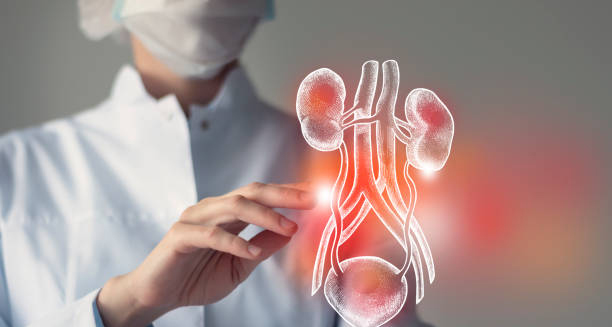
Doctor examining a digital diagram of kidneys to diagnose chronic kidney disease

Diagnosis of Chronic Kidney Disease

Diagnosis of Chronic Kidney Disease Diagnosis of chronic kidney disease involves a combination of blood tests, urine analysis, and imaging studies. Since chronic kidney disease can be silent for years, proactive screening — especially in at-risk populations — is essential for early detection and management. 1. Glomerular Filtration Rate (GFR) The GFR is the most reliable indicator of kidney function. It is calculated using blood creatinine levels, age, sex, and body size. A GFR below 60 for more than three months confirms a diagnosis of CKD. GFR also helps stage the disease from Stage 1 (normal) to Stage 5 (end-stage). 2. Serum Creatinine and Urea Elevated creatinine and urea levels indicate the kidneys are not efficiently clearing waste. These are among the earliest biochemical markers of declining renal function. 3. Urine Albumin-to-Creatinine Ratio (ACR) This test detects protein (mainly albumin) in the urine, a key sign of kidney damage. Persistent proteinuria is a strong predictor of disease progression and cardiovascular risk. 4. Urinalysis | Diagnosis of Chronic Kidney Disease This general test screens for red blood cells, white blood cells, protein, glucose, and cellular casts. It can identify infections, glomerulonephritis, or tubular dysfunction. 5. Blood Pressure Monitoring Hypertension is both a cause and effect of CKD. Ongoing blood pressure measurement helps in diagnosis, staging, and treatment monitoring. 6. Kidney Ultrasound An ultrasound provides images of the kidneys, detecting abnormalities such as cysts, small or shrunken kidneys, tumours, or obstructions. 7. Electrolyte Panel | Diagnosis of Chronic Kidney Disease Abnormal levels of potassium, calcium, phosphorus, and sodium reflect impaired renal function and guide dietary and medical interventions. 8. Kidney Biopsy In certain cases, especially where autoimmune disease or glomerulonephritis is suspected, a biopsy may be performed. This involves removing a small sample of kidney tissue for microscopic examination. By combining laboratory, imaging, and clinical data, a thorough diagnosis can be established, allowing for a comprehensive and individualised treatment approach. [Next: Treatment and Recovery from Chronic Kidney Disease →]

Diagnosis of Chronic Kidney Disease Read More »

Patient receiving dialysis treatment for chronic kidney disease at home

Treatment and Recovery from Chronic Kidney Disease

Treatment and Recovery from Chronic Kidney Disease Treatment and recovery from chronic kidney disease depend on the stage and underlying cause of the condition. Most people cannot reverse chronic kidney disease onceMost people cannot reverse chronic kidney disease once it develops. However, timely intervention and lifestyle changes can slow or even halt its progression in some cases. The goal is to preserve existing kidney function, manage symptoms, and prevent complications. 1. Managing Underlying Conditions Controlling diabetes and hypertension is critical. This may involve medications like ACE inhibitors or angiotensin receptor blockers (ARBs), which help lower blood pressure and protect the kidneys. You must keep your blood sugar within target ranges by following a healthy diet, exercising regularly, and using medications or insulin as needed. 2. Dietary Modifications Diet plays a key role in slowing CKD progression. Doctors usually advise people to: 3. Medication Management Nephrotoxic drugs (like NSAIDs) should be avoided. Doctors may prescribe medications to control cholesterol, treat anaemia, strengthen bones, and manage acidosis. In advanced CKD, phosphate binders, erythropoietin injections, and vitamin D analogues are commonly used. 4. Lifestyle Changes Patients should stop smoking, reduce alcohol, maintain a healthy weight, and exercise regularly. These changes improve overall cardiovascular health, which is closely tied to CKD outcomes. 5. Monitoring and Follow-Up Regular check-ups include GFR tests, urine protein checks, blood pressure monitoring, and medication reviews. Early intervention based on these results allows timely adjustments to treatment plans. 6. Preparing for Renal Replacement | Treatment and Recovery from Chronic Kidney Disease In Stage 4 or 5, planning for dialysis or transplantation becomes necessary. Education about options such as haemodialysis, peritoneal dialysis, and donor kidney transplant is important to make informed decisions. 7. Emotional and Psychological Support Chronic illness impacts mental health. Patients may experience anxiety, depression, or stress related to lifestyle changes or the prospect of dialysis. Counselling and support groups offer valuable help. In conclusion, treatment and recovery from chronic kidney disease require a multidisciplinary approach. With proactive care and support, individuals with CKD can enjoy improved quality of life and significantly delay the onset of kidney failure. [Next: Back to Overview →]

Treatment and Recovery from Chronic Kidney Disease Read More »

Scroll to Top