Mental Matters

Author name: admin

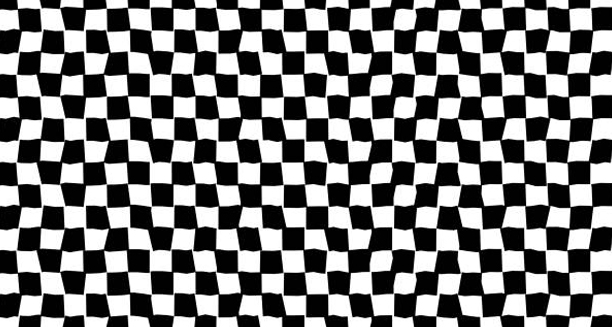
Distorted black and white checkerboard illusion pattern

Symptoms of Charles Bonnet Syndrome

Symptoms of Charles Bonnet Syndrome Symptoms of Charles Bonnet syndrome are unique in that they involve vivid, recurring visual hallucinations in individuals with impaired vision. What sets these hallucinations apart is that people experiencing them are fully aware that the images are not real. Recognising the symptoms of Charles Bonnet syndrome can help patients seek help early and avoid unnecessary fear or confusion. 1. Visual Hallucinations The core symptom is seeing things that aren’t there. These can range from simple to complex: Hallucinations often appear in colour and can be startlingly detailed. Some people report seeing Victorian-style clothing, brick walls, or unfamiliar faces. 2. Frequency and Duration | Symptoms of Charles Bonnet Syndrome Hallucinations may last for a few seconds or several minutes. In some cases, they continue for hours. They may occur once a day or multiple times throughout the day. Some individuals experience them for weeks or months before they fade. 3. Lack of Sound or Movement Hallucinations in Charles Bonnet syndrome are purely visual. They do not involve sound, smell, or physical sensation. The images are usually silent and often fade away when the person blinks, moves their eyes, or changes their environment. 4. Triggers and Patterns Certain conditions may increase the likelihood of hallucinations: 5. Insight and Awareness Unlike hallucinations caused by mental illness, individuals with Charles Bonnet syndrome understand that the images aren’t real. This awareness helps differentiate the condition from psychosis, dementia, or delirium. 6. Emotional Impact Although the condition itself is not dangerous, the hallucinations can be distressing. Some people fear they are “losing their mind” or developing dementia. Reassurance and proper diagnosis can reduce anxiety significantly. Identifying the symptoms of Charles Bonnet syndrome early allows patients to receive support and understand that they are not alone — and not mentally ill. Education is key to easing the emotional burden of this often-overlooked condition. [Next: Diagnosis of Charles Bonnet Syndrome →]

Symptoms of Charles Bonnet Syndrome Read More »

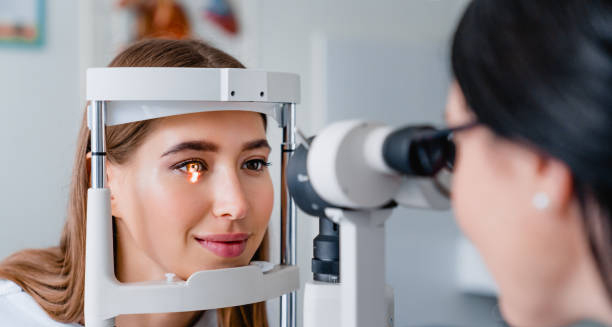
Woman undergoing an eye examination using a slit lamp

Diagnosis of Charles Bonnet Syndrome

Diagnosis of Charles Bonnet Syndrome Diagnosis of Charles Bonnet syndrome is based on clinical evaluation and a careful review of the patient’s medical history. There is no specific test for Charles Bonnet syndrome, so healthcare professionals rely on recognising the symptoms and ruling out other causes of hallucinations. 1. Medical History Doctors begin by asking about the nature of the hallucinations: These questions help distinguish Charles Bonnet syndrome from conditions like dementia, schizophrenia, or delirium. 2. Vision Assessment | Diagnosis of Charles Bonnet Syndrome A detailed eye examination is essential. The clinician will look for underlying conditions such as: If the patient has known vision loss and vivid visual hallucinations without signs of cognitive decline, Charles Bonnet syndrome becomes a likely diagnosis. 3. Cognitive Testing To rule out mental health conditions, basic cognitive screening tests such as the Mini-Mental State Examination (MMSE) or Montreal Cognitive Assessment (MoCA) may be performed. If these tests show no signs of cognitive impairment, psychiatric conditions are less likely. 4. Neurological Examination A neurological assessment ensures there are no signs of stroke, brain tumours, or neurological diseases that could also cause visual hallucinations. If needed, an MRI or CT scan may be performed, especially in new or unexplained cases. 5. Psychiatric Assessment (If Necessary) If there’s any concern that hallucinations might be caused by a psychiatric disorder, referral to a mental health specialist may be made. However, in Charles Bonnet syndrome, there are no delusions or confusion, and the individual remains rational. 6. Diagnosis by Exclusion Charles Bonnet syndrome is diagnosed by excluding other causes. When the patient has visual hallucinations, normal cognition, and significant vision loss — with no psychiatric or neurological explanation — the diagnosis is confirmed. Timely diagnosis of Charles Bonnet syndrome reassures the patient and family, prevents unnecessary treatment, and allows healthcare providers to offer appropriate support and education. [Next: Treatment of Charles Bonnet Syndrome →]

Diagnosis of Charles Bonnet Syndrome Read More »

Elderly woman undergoing eye test with a nurse assisting her

Treatment of Charles Bonnet Syndrome

Treatment of Charles Bonnet Syndrome Treatment of Charles Bonnet syndrome focuses on managing symptoms and providing reassurance, as there is currently no cure or medication specifically approved for the condition. However, many people find that the hallucinations fade over time. With the right support, Charles Bonnet syndrome can become much easier to live with. 1. Reassurance and Education The most important part of treatment is reassurance. Knowing that the hallucinations are not a sign of mental illness or dementia can bring immense relief. Patients should be told: Understanding the syndrome helps reduce fear, anxiety, and social withdrawal. 2. Managing Triggers | Treatment of Charles Bonnet Syndrome Hallucinations often worsen with low lighting, fatigue, or boredom. Simple strategies may reduce frequency: 3. Visual Techniques Some people find relief through visual exercises: These techniques can interrupt hallucinations or make them fade. 4. Medical Interventions (in Severe Cases) In rare cases where hallucinations are extremely distressing, doctors may consider: However, these are generally reserved for severe cases and are not routine treatment. 5. Vision Rehabilitation Improving remaining vision may reduce symptoms: The better the visual input, the less likely hallucinations are to occur. Overall, treatment of Charles Bonnet syndrome aims to reduce fear and give patients the tools to manage their experiences. With support, most people adjust well and may eventually stop seeing hallucinations altogether. [Next: Complications and Recovery from Charles Bonnet Syndrome →]

Treatment of Charles Bonnet Syndrome Read More »

Anatomical diagram of the human nervous system with labelled peripheral nerves

Charcot-Marie-Tooth Disease

Charcot-Marie-Tooth Disease – Overview Charcot-Marie-Tooth disease is a group of inherited neurological disorders that affect the peripheral nerves — the nerves outside the brain and spinal cord. Also known as CMT, cmt disease leads to progressive muscle weakness, particularly in the feet, lower legs, hands, and forearms, along with loss of sensation and foot deformities. CMT affects approximately 1 in 2,500 people worldwide, making it one of the most common inherited neurological conditions. Despite its name, the disease is not related to tooth problems — it is named after the three physicians who first described it in 1886: Jean-Martin Charcot, Pierre Marie, and Howard Henry Tooth. The condition is caused by genetic mutations that affect the structure or function of peripheral nerves. These nerves control muscle movement and relay sensory information like touch, pain, and temperature. When these nerves become damaged or don’t function properly, muscles weaken and waste away over time. Charcot-Marie-Tooth Disease Most people with CMT disease start showing symptoms during adolescence or early adulthood, but the severity and age of onset can vary widely. Some individuals may live relatively unaffected lives, while others may require mobility aids and supportive therapies throughout their life. Although there is no cure for CMT, treatment focuses on managing symptoms, improving mobility, and maintaining independence. Physiotherapy, occupational therapy, orthotic devices, and pain management are commonly used. CMT disease progresses slowly, and while it is not considered life-threatening, it can significantly impact a person’s quality of life. Ongoing support and medical care can help manage its effects and maintain function. Living with CMT Living with CMT disease requires ongoing adaptation, but many individuals lead active, meaningful lives with the right support. Early diagnosis and a multidisciplinary approach — involving physiotherapists, neurologists, orthopaedic specialists, and occupational therapists — can significantly improve mobility and independence. Regular monitoring also helps manage complications such as joint deformities or pain. The Importance of Awareness Increasing public and clinical awareness of CMT disease is essential to reducing delays in diagnosis and treatment. Since CMT is a genetic condition, family screening and genetic counselling can also help at-risk individuals understand their likelihood of developing or passing on the condition. With continued research and advancements in supportive care, the outlook for people with CMT continues to improve. [Next: Causes of Charcot-Marie-Tooth Disease →]

Charcot-Marie-Tooth Disease Read More »

Diagram showing nerve and muscle involvement in a leg affected by Charcot-Marie-Tooth Disease

Causes of Charcot-Marie-Tooth Disease

Causes of Charcot-Marie-Tooth Disease Causes of Charcot-Marie-Tooth disease are genetic mutations that affect the peripheral nerves. There are many subtypes of CMT, each linked to a specific genetic mutation, but all involve damage to the peripheral nervous system. Understanding the causes of Charcot-Marie-Tooth disease is crucial for accurate diagnosis and potential future treatments. 1. Genetic Mutations Charcot-Marie-Tooth disease is an inherited condition. Mutations in more than 100 genes have been associated with various forms of CMT. These genes are involved in the production of proteins essential for the structure and function of peripheral nerves. Depending on the mutation, either the myelin sheath (the insulating layer surrounding nerves) or the axons (the long parts of nerve cells that transmit signals) are affected. 2. Inheritance Patterns There are several inheritance patterns: If a parent has CMT, there’s a 50% chance of passing it to their child, depending on the type. 3. Subtypes of CMT The two main types are: Other less common types include CMTX (X-linked), CMT4 (autosomal recessive), and intermediate CMT, which has features of both types 1 and 2. 4. De Novo Mutations In some rare cases, a person develops Charcot-Marie-Tooth disease due to a spontaneous mutation with no family history. These cases are referred to as de novo mutations. 5. Role of Nerve Degeneration In all forms of CMT, the end result is that peripheral nerves fail to transmit signals effectively. This leads to muscle weakness, wasting, and loss of sensation — most commonly in the lower legs and feet, but also in the hands as the condition progresses. While the causes of Charcot-Marie-Tooth disease are genetic, knowing the exact mutation can help guide treatment decisions, future planning, and family counselling. [Next: Symptoms of Charcot-Marie-Tooth Disease →]

Causes of Charcot-Marie-Tooth Disease Read More »

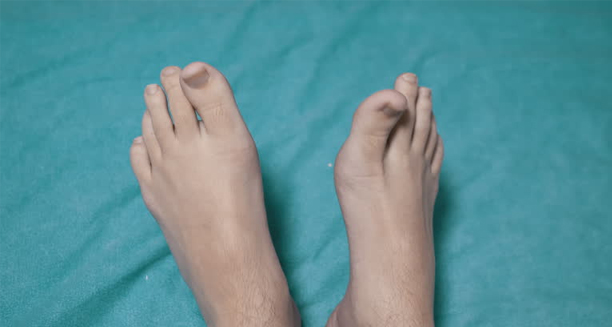
Deformed feet on a medical bed showing high arches and curled toes

Symptoms of Charcot-Marie-Tooth Disease

Symptoms of Charcot-Marie-Tooth Disease Symptoms of Charcot-Marie-Tooth disease develop gradually and vary widely depending on the subtype and severity. Most people with Charcot-Marie-Tooth disease begin to notice problems in their feet and lower legs, with symptoms slowly progressing over time. 1. Muscle Weakness One of the earliest and most common symptoms is muscle weakness in the feet and ankles. This may cause: As the condition progresses, muscles in the hands and forearms may also become weak, making fine motor tasks like writing, buttoning clothes, or gripping objects more difficult. 2. Foot Deformities Due to muscle imbalance, many people develop foot deformities such as: These deformities can cause pain and make walking more challenging, often requiring orthotic support or surgery. 3. Loss of Sensation CMT affects sensory nerves as well as motor nerves. Symptoms may include: This loss of sensation may contribute to unsteady gait and difficulty with coordinated movement. 4. Gait Changes As muscles weaken and foot deformities worsen, people often develop a distinctive high-stepping gait. They may also walk with a widened stance to maintain balance. 5. Hand and Arm Symptoms In more advanced cases or in subtypes that affect the upper limbs early, people may experience: 6. Fatigue and Cramps Muscle fatigue, cramping, and pain — especially after activity — are common in individuals with CMT. These symptoms often worsen with age and as muscle weakness progresses. The symptoms of Charcot-Marie-Tooth disease typically worsen slowly over time, but many people remain active and independent with proper support and treatment. [Next: Diagnosis of Charcot-Marie-Tooth Disease →]

Symptoms of Charcot-Marie-Tooth Disease Read More »

Medical professional writing on a patient chart in a hospital setting

Diagnosis of Charcot-Marie-Tooth Disease

Diagnosis of Charcot-Marie-Tooth Disease Diagnosis of Charcot-Marie-Tooth disease is based on clinical symptoms, family history, physical exams, and confirmatory tests. Because CMT disease has a wide range of symptoms and genetic variations, accurate diagnosis is key to effective management and planning. 1. Medical History and Physical Examination The process begins with a thorough review of symptoms and family history. A doctor will ask about: During the physical exam, the doctor looks for: 2. Neurological Assessment Neurologists assess muscle strength, tone, and reflexes, as well as sensation in the feet, legs, hands, and arms. They may also observe how you walk and perform balance or dexterity tests. 3. Electromyography (EMG) and Nerve Conduction Studies These tests measure how well nerves and muscles function: These tests help differentiate between myelin damage (CMT1) and axonal damage (CMT2). 4. Genetic Testing A definitive diagnosis is often made through genetic testing. A blood sample is analysed to look for mutations known to cause CMT. This is especially useful for: 5. MRI and Nerve Biopsy (Rarely Used) In rare or unclear cases, doctors may order an MRI to assess muscle atrophy or perform a nerve biopsy, where a small nerve is removed and examined. However, these are usually unnecessary if genetic testing and nerve studies are conclusive. Diagnosis of Charcot-Marie-Tooth Disease Timely and accurate diagnosis of Charcot-Marie-Tooth disease provides clarity, helps guide treatment options, and allows families to plan for the future. [Next: Treatment of Charcot-Marie-Tooth Disease →]

Diagnosis of Charcot-Marie-Tooth Disease Read More »

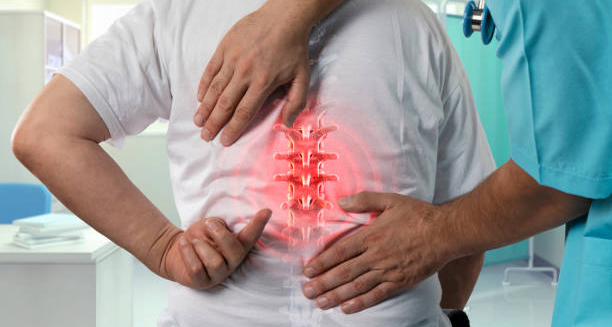
Doctor examining patient’s lower back with spine illustration

Treatment of Charcot-Marie-Tooth Disease

Treatment of Charcot-Marie-Tooth Disease Treatment of Charcot-Marie-Tooth disease focuses on managing symptoms, preserving function, and improving quality of life. While there is no cure, many people with Charcot-Marie-Tooth disease lead active and independent lives with the right support. 1. Physiotherapy Physiotherapy plays a central role in maintaining strength and flexibility. Programmes may include: Consistent physiotherapy slows the progression of physical limitations. 2. Occupational Therapy Occupational therapists help individuals adapt daily activities to accommodate muscle weakness. They may recommend: 3. Orthotics and Mobility Aids Foot and ankle supports such as: In more advanced cases, walking aids like canes, walkers, or wheelchairs may be introduced. 4. Pain and Symptom Management Although not everyone experiences pain, treatment may include: 5. Surgical Options Some individuals may require surgery to correct foot deformities, improve alignment, or relieve pressure on nerves. Common procedures include: 6. Emotional and Social Support Living with a chronic condition can be emotionally taxing. Counselling, support groups, and education can help patients and families cope with the condition. Treatment of Charcot-Marie-Tooth disease is lifelong and multidisciplinary, but with early intervention and a proactive care team, many people maintain mobility and lead fulfilling lives. [Next: Complications and Recovery from Charcot-Marie-Tooth Disease →]

Treatment of Charcot-Marie-Tooth Disease Read More »

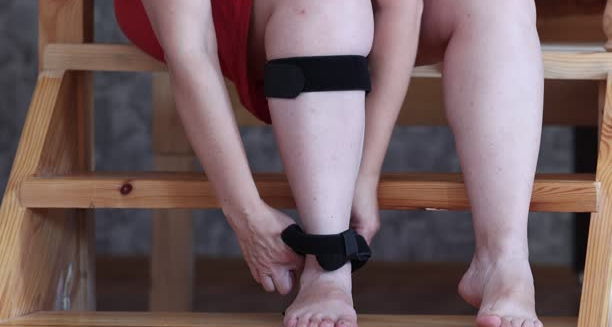
Woman fastening leg braces for foot and ankle support

Complications and Recovery from Charcot-Marie-Tooth Disease

Complications and Recovery from Charcot-Marie-Tooth Disease This condition, Complications and recovery from Charcot-Marie-Tooth disease depend on the severity of the condition, access to therapy, and individual lifestyle choices. While Charcot-Marie-Tooth disease does not affect life expectancy, it can result in significant disability if left unmanaged. 1. Progressive Muscle Weakness As the disease advances, weakness may spread from the lower legs to the thighs or from the hands to the shoulders. This can impair mobility, fine motor skills, and independence in daily life. 2. Balance Issues and Falls Poor balance due to muscle weakness and sensory loss increases the risk of falls. This can lead to injuries such as sprains, fractures, or head trauma. 3. Joint Deformities Untreated foot deformities can cause long-term joint instability, leading to chronic pain, poor gait, and arthritis. Surgery is sometimes necessary to restore function and relieve discomfort. 4. Hand Function Decline In advanced cases, weakness in the hands can severely affect the ability to write, use tools, or perform personal care tasks. This may require assistive devices and occupational therapy. 5. Psychological and Social Effects Chronic illness and progressive disability can lead to anxiety, depression, or social withdrawal. Support networks and mental health care are essential for holistic well-being. Recovery and Long-Term Outlook | Complications and Recovery from Charcot-Marie-Tooth Disease There is no cure, but early intervention slows progression. Recovery focuses on: People with CMT often go through phases of adjustment. While challenges increase with age, proactive care — including physiotherapy, orthotics, and counselling — helps preserve independence. With the right support and planning, complications can be managed successfully. Many individuals continue working, raising families, and enjoying active lives despite the condition. [Next: Back to Overview →]

Complications and Recovery from Charcot-Marie-Tooth Disease Read More »

Man sitting on bed holding neck with highlighted spine pain

Cervical Spondylosis

Cervical Spondylosis – Overview This condition, Cervical spondylosis is a common age-related condition that affects the cervical spine — the seven vertebrae in the neck. Cervical spondylosis involves the gradual wear and tear of the discs, joints, and bones in the neck, often leading to stiffness, pain, and reduced mobility. It is also referred to as cervical osteoarthritis or neck arthritis. As people age, the discs in the cervical spine begin to shrink and lose hydration. This results in less cushioning between the vertebrae. The bones may also develop bony growths known as osteophytes, and the ligaments in the neck may stiffen. These changes are part of the natural ageing process, but for some individuals, they lead to persistent neck pain and neurological symptoms. This spondylosis is extremely common, especially in people over the age of 50. In many cases, it causes no symptoms and is only discovered incidentally during imaging for another issue. However, when symptoms do occur. Therefore, they can range from mild discomfort to severe nerve compression, leading to weakness, numbness, or even problems with coordination. Cervical Spondylosis Risk factors for developing this spondylosis include age. A history of neck injuries, repetitive stress on the neck (such as from certain occupations), smoking, and a sedentary lifestyle. Genetics can also play a role, making some individuals more prone to early disc degeneration. Although it is a chronic condition with no cure. Many people with this spondylosis respond well to conservative treatments such as physiotherapy, exercise, and pain relief. Surgery is only necessary in a small number of cases. [Next: Causes of Cervical Spondylosis →]

Cervical Spondylosis Read More »

Scroll to Top