Mental Matters

Author name: admin

Woman experiencing neck pain, touching the back of her neck

Causes of Cervical Spondylosis

Causes of Cervical Spondylosis Causes of cervical spondylosis are primarily linked to ageing and the natural deterioration of spinal structures over time. However, several other factors can accelerate this process and contribute to the development of cervical spondylosis earlier in life. 1. Degeneration of Intervertebral Discs One of the first changes in cervical spondylosis is disc degeneration. As we age, spinal discs lose water content and elasticity. This reduces their ability to act as shock absorbers between the vertebrae, making the neck more vulnerable to stiffness and pain. 2. Bone Spur Formation As the discs wear down, the body attempts to compensate by growing new bone — known as osteophytes. While this is meant to stabilise the spine, bone spurs can narrow the space through which nerves exit the spinal cord, leading to compression and nerve-related symptoms. 3. Joint Changes | Causes of Cervical Spondylosis The small joints in the back of the neck, called facet joints, also experience wear and tear. Over time, cartilage inside these joints can erode, causing friction, inflammation, and stiffness — much like in osteoarthritis elsewhere in the body. 4. Ligament Stiffening Ligaments in the neck may thicken or stiffen with age, reducing flexibility and making neck movement more difficult. In severe cases, these changes can compress the spinal cord or nerve roots. 5. Previous Injuries or Trauma | Causes of Cervical Spondylosis Past trauma such as whiplash or sports-related injuries can weaken the spinal structure and accelerate degenerative changes. Even minor injuries, if repetitive, may contribute to early onset cervical spondylosis. 6. Lifestyle and Occupational Factors People with jobs that require repetitive neck movements, long hours at a desk, or heavy lifting are at increased risk. Poor posture, lack of physical activity, and smoking can also contribute to early degeneration. Although cervical spondylosis is mostly related to ageing, understanding its causes helps in adopting preventive measures — such as improving posture, exercising regularly, and avoiding excessive neck strain. [Next: Symptoms of Cervical Spondylosis →]

Causes of Cervical Spondylosis Read More »

Person holding neck in pain with red inflammation indicating cervical spondylosis

Symptoms of Cervical Spondylosis

Symptoms of Cervical Spondylosis Symptoms of cervical spondylosis can vary widely. While some individuals experience no discomfort at all, others may develop persistent neck pain, stiffness, or even neurological complications. Recognising the symptoms is essential for timely diagnosis and effective management. 1. Neck Pain and Stiffness The most common symptoms are chronic neck pain and reduced flexibility. The pain may be dull or sharp and often worsens after activity, long periods of sitting, or upon waking in the morning. Stiffness can make turning the head or looking up and down difficult. 2. Headaches | Symptoms of Cervical Spondylosis Tension or muscle strain from cervical spondylosis may cause headaches, typically at the base of the skull. These can sometimes radiate into the forehead or behind the eyes. 3. Radiating Pain Pain may radiate from the neck into the shoulders, arms, or upper back. This is often due to nerve root compression and may feel like a sharp, shooting pain or a persistent ache. 4. Numbness or Tingling Compression of spinal nerves can lead to pins and needles, tingling, or numbness in the arms, hands, or fingers. These symptoms often appear on one side and may worsen with certain neck movements. 5. Muscle Weakness | Symptoms of Cervical Spondylosis Severe nerve compression can affect muscle strength, leading to weakness in the arms or hands. In some cases, this makes it difficult to grip objects or perform fine motor tasks. 6. Balance and Coordination Issues When the spinal cord is compressed, more serious symptoms can occur. These include difficulty walking, poor coordination, and problems with balance — a condition known as cervical myelopathy. Not everyone with cervical spondylosis will experience all of these symptoms. Some may only have mild discomfort, while others may face significant impairment. Early recognition allows for better outcomes through physiotherapy, medication, and lifestyle adjustments. [Next: Diagnosis of Cervical Spondylosis →]

Symptoms of Cervical Spondylosis Read More »

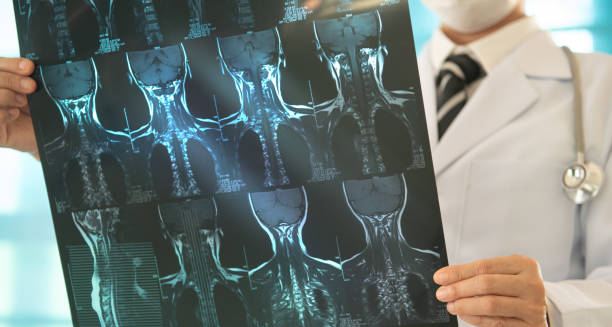
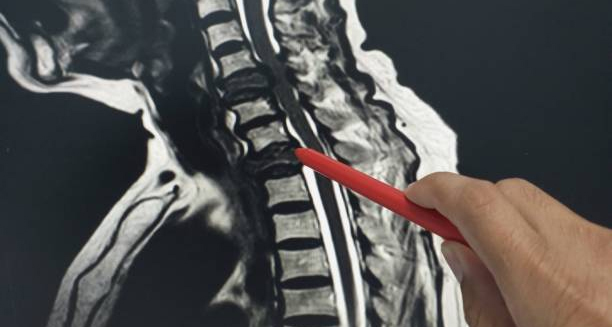
Doctor pointing at cervical spine MRI scan showing spondylosis

Diagnosis of Cervical Spondylosis

Diagnosis of Cervical Spondylosis Diagnosis of cervical spondylosis is based on a combination of clinical examination, medical history, and imaging tests. Early and accurate diagnosis helps prevent unnecessary discomfort and guides appropriate treatment. 1. Medical History The doctor will begin by asking about your symptoms — their onset, severity, and any activities that aggravate them. Questions may include whether the pain is constant or comes and goes, if there is numbness or tingling, and whether weakness or coordination issues are present. 2. Physical Examination A thorough physical exam assesses: The doctor may gently press on certain areas or ask you to perform simple movements to evaluate discomfort and nerve function. 3. Imaging Studies | Diagnosis of Cervical Spondylosis To confirm the diagnosis and assess the severity, the following scans may be used: 4. Electromyography (EMG) and Nerve Conduction Studies These tests evaluate the electrical activity of muscles and nerves, helping to confirm whether nerve compression is affecting motor function. 5. Differential Diagnosis The doctor may need to rule out other conditions such as a herniated disc, multiple sclerosis, rheumatoid arthritis, or tumours. This ensures the correct diagnosis and avoids unnecessary treatment. Diagnosis of Cervical Spondylosis A confirmed diagnosis of cervical spondylosis allows for the development of a targeted treatment plan that may include physiotherapy, medications, or in some cases, surgical consultation. [Next: Treatment of Cervical Spondylosis →]

Diagnosis of Cervical Spondylosis Read More »

Doctor examining cervical spine MRI scans for spondylosis treatment

Treatment of Cervical Spondylosis

Treatment of Cervical Spondylosis Treatment of cervical spondylosis is designed to relieve pain, improve mobility, and prevent further complications. While there is no cure, many people with cervical spondylosis find lasting relief through conservative, non-surgical methods. Surgery is only needed for severe nerve or spinal cord compression. 1. Physiotherapy Physiotherapy is often the first line of treatment. A tailored exercise plan may include: Regular physiotherapy can reduce pain and improve quality of life. 2. Medications | Treatment of Cervical Spondylosis To manage pain and inflammation, doctors may prescribe: Over-the-counter pain relief may be effective for mild symptoms. 3. Lifestyle Changes 4. Assistive Devices A soft neck collar may be used for short-term support during acute pain, but prolonged use is discouraged as it can weaken muscles. 5. Injections | Treatment of Cervical Spondylosis Corticosteroid injections may be offered if pain does not improve with medication and therapy. These can reduce inflammation around nerve roots. 6. Surgery Surgical intervention may be necessary in cases of: Procedures include laminectomy, discectomy, or spinal fusion, depending on the specific issue. With the right approach, treatment of cervical spondylosis helps most patients manage their condition and return to normal activities. [Next: Complications and Recovery from Cervical Spondylosis →]

Treatment of Cervical Spondylosis Read More »

Man holding neck in pain due to cervical discomfort

Complications and Recovery from Cervical Spondylosis

Complications and Recovery from Cervical Spondylosis Complications and recovery from cervical spondylosis depend on the severity of the condition, treatment approach, and individual response. While many people improve with conservative care, cervical spondylosis can lead to long-term problems if left untreated. 1. Nerve Root Compression When bone spurs or disc degeneration compress a spinal nerve root, symptoms like shooting pain, tingling, or weakness in the arms and hands can result. In severe cases, this may affect hand function and grip strength. 2. Cervical Myelopathy This is a serious complication where the spinal cord itself becomes compressed. It can cause: Cervical myelopathy requires urgent treatment, often surgical. 3. Chronic Pain | Complications and Recovery from Cervical Spondylosis Long-term neck pain and stiffness can affect sleep, mood, and concentration. Chronic discomfort may interfere with work, physical activity, and social life. 4. Muscle Atrophy Without proper management, reduced nerve signals can lead to wasting of the muscles in the arms or hands. This is usually avoidable with early intervention and physiotherapy. 5. Emotional Effects Living with ongoing neck pain can cause anxiety, depression, or frustration — especially when daily tasks become difficult. Counselling or support groups may help. Recovery Process | Complications and Recovery from Cervical Spondylosis With early diagnosis and consistent care, most people recover well. The goal is to manage pain, restore function, and prevent progression. Monitoring symptoms and adjusting treatment as needed are key to managing recovery effectively. [Next: Back to Overview →]

Complications and Recovery from Cervical Spondylosis Read More »

Cerebral Palsy

Cerebral Palsy

Cerebral Palsy – Overview Cerebral palsy is a lifelong neurological condition that affects movement, muscle tone, and posture. Caused by damage to the developing brain, usually before or during birth, this condition is the most common motor disability in childhood. It affects each individual differently, ranging from mild motor difficulties to severe physical and intellectual impairments. The condition results from abnormal development or injury to the parts of the brain that control movement, balance, and coordination. While the brain injury does not worsen over time, the effects on the body can change as a child grows. Some people with palsy walk independently, while others rely on mobility aids or full-time care. This condition can also affect other functions, including speech, vision, hearing, swallowing, and cognition. Seizures, learning difficulties, and behavioural challenges are common in more complex cases. The impact varies widely — no two individuals with cerebral palsy are exactly alike. There are four main types: spastic (most common, causing stiff muscles), dyskinetic (involuntary movements), ataxic (balance and coordination issues), and mixed (a combination of symptoms). Early signs include delayed motor milestones, unusual muscle tone, or poor coordination. Cerebral Palsy Although there is no cure for this condition, therapies, medical treatments, and assistive technologies can greatly improve quality of life. With the right support, many individuals with palsy attend school, hold jobs, and lead fulfilling lives. Understanding palsy is key to supporting affected children and families. Early diagnosis and a tailored care plan help manage symptoms and foster independence from an early age. [Next: Causes of Cerebral Palsy →]

Cerebral Palsy Read More »

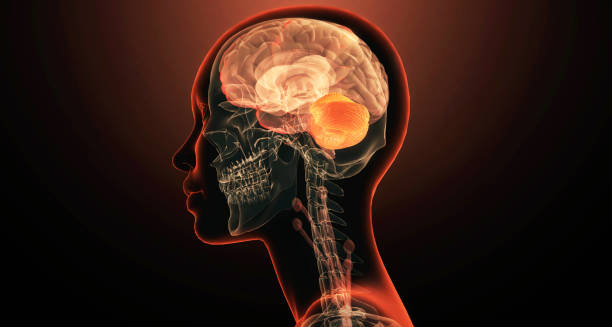
Medical illustration of a human head and brain in profile with highlighted cerebellum

Causes of Cerebral Palsy

Causes of Cerebral Palsy Causes of cerebral palsy are rooted in injury or abnormal development of the brain during pregnancy, birth, or shortly after delivery. While not all causes can be pinpointed, the underlying issue is always related to disrupted development of brain areas that control movement. Understanding the causes of cerebral palsy can help with prevention in some cases and improve awareness for early diagnosis. 1. Prenatal Causes (Before Birth) Most cases of cerebral palsy are due to factors that affect the brain while the baby is still in the womb. These include: 2. Perinatal Causes (During Birth) | Causes of Cerebral Palsy Labour and delivery complications may also contribute to cerebral palsy, especially when there’s: Although oxygen deprivation during birth was once believed to be the primary cause, newer research suggests it accounts for a smaller percentage of cases than previously thought. 3. Postnatal Causes (After Birth) In the early weeks or months after birth, brain injuries may still lead to cerebral palsy. These include: Despite these known causes, in up to 30% of cases, no specific reason is identified. These are classified as idiopathic, but the effects on the child remain the same. Causes of Cerebral Palsy Recognising the causes of cerebral palsy helps guide early intervention, especially in high-risk infants, and informs parents and healthcare providers about how best to support development. [Next: Symptoms of Cerebral Palsy →]

Causes of Cerebral Palsy Read More »

Young man in a motorised wheelchair smiling outdoors

Symptoms of Cerebral Palsy

Symptoms of Cerebral Palsy Symptoms of cerebral palsy vary significantly depending on the type and severity of brain injury. While some children have mild motor issues, others may experience profound movement difficulties and multiple associated conditions. The first signs of cerebral palsy often become evident in infancy or early childhood as delays in physical or motor development. 1. Motor Symptoms The core symptoms involve problems with movement and muscle tone. These may include: Some children may appear to use one side of the body more than the other, an early sign of hemiplegia. 2. Posture and Reflexes Babies with cerebral palsy may display: 3. Feeding and Speech Difficulties | Symptoms of Cerebral Palsy Because cerebral palsy can affect the muscles used in speaking and swallowing, symptoms may include: 4. Cognitive and Behavioural Issues Not all children with cerebral palsy have intellectual impairments, but some may show: 5. Vision and Hearing Problems Children may have strabismus (crossed eyes), poor depth perception, or hearing loss, which further affect development and learning. Symptoms of Cerebral Palsy Because symptoms can appear gradually, early screening and observation are crucial. Noticing and acting on developmental concerns ensures faster referral to specialists and a better chance at maximising the child’s abilities. [Next: Diagnosis of Cerebral Palsy →]

Symptoms of Cerebral Palsy Read More »

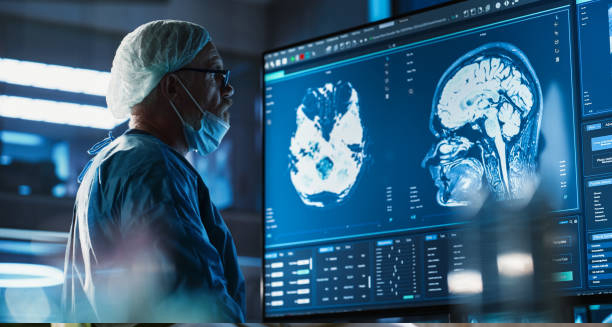
Medical professional analysing brain scans on a screen

Diagnosis of Cerebral Palsy

Diagnosis of Cerebral Palsy Diagnosis of cerebral palsy usually begins when parents or healthcare providers notice delayed milestones or abnormal movement patterns. While cerebral palsy can be diagnosed in infancy, many children are not formally diagnosed until 1–3 years of age. Early diagnosis allows for timely intervention, which can dramatically improve long-term outcomes. 1. Developmental Monitoring Paediatricians routinely monitor a child’s growth and development during well-baby visits. Signs like delayed rolling, crawling, or walking may trigger further investigation. If a child consistently misses motor milestones or displays abnormal muscle tone or posture, the doctor may suspect cerebral palsy. 2. Physical and Neurological Examination A detailed neurological exam evaluates muscle tone, strength, reflexes, coordination, and movement. Doctors look for: These assessments help identify which areas of the brain may be affected. 3. Brain Imaging | Diagnosis of Cerebral Palsy To confirm the diagnosis and assess the extent of brain damage, doctors may order imaging studies: These tests help determine when and where the injury occurred and assist in ruling out other neurological disorders. 4. Additional Testing Other assessments may include: 5. Differential Diagnosis Doctors may need to rule out other conditions like muscular dystrophy, metabolic disorders, or genetic syndromes. This ensures accurate diagnosis and tailored treatment. Diagnosis of Cerebral Palsy A confirmed diagnosis of cerebral palsy opens the door to therapy, educational planning, and medical management. Early identification enables children to access support services, start physiotherapy, and maximise their developmental potential from a young age. [Next: Treatment of Cerebral Palsy →]

Diagnosis of Cerebral Palsy Read More »

Child receiving physical therapy with walking aids and therapist in a playroom

Treatment of Cerebral Palsy

Treatment of Cerebral Palsy Treatment of cerebral palsy focuses on improving function, independence, and quality of life. There is no cure, but a combination of therapies, medication, and assistive technology can significantly help manage the symptoms of cerebral palsy throughout a person’s life. 1. Physiotherapy Physiotherapy is a cornerstone of cerebral palsy treatment. It aims to improve mobility, balance, strength, and motor skills. Therapists use exercises, stretches, and play-based activities to help children reach developmental milestones and maintain flexibility. 2. Occupational Therapy Occupational therapy supports daily living skills such as dressing, feeding, and using assistive devices. It helps children gain independence and adapt to their environment by improving hand function and coordination. 3. Speech and Language Therapy For those with communication or swallowing issues, speech therapy helps improve: 4. Medications | Treatment of Cerebral Palsy Doctors may prescribe: 5. Orthopaedic and Neurosurgical Interventions Some children benefit from surgery to address joint deformities, tendon contractures, or hip dislocations. Neurosurgical procedures like selective dorsal rhizotomy (SDR) may reduce spasticity by cutting specific nerve roots. 6. Assistive Devices Depending on the level of mobility and motor function, aids may include: 7. Educational and Psychological Support Tailored educational plans (IEPs), inclusive schooling, and behavioural therapy help children with learning or emotional challenges succeed in school and life. The goal of treatment of cerebral palsy is to support the child’s unique needs and enable them to participate fully in their family and community. Ongoing evaluation and an individualised care plan ensure the best possible outcomes. [Next: Complications and Recovery from Cerebral Palsy →]

Treatment of Cerebral Palsy Read More »

Scroll to Top