Mental Matters

Author name: admin

Eye examination using slit-lamp for cataract diagnosis

Diagnosis of Cataracts

Diagnosis of Cataracts Diagnosis of cataracts is typically made during a routine eye exam, often before symptoms become bothersome. A detailed diagnosis of cataracts confirms the presence, type, and severity of the lens clouding and helps plan treatment. The process begins with a visual acuity test, using a standard eye chart. This determines how well you can see at different distances. Cataracts usually reduce contrast and clarity, making it difficult to read fine print or recognise letters clearly, even with corrective lenses. A slit-lamp examination allows the eye doctor to closely inspect the eye’s structures under magnification. Using a bright light and microscope, they examine the lens for cloudiness, noting its location and density. This is one of the most accurate ways to assess cataracts. Retinal examination is another key step. After dilating your pupils with special eye drops, the doctor uses an ophthalmoscope to look through the lens and check the retina at the back of the eye. This also helps rule out other eye conditions, such as macular degeneration or diabetic retinopathy, which may also impair vision. Tonometry, a test that measures intraocular pressure, is not used to diagnose cataracts directly but is important in checking for coexisting conditions like glaucoma. Refraction testing is used to see if changing your prescription lenses will improve your vision. If not, and the cloudiness is the limiting factor, cataract surgery may be recommended. Diagnosis of Cataracts In cases where the diagnosis is unclear or when secondary cataracts are suspected (such as after previous eye surgery), ocular coherence tomography (OCT) or other imaging may be used for further insight. A professional diagnosis of cataracts allows patients and doctors to make an informed decision about the timing of surgery. Early detection through regular eye exams ensures cataracts are managed before they severely impact daily life or cause injury from reduced vision. [Next: Treatment of Cataracts →]


Diagnosis of Cataracts Read More »

Eye examination before cataract surgery

Treatment of Cataracts

Treatment of Cataracts Treatment of cataracts focuses on restoring clear vision and improving daily functioning. While early treatment of cataracts may involve adjusting lifestyle or eyeglasses, the only effective cure is surgery to replace the cloudy lens with a clear artificial one. In the early stages, symptoms can be managed with simple strategies: These adjustments can help you maintain function while cataracts are still mild. However, they don’t stop the progression. When vision becomes significantly impaired and interferes with activities like driving, reading, or working, cataract surgery is recommended. It’s one of the safest and most successful surgeries performed worldwide. During surgery: Types of IOLs available: Patients can usually go home the same day and return to light activities within a few days. Full visual recovery often occurs within 4–6 weeks. Complications are rare, but as with any surgery, risks include infection, bleeding, retinal detachment, or lens dislocation. Most are treatable with prompt care. Treatment of Cataracts In addition to surgery, post-operative care is crucial. This includes using prescribed eye drops, protecting the eye from injury, and attending follow-up appointments to monitor healing and vision improvement. With early planning and proper care, treatment of cataracts can significantly enhance quality of life, independence, and overall well-being. [Next: Complications and Recovery from Cataracts →]

Treatment of Cataracts Read More »

Close-up of elderly man's eyes after cataract surgery

Complications and Recovery from Cataracts

Complications and Recovery from Cataracts Complications and recovery from cataracts are usually straightforward, especially with modern surgical techniques. Although rare, some complications can affect recovery and should be addressed quickly to preserve vision. Short-Term Recovery After surgery, most people experience mild discomfort, blurry vision, or light sensitivity for a few days. These effects are temporary. Vision typically starts to improve within 24–72 hours. It’s important to: Common Short-Term Complications These resolve within days and are managed easily with medication and care. Posterior Capsule Opacification (PCO) One of the most common long-term complications is PCO, where the lens capsule becomes cloudy after surgery. It may occur weeks to years later but is treatable with a quick, painless laser procedure called YAG capsulotomy, which restores clear vision almost instantly. Rare but Serious Complications Full Recovery Timeline Complications and Recovery from Cataracts Most patients achieve excellent results. With care and follow-up, complications and recovery from cataracts are well managed, and long-term vision is significantly improved — often permanently. Next > Back to Overview

Complications and Recovery from Cataracts Read More »

Person holding wrist in pain

Carpal Tunnel Syndrome

Carpal Tunnel Syndrome – Overview We will learn that Carpal tunnel syndrome is a condition caused by compression of the median nerve as it passes through this syndrome in the wrist. CPS leads to numbness, tingling, pain, and weakness in the hand and fingers, often worsening at night or during repetitive wrist activities. The carpal tunnel is a narrow passageway at the base of the hand, formed by bones and ligaments. The median nerve travels through this space. Furthermore, it provides sensation to the thumb, index finger. Additionally, the middle part of the ring finger, as well as controlling some hand muscles. When swelling, inflammation, or pressure builds up in the tunnel. Often due to repetitive strain, injury, or underlying conditions, the nerve becomes compressed, triggering symptoms. This syndrome is common in office workers, manual labourers, musicians, and people who perform repetitive wrist motions daily. Carpal Tunnel Syndrome This condition can develop slowly and worsen over time. If left untreated, it can lead to permanent nerve damage or muscle atrophy in the hand. Treatment ranges from wrist splints and physiotherapy to corticosteroid injections or surgery in more severe cases. Early diagnosis is key to managing symptoms and preventing long-term damage from CPS . Carpal Tunnel Syndrome – Overview This syndrome is a condition caused by compression of the median nerve as it passes through the carpal tunnel — a narrow passageway in the wrist. This compression leads to numbness, tingling, pain, and weakness in the hand and fingers, especially during the night or with repetitive wrist movements. The carpal tunnel is formed by bones and ligaments at the base of the hand. The median nerve travels through this space, providing sensation to the thumb, index finger, middle finger, and part of the ring finger, while also controlling certain hand muscles. When swelling, inflammation, or pressure builds up in the tunnel — often due to repetitive strain, injury, or medical conditions — the nerve becomes compressed, triggering symptoms. Carpal Tunnel Syndrome This condition tends to develop gradually and may worsen over time. If left untreated, it can result in permanent nerve damage or muscle atrophy in the hand. This syndrome is commonly seen in office workers, manual labourers, musicians, and individuals who perform repetitive wrist tasks. Treatment options include wrist splints, physiotherapy, corticosteroid injections, and, in more severe cases, surgery to relieve pressure on the nerve. Early diagnosis and intervention are crucial to managing symptoms effectively and preventing long-term complications. [Next: Causes of Carpal Tunnel Syndrome →]

Carpal Tunnel Syndrome Read More »

Outstretched hand showing palm and wrist

Causes of Carpal Tunnel Syndrome

Causes of Carpal Tunnel Syndrome Causes of carpal tunnel syndrome include repetitive wrist movements, underlying medical conditions, and anatomical factors that put pressure on the median nerve. The most common causes involve repetitive strain, wrist injuries, and chronic inflammation. 1. Repetitive Strain Jobs or hobbies that require frequent wrist flexing or hand movements — such as typing, assembly line work, sewing, or playing musical instruments — can strain the wrist and inflame surrounding tissues. Over time, this leads to swelling within the carpal tunnel and nerve compression. 2. Medical Conditions Certain health issues increase the risk of developing carpal tunnel: 3. Trauma or Injury Wrist fractures, sprains, or dislocations can alter the shape of the carpal tunnel or create scar tissue, compressing the nerve. 4. Hereditary Factors Causes of Carpal Tunnel Syndrome Some people are born with a narrower carpal tunnel, which increases their vulnerability. Family history is often a contributing factor. Other causes include: Identifying the causes helps guide prevention strategies — such as ergonomic workspaces, regular stretching, and early treatment for related health conditions. [Next: Symptoms of Carpal Tunnel Syndrome →]

Causes of Carpal Tunnel Syndrome Read More »

Person holding their wrist in discomfort suggesting carpal tunnel symptoms

Symptoms of Carpal Tunnel Syndrome

Symptoms of Carpal Tunnel Syndrome Symptoms of carpal tunnel syndrome often begin gradually and may worsen over time, particularly during activities that involve wrist flexion. The most common symptoms include numbness, tingling, pain, and weakness in the affected hand. Numbness and Tingling These sensations typically affect the thumb, index, middle, and part of the ring finger. Many people describe it as a “pins and needles” feeling, often occurring at night or upon waking. Hand Pain Pain may be localised to the wrist or radiate up the forearm. It often worsens with activities like holding a phone, driving, or reading a book. Weakness People may experience difficulty gripping objects or performing fine motor tasks. Items may slip from the hand, or actions such as buttoning clothes may become challenging. Swelling or Burning Sensations Although actual swelling may not be present, the hand can feel swollen or hot, especially at night. Night-time Symptoms Nocturnal symptoms are very common. Many individuals wake during the night with hand discomfort and must shake or flex their wrist to relieve it. Progression Symptoms of Carpal Tunnel Syndrome If left untreated, symptoms can become constant. In severe cases, the muscles at the base of the thumb (thenar muscles) may begin to waste away (atrophy), leading to permanent hand dysfunction. Recognising symptoms early can prevent long-term nerve damage and reduce the need for surgical intervention. [Next: Diagnosis of Carpal Tunnel Syndrome →]

Symptoms of Carpal Tunnel Syndrome Read More »

Hand being tested with medical device for carpal tunnel diagnosis

Diagnosis of Carpal Tunnel Syndrome

Diagnosis of Carpal Tunnel Syndrome Diagnosis of carpal tunnel syndrome involves a combination of physical examination, symptom review, and specialised tests to assess nerve function. A clear diagnosis of carpal tunnel syndrome is important for guiding treatment and ruling out other conditions with similar symptoms. Medical History The doctor begins by asking about the nature, frequency, and timing of symptoms. Questions focus on when discomfort occurs (especially at night), the fingers affected, and any occupational or lifestyle habits that involve repetitive wrist use. Physical Examination Several clinical tests are used: Nerve Conduction Studies (NCS) This test measures the speed at which electrical impulses travel through the median nerve. Slowed conduction suggests compression. Electromyography (EMG) Used alongside NCS, EMG evaluates the electrical activity of muscles to detect nerve damage or muscle wasting. Ultrasound or MRI Imaging may be used to visualise the median nerve and surrounding structures, particularly if a mass or anatomical abnormality is suspected. Diagnosis of Carpal Tunnel Syndrome In some cases, blood tests are ordered to rule out diabetes, thyroid dysfunction, or autoimmune diseases contributing to symptoms. A prompt and accurate diagnosis of carpal tunnel syndrome ensures the most effective treatment approach — whether conservative or surgical — and helps prevent long-term nerve damage. How Is Carpal Tunnel Syndrome Diagnosed? Diagnosing carpal tunnel syndrome involves a detailed review of symptoms, physical examination, and specialised nerve tests. A healthcare provider will start by asking about symptom patterns — particularly numbness, tingling, or pain in the thumb, index, and middle fingers, especially at night. The doctor may also ask about work or daily habits that involve repetitive wrist movements. Doctors often use physical tests like Tinel’s sign (tapping over the median nerve at the wrist) and Phalen’s manoeuvre (holding the wrists in a flexed position) to provoke symptoms and support a clinical diagnosis of carpal tunnel syndrome. Confirming the Diagnosis with Tests Doctors use tests like nerve conduction studies (NCS) to assess nerve function and confirm the diagnosis. These tests measure how quickly electrical signals travel through the median nerve. Slowed conduction in the median nerve supports a diagnosis of carpal tunnel syndrome, indicating compression or damage within the carpal tunnel. Electromyography (EMG) helps evaluate muscle activity and can detect signs of nerve damage, offering additional confirmation of carpal tunnel syndrome and ruling out other neuromuscular conditions. In certain cases, imaging such as ultrasound or MRI helps visualise the median nerve or rule out other causes. Doctors may also order blood tests to check for underlying conditions such as diabetes or thyroid disorders, which can contribute to or worsen carpal tunnel syndrome. Accurate diagnosis allows for effective treatment and helps prevent long-term complications. [Next: Treatment of Carpal Tunnel Syndrome →]

Diagnosis of Carpal Tunnel Syndrome Read More »

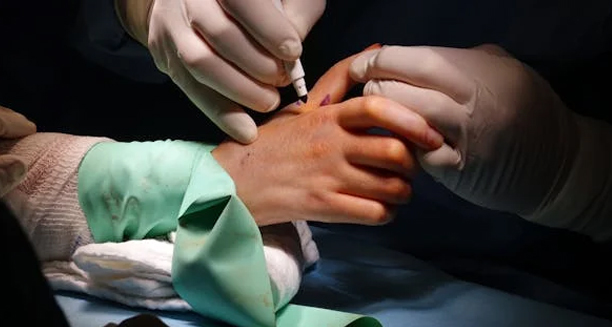
Doctor performing carpal tunnel release surgery on a patient’s hand

Treatment of Carpal Tunnel Syndrome

Treatment of Carpal Tunnel Syndrome Treatment of carpal tunnel syndrome aims to relieve symptoms, prevent nerve damage, and restore hand function. Early treatment is usually conservative, but surgery may be considered in moderate to severe cases. 1. Lifestyle Modifications 2. Wrist Splints Wearing a wrist splint, particularly at night, keeps the wrist in a neutral position and reduces pressure on the median nerve. Many people experience relief within weeks. 3. Medication 4. Physiotherapy Stretching and nerve-gliding exercises help relieve tension and improve circulation. A physiotherapist may also advise on strengthening the surrounding muscles and correcting posture. 5. Surgery (Carpal Tunnel Release) If symptoms persist or worsen despite conservative treatments, surgery may be required. This involves cutting the transverse carpal ligament to relieve pressure on the median nerve. There are two main approaches: Both are typically day procedures with good outcomes and short recovery times. Treatment of Carpal Tunnel Syndrome Successful treatment restores hand function, reduces pain, and prevents long-term complications such as permanent nerve damage or muscle wasting. [Next: Complications and Recovery from Carpal Tunnel Syndrome →]

Treatment of Carpal Tunnel Syndrome Read More »

Person adjusting a wrist brace for carpal tunnel syndrome

Complications and Recovery from Carpal Tunnel Syndrome

Complications and Recovery from Carpal Tunnel Syndrome Complications and recovery from carpal tunnel syndrome depend on how early the condition is treated and whether surgery is needed. If not addressed, complications of carpal tunnel syndrome can include permanent nerve damage, muscle wasting, and long-term hand dysfunction. Common Complications Recovery After Non-Surgical Treatment With splinting, lifestyle changes, and therapy, many patients recover within weeks to months. However, they must avoid triggers and follow proper hand positioning to prevent recurrence. Recovery After Surgery Post-operative care includes: Complications and Recovery from Carpal Tunnel Syndrome Outcomes are typically excellent when carpal tunnel syndrome is addressed early. Long-term complications are rare if treatment is prompt and recovery is managed carefully. [Next > Back to Overview]

Complications and Recovery from Carpal Tunnel Syndrome Read More »

Model of a stitched human heart symbolising cardiovascular disease

Cardiovascular Disease

Cardiovascular Disease – Overview This Cardiovascular disease refers to a group of conditions that affect the heart and blood vessels, often leading to serious complications such as heart attacks, strokes, and heart failure. This disease is the leading cause of death globally, yet many forms are preventable through lifestyle changes, early detection, and proper management. This broad term includes several disorders, such as: The primary cause of most cardiovascular conditions is atherosclerosis — a build-up of fatty deposits (plaque) in the arteries that restrict blood flow. Over time, this can lead to blood clots, ruptures, and damage to organs. Cardiovascular Disease Risk factors include high blood pressure, smoking, high cholesterol, diabetes, obesity, physical inactivity, and poor diet. Family history and age also play significant roles. Despite its seriousness, this disease is manageable — and often preventable — with lifestyle adjustments, medication, and regular health monitoring. What Is Cardiovascular Disease? Cardiovascular disease (CVD) is an umbrella term for a range of conditions that affect the heart and blood vessels. These include coronary artery disease, cerebrovascular disease (stroke), peripheral artery disease, heart failure, arrhythmias, and congenital heart defects. Most forms of CVD are caused by atherosclerosis — the build-up of fatty deposits in artery walls that narrows blood flow. This can eventually lead to heart attacks, strokes, or organ damage if left untreated. Risk Factors and Prevention Major risk factors for CVD include high blood pressure, high cholesterol, diabetes, obesity, smoking, lack of physical activity, and an unhealthy diet. Age and family history also increase the risk. Fortunately, many of these risks are manageable. By adopting healthier habits, taking prescribed medications, and undergoing regular check-ups, people can significantly reduce their chances of developing complications. With awareness and early intervention, cardiovascular disease can often be prevented or effectively controlled. [Next: Causes of Cardiovascular Disease →]

Cardiovascular Disease Read More »

Scroll to Top