Mental Matters

Author name: admin

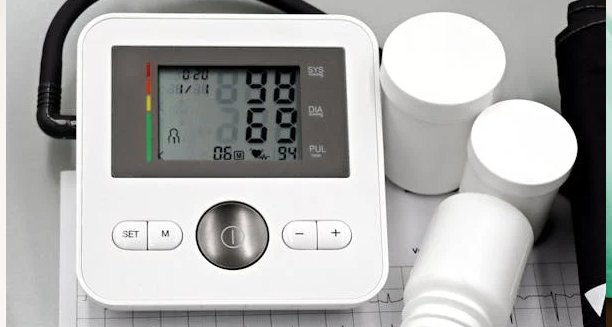
Blood pressure monitor and medication bottles on an ECG printout

Causes of Cardiovascular Disease

Causes of Cardiovascular Disease Causes of cardiovascular disease involve a combination of lifestyle, genetic, and environmental factors. The most common causes include atherosclerosis, high blood pressure, smoking, unhealthy diet, and physical inactivity. Atherosclerosis is the process by which fatty deposits accumulate on artery walls, forming plaques. These plaques narrow the arteries and reduce blood flow to organs. If a plaque ruptures, it can trigger a blood clot, leading to a heart attack or stroke. High blood pressure (hypertension) forces the heart to work harder and damages arteries over time. It contributes to the development of heart failure, aneurysms, and kidney disease. Smoking is a major contributor. It damages the lining of the arteries, increases blood pressure, and reduces oxygen in the blood — all of which accelerate cardiovascular decline. High cholesterol, especially low-density lipoprotein (LDL or “bad” cholesterol), plays a significant role. Excess LDL cholesterol sticks to artery walls, contributing to plaque formation. Diabetes — particularly poorly controlled — significantly raises the risk of cardiovascular disease. High blood sugar levels damage blood vessels and promote inflammation. Obesity and sedentary lifestyle are also leading causes. Being overweight puts strain on the heart, raises blood pressure, and is often accompanied by metabolic syndrome (a cluster of risk factors). Causes of Cardiovascular Disease Other contributors include: Understanding the causes of cardiovascular disease is essential for prevention. Addressing risk factors early — even before symptoms appear — can reduce the chance of heart attacks, strokes, and other complications later in life. [Next: Symptoms of Cardiovascular Disease →]
Causes of Cardiovascular Disease Read More »

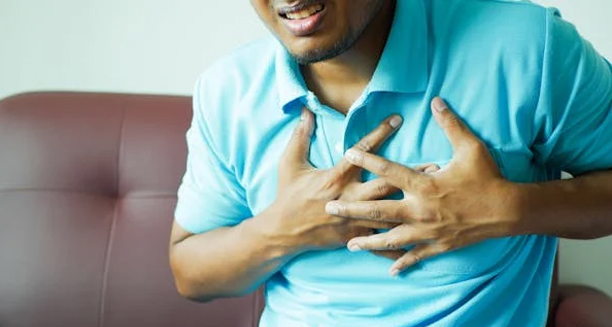
Man clutching chest in pain, showing signs of cardiovascular distress

Symptoms of Cardiovascular Disease

Symptoms of Cardiovascular Disease Symptoms of cardiovascular disease depend on the specific condition and its severity. The most common symptoms include chest pain, shortness of breath, fatigue, palpitations, and swelling in the legs or abdomen. Chest pain (angina) is one of the hallmark signs. It may feel like pressure, tightness, or burning in the chest and often occurs during physical activity or emotional stress. Angina typically subsides with rest. Shortness of breath can indicate heart failure or blocked arteries. It may occur during exertion, when lying flat, or even at rest in severe cases. Breathlessness during sleep (orthopnoea) or waking up gasping (paroxysmal nocturnal dyspnoea) also suggests heart strain. Fatigue and weakness are common, especially in heart failure. The heart’s reduced pumping ability results in less oxygen reaching the muscles, leading to tiredness during everyday tasks. Palpitations — a sensation of fluttering or irregular heartbeats — may be caused by arrhythmias such as atrial fibrillation or ventricular tachycardia. Some arrhythmias are harmless, while others are life-threatening. Swelling (oedema) in the feet, ankles, or abdomen can be a sign of fluid retention due to poor circulation. Weight gain from fluid build-up is also common in advanced heart failure. Symptoms of Cardiovascular Disease Other symptoms include: Because symptoms of cardiovascular disease may be subtle or attributed to other causes, it’s important to seek medical advice if symptoms persist or worsen. Early intervention can prevent severe outcomes and improve quality of life. [Next: Diagnosis of Cardiovascular Disease →]

Symptoms of Cardiovascular Disease Read More »

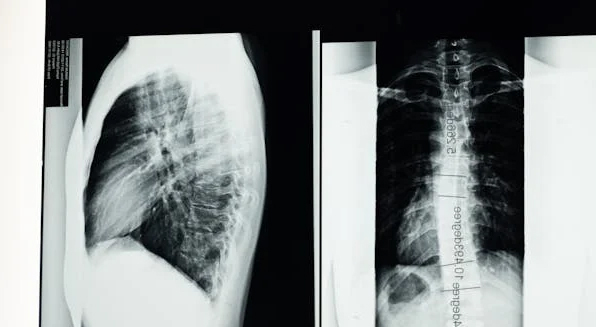
X-ray images of a human chest and spine used for cardiovascular diagnosis

Diagnosis of Cardiovascular Disease

Diagnosis of Cardiovascular Disease Diagnosis of cardiovascular disease involves a combination of physical examination, risk assessment, and diagnostic testing. A correct diagnosis allows for timely treatment and helps prevent life-threatening complications. Doctors start by evaluating medical and family history, lifestyle habits, and symptoms. They measure blood pressure, listen to the heart, and check for signs of poor circulation or fluid retention. Common tests include: 1. Blood Tests 2. Electrocardiogram (ECG) Measures the heart’s electrical activity and helps detect arrhythmias, previous heart attacks, or abnormal rhythms. 3. Echocardiogram An ultrasound of the heart that shows structure, pumping function, and valve function. It is key for diagnosing heart failure and valve disease. 4. Stress Tests Evaluate heart performance under exertion. These may involve walking on a treadmill or taking a medication that stresses the heart while monitoring ECG and imaging. 5. Coronary Angiography A dye is injected into the coronary arteries and visualised with X-rays to detect blockages. It is used for assessing coronary artery disease. 6. CT or MRI Scans Advanced imaging tools used to assess plaque build-up, congenital defects, or damage after a heart event. 7. Holter Monitor or Event Recorder Diagnosis of Cardiovascular Disease Worn for 24–72 hours or longer to detect intermittent heart rhythm problems. A full diagnosis of cardiovascular disease provides a foundation for personalising treatment, determining risk, and establishing long-term management goals. [Next: Treatment of Cardiovascular Disease →]

Diagnosis of Cardiovascular Disease Read More »

Healthcare worker in scrubs with a stethoscope and red heart shape in pocket

Treatment of Cardiovascular Disease

Treatment of Cardiovascular Disease Treatment of cardiovascular disease aims to manage symptoms, reduce risk, and prevent future cardiac events. Depending on the condition and severity, treatment may include lifestyle changes, medications, surgical procedures, or implantable devices. 1. Lifestyle Changes The first line of defence: 2. Medications Used to manage symptoms, control risk factors, and prevent progression: 3. Medical Procedures 4. Cardiac Rehabilitation Treatment of Cardiovascular Disease A structured programme of supervised exercise, education, and support that improves outcomes and reduces recurrence after cardiac events. Successful treatment of cardiovascular disease involves a long-term commitment to health. With proper medical care and personal discipline, many patients lead full and active lives well into old age. [Next: Complications and Recovery from Cardiovascular Disease →]

Treatment of Cardiovascular Disease Read More »

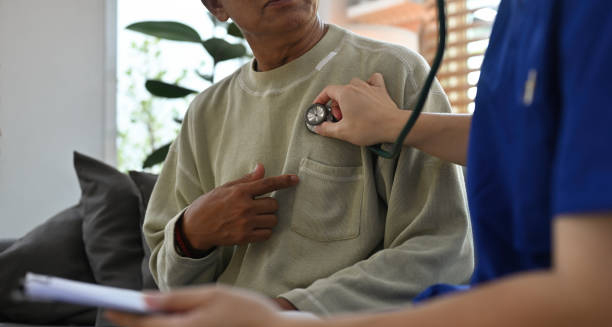
Doctor using stethoscope to examine patient's chest during heart check-up

Complications and Recovery from Cardiovascular Disease

Complications and Recovery from Cardiovascular Disease Complications and recovery from cardiovascular disease depend on how early the condition is detected, its severity, and the patient’s commitment to treatment. Without proper care, complications of cardiovascular disease can include heart attacks, strokes, heart failure, and sudden cardiac death. Common Complications Other long-term effects include reduced physical function, anxiety, depression, and impaired quality of life. These complications may be avoidable with early intervention and continued monitoring. Recovery Recovery involves: Complications and Recovery from Cardiovascular Disease The outlook varies: some people return to full function quickly, while others may need longer rehabilitation and ongoing care. With the right support and proactive management, complications can be controlled — and many people go on to enjoy long, active lives. [Next > Back to Overview]

Complications and Recovery from Cardiovascular Disease Read More »

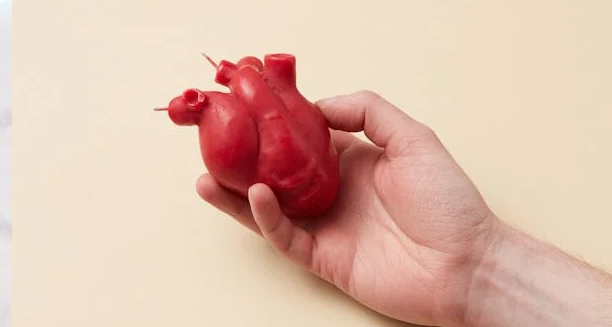
Hand holding a red anatomical heart model

Cardiomyopathy

Cardiomyopathy – Overview This Cardiomyopathy is a disease of the heart muscle that affects its size, shape, or structure, leading to poor heart function. Amongst other conditions, cardiomyopathy can cause the heart to become enlarged, thickened, or stiff, reducing its ability to pump blood efficiently. It may lead to heart failure, arrhythmias, or sudden cardiac death if not properly managed. The condition affects people of all ages but is more common in adults. Some types are inherited, while others develop from long-term high blood pressure, infections, or unknown causess. The impact ranges from mild symptoms to life-threatening complications, depending on the type and stage. There are several types of cardiomyopathy: Cardiomyopathy Some people show no symptoms in early stages, while others may experience fatigue, breathlessness, or irregular heartbeats. Treatment focuses on managing symptoms, preventing complications, and slowing disease progression. This may involve medications, lifestyle changes, surgery, or implantable devices. With early diagnosis and proper care, many people with CM can live active, fulfilling lives. What Is Cardiomyopathy? Cardiomyopathy is a disease of the heart muscle that alters its size, shape, or structure, impairing the heart’s ability to pump blood efficiently. It can cause the heart to become enlarged, thickened, or stiff, potentially leading to serious conditions such as heart failure, arrhythmias, or even sudden cardiac death if left untreated. While it can affect anyone, doctors more commonly diagnose it in adults. Some forms inherit genetic causes, while chronic high blood pressure, infections, or unknown factors cause others Types and Impact There are several types of cardiomyopathy, each with unique characteristics: Symptoms can range from none at all in early stages to fatigue, breathlessness, or irregular heart rhythms. Treatment focuses on managing symptoms and preventing complications through medication, lifestyle changes, surgical procedures, or implantable devices. With proper care, many people with cardiomyopathy can maintain a good quality of life. [Next: Causes of Cardiomyopathy →]

Cardiomyopathy Read More »

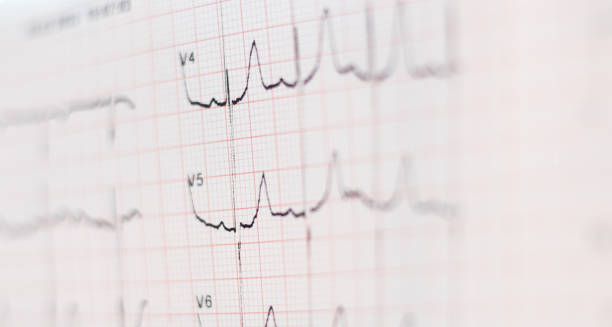
Close-up of ECG readings showing abnormal heart activity

Causes of Cardiomyopathy

Causes of Cardiomyopathy Causes of cardiomyopathy vary depending on the type, with both genetic and acquired factors playing a role. The most common causes include inherited gene mutations, high blood pressure, infections, long-term alcohol use, and certain medical conditions. Inherited causes are particularly relevant in hypertrophic and arrhythmogenic cardiomyopathy. Parents can pass on mutations in genes responsible for heart muscle structure or electrical function to their children. Doctors often recommend screening relatives, as family history strongly predicts risk. Dilated cardiomyopathy may result from: In restrictive cardiomyopathy, it may be a result of: Causes of Cardiomyopathy Arrhythmogenic cardiomyopathy is often genetic and linked to defects in the proteins that hold heart cells together, leading to muscle replacement by scar tissue. Other risk factors include obesity, diabetes, thyroid disorders, and sleep apnoea. In some cases, no identifiable cause is found — these are termed idiopathic cardiomyopathies. Understanding the causes of cardiomyopathy allows doctors to tailor treatment, identify at-risk family members, and advise on prevention strategies such as managing blood pressure or avoiding alcohol and recreational drugs. [Next: Symptoms of Cardiomyopathy →]

Causes of Cardiomyopathy Read More »

Woman clutching chest due to shortness of breath, a symptom of cardiomyopathy

Symptoms of Cardiomyopathy

Symptoms of Cardiomyopathy Symptoms of cardiomyopathy can develop slowly or appear suddenly, depending on the type and severity. Common symptoms of cardiomyopathy include shortness of breath, fatigue, swelling in the legs, irregular heartbeats, and chest discomfort. Shortness of breath (dyspnoea) often worsens with exertion or when lying flat. This occurs because the heart struggles to pump efficiently, causing fluid to back up into the lungs. Fatigue and weakness result from reduced blood flow to muscles and organs. Even routine activities like walking or climbing stairs may feel exhausting. Swelling in the legs, ankles, and abdomen (oedema) is another hallmark. It reflects fluid build-up due to poor heart function, especially in dilated or restrictive cardiomyopathy. Palpitations or sensations of a racing, fluttering, or skipping heartbeat may indicate arrhythmias. Some people may also experience dizziness or fainting, particularly in hypertrophic or arrhythmogenic cardiomyopathy where abnormal rhythms are more common. Chest pain can occur, although it is less common unless the cardiomyopathy is linked to coronary artery disease. It usually appears during exertion or stress and may resemble angina. Other symptoms may include: Symptoms of Cardiomyopathy In early stages, symptoms may be mild or absent. As the disease progresses, they become more pronounced and can significantly affect daily life. Recognising symptoms of cardiomyopathy early allows for quicker intervention, which can improve outcomes and prevent complications such as heart failure, stroke, or cardiac arrest. [Next: Diagnosis of Cardiomyopathy →]

Symptoms of Cardiomyopathy Read More »

Blood pressure monitor, ECG results, and pills used for diagnosing cardiomyopath

Diagnosis of Cardiomyopathy

Diagnosis of Cardiomyopathy Diagnosis of cardiomyopathy involves a combination of physical examination, imaging tests, and sometimes genetic screening. A proper diagnosis of cardiomyopathy helps determine the type, severity, and treatment plan needed. Doctors start by reviewing medical history and asking about symptoms like breathlessness, fatigue, or fainting. They also inquire about family history of heart disease, sudden death, or genetic conditions. Physical examination may reveal signs such as heart murmurs, lung congestion, or swelling in the legs. A stethoscope may pick up abnormal heart sounds or fluid in the lungs. Key diagnostic tests include: 1. Electrocardiogram (ECG) Records the heart’s electrical activity and detects abnormal rhythms, past heart attacks, or conduction delays. 2. Echocardiogram Uses ultrasound to visualise the heart’s structure, thickness, and pumping ability. It helps distinguish between dilated, hypertrophic, and restrictive types. 3. Cardiac MRI Provides detailed images of heart muscle, scarring, and inflammation. Useful in complex or unclear cases. 4. Chest X-ray Can show heart enlargement or fluid in the lungs. 5. Blood tests Check for signs of heart failure, infection, or underlying conditions like thyroid dysfunction. 6. Genetic testing Recommended if inherited cardiomyopathy is suspected. Helps confirm the diagnosis and guide screening for family members. 7. Cardiac catheterisation Diagnosis of Cardiomyopathy May be used to assess blood flow, pressure inside the heart, or rule out coronary artery disease. A complete diagnosis of cardiomyopathy includes identifying the subtype, assessing function (ejection fraction), and staging the condition. This ensures treatment is accurate and effective. [Next: Treatment of Cardiomyopathy →]

Diagnosis of Cardiomyopathy Read More »

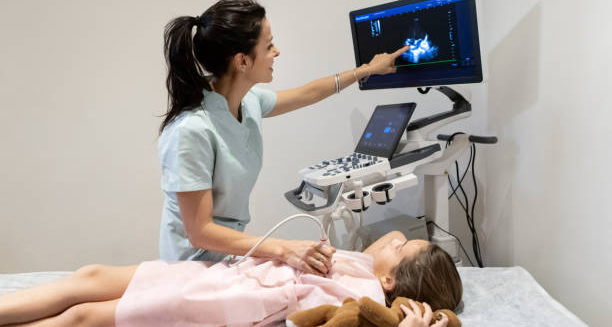
Healthcare professional performing an ultrasound on a young girl to monitor cardiomyopathy

Treatment of Cardiomyopathy

Treatment of Cardiomyopathy Treatment of cardiomyopathy focuses on relieving symptoms, preventing complications, and improving heart function. The approach depends on the type, severity, and individual patient profile. Effective treatment of cardiomyopathy often combines medication, lifestyle changes, and in some cases, surgery or devices. 1. Medications 2. Lifestyle Changes 3. Implantable Devices 4. Surgery 5. Monitoring and Rehabilitation Treatment of Cardiomyopathy With proper management, treatment of cardiomyopathy can significantly improve survival, reduce hospital admissions, and enhance quality of life. [Next: Complications and Recovery from Cardiomyopathy →]

Treatment of Cardiomyopathy Read More »

Scroll to Top