Mental Matters

Author name: admin

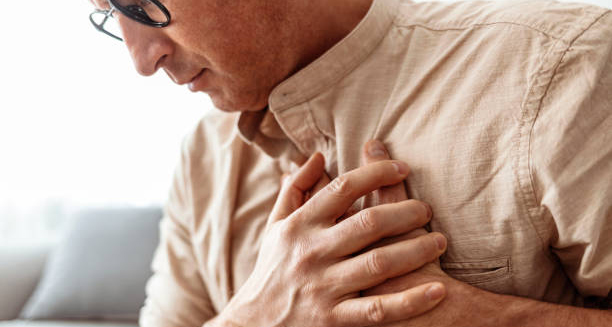
Man clutching his chest in discomfort, possibly due to cardiomyopathy

Complications and Recovery from Cardiomyopathy

Complications and Recovery from Cardiomyopathy Complications and recovery from cardiomyopathy depend on the type and how early treatment begins. While some people live with stable disease for years, others may face serious complications from cardiomyopathy, including heart failure, arrhythmias, or stroke. Common Complications Recovery and Long-Term Outlook With early diagnosis and treatment, many people can lead full lives. Recovery focuses on: For those with advanced cardiomyopathy, cardiac devices and surgery may offer dramatic improvements. Emotional wellbeing is also important. Depression, anxiety, or fear of sudden episodes are common. Support from healthcare teams, counselling, and patient groups can make a big difference. Complications and Recovery from Cardiomyopathy With consistent care, many live for decades with minimal disruption. Regular follow-ups ensure that any decline is caught early. By understanding complications and recovery from cardiomyopathy, patients and families can take proactive steps toward long-term health, stability, and peace of mind. [Next > Back to Overview]
Complications and Recovery from Cardiomyopathy Read More »

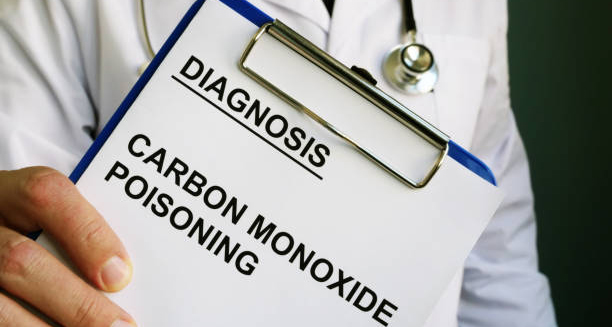
Doctor holding a clipboard with a diagnosis of carbon monoxide poisoning

Carbon Monoxide Poisoning

Carbon Monoxide Poisoning – Overview This condition Carbon monoxide poisoning occurs when CO (a colourless, odourless, and tasteless gas) builds up in the bloodstream and prevents the body from using oxygen properly. CO poisoning can cause serious harm to organs. Additionally, to tissues and is potentially fatal if not recognised and treated quickly. Incomplete burning of fuels like gas, wood, coal, or oil produces carbon monoxide (CO). Faulty appliances, blocked chimneys, and poorly ventilated heating systems are common sources. Because it is undetectable by human senses, people can inhale CO without knowing, making it especially dangerous. Once inhaled, carbon monoxide binds to haemoglobin in red blood cells more strongly than oxygen. Reducing the blood’s ability to carry oxygen. As a result, the body deprives vital organs like the brain and heart of oxygen. Furthermore, causing symptoms such as headaches, dizziness, confusion, and eventually loss of consciousness. Both acute and chronic exposure to carbon monoxide can cause harm. High-level exposure can kill within minutes, while long-term low-level exposure may cause lasting neurological problems. Carbon Monoxide Poisoning CO poisoning affects people in all environments — homes, workplaces, and vehicles. Young children, the elderly, pregnant women, and people with heart or lung disease are especially vulnerable. Early recognition, removal from exposure, and prompt treatment with oxygen can save lives and prevent complications. [Next: Causes of Carbon Monoxide Poisoning →]

Carbon Monoxide Poisoning Read More »

Smoke rising from a metallic mesh surface, illustrating carbon monoxide emission

Causes of Carbon Monoxide Poisoning

Causes of Carbon Monoxide Poisoning Causes of carbon monoxide poisoning are linked to the burning of fuel in enclosed or poorly ventilated spaces. The most common causes include malfunctioning heaters, blocked chimneys, car exhaust fumes, and indoor use of charcoal or gas-burning appliances. At home, faulty boilers, gas heaters, water heaters, wood-burning stoves, and fireplaces are major sources. If these appliances are not installed correctly, poorly maintained, or used in confined spaces, carbon monoxide can accumulate to dangerous levels. Blocked flues or chimneys prevent combustion gases from escaping properly, forcing CO back into the room. Cracks or leaks in furnace heat exchangers can also release CO into the air. Running petrol or diesel engines indoors — such as in garages, workshops, or basements — is particularly hazardous. A car left idling in a closed garage can produce lethal CO levels within minutes. Power generators, lawn mowers, and pressure washers can also pose risks if used in or near enclosed spaces. Carbon monoxide can also build up in caravans, tents, or boats if portable stoves, grills, or heaters are used without proper ventilation. In workplaces, sources may include gas-powered tools, forklifts, or industrial equipment used in enclosed spaces without adequate airflow. Tobacco smoke also contains small amounts of carbon monoxide, and chronic exposure in smokers may contribute to low-level poisoning. Causes of Carbon Monoxide Poisoning Lack of a working CO detector significantly increases the risk, as people may be exposed for hours or days before realising something is wrong. Recognising the causes of carbon monoxide poisoning is crucial for prevention. Installing CO detectors, ensuring proper ventilation, and regular appliance servicing are the most effective ways to stay safe. [Next: Symptoms of Carbon Monoxide Poisoning →]

Causes of Carbon Monoxide Poisoning Read More »

Illustration of a person feeling dizzy, a symptom of carbon monoxide poisoning

Symptoms of Carbon Monoxide Poisoning

Symptoms of Carbon Monoxide Poisoning Symptoms of carbon monoxide poisoning often resemble common illnesses, which makes the condition easy to miss. The most common symptoms poisoning include headache, dizziness, weakness, nausea, confusion, and shortness of breath. In severe cases, it can cause unconsciousness, coma, or death. Symptoms vary depending on the level and duration of exposure. At low levels, people may feel unwell without knowing why. The classic early signs include: With continued exposure, symptoms escalate. People may experience: One of the hallmark signs is that multiple people in the same environment (such as a household) develop similar symptoms at the same time, which should raise immediate suspicion of CO exposure. Symptoms of Carbon Monoxide Poisoning Chronic low-level exposure may cause memory problems, irritability, sleep disturbances, and difficulty focusing. In pregnant women, it can lead to developmental issues or stillbirth due to reduced oxygen to the foetus. Symptoms often worsen indoors and improve upon leaving the building. Pets may be affected before humans, showing signs of lethargy, unsteadiness, or vomiting. Because early symptoms mimic flu, food poisoning, or fatigue, it’s vital to consider environmental exposure — especially if there’s a gas appliance, fire, or generator in use. [Next: Diagnosis of Carbon Monoxide Poisoning →]

Symptoms of Carbon Monoxide Poisoning Read More »

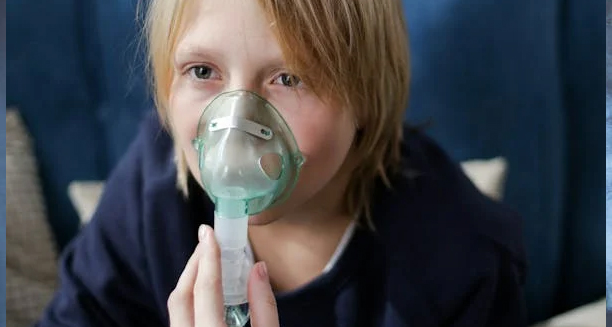
Child using an oxygen mask for carbon monoxide poisoning treatment

Treatment of Carbon Monoxide Poisoning

Diagnosis of Carbon Monoxide Poisoning Diagnosis of carbon monoxide poisoning relies on recognising the symptoms and confirming elevated carbon monoxide levels in the blood. A timely diagnosis of carbon monoxide poisoning can save lives and prevent long-term complications. Doctors begin by taking a detailed history, asking about recent exposure to fuel-burning appliances, enclosed spaces, and whether others in the environment are feeling unwell. Clues such as headache that improves outside or symptoms affecting multiple people often point to CO exposure. The main diagnostic tool is a blood test to measure carboxyhaemoglobin (COHb) levels. Carbon monoxide binds with haemoglobin in the blood to form this compound. Normal COHb levels are under 2% in non-smokers and up to 9% in smokers. Levels above 10–15% suggest significant exposure. In severe cases, levels may exceed 50%. Pulse oximeters, commonly used to measure oxygen saturation, can give false readings in CO poisoning because they cannot distinguish betwThere is a difference between oxyhaemoglobin and carboxyhaemoglobin, so hospitals use special equipment such as a CO-oximeter to obtain accurate results. Other investigations may include: Diagnosis of Carbon Monoxide Poisoning In some cases, vague symptoms or symptoms mistaken for a viral illness or food poisoning can delay diagnosis. That’s why it’s crucial to ask about environmental exposures and the presence of CO sources. When doctors confirm carbon monoxide poisoning, they begin treatment immediately—often before all test results are in—to prevent progression and tissue damage. [Next: Treatment of Carbon Monoxide Poisoning →] Treatment of carbon monoxide poisoning centres on removing the person from the source of exposure and delivering oxygen to eliminate the gas from the body. The primary goal of treatment of carbon monoxide poisoning is to restore oxygen delivery to vital organs and prevent complications. The first step is immediate removal from the exposure site. This alone can stop the poisoning from worsening. Emergency services should ventilate the area, and patients should be transported to hospital promptly. Once in a medical setting, treatment typically includes: 1. 100% Oxygen Therapy High-flow oxygen is delivered through a tight-fitting mask to replace carbon monoxide with oxygen in the blood. This speeds up the removal of carboxyhaemoglobin and improves tissue oxygenation. Most people receive oxygen for several hours. 2. Hyperbaric Oxygen Therapy (HBOT) In moderate to severe cases — especially with loss of consciousness, neurological symptoms, pregnancy, or COHb levels over 25% — hyperbaric oxygen therapy may be used. This involves breathing pure oxygen in a pressurised chamber and helps reduce long-term brain injury. 3. Supportive Care This includes IV fluids, pain relief, anti-nausea medication, and continuous monitoring. If there are heart or brain complications, treatment is adjusted accordingly. Treatment of Carbon Monoxide Poisoning Hospital teams may consult cardiology or neurology if patients show evidence of organ damage. Pregnant women receive urgent oxygen therapy to protect the foetus, which is more vulnerable to CO. After stabilisation, doctors will arrange follow-up tests to assess for delayed neurological symptoms, which can appear days or weeks after exposure. A key part of treatment of carbon monoxide poisoning also includes ensuring that the source of CO exposure is identified and corrected, often involving environmental health officials or gas safety inspectors. [Next: Complications and Recovery from Carbon Monoxide Poisoning →]

Treatment of Carbon Monoxide Poisoning Read More »

Man coughing and surrounded by smoke, indicating carbon monoxide exposure

Complications and Recovery from Carbon Monoxide Poisoning

Complications and Recovery from Carbon Monoxide Poisoning Complications and recovery from carbon monoxide poisoning vary depending on how long the person was exposed and how quickly they received treatment. While many people recover fully, complications from carbon monoxide poisoning can include brain damage, heart problems, and long-term fatigue or mood changes. Short-Term Complications Delayed Neurological Sequelae (DNS) Up to 40% of people with moderate or severe exposure may develop DNS. Symptoms appear days or weeks later and include: These effects may last weeks, months, or even become permanent. Rehabilitation, physiotherapy, and neurocognitive therapy can help support recovery. Emotional and Psychological Impact Survivors may experience anxiety, post-traumatic stress, or depression, especially after severe illness or witnessing others fall ill. Psychological support is essential during recovery. Recovery Timeline Complications and Recovery from Carbon Monoxide Poisoning To ensure complete recovery, follow-up appointments should monitor cognitive function, heart health, and emotional wellbeing. Preventing recurrence is a vital part of recovery. Patients are encouraged to install CO detectors, regularly service appliances, and never use fuel-burning devices in enclosed spaces. With fast treatment and good follow-up, complications can be managed, and many people return to full health. [Next > Back to Overview]

Complications and Recovery from Carbon Monoxide Poisoning Read More »

Cancer

Cancer

Cancer – Overview Cancer is a group of diseases in which abnormal cells grow uncontrollably. Invade surrounding tissues, and may spread to other parts of the body. This can develop in almost any organ or tissue, and it remains one of the leading causes of death worldwide. While some forms progress slowly, others can spread aggressively, making early detection and treatment essential. The disease begins when genetic mutations alter normal cell behaviour. Instead of dividing in a controlled way, cancer cells grow unchecked, often forming a mass called a tumour. Not all tumours are cancerous — benign tumours do not spread. However, malignant tumours invade nearby tissues and can metastasise (spread) to distant organs through the blood or lymphatic system. There are over 100 types of cancer, including breast, lung, prostate, colon, leukaemia, lymphoma, and skin. Each type behaves differently and requires tailored treatment. Cancer – Overview Cancer affects people of all ages, but the risk increases with age. Lifestyle factors such as smoking, poor diet, lack of exercise. Additionally, exposure to carcinogens like radiation or toxic chemicals play a major role. Genetics, infections, and environmental triggers also contribute. Treatment options include surgery, chemotherapy, radiation therapy, immunotherapy, hormone therapy, and targeted drugs. Success depends on the type, stage, and individual health status. Although a diagnosis can be frightening, advances in early detection, personalised treatment, and support services are improving survival rates and quality of life for millions of patients worldwide. [Next: Causes of Cancer →]

Cancer Read More »

Causes of Cancer

Causes of Cancer

Causes of Cancer Causes of cancer are diverse and often involve a mix of genetic, lifestyle, and environmental factors. The most common causes of cancer include tobacco use, poor diet, exposure to carcinogens, chronic infections, and inherited gene mutations. Genetic mutations are at the heart of all cancers. These changes in DNA can be inherited or acquired. Inherited mutations — such as those in the BRCA1 or BRCA2 genes — significantly raise the risk for certain cancers like breast or ovarian cancer. However, most mutations are acquired during a person’s life due to external influences or random cell errors. Tobacco is the leading preventable cause of cancer globally. It contains dozens of known carcinogens and is strongly linked to lung, throat, mouth, pancreas, and bladder cancer. Even second-hand smoke exposure increases risk. Diet and lifestyle are major contributors. Diets high in red or processed meats, low in fibre, and lacking fruits and vegetables may increase cancer risk. Obesity is linked to at least 13 types of cancer, including breast, liver, and bowel cancer. Lack of physical activity, excess alcohol, and chronic stress can also contribute to a cancer-friendly environment in the body. Environmental exposures such as ultraviolet (UV) radiation from the sun can cause skin cancer, while substances like asbestos, radon gas, and industrial chemicals are known to increase risk for lung and other cancers. Causes of Cancer Infections play a role in several cancers. For example, human papillomavirus (HPV) is linked to cervical and throat cancers, while hepatitis B and C viruses are major causes of liver cancer. Helicobacter pylori infection is associated with stomach cancer. Hormonal influences, especially in hormone-sensitive cancers like breast or prostate cancer, may also affect risk. Long-term use of hormone replacement therapy (HRT) or contraceptives is a potential factor in some cases. Understanding the causes of cancer helps guide prevention strategies such as vaccination (e.g. HPV or hepatitis B), healthy lifestyle choices, regular screenings, and avoiding carcinogenic exposures. [Next: Symptoms of Cancer →]

Causes of Cancer Read More »

Person coughing and holding chest, indicating discomfort

Symptoms of Cancer

Symptoms of Cancer Symptoms of cancer vary depending on the type, location, and stage of the disease. While some cancers present with clear signs early on, others remain silent until they are advanced. Common symptoms of cancer include unexplained weight loss, fatigue, persistent pain, skin changes, and abnormal bleeding. One of the most common warning signs is unexplained weight loss. Losing more than 5–10% of body weight without dieting or increased exercise could signal an underlying issue, including cancer. Fatigue that doesn’t improve with rest is another frequent symptom. Cancer-related fatigue is often persistent and can interfere with daily activities. Pain can be an early sign of some cancers. For example, headaches that don’t go away could be linked to brain cancer, while back pain may signal spinal tumours or pancreatic cancer. Persistent pain without a clear cause should always be investigated. Skin changes are also important indicators. These include new moles, changes in existing moles, or sores that don’t heal. Jaundice (yellowing of the skin or eyes) may suggest liver or pancreatic cancer. Lumps or swellings in the breast, testicles, neck, or underarms may indicate a tumour. These should always be checked, even if painless. Other key symptoms: Symptoms of Cancer Because these symptoms can also result from non-cancerous conditions, they don’t always mean cancer is present. However, persistent or unexplained symptoms should never be ignored. Recognising symptoms of cancer early increases the chance of successful treatment. Regular check-ups and knowing your body well can make a life-saving difference. [Next: Diagnosis of Cancer →]

Symptoms of Cancer Read More »

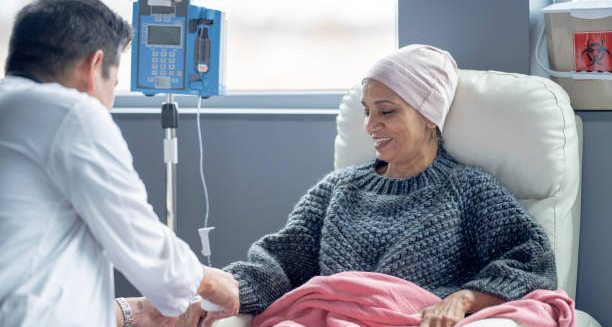
Smiling cancer patient with pink ribbon talking to doctor

Diagnosis of Cancer

Diagnosis of Cancer Diagnosis of cancer involves a series of steps to confirm the presence of abnormal cell growth and determine its type, location, and stage. A timely and accurate diagnosis of cancer is critical for choosing the most effective treatment plan and improving outcomes. The process often begins with a visit to a GP or specialist due to symptoms or during a routine screening. Based on initial findings, doctors may order further tests. Imaging tests are frequently the first step: Blood tests can reveal tumour markers or detect organ function abnormalities. Examples include PSA (for prostate cancer), CA-125 (for ovarian cancer), and AFP (for liver cancer). Biopsy is the gold standard for diagnosis. Doctors take a small tissue sample and examine it under a microscope to check for cancer cells and confirm the diagnosis. Doctors perform biopsies using different methods depending on where the tumour is located. These include needle biopsy, surgery, endoscopy, or skin scraping. Endoscopy allows doctors to view internal areas like the colon, oesophagus, or lungs using a thin tube with a camera. Diagnosis of Cancer Genetic testing may be done on the tumour or the patient’s own DNA to understand mutations driving the cancer. This helps guide targeted therapies and assess familial risk. Once diagnosed, staging determines how far the cancer has spread. This typically ranges from stage I (localised) to stage IV (metastatic). Additional scans, surgical assessments, or bone marrow biopsies may be used to complete staging. A confirmed diagnosis of cancer enables the medical team to develop a personalised treatment plan based on tumour type, location, genetics, and patient preferences. [Next: Treatment of Cancer →]

Diagnosis of Cancer Read More »

Scroll to Top