Mental Matters

Author name: admin

Gloved hand holding the hand of a cancer patient receiving IV treatment

Treatment of Cancer

Treatment of Cancer Treatment of cancer varies widely depending on the cancer’s type, stage, and location, as well as the patient’s overall health and preferences. The primary goals of treatment of cancer are to eliminate cancer, prevent its spread, or manage symptoms in advanced cases. Common cancer treatments include: 1. Surgery Surgery removes tumours and surrounding tissue, often providing a cure for early-stage cancers. It may be used alone or alongside other therapies. Minimally invasive techniques, such as laparoscopic surgery, are now common. 2. Chemotherapy Chemotherapy uses powerful drugs to kill fast-growing cancer cells. It may be used to shrink tumours before surgery, eliminate remaining cancer after surgery, or treat widespread disease. Side effects can include nausea, fatigue, and hair loss, but supportive medications reduce these impacts. 3. Radiation Therapy High-energy beams (such as X-rays or protons) target and destroy cancer cells. Radiation is used alone or with other treatments and can be external or internal (brachytherapy). It’s commonly used in breast, prostate, and head and neck cancers. 4. Immunotherapy This newer approach stimulates the patient’s immune system to recognise and attack cancer cells. Drugs like checkpoint inhibitors and CAR T-cell therapy are transforming treatment in melanoma, lung cancer, and blood cancers. 5. Targeted Therapy Targeted drugs block specific molecules that cancer cells rely on to grow. These treatments are often used when genetic mutations are identified through testing. 6. Hormone Therapy Used for hormone-sensitive cancers like breast and prostate cancer, this therapy lowers or blocks hormones that fuel cancer growth. 7. Stem Cell Transplant Mainly used in blood cancers such as leukaemia or lymphoma, this treatment replaces damaged bone marrow with healthy cells. Supportive care, including pain management, nutrition counselling, and mental health support, is also essential. Treatment of Cancer A successful treatment of cancer plan may combine multiple methods and evolve over time. Continuous advances in medicine are expanding options and improving survival rates. [Next: Complications and Recovery from Cancer →]

Treatment of Cancer Read More »

Smiling woman with headscarf embraced by supportive young woman

Complications and Recovery from Cancer

Complications and Recovery from Cancer Complications and recovery from cancer depend on many factors, including the type of cancer, its stage, treatment used, and the patient’s overall health. While many people recover fully, complications of cancer can be physical, emotional, or long-term. Short-Term Complications Long-Term Complications Emotional and Psychological Complications Cancer can cause depression, anxiety, PTSD, and body image issues. Support from counsellors, therapists, and support groups is vital. Many patients experience fear of recurrence even after successful treatment. Recovery and Survivorship Recovery involves physical healing, emotional adjustment, and lifestyle changes. Regular follow-ups monitor for recurrence, side effects, and new symptoms. Many patients benefit from: Complications and Recovery from Cancer With early diagnosis and the right treatment, many cancers are now curable or manageable as chronic conditions. Holistic care during and after treatment improves both survival and quality of life. Understanding complications and recovery from cancer helps patients prepare, seek support, and stay proactive about long-term health. [Next > Back to Overview]

Complications and Recovery from Cancer Read More »

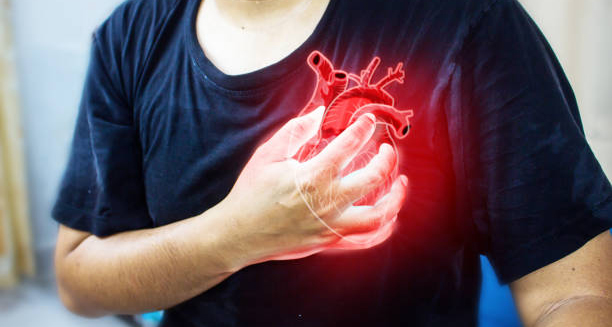
Person clutching chest with digital heart overlay indicating cardiac distress

Bundle Branch Block

Bundle Branch Block – Overview The Bundle branch block is a condition where there is a delay or blockage in the electrical impulses. These travel through the heart’s bundle branches, which are part of the pathways that control heartbeats. This can affect either the right or left bundle branch. Additionally, may alter the way the heart’s lower chambers (ventricles) contract. The heart’s electrical system coordinates the rhythm and timing of each heartbeat. When a bundle branch is blocked. The signal is slowed or blocked on its way to part of the heart, causing the ventricles to beat out of sync. While some people experience no symptoms, others may feel light-headed, fatigued, or faint. There are two main types of BBB: Right Bundle Branch Block (RBBB) and Left Bundle Branch Block (LBBB). RBBB is more commonly benign. Often found incidentally on an ECG, while LBBB may indicate underlying heart disease or increase the risk of complications such as heart failure. Bundle Branch Block This is more common in older adults, individuals with high blood pressure, heart disease, or previous heart attacks. It can also occur in younger people with no known heart problems. Although this is not a disease itself. It may be a sign of an existing or developing cardiac issue. Diagnosis is usually made through an electrocardiogram (ECG). Additionally, it may lead to further cardiac testing depending on the type and symptoms. What Is Bundle Branch Block? This is a heart rhythm condition where the electrical signals that control the heartbeat are delayed or blocked along the right or left BBB — pathways responsible for guiding signals to the heart’s lower chambers (ventricles). This disruption can affect how efficiently the ventricles contract. Right BBB (RBBB) is often harmless and may be discovered during routine ECG testing, whereas Left BBB (LBBB) is more likely to signal underlying heart disease and may be associated with an increased risk of heart failure or other complications. Who Is at Risk? This is more frequently seen in older adults and in people with high blood pressure, coronary artery disease, or a history of heart attacks. However, it can also appear in younger individuals without known heart conditions. Some people may not experience any symptoms, while others might notice fatigue, dizziness, or fainting. Although not a disease itself, BBB can be a marker of other cardiac issues. It is typically diagnosed using an electrocardiogram (ECG), and depending on findings, further tests may be done to assess heart function and potential risks. [Next: Causes of Bundle Branch Block →]

Bundle Branch Block Read More »

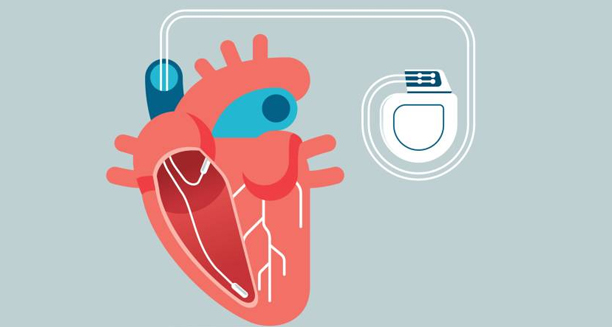
Medical illustration of heart with pacemaker showing electrical pathway

Causes of Bundle Branch Block

Causes of Bundle Branch Block Causes of bundle branch block relate to conditions that affect the heart’s electrical conduction system, especially the ventricles. The most common causes of bundle branch block include heart disease, structural abnormalities, scar tissue, high blood pressure, and, in some cases, unknown reasons. Right bundle branch block (RBBB) is often associated with: Left bundle branch block (LBBB) is more likely to be caused by: LBBB tends to indicate more serious underlying heart conditions and is often associated with a higher risk of heart failure, especially if the left ventricle does not pump efficiently. Other causes common to both RBBB and LBBB include: Causes of Bundle Branch Block In some cases, no specific cause is found, and the block may be an incidental finding without immediate health concerns. Understanding the causes of bundle branch block helps doctors decide whether additional tests are needed and what treatment, if any, is appropriate. It also allows for risk assessment regarding potential heart rhythm problems or structural heart disease. What Causes Bundle Branch Block? Bundle branch block occurs when the electrical impulses that control heartbeats are delayed or blocked along the heart’s conduction pathways. This is usually caused by underlying heart conditions or structural changes. Right bundle branch block (RBBB) may result from congenital heart defects like atrial septal defect, chronic lung conditions, or right ventricular enlargement. In some cases, RBBB appears in healthy individuals without any underlying disease. Left bundle branch block (LBBB), on the other hand, is more often linked to serious issues such as coronary artery disease, past heart attacks, cardiomyopathy, aortic stenosis, or long-standing hypertension. Degeneration of the heart’s electrical system due to ageing can also contribute. Shared and Unidentified Causes There are causes common to both RBBB and LBBB, including infections like myocarditis, trauma or injury to the chest, complications from cardiac procedures, electrolyte imbalances, or the side effects of certain medications. Occasionally, no clear cause is found, and the block is discovered incidentally during a routine ECG. Identifying the underlying cause is vital, as it helps determine whether further investigation or treatment is needed. In the case of LBBB, especially, it may indicate an increased risk of heart failure or other serious complications. [Next: Symptoms of Bundle Branch Block →]

Causes of Bundle Branch Block Read More »

Man clutching chest with ECG line overlay indicating heart rhythm

Symptoms of Bundle Branch Block

Symptoms of Bundle Branch Block Symptoms of bundle branch block can vary widely. Many people have no noticeable effects, especially in cases of right bundle branch block, while others may experience warning signs linked to underlying heart issues. Common symptoms include fainting, dizziness, fatigue, shortness of breath, and palpitations. In most cases, bundle branch block is discovered during an ECG performed for another reason. It may not cause any direct symptoms, particularly when the heart otherwise functions normally. However, when symptoms do occur, they may include: Left alone it’s more likely to be associated with symptoms because it often reflects underlying damage to the left ventricle. It may also mask signs of a heart attack on an ECG, making diagnosis more challenging. Symptoms of Bundle Branch Block Sometimes bundle branch block is discovered during evaluation of symptoms like fatigue, exertional dyspnoea, or unexplained collapse — all of which warrant further cardiac investigation. Recognising symptoms is, especially if they occur suddenly or alongside chest pain, because this may indicate a serious cardiac event such as a heart attack or acute heart failure. [Next: Diagnosis of Bundle Branch Block →]

Symptoms of Bundle Branch Block Read More »

Nurse checking blood pressure of patient with bandaged arm

Diagnosis of Bundle Branch Block

Diagnosis of Bundle Branch Block Diagnosis of bundle branch block is typically made using an electrocardiogram (ECG), which records the electrical activity of the heart. A confirmed diagnosis requires identifying specific changes in the ECG pattern that show delayed conduction in one of the heart’s bundle branches. During an ECG, the doctor looks for a widened QRS complex — greater than 120 milliseconds — along with other characteristic patterns. The exact shape of the waveform helps distinguish between: Once a bundle branch block is identified, doctors assess whether it’s isolated or related to a broader cardiac issue. Additional tests may include: Diagnosis of Bundle Branch Block Blood tests may be ordered to assess for causes such as infection, electrolyte imbalances, or myocardial injury (troponins). A detailed history is essential — including questions about chest pain, exertion, breathlessness, and family history of cardiac issues. The purpose of a diagnosis is not only to confirm the conduction delay but also to assess its clinical significance and underlying cause, which will guide further treatment or monitoring. [Next: Treatment of Bundle Branch Block →]

Diagnosis of Bundle Branch Block Read More »

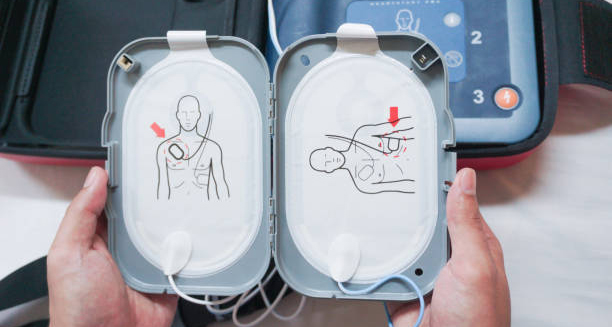
AED pad placement diagram for cardiac emergency response

Treatment of Bundle Branch Block

Treatment of Bundle Branch Block Treatment of bundle branch block depends on the underlying cause. The presence of symptoms, and whether the block affects the heart’s ability to pump effectively. In many cases, treatment is not needed unless the condition is linked to heart disease or produces symptoms. If the bundle branch block is found incidentally on an ECG and the patient has no symptoms or heart dysfunction. Furthermore, no treatment is typically required. Regular follow-up and monitoring may be suggested to track any changes over time. When treatment is necessary, it may include: Treatment of Bundle Branch Block Right bundle branch block usually doesn’t require treatment unless it’s part of a broader issue, while left bundle branch block often warrants a deeper evaluation and potentially more active management. Successful treatment focuses on improving heart rhythm, preventing complications, and maintaining quality of life. In severe or symptomatic cases, referral to a cardiologist or electrophysiologist may be necessary. [Next: Complications and Recovery from Bundle Branch Block →]

Treatment of Bundle Branch Block Read More »

Elderly woman clutching her chest while seated in a wheelchair

Complications and Recovery from Bundle Branch Block

Complications and Recovery from Bundle Branch Block Complications and recovery from bundle branch block vary based on the type of block and any underlying cardiac disease. While many people live without issues, complications of bundle branch block can include heart failure, arrhythmias, and difficulties diagnosing heart attacks. One of the primary concerns with left bundle branch block is that it may indicate or worsen underlying heart disease. It often occurs in people with weakened heart muscle and may lead to or exacerbate: In right bundle branch block, complications are less common but may be significant if related to congenital defects or pulmonary conditions. Another complication is difficulty diagnosing myocardial infarction (heart attack). LBBB can mask typical ECG signs of a heart attack, making it harder for doctors to recognise and treat acute events quickly. Special criteria, such as Sgarbossa’s, are used to assist with interpretation. People with recurrent fainting, fatigue, or reduced exercise tolerance may require pacemaker implantation, especially if the block leads to complete heart block or dangerously slow heart rhythms. Complications and Recovery from Bundle Branch Block Recovery depends on the cause and severity. If the bundle branch block is isolated and no underlying disease is found, the outlook is generally excellent, with little to no lifestyle limitation. In patients who require pacemakers or cardiac resynchronisation therapy, recovery includes device programming, follow-up monitoring, and sometimes rehabilitation for heart failure. Lifestyle strategies such as managing blood pressure, maintaining a healthy weight, avoiding tobacco, and treating sleep apnoea can all improve heart function and reduce complications. With proper care and monitoring,recovery from bundle branch block are manageable, and many people lead healthy, active lives with or without medical intervention. [Next > Back to Overview]

Complications and Recovery from Bundle Branch Block Read More »

Doctor examining a patient's swollen knee with visible inflammation

Bursitis

Bursitis – Overview Bursitis is the inflammation of a bursa — a small, fluid-filled sac that cushions bones, tendons, and muscles near joints. Bursitis typically causes pain, swelling, and limited movement in the affected area, especially during repetitive motion or pressure. Common sites include the shoulder, elbow, hip, knee, and heel. The bursae act as gliding surfaces to reduce friction and help movement between bones and soft tissue. When a bursa becomes irritated or inflamed, it swells with excess fluid, leading to pain and restricted joint function. This may develop suddenly from injury or gradually from repetitive stress. Most cases are short-term and resolve with rest and conservative treatment. However, in some people — particularly athletes or those with underlying joint conditions — bursitis can become chronic and interfere with daily activities. Bursitis This affects all age groups but is more common in adults over 40. It may result from repetitive tasks, poor posture, joint overuse, trauma, infection, or medical conditions such as gout or rheumatoid arthritis. Early diagnosis and proper management help prevent worsening symptoms and complications like infection or tendon damage. Simple measures such as rest, ice, and posture correction often provide relief. In persistent cases, corticosteroid injections or physical therapy may be needed. [Next: Causes of Bursitis →]

Bursitis Read More »

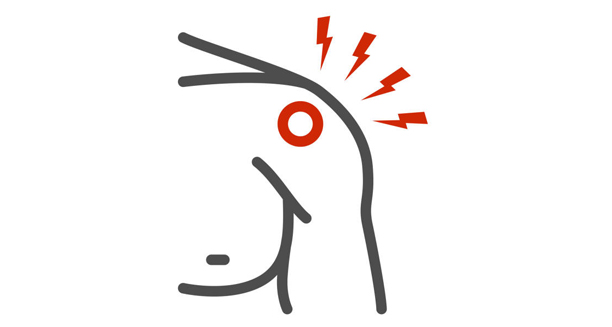
Illustration of a knee with red pain indicators suggesting bursitis

Causes of Bursitis

Causes of Bursitis Causes of bursitis include repetitive joint use, trauma, prolonged pressure, and systemic conditions that promote inflammation. The most common causes of bursitis are overuse injuries, physical strain, infection, and autoimmune diseases like rheumatoid arthritis. Repetitive motion is the leading factor. Activities that involve repeated joint movement — such as throwing, kneeling, lifting, or cycling — can irritate the bursae and lead to inflammation. Occupations like painting, plumbing, or gardening place people at higher risk of developing bursitis. Direct trauma, such as a fall or a blow to a joint, can also cause a bursa to become inflamed. This is more likely in areas where bursae are close to the skin, like the elbow (olecranon bursitis) or knee (prepatellar bursitis). Prolonged pressure is another common cause. Sitting on hard surfaces for long periods may lead to ischial bursitis (in the buttocks), while kneeling for extended time can cause knee bursitis. Wearing poor footwear or standing for long hours may contribute to heel bursitis. Infectious bursitis, although less common, occurs when bacteria enter a bursa through a skin break. This is more likely in people with diabetes, weakened immune systems, or open wounds near a joint. Septic bursitis typically affects the knee or elbow and requires antibiotic treatment. Causes of Bursitis Autoimmune conditions like gout, pseudogout, or rheumatoid arthritis can trigger bursitis due to inflammation caused by urate crystals or immune system attacks. In these cases, multiple bursae may be affected over time. In some cases, no specific cause can be identified. This is known as idiopathic bursitis and is usually managed based on symptoms. Knowing the causes of bursitis helps tailor prevention strategies. These may include avoiding overuse, correcting posture, using protective padding, and treating any underlying joint or systemic diseases promptly. [Next: Symptoms of Bursitis →]

Causes of Bursitis Read More »

Scroll to Top