Mental Matters

Author name: admin

Person clutching pelvic area in pain wearing black athletic wear

Symptoms of a Broken Pelvis

Symptoms of a Broken Pelvis Symptoms of a Broken Pelvis vary depending on the severity of the injury but generally include pain, swelling, and mobility problems. The most common symptoms of a broken pelvis include sharp hip or groin pain, bruising around the lower abdomen or back, difficulty standing or walking, and in severe cases, signs of internal bleeding or nerve damage. Recognising these signs early is critical for urgent care. Pain is usually intense and localised around the hip, lower back, buttocks, or groin. The discomfort often worsens with movement, particularly when trying to stand, walk, or sit upright. Patients may instinctively hold their legs still or resist attempts to move the hips. Bruising and swelling develop rapidly around the pelvis, lower abdomen, or thighs. In some cases, this bruising may extend to the scrotum, labia, or upper thighs, particularly in fractures involving blood vessel damage or pelvic instability. Difficulty walking or bearing weight is one of the earliest and most alarming signs. Patients may be unable to stand without help, and even minor movements of the legs can be excruciating. Some may experience a sensation of “instability” in the pelvis when attempting to shift position. Symptoms of a Broken Pelvis In more severe cases, symptoms extend beyond pain. Numbness, tingling, or weakness in the legs may indicate nerve compression or damage. Internal bleeding may lead to signs of shock — including rapid heartbeat, dizziness, cold sweats, pale skin, or confusion. Bleeding from the urethra, rectum, or vagina can occur if the fracture damages pelvic organs. This is a medical emergency and often requires immediate surgical intervention. People with symptoms of a broken pelvis following trauma should never attempt to walk or move unaided. Emergency medical help should be called immediately, and spinal precautions should be taken until imaging confirms stability. Identifying symptoms early increases the chance of proper alignment, prevents further injury, and improves long-term outcomes — especially in elderly patients and those with unstable fractures. [Next: Diagnosis of a Broken Pelvis →]

Symptoms of a Broken Pelvis Read More »

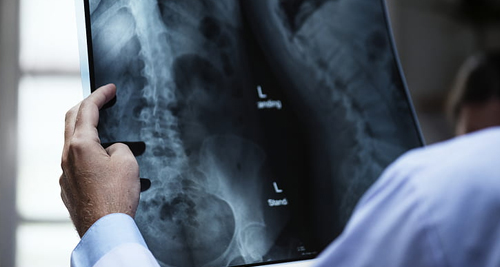
Doctor examining X-ray scan showing pelvic bones

Diagnosis of a Broken Pelvis

Diagnosis of a Broken Pelvis Diagnosis of a Broken Pelvis is made through a combination of physical examination, imaging studies, and assessment of possible complications. A correct and timely diagnosis of a broken pelvis is crucial to prevent permanent damage. Identify internal bleeding, and determine whether surgery is required. The diagnostic process begins with a clinical assessment. Doctors will ask about the injury, the mechanism of trauma (e.g. fall, vehicle accident), and the patient’s symptoms. The physical exam includes checking for pelvic instability, swelling, bruising, leg length discrepancies, and tenderness along the pelvic ring. If the patient is in shock or unable to move, spinal precautions are maintained. Additionally, imaging is done while the patient remains stabilised. This is particularly important in suspected unstable fractures or when multiple injuries are involved. X-rays are the initial diagnostic tool. Anteroposterior (AP) views of the pelvis can detect most types of fractures. However, subtle or complex injuries may not be visible on standard X-rays alone. CT scans are often used to confirm the diagnosis and give a detailed view of the fracture pattern. They can identify displaced fractures, joint involvement, or bone fragments. CT scans also help in pre-surgical planning, especially in unstable or multi-fragment injuries. Diagnosis of a Broken Pelvis Ultrasound or FAST scans may be done in trauma cases to check for internal bleeding in the abdomen or pelvic cavity. MRI may be used to assess soft tissue damage, ligaments, or spinal involvement if neurological symptoms are present. In some cases, urethral or bladder imaging (retrograde urethrogram or cystogram) may be required if blood is found in the urine or there is difficulty urinating. In elderly patients with low-impact trauma, careful evaluation is necessary, as small fractures can easily be missed or mistaken for soft tissue pain. A thorough diagnosis of a broken pelvis guides all further treatment decisions and ensures that life-threatening complications such as internal bleeding or organ injury are managed without delay. [Next: Treatment of a Broken Pelvis →]

Diagnosis of a Broken Pelvis Read More »

Assorted medication tablets and capsules used in pain management

Treatment of a Broken Pelvis

Treatment of a Broken Pelvis Treatment of a Broken Pelvis depends on whether the fracture is stable or unstable, and whether internal organs or blood vessels are involved. The primary goal of treatment of a broken pelvis is to stabilise the bones, control pain, manage any complications, and restore mobility through rehabilitation. Stable fractures with minimal displacement are usually treated conservatively. Patients are advised to rest, take pain-relief medication, and limit weight-bearing activities. Bed rest is often necessary for several days, followed by a gradual return to walking with the help of a walker or crutches. Unstable fractures — where the pelvic ring is disrupted or multiple fractures are present — require hospitalisation. These injuries are often associated with significant internal bleeding and may involve damage to the bladder, urethra, or intestines. In such cases, surgical intervention is often required. Pelvic stabilisation may involve inserting metal plates, screws, or external fixators to realign the bones. If bleeding is present, embolisation (a procedure to stop blood flow to a bleeding vessel) may be done urgently before orthopaedic surgery. Pelvic binders may be applied in emergency settings to stabilise the bones temporarily and limit internal bleeding until further imaging or surgery can take place. Pain management is essential and often includes a combination of paracetamol, NSAIDs, and sometimes opioids for short-term relief. Blood transfusions and antibiotics may also be required in trauma cases. Treatment of a Broken Pelvis Rehabilitation begins once the bones start healing. Physiotherapists guide patients through mobility exercises, posture correction, and strength-building routines. The recovery timeline depends on the fracture type but typically ranges from 8 to 12 weeks or more. Patients with osteoporosis may be prescribed bone-strengthening medication and receive guidance on fall prevention. Lifestyle changes, including calcium-rich diets and vitamin D supplementation, support long-term recovery. Proper treatment of a broken pelvis also involves psychological support. Many patients, especially after traumatic injury, experience fear, anxiety, or depression, which can hinder recovery if not addressed. [Next: Complications and Recovery from a Broken Pelvis →]

Treatment of a Broken Pelvis Read More »

Man pressing on his pelvic area, indicating discomfort or injury

Complications and Recovery from a Broken Pelvis

Complications and Recovery from a Broken Pelvis Complications and Recovery from a Broken Pelvis depend on the severity of the injury, the treatment received, and the patient’s age and health status. The most common complications and recovery from a broken pelvis concerns include chronic pain, pelvic instability, blood clots, nerve damage, and organ dysfunction. Despite these risks, most patients recover well with the right care and support. One major complication is internal bleeding. The pelvis houses large blood vessels, and unstable fractures can cause significant haemorrhage, leading to shock and potentially death if not treated promptly. Early stabilisation and monitoring are critical in trauma cases. Nerve damage is another concern. If the sciatic or femoral nerves are injured, patients may experience numbness, tingling, or weakness in the legs. In some cases, nerve function may recover over time, but permanent deficits are possible. Damage to pelvic organs — particularly the bladder, urethra, or rectum — may result in difficulty urinating, incontinence, or sexual dysfunction. These issues may require long-term medical or surgical management. Complications and Recovery from a Broken Pelvis Blood clots (deep vein thrombosis or pulmonary embolism) are a risk due to prolonged immobility. Preventive measures include early movement, blood-thinning medication, and compression devices. Chronic pain can persist even after bone healing, especially in patients with complex fractures or nerve involvement. Ongoing physiotherapy, pain management strategies, and sometimes counselling are needed to manage this effectively. Recovery takes time and effort. Stable fractures may heal in 6 to 8 weeks, while unstable injuries or those requiring surgery often need 3 to 6 months or more. A full return to daily activities, including work and sport, may take longer. Rehabilitation is key. Guided exercises, mobility aids, home adjustments, and lifestyle changes all support a smoother recovery. Psychological support and encouragement also play a vital role, particularly for patients recovering from severe trauma. Long-term outcomes are generally good when treatment is timely and comprehensive. Successful complications and recovery from a broken pelvis depend on regular follow-up, early rehabilitation, and proactive prevention of risks such as falls and fractures. Back to Overview

Complications and Recovery from a Broken Pelvis Read More »

Signs and Impact of a Broken Back

Broken Back

Broken Back – Overview A broken back refers to a fracture in one or more of the vertebrae. The bones that form the spinal column. A broken back can result from trauma such as falls, car accidents, sports injuries, or violent impact. While the severity of spinal fractures varies, they are always serious. Additionally, this may lead to complications including nerve damage, spinal cord injury, or even paralysis if not managed properly. The spine consists of 33 vertebrae, divided into regions: cervical (neck), thoracic (mid-back), lumbar (lower back), sacral, and coccygeal. Thoracic (mid-back), lumbar (lower back), sacrum, and coccyx regions. A fracture can occur in any part of the spinal column and may be stable or unstable. Meaning the spine may no longer be able to support normal movement. Injuries involving the spinal cord require urgent attention. Symptoms typically include severe back pain, limited mobility. Additionally, swelling or bruising along the spine, and sometimes numbness, tingling, or weakness in the arms or legs. In more severe cases, a broken vertebra may press on the spinal cord. Furthermore, leading to loss of bladder or bowel control and neurological deficits. Broken Back Doctors use X-rays, CT scans, and MRI to determine the type and extent of the fracture for an accurate diagnosis. Doctors tailor treatment based on the stability of the break, the degree of vertebral shifting, and whether the spinal cord or nerves are affected. In stable fractures, rest, a back brace, and physical therapy may be sufficient. In unstable or complex cases, surgery is often required to realign and stabilise the spine. Recovery can be long, but many people regain full function with the right care. A broken back is a medical emergency that should never be ignored. Prompt diagnosis and intervention reduce the risk of permanent disability and support the best possible recovery. [Next: Causes of a Broken Back →]

Broken Back Read More »

Man falling off a horse during a rodeo event, illustrating a traumatic back injury risk

Causes of a Broken Back

Causes of a Broken Back Causes of a Broken Back typically involve high-impact trauma or conditions that weaken the bones of the spine. The most common causes of a broken back include motor vehicle accidents, falls from height, sports injuries, osteoporosis, and violent trauma. Understanding the cause helps guide treatment and prevents future risk. Motor vehicle accidents are the leading cause of spinal fractures. Whether as a driver, passenger, cyclist, or pedestrian, a sudden deceleration or impact can apply immense pressure to the spine, particularly in the thoracic and lumbar regions. Seatbelts and airbags reduce but do not eliminate this risk. Falls, especially from significant height or onto a hard surface, are another major contributor. Construction workers, climbers, and the elderly are particularly vulnerable. Even a fall from standing height can cause a broken back in someone with reduced bone density. Contact sports and extreme sports carry a high risk. Rugby, gymnastics, wrestling, and horseback riding can result in back fractures when players land awkwardly or collide forcefully. Spinal hyperextension or compression during play increases the likelihood of vertebral injury. Osteoporosis is a significant underlying cause. This condition weakens bones, making them brittle and more susceptible to compression fractures — especially in the lower spine. A minor bump or lift can cause a break in those with advanced bone loss. Violence and trauma from physical assault or gunshot wounds can fracture the spine. In such cases, spinal cord involvement is more likely, and immediate intervention is crucial. Causes of a Broken Back Cancer that has spread to the spine can also weaken vertebrae, making them more likely to fracture under normal activity. These pathological fractures are more common in older adults with metastatic disease. Certain movements or lifting heavy objects incorrectly can also trigger a broken back in those with existing degeneration or stress fractures. Proper lifting technique and spinal posture are important preventive measures. Identifying the causes of a broken back helps determine appropriate care, reduce future injury, and tailor prevention strategies — especially in at-risk groups. [Next: Symptoms of a Broken Back →]

Causes of a Broken Back Read More »

Man clutching lower back in pain, indicating possible spinal fracture symptoms

Symptoms of a Broken Back

Symptoms of a Broken Back Symptoms of a Broken Back depend on the severity and location of the fracture, as well as whether the spinal cord or nerves are involved. The most consistent symptoms of a broken back include severe back pain, tenderness, limited movement, and in serious cases, numbness, tingling, or paralysis. Early recognition is crucial to prevent long-term complications. The most common symptom is sharp or intense back pain, usually centred around the area of the fracture. The pain is typically localised, worsens with movement, and may radiate outward depending on nerve involvement. In some cases, the pain is immediate and disabling, while in others it builds gradually. Swelling or bruising along the spine may develop after trauma. The area may be tender to the touch, and even light pressure or mild movement can trigger discomfort. In compression fractures, the patient may appear shorter or develop a hunched posture over time. Reduced mobility is a frequent complaint. Patients often find it difficult to stand, walk, or twist without pain. Muscle spasms may occur as the body attempts to protect the injured area, adding to the stiffness. Neurological symptoms appear if the spinal cord or nerve roots are compressed. These may include numbness, tingling, weakness in the limbs, or burning sensations. Loss of coordination, balance issues, or difficulty walking can also occur. Symptoms of a Broken Back In severe cases, bladder or bowel dysfunction signals spinal cord involvement. This includes incontinence or the inability to pass urine or stool — a medical emergency requiring urgent evaluation. In elderly individuals or those with osteoporosis, symptoms of a broken back may present more subtly. A gradual onset of back pain with no clear trauma could still indicate a vertebral compression fracture. People with cancer, especially bone or spine metastases, should be aware of persistent back pain that doesn’t improve with rest — this could signal a pathological fracture. Early identification of symptoms of a broken back ensures appropriate imaging and treatment. Delayed care can lead to deformity, chronic pain, or irreversible neurological damage. [Next: Diagnosis of a Broken Back →]

Symptoms of a Broken Back Read More »

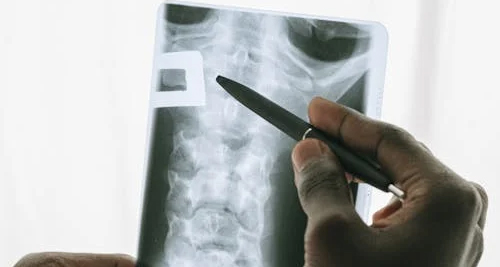
Close-up of a spinal X-ray being examined for vertebral fractures

Diagnosis of a Broken Back

Diagnosis of a Broken Back Diagnosis of a Broken Back involves a combination of clinical assessment, neurological examination, and advanced imaging. Accurate and timely diagnosis of a broken back ensures the right treatment plan is followed and reduces the risk of complications like spinal cord injury or long-term disability. The process begins with a medical history and a detailed account of the trauma. Doctors will ask about the mechanism of injury, pain severity, mobility limitations, and any symptoms of nerve damage such as numbness or weakness. A neurological exam is performed to assess reflexes, muscle strength, sensation, and coordination. During the physical exam, the doctor checks for spinal tenderness, deformity, bruising, and swelling. Movement may be limited, and patients are usually advised to remain still until imaging confirms spinal stability. X-rays are often the first imaging tool used. They help identify obvious fractures or dislocations of the vertebrae. However, X-rays may not detect smaller cracks or spinal cord involvement. CT (computed tomography) scans offer more detailed information and are better at identifying complex fractures, bone fragments, and spinal alignment. They are especially useful when the initial X-ray is inconclusive but clinical suspicion remains high. Diagnosis of a Broken Back MRI (magnetic resonance imaging) is the gold standard for evaluating soft tissue and spinal cord damage. It can reveal swelling, herniated discs, ligament injuries, or bleeding around the spinal cord — all of which may not be visible on X-ray or CT. In emergency settings, patients suspected of having spinal fractures are often immobilised with spinal boards or neck braces until imaging rules out instability. In cases involving osteoporosis or cancer, additional bone scans or blood tests may be required to assess bone health and identify underlying causes. Accurate diagnosis of a broken back is essential before initiating treatment. Misdiagnosis or delay in imaging can result in worsening pain, nerve compression, and long-term damage to spinal function. [Next: Treatment of a Broken Back →]

Diagnosis of a Broken Back Read More »

Healthcare professional applying kinesiology tape to a patient's back during spinal injury rehabilitation

Treatment of a Broken Back

Treatment of a Broken Back Treatment of a Broken Back depends on the type, location, and severity of the fracture, as well as whether the spinal cord or nerves are involved. The primary goal of treatment of a broken back is to stabilise the spine, relieve pain, protect the spinal cord, and promote healing. Some fractures can be treated non-surgically, while others require complex spinal surgery. Stable fractures — where the bone is cracked but still aligned — are usually treated conservatively. Patients are prescribed rest, pain medication, and sometimes fitted with a back brace to immobilise the spine and allow the bone to heal naturally. Activity is limited, but bed rest is discouraged as it may increase the risk of complications such as clots or muscle wasting. Unstable or displaced fractures often need surgical intervention. The procedure depends on the injury but may include spinal fusion (joining two or more vertebrae), internal fixation using rods and screws, or decompression surgery to relieve pressure on the spinal cord. If a fracture compresses nerves or the spinal cord, emergency surgery may be required. Delays in treatment can result in permanent nerve damage, paralysis, or incontinence. In some cases, minimally invasive techniques are used to reduce trauma and speed up recovery. For compression fractures related to osteoporosis, a procedure called vertebroplasty or kyphoplasty may be considered. These involve injecting bone cement into the vertebra to stabilise the fracture and reduce pain. Treatment of a Broken Back Pain management is critical during the healing process. Anti-inflammatory medication, muscle relaxants, and in some cases, nerve pain medications help improve comfort and facilitate mobility. Physiotherapy is introduced gradually to strengthen back muscles, improve flexibility, and restore posture. Rehabilitation is essential to prevent stiffness, build confidence, and reduce the risk of future injury. Lifestyle changes are often recommended to support healing — including improved nutrition, smoking cessation, fall prevention, and osteoporosis treatment. Proper treatment of a broken back requires careful monitoring, especially during the first 6–12 weeks of recovery. Early intervention improves outcomes and reduces the risk of complications. [Next: Complications and Recovery from a Broken Back →]

Treatment of a Broken Back Read More »

Person holding lower back in pain during outdoor activity

Complications and Recovery from a Broken Back

Complications and Recovery from a Broken Back Complications and Recovery from a Broken Back vary widely depending on the nature of the fracture, the success of treatment, and the patient’s overall health. The most common complications and recovery from a broken back concerns include chronic pain, spinal deformity, nerve damage, and reduced mobility. However, with the right care, many people recover fully and return to normal activity. One of the most serious complications is spinal cord injury. Damage to the cord or surrounding nerves can lead to partial or complete paralysis, loss of sensation, bladder or bowel dysfunction, or sexual dysfunction. The extent depends on the level of the spine involved — injuries higher up affect more of the body. Chronic pain may develop even after the fracture heals, especially if there is residual nerve irritation or joint instability. Postural changes and compensatory movement may cause secondary problems in the hips or shoulders. Kyphosis — a hunched spine — can result from untreated compression fractures, particularly in older adults. This affects appearance, balance, and respiratory function and can worsen over time if not corrected. Prolonged immobility after spinal injury increases the risk of pressure sores, blood clots, pneumonia, and muscle loss. Early mobilisation and physical therapy are essential in preventing these outcomes. Complications and Recovery from a Broken Back Recovery timelines vary. Stable fractures may heal in 6 to 12 weeks with proper care. Complex fractures requiring surgery may take several months or more. Return to high-impact activity or work must be gradual and supervised. Rehabilitation plays a central role. Physiotherapy, occupational therapy, and sometimes psychological support are crucial in restoring confidence and function. Pain coping strategies, posture training, and lifestyle adjustments ensure long-term improvement. Preventing complications and supporting recovery from a broken back also involves addressing underlying issues such as osteoporosis, poor nutrition, or cancer. Routine follow-ups help monitor healing and adjust treatment as needed. With early intervention, dedicated care, and a comprehensive recovery plan, most patients with a broken back can avoid long-term disability and resume full, independent lives. Back to Overview

Complications and Recovery from a Broken Back Read More »

Scroll to Top