Mental Matters

Author name: admin

X-ray style illustration of fractured ribs highlighted in red

Broken Rib

Broken Rib – Overview A broken rib refers to a crack or complete fracture in one of the bones of the ribcage. This is often caused by trauma to the chest. A broken rib is painful and potentially dangerous, especially if complications arise involving the lungs, blood vessels, or surrounding tissue. While many rib fractures heal with rest and time. Furthermore, severe cases can result in serious health risks if not identified and managed early. The ribcage consists of 12 pairs of ribs that protect vital organs such as the lungs and heart. Most rib fractures occur in the middle ribs and usually affect one rib, although multiple ribs can break in high-impact trauma. In older adults, even a minor fall can cause a fracture due to weakened bones. Common symptoms include sharp, localised chest pain that worsens with movement, deep breaths, coughing, or sneezing. Many people report difficulty sleeping or finding a comfortable position. Unlike arm or leg fractures, ribs cannot be placed in a cast, so healing depends on pain management and allowing the bone to repair itself naturally. Broken Rib Diagnosis is made through physical examination and confirmed with X-rays or CT scans if more serious injury is suspected. Rib fractures are classified as simple (clean break), displaced (shifted bone), or complicated (damage to nearby organs). Treatment for a broken rib focuses on controlling pain and maintaining lung function. Breathing exercises, rest, pain medication, and avoiding strenuous movement are key. In rare cases, especially with multiple fractured ribs, hospitalisation or surgical stabilisation may be required. Most rib fractures heal within 4 to 6 weeks. Though recovery time may extend in older adults or those with underlying lung conditions. Early diagnosis and proper management help avoid complications such as pneumonia or lung collapse. [Next: Causes of a Broken Rib →]


Broken Rib Read More »

Man holding side of ribcage due to pain caused by trauma or injury

Causes of a Broken Rib

Causes of a Broken Rib Causes of a Broken Rib typically involve direct trauma or intense pressure to the chest, but some cases can arise from overuse or even severe coughing. The most common causes of a broken rib include falls, sports injuries, motor vehicle accidents, and prolonged episodes of forceful coughing or sneezing. Age and bone density play a major role in how easily the ribs can fracture. Falls are a leading cause, especially among older individuals. Tripping on stairs, slipping in the shower, or falling onto a hard surface can create enough force to crack one or more ribs. People with osteoporosis are particularly vulnerable to this kind of injury. Motor vehicle accidents often result in rib fractures, particularly when the chest hits the steering wheel or seatbelt. These fractures may occur alongside other injuries, such as lung contusions or spinal trauma, making early assessment essential. Contact sports such as rugby, hockey, or martial arts frequently cause chest trauma. A tackle, punch, or collision with another player or object can deliver enough impact to break the ribs. Protective gear reduces but does not eliminate this risk. Blunt force trauma from being struck by a heavy object or caught in machinery can also result in multiple rib fractures. These situations often require emergency intervention due to the risk of internal bleeding or lung puncture. Causes of a Broken Rib Surprisingly, even non-traumatic causes can lead to rib fractures. Severe, repetitive coughing — particularly in people with chronic respiratory conditions — puts strain on the ribcage. In rare cases, this alone can cause a stress fracture, especially in the elderly or those with weakened bones. People with cancer that has spread to the bones or those on long-term corticosteroids are also at increased risk. Even minor pressure can cause a broken rib in these patients. Understanding the causes of a broken rib helps inform prevention strategies, including strengthening bone health, using proper protective gear, improving home safety, and treating chronic coughs early. [Next: Symptoms of a Broken Rib →]

Causes of a Broken Rib Read More »

Person clutching their side in pain, possibly due to a broken rib

Symptoms of a Broken Rib

Symptoms of a Broken Rib Symptoms of a Broken Rib usually present soon after injury and can range from mild discomfort to severe pain with each breath. The most typical symptoms of a broken rib include localised chest pain, tenderness to touch, difficulty breathing deeply, and pain that worsens with movement, coughing, or laughing. Recognising these symptoms early ensures better outcomes and reduces the risk of complications. Pain is the hallmark symptom. It is usually sharp and occurs at the site of the break. The pain intensifies during actions that expand the chest — breathing in, sneezing, coughing, stretching, or rolling over in bed. Some people describe a “stabbing” or “piercing” sensation. Tenderness to touch is common. Applying light pressure to the affected area often reproduces the pain. In cases involving multiple fractures, a larger section of the chest may feel bruised and painful. Swelling and bruising may develop over the injured area. Although not always present, discolouration often appears within 24 to 48 hours after trauma. Symptoms of a Broken Rib A cracking or popping sound may be felt or heard at the moment of injury. Some people experience a sensation of grinding (crepitus) when the broken bone edges move. Difficulty breathing is another key sign. Shallow breaths are common, as deep breathing intensifies the pain. This can lead to reduced lung expansion and increase the risk of pneumonia. Coughing and sneezing trigger sharp, localised pain in most patients. As a result, people may avoid coughing — which can cause mucus build-up in the lungs and further increase the risk of infection. If the fracture is severe or if the rib is displaced, additional symptoms may include shortness of breath, light-headedness, or signs of internal injury (such as blood in the sputum). These require emergency medical evaluation. In elderly patients, symptoms of a broken rib may be more subtle but still dangerous due to the increased risk of lung complications. Any chest pain after trauma in this age group warrants urgent assessment. [Next: Diagnosis of a Broken Rib →]

Symptoms of a Broken Rib Read More »

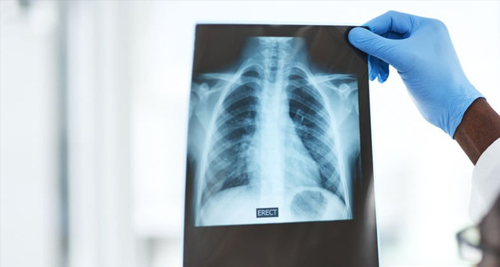
Doctor holding up chest X-ray to diagnose rib fracture

Diagnosis of a Broken Rib

Diagnosis of a Broken Rib Diagnosis of a Broken Rib involves a thorough clinical evaluation. Supported by imaging to confirm the presence, type, and severity of the fracture. A timely and accurate diagnosis of a broken rib helps guide treatment, reduce pain. Additionally, prevent complications such as lung damage or infection. A doctor begins by taking a full medical history. Furthermore, asking about the injury, symptoms, and any previous rib or lung issues. The physical examination focuses on the chest area — checking for tenderness, swelling, bruising, deformity, and breathing patterns. Palpation of the ribs (pressing gently along the ribcage) helps localise the break. The doctor may also listen to lung sounds using a stethoscope to ensure proper airflow and rule out fluid accumulation or pneumothorax (collapsed lung). Standard X-rays are commonly used to confirm rib fractures. However, small cracks may not always appear clearly on X-rays. In cases of persistent pain with a negative X-ray. A CT scan is often more accurate and can identify hidden fractures and associated injuries. A chest X-ray may also reveal complications such as a collapsed lung, haemothorax (blood in the chest cavity), or fluid build-up. In patients with breathing difficulty or signs of internal injury, imaging of the abdomen and lungs may be included. Diagnosis of a Broken Rib Ultrasound may be used in specific settings to evaluate rib fractures and pleural effusions (fluid around the lungs). Particularly in emergency or rural environments where CT scans are not available. For stress fractures caused by coughing or overuse, imaging may be delayed if symptoms are mild. However, persistent pain usually warrants further investigation. In older patients or those with bone disease, bone density scans may also be recommended to assess fracture risk and guide future preventative strategies. A proper diagnosis of a broken rib ensures the patient receives the right care plan — whether conservative pain control or more intensive treatment for serious complications. [Next: Treatment of a Broken Rib →]

Diagnosis of a Broken Rib Read More »

Physiotherapist applying kinesiology tape on a woman’s back for broken rib treatment

Treatment of a Broken Rib

Treatment of a Broken Rib Treatment of a Broken Rib focuses on pain control, lung protection, and gradual return to normal activity. Most cases of a broken rib heal without surgery, provided that the fracture is not displaced and there are no complications. Recovery requires a balance between rest and breathing exercises to avoid lung infections. Pain management is the cornerstone of treatment. Over-the-counter pain relievers such as paracetamol or ibuprofen help reduce inflammation and discomfort. In more severe cases, doctors may prescribe stronger medications or nerve-block injections. Cold packs applied to the chest for 15–20 minutes at a time during the first 48 hours help reduce swelling and bruising. Keeping the upper body elevated — especially during sleep — eases breathing and discomfort. Breathing exercises are crucial. Although deep breaths can be painful, shallow breathing increases the risk of pneumonia. Patients are advised to perform controlled breathing and gentle coughing exercises several times a day. An incentive spirometer (a handheld breathing device) may be recommended in hospital settings. Unlike in the past, rib belts or tight bandages are no longer recommended. These can restrict breathing and increase the risk of lung complications. Rest is important, but complete inactivity should be avoided. Gentle movement and short walks promote circulation and reduce the chance of blood clots. Activities that strain the chest, like lifting or pushing heavy objects, should be avoided for several weeks. Treatment of a Broken Rib Hospital admission may be needed in cases involving multiple fractured ribs, lung puncture, or serious underlying health conditions. These patients are closely monitored for respiratory distress and may require supplemental oxygen or surgical stabilisation of the ribs. Surgical treatment is rare but considered in cases of flail chest (when multiple ribs are broken in several places), persistent pain, or deformity. Titanium plates or screws may be used to stabilise the ribs and speed up recovery. Proper treatment of a broken rib includes monitoring for signs of complications, staying active with care, and following up if symptoms worsen. [Next: Complications and Recovery from a Broken Rib →]

Treatment of a Broken Rib Read More »

Woman wearing a rib brace to support recovery from a fractured rib outdoors

Complications and Recovery from a Broken Rib

Complications and Recovery from a Broken Rib Complications and Recovery from a Broken Rib depend on the severity of the fracture, the number of ribs involved, and how well the patient follows aftercare instructions. The most common complications and recovery from a broken rib issues include pneumonia, collapsed lung, chronic pain, and reduced lung capacity. However, most cases resolve without serious consequences when treated early and correctly. Pneumonia is a leading complication. Because deep breathing and coughing are painful, many patients breathe shallowly or suppress their cough, allowing mucus to build up in the lungs. This creates a breeding ground for infection. Preventive breathing exercises and early mobilisation are vital in avoiding this complication. Pneumothorax (collapsed lung) or haemothorax (internal bleeding) may occur if a broken rib punctures lung tissue or blood vessels. Symptoms include shortness of breath, rapid heartbeat, and chest pain that doesn’t improve. These conditions require emergency treatment, often involving chest tube insertion or surgery. Flail chest, a rare but severe condition, occurs when three or more ribs are broken in multiple places. The affected chest area moves paradoxically during breathing and severely compromises lung function. Surgical stabilisation is usually required. Chronic pain is another concern. Even after the bone has healed, nerve damage or scar tissue may cause lingering discomfort. Some patients develop costochondritis — inflammation of the cartilage where ribs attach to the sternum — which mimics rib pain. Complications and Recovery from a Broken Rib Recovery from a broken rib generally takes 4 to 6 weeks, though full return to strenuous activity may take longer. Elderly patients or those with other health conditions may experience slower healing. Regular movement, good nutrition, and smoking cessation all support the healing process. Follow-up care includes monitoring for complications, continuing breathing exercises, and slowly increasing activity. Support from physiotherapists and general practitioners may be helpful for pain management and mobility concerns. A smooth complications and recovery from a broken rib process depends on proper pain control, lung protection, and gradual rehabilitation. With the right care, most patients make a full recovery without long-term issues. Back to Overview

Complications and Recovery from a Broken Rib Read More »

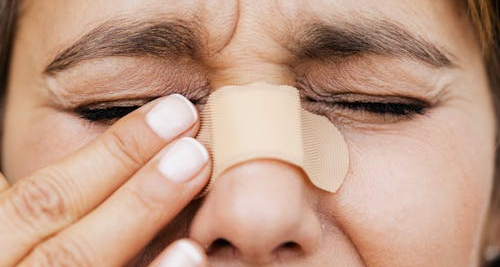
Woman touching nose with plaster bandage – broken nose pain

Broken Nose

Broken Nose – Overview A broken nose is a fracture or crack in the bone or cartilage of the nose. This is usually caused by direct trauma to the face. As one of the most common facial fractures. This is often resulting from sports injuries, accidents, physical altercations, or falls. While some nasal fractures are minor. Additionally, others can lead to breathing problems, long-term deformity, and chronic sinus issues if left untreated. The nose consists of both bone and cartilage. The upper third is made of bone, while the lower two-thirds are cartilage. Fractures usually occur in the bony part of the nose but may also involve the nasal septum — the thin wall separating the nostrils. When the septum is displaced, it can block airflow and affect breathing permanently. Typical symptoms include pain, swelling, tenderness, bruising under the eyes, and bleeding from the nostrils. In more serious cases, the nose may appear crooked, flattened, or deviated. Patients may also hear or feel a crunching sound when touching the nose, indicating broken bone fragments beneath the skin. Broken Nose Diagnosis often involves a physical examination and medical history. If the injury is part of a more serious trauma (e.g. head injury or facial fracture), a CT scan may be required to assess the extent of damage. Early evaluation is important to avoid complications and to allow for realignment before swelling worsens. Treatment for a broken nose ranges from conservative care (like ice, rest, and pain medication) to manual repositioning (closed reduction) or surgery in cases of severe deformity. A nasal fracture should ideally be addressed within 10–14 days before the bone begins to heal improperly. With prompt and appropriate care, most broken noses heal without complications. However, ignoring the injury or attempting to “fix it” at home can result in lasting cosmetic and functional issues. [Next: Causes of a Broken Nose →]

Broken Nose Read More »

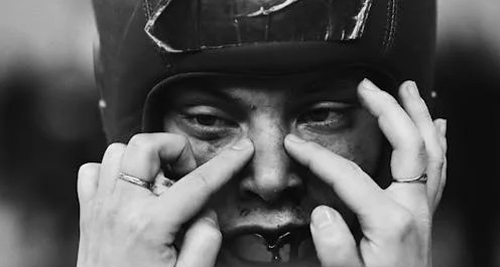
Boxer pressing bruised nose after injury – causes of a broken nose

Causes of a Broken Nose

Causes of a Broken Nose Causes of a Broken Nose usually involve blunt force trauma to the face, often during sport, physical confrontations, or accidental impact. The most common causes of a broken nose include contact sports, falls, road accidents, assaults, and workplace injuries. Because the nose protrudes from the face, it is particularly vulnerable to fractures during any sudden or forceful impact. Contact sports are a leading cause. Rugby, football, boxing, hockey, and martial arts put athletes at frequent risk of facial injury. A stray elbow, fist, or ball can easily break the nasal bone or cartilage, especially if protective gear isn’t worn. Falls — particularly in elderly individuals or children — are another common source. Falling face-first onto a hard surface, such as tiles or pavement, often results in a broken nose, especially if the hands fail to break the fall. Assaults and physical altercations frequently involve blows to the face, resulting in nasal fractures. A punch, headbutt, or impact from an object can damage not only the nasal bones but also surrounding structures, such as the eye sockets or cheekbones. Motor vehicle accidents can also cause significant nasal trauma. In head-on collisions, the face may strike the steering wheel, dashboard, or airbag with enough force to fracture the nose. Cyclists and pedestrians are especially vulnerable in traffic incidents. Causes of a Broken Nose Injuries at work, especially in construction, warehouse, or mechanical environments, can result from falling tools or equipment, slips, or accidental impact with machinery. Poor lighting and lack of personal protective equipment increase these risks. Children may suffer broken noses during playground incidents, rough play, or falls at home. Since their facial bones are still developing, they are more prone to cartilage damage and swelling, making diagnosis challenging. Understanding the causes of a broken nose is important not only for treatment but also for prevention. Wearing protective gear during sports, using seatbelts, improving home and workplace safety, and reducing fall risks are simple ways to prevent nasal fractures. [Next: Symptoms of a Broken Nose →]

Causes of a Broken Nose Read More »

Woman with a bruised nose and nosebleed, showing symptoms of a broken nose

Symptoms of a Broken Nose

Symptoms of a Broken Nose Symptoms of a Broken Nose are usually obvious and develop shortly after injury. The most common symptoms of a broken nose include pain, swelling, bruising, bleeding, and a change in the appearance of the nose. Prompt recognition of these symptoms helps ensure early treatment and prevents long-term complications. Pain is often sharp and localised to the bridge of the nose. It worsens with touch, breathing through the nose, or facial movements like laughing or sneezing. Some patients experience headaches or pain radiating to the eyes or forehead. Swelling develops quickly and may obscure deformities for the first 24–48 hours. The area around the nose becomes tender and puffy, sometimes extending to the cheeks or under the eyes. This swelling can make it difficult to assess the full extent of the fracture initially. Bruising appears around the eyes, giving a “black eye” appearance. This occurs due to the leakage of blood from broken vessels beneath the skin. Bruising may also develop across the nose and upper lip. Nasal bleeding is common, especially immediately after injury. While light bleeding usually stops on its own, profuse or ongoing nosebleeds require medical attention. Bleeding can also signal more severe damage inside the nasal cavity. Symptoms of a Broken Nose Deformity is a key symptom. The nose may look crooked, flattened, or visibly shifted to one side. Some people report that their glasses no longer sit correctly on their nose. A deviated septum — when the thin wall between nostrils moves off-centre — can cause visible asymmetry and breathing problems. Other symptoms include difficulty breathing through the nose, a blocked sensation in one or both nostrils, or a crunching or grating sound (crepitus) when touching the nose — a classic sign of fractured bone or cartilage. In children, the symptoms may be more subtle. They may complain of pain, refuse to let anyone touch their face, or have unexplained swelling or bruising. If symptoms of a broken nose are suspected, it’s best to seek evaluation within 48–72 hours. Early treatment offers the best chance of realignment before swelling interferes or healing begins in a crooked position. [Next: Diagnosis of a Broken Nose →]

Symptoms of a Broken Nose Read More »

octors examining an X-ray image for nasal injury diagnosis

Diagnosis of a Broken Nose

Diagnosis of a Broken Nose Diagnosis of a Broken Nose is based on a physical exam, history of the injury, and, in some cases, imaging studies. Timely and accurate diagnosis of a broken nose ensures effective treatment and prevents long-term problems with appearance or breathing. The process begins with a detailed history. The healthcare provider will ask how the injury occurred, whether there was any bleeding, loss of consciousness, or other associated symptoms such as double vision or headaches. These questions help rule out other facial fractures or brain injuries. During the physical examination, the doctor will inspect the nose for swelling, bruising, bleeding, deviation, and lacerations. They’ll gently palpate the nasal bones to assess for tenderness, instability, or crepitus — a crackling sound that indicates bone fragments. Nasal airflow may also be checked by closing one nostril at a time and observing breathing ability. If the septum appears crooked or there’s suspicion of a deviated septum, the doctor may use a nasal speculum and light to inspect the inside of the nose. A haematoma (blood collection) on the septum can block airflow and must be drained immediately to prevent cartilage collapse. Diagnosis of a Broken Nose X-rays are not always necessary for nasal fractures, as physical signs are often sufficient. However, if the injury is part of a more serious accident or if other facial bones may be involved, a CT scan may be ordered. CT scans are especially useful for identifying fractures in the sinus area or orbital bones. In children, diagnosis may be complicated by swelling or lack of clear communication. Doctors may delay imaging until swelling subsides or refer to a paediatric ENT specialist. An accurate diagnosis of a broken nose is critical before any realignment is attempted. Early detection of associated injuries — like septal haematomas or orbital fractures — ensures that all complications are addressed promptly. [Next: Treatment of a Broken Nose →]

Diagnosis of a Broken Nose Read More »

Scroll to Top