Mental Matters

Author name: admin

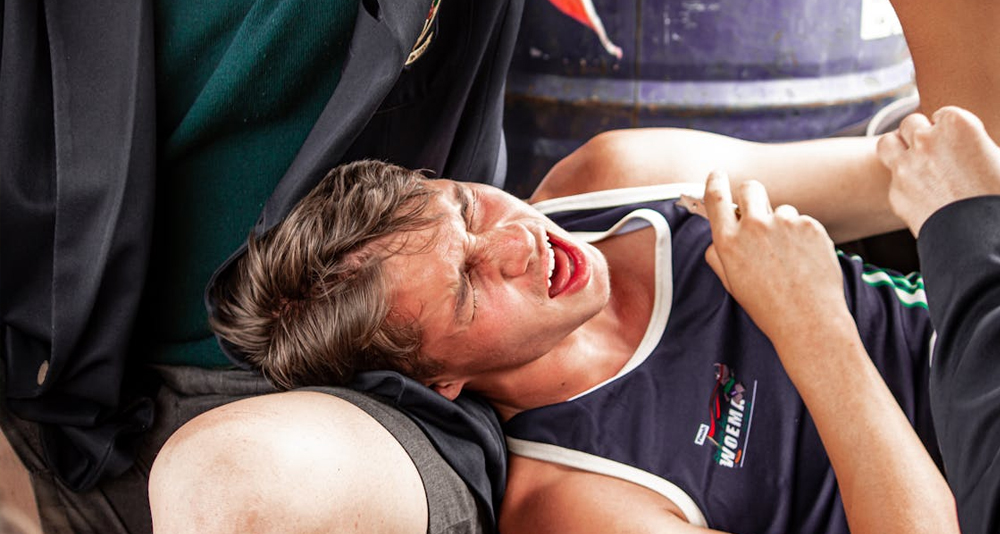
Injured young man receiving assistance after facial trauma

Treatment of a Broken Nose

Treatment of a Broken Nose Treatment of a Broken Nose depends on the severity of the fracture, whether the nose is displaced. Additionally, whether breathing is affected. The main goal of treatment of a broken nose is to restore nasal function. Furthermore, realign the structure and reduce the risk of long-term cosmetic or functional problems. Minor nasal fractures that don’t cause displacement or breathing difficulty can often be treated conservatively. This includes rest, ice packs applied to reduce swelling. Additionally, elevation of the head while sleeping, and over-the-counter pain medication such as paracetamol or ibuprofen. Nasal sprays may help with congestion caused by swelling. For displaced fractures — where the nose appears crooked, sunken, or misaligned — a closed reduction may be necessary. This is a non-surgical procedure where the doctor manually realigns the bones and cartilage. Ideally, this should be done within 10 to 14 days after the injury. Before the bone begins to heal in the wrong position. In cases where the septum is deviated or there is persistent obstruction, septoplasty or surgical repair may be required. Surgery may also be necessary if the nose is severely misshapen, or if previous attempts at manual reduction fail. These procedures are typically done under general anaesthesia by an ENT specialist or plastic surgeon. Treatment of a Broken Nose Open fractures, where bone protrudes through the skin or is accompanied by deep cuts, require immediate medical and surgical care. Antibiotics are often prescribed to prevent infection. Children with nasal fractures are usually treated more conservatively, but they may still require intervention if the nose becomes deformed or breathing is impaired. After any realignment or surgery, a nasal splint may be used to support the structure during healing. Patients are advised to avoid contact sports, nose-blowing, and wearing glasses for several weeks. Proper treatment of a broken nose ensures that the nose heals straight, breathing remains clear, and complications like chronic sinus issues, sleep apnoea, or cosmetic concerns are avoided. [Next: Complications and Recovery from a Broken Nose →]

Treatment of a Broken Nose Read More »

Woman holding her nose with a bandage across the bridge

Complications and Recovery from a Broken Nose

Complications and Recovery from a Broken Nose Complications and Recovery from a Broken Nose can vary depending on the severity of the fracture and the timeliness of treatment. The most common complications and recovery from a broken nose issues include nasal deformity, breathing difficulties, persistent nosebleeds, and chronic sinus problems. With proper care, most patients heal well — but delayed or inadequate treatment increases the risk of lasting issues. One of the most frequent complications is cosmetic deformity. If the bones heal in a misaligned position, the nose may appear crooked or asymmetrical. In some cases, this can only be corrected with surgery. A flattened nasal bridge or a bump that wasn’t there before may also develop. Breathing issues can result from a deviated septum or internal scarring. Patients may notice difficulty breathing through one or both nostrils, especially during exercise or sleep. This can contribute to snoring, sleep apnoea, or reduced physical performance. Septoplasty can often correct this if done in time. Persistent nosebleeds may occur due to damaged blood vessels inside the nose. Dryness, scabs, or ongoing inflammation may also cause discomfort, making nasal hygiene and hydration important during recovery. Septal haematomas are collections of blood within the nasal septum. If not treated promptly, they can damage cartilage and cause the nose to collapse — a condition known as saddle nose deformity. This is preventable with early drainage. Complications and Recovery from a Broken Nose Infections, while rare, can occur if cuts are present or bones are exposed. Signs include fever, redness, increasing pain, and pus discharge. These require antibiotics and sometimes surgical drainage. Most people recover from a broken nose within 1 to 2 weeks, though swelling may persist for longer. Full assessment of the final appearance may take up to 6 weeks. Avoiding further trauma, managing congestion, and following doctor instructions help ensure a smooth recovery. Early medical evaluation, proper alignment, and monitoring for complications are essential for managing complications and recovery from a broken nose successfully and preventing the need for future corrective surgery. Back to Overview

Complications and Recovery from a Broken Nose Read More »

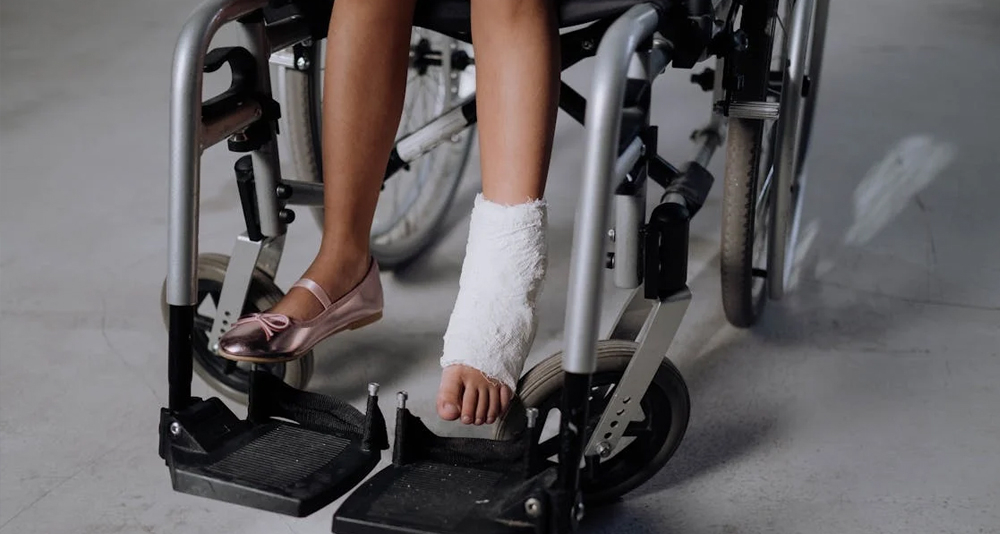
Child in wheelchair with leg cast

Broken Leg

Broken Leg – Overview A broken leg refers to a fracture in one or more of the bones that make up the leg — the femur, tibia, or fibula. A broken leg is a serious and often painful injury that typically results from high-impact trauma. Such as car accidents, falls from height, or direct blows during sports. It requires prompt medical evaluation and often weeks or months of recovery and rehabilitation. The femur is the strongest bone in the body and usually only breaks under extreme force. Tibia and fibula fractures, particularly in the lower leg, are more common and may result from twisting injuries or sudden impact. Breaks can be simple and clean, or complex and displaced. In some cases, the bone may pierce the skin. This is known as a compound or open fracture and carries a higher risk of infection and complications. Symptoms typically include severe pain, visible swelling, bruising, inability to walk or bear weight. Additionally, deformity or misalignment of the leg. Diagnosis involves a physical exam followed by imaging — most commonly an X-ray. For more complex injuries, a CT or MRI may be required. Broken Leg Treatment depends on the type and severity of the fracture. Minor fractures may be treated with immobilisation in a cast or brace, while complex or unstable fractures often require surgical intervention. Surgical treatment may involve inserting rods, screws, or plates to stabilise the bones during healing. Recovery from a broken leg varies. While minor fractures may heal in six to eight weeks, more serious breaks can take several months. Physical therapy is crucial to restore strength, mobility, and coordination, especially after long periods of immobilisation. [Next: Causes of a Broken Leg →]

Broken Leg Read More »

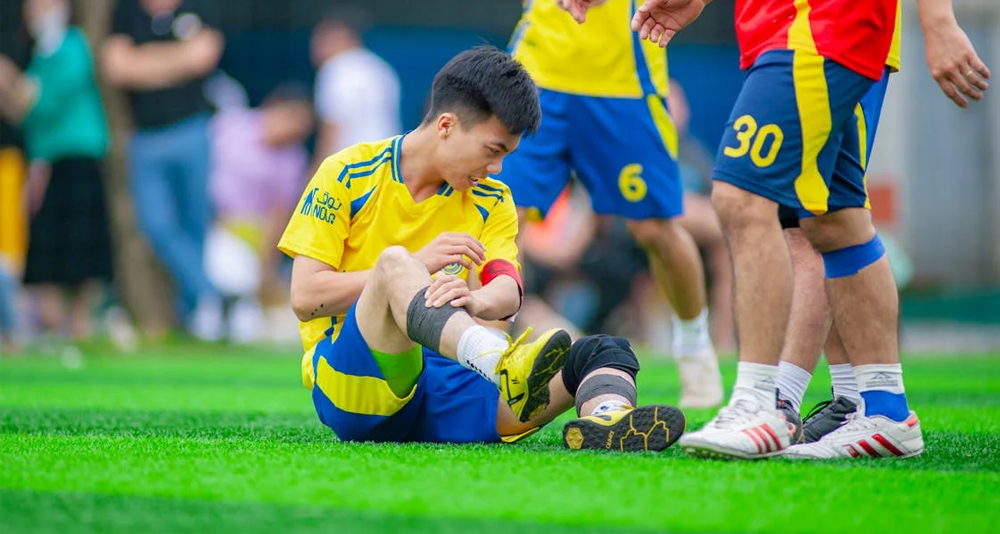
Injured football player sitting on field holding his leg

Causes of a Broken Leg

Causes of a Broken Leg Causes of a Broken Leg typically involve high-force trauma, repetitive strain, or impact that exceeds the bone’s ability to withstand stress. The most common causes of a broken leg include vehicle accidents, sports injuries, falls, and direct blows to the leg. The type of force and the patient’s bone health influence the location and severity of the fracture. Car and motorcycle accidents are among the leading causes, especially for femur fractures. In a collision, the leg may be compressed, twisted, or struck directly, resulting in serious breaks that often require surgical repair. Pedestrians and cyclists are also at high risk of sustaining leg fractures in road incidents. Sports injuries are another frequent cause. Footballers, rugby players, skaters, and runners often sustain lower leg fractures from sudden stops, twists, or tackles. A misstep or awkward landing can cause a tibial or fibular break, particularly in contact sports or when adequate protective gear isn’t used. Falls — whether from stairs, ladders, or while hiking — are a common source of fractures, especially among older adults or people with balance issues. The leg may twist unnaturally or absorb the full impact of the fall, leading to one or more fractures. Causes of a Broken Leg Workplace accidents, particularly in construction or factory environments, are also notable contributors. A heavy object falling on the leg or getting caught in machinery can easily break the bones. These injuries may be more complex and involve soft tissue damage or open wounds. Stress fractures are less dramatic but still serious. They occur from repeated impact or overuse, especially in athletes or soldiers. These small cracks in the bone may initially be painless but can worsen over time and develop into full fractures. Underlying health conditions like osteoporosis significantly raise the risk. People with low bone density can suffer a broken leg from what would otherwise be a minor impact. In such cases, fracture prevention is just as important as treatment. Understanding the causes of a broken leg can help individuals take appropriate precautions — whether through better footwear, using safety gear, or building muscle strength to support bone integrity. [Next: Symptoms of a Broken Leg →]

Causes of a Broken Leg Read More »

Man holding his lower leg in pain on a grassy field

Symptoms of a Broken Leg

Symptoms of a Broken Leg Symptoms of a Broken Leg often appear immediately after injury and are usually severe enough to limit mobility. The most recognisable symptoms of a broken leg include intense pain, swelling, bruising, inability to walk, and, in more serious cases, visible deformity. Quick identification of these symptoms is essential for urgent treatment and a smoother recovery. Pain is usually sharp and localised at the fracture site. It worsens with movement, pressure, or attempts to bear weight. In some cases, the pain is so severe that the person cannot move or stand. In stress fractures, however, the pain may start as mild discomfort and gradually worsen with activity. Swelling is another early symptom. It develops rapidly and may extend above or below the fracture site. The leg may also feel warm or tight, and clothing or footwear may suddenly feel restrictive. Bruising commonly occurs in the hours following the injury. Discolouration may appear over the break and spread to nearby tissues. If blood vessels are damaged, the bruising may be extensive and accompanied by visible pooling under the skin. Deformity is a clear indicator of a displaced or severe fracture. The leg may appear misshapen, bent at an odd angle, or twisted unnaturally. An open fracture may expose bone through the skin, requiring emergency surgery. Symptoms of a Broken Leg Inability to walk or stand is typical. Most people instinctively avoid using the injured leg. Even minimal weight-bearing may cause intense pain and worsening of the injury. If the fracture involves the joint, movement is usually restricted or impossible. Numbness, tingling, or a cold feeling in the foot or toes may indicate nerve or blood vessel damage. These symptoms must be assessed immediately to prevent long-term damage or loss of limb function. In children or elderly patients, signs may be less obvious. Irritability, refusal to walk, or unexplained swelling should always prompt a medical evaluation. Recognising the symptoms of a broken leg early improves the chances of effective treatment. Delayed diagnosis can lead to longer healing times, poor alignment, or even permanent mobility issues. [Next: Diagnosis of a Broken Leg →]

Symptoms of a Broken Leg Read More »

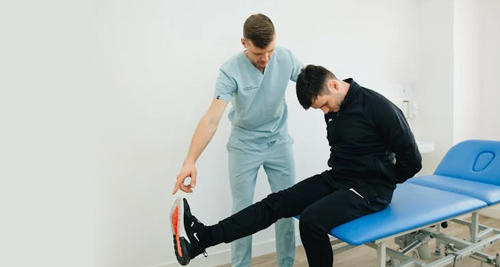
Physiotherapist assessing a patient's leg movement during examination

Diagnosis of a Broken Leg

Diagnosis of a Broken Leg Diagnosis of a Broken Leg is based on physical examination and confirmed through imaging. Accurate diagnosis of a broken leg helps determine the fracture type, severity, and the best course of treatment. Early diagnosis is key to avoiding complications like nerve damage, malunion, or delayed healing. A doctor will begin with a clinical exam, asking how the injury happened and evaluating the leg for swelling, bruising, deformity, and tenderness. The patient may be asked to move the leg or foot slightly, though unnecessary movement is avoided to prevent worsening the injury. Palpation (gentle pressing) helps locate the precise point of pain and assess bone stability. Doctors also check the colour, temperature, and pulse of the foot to ensure adequate blood flow and no vascular compromise. X-rays are the primary diagnostic tool. They reveal whether the bone is cracked, fully broken, displaced, or shattered. X-rays are taken from multiple angles and sometimes include the knee and ankle to check for associated injuries. Diagnosis of a Broken Leg CT scans may be ordered for more complex injuries, particularly if surgery is planned or if the fracture involves the joint surface. CT imaging provides a three-dimensional view that helps surgeons prepare for internal fixation. MRI is used less often but may be helpful in identifying stress fractures, ligament injuries, or soft tissue damage that doesn’t show up on X-ray. This is especially useful in athletes or those with recurring leg pain without a clear break on imaging. In children, growth plates complicate the picture. What appears as a fracture on X-ray may actually be normal growth. Paediatric orthopaedic input is often necessary to ensure proper interpretation and treatment. A correct diagnosis of a broken leg ensures timely treatment and better recovery. Misdiagnosed or missed fractures can lead to poor bone healing, deformity, or the need for corrective surgery later. [Next: Treatment of a Broken Leg →]

Diagnosis of a Broken Leg Read More »

Treatment of a Broken Leg

Treatment of a Broken Leg

Treatment of a Broken Leg Treatment of a Broken Leg depends on the type of fracture, location, severity, and the patient’s overall health and lifestyle. The goal of treatment of a broken leg is to align and stabilise the bone to promote healing, prevent complications, and restore full mobility. For minor fractures where the bones remain in place, treatment may involve a cast or brace to immobilise the leg while it heals. This is common with hairline fractures or non-displaced breaks in the tibia or fibula. Crutches are often provided to reduce weight-bearing during recovery. More severe or displaced fractures require a closed reduction — a non-surgical procedure where the doctor manually realigns the bone under local or general anaesthesia. After alignment, the leg is immobilised with a cast, and follow-up X-rays are taken to ensure proper healing. In complex cases, surgery is necessary. Open reduction and internal fixation (ORIF) involves inserting metal plates, screws, or rods to hold the bone in place. Femur fractures almost always require surgical repair due to the size and load-bearing function of the bone. Compound fractures — where the bone breaks through the skin — are medical emergencies. They require immediate cleaning, antibiotics, and surgical fixation to prevent infection and further damage. Treatment of a Broken Leg Stress fractures usually respond well to rest, ice, and limited activity. In some cases, walking boots or braces are used to offload pressure from the affected bone. Children heal faster and often require shorter immobilisation periods. However, careful monitoring is important to avoid growth disturbances. Elderly patients may take longer to heal and are at higher risk for complications such as blood clots or pneumonia. Rehabilitation begins after the initial healing phase. Physical therapy focuses on improving strength, flexibility, and range of motion. Exercises gradually progress from non-weight-bearing to full activity over several weeks or months. Timely and appropriate treatment of a broken leg significantly increases the chances of a full recovery and reduces the risk of permanent disability. [Next: Complications and Recovery from a Broken Leg →]

Treatment of a Broken Leg Read More »

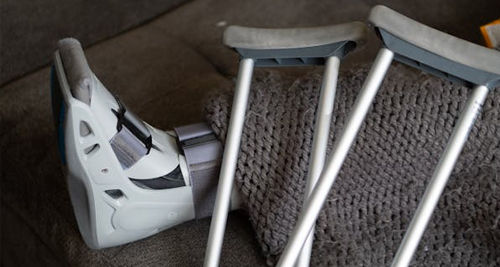
Person with a broken leg resting on a couch with crutches and a medical walking boot

Complications and Recovery from a Broken Leg

Complications and Recovery from a Broken Leg Complications and Recovery from a Broken Leg vary depending on the severity of the fracture, the treatment approach, and patient compliance with rehabilitation. The most common complications and recovery from a broken leg concerns include malunion, nonunion, joint stiffness, infection, and delayed return to mobility. Malunion occurs when the bone heals in the wrong position. This can affect leg alignment and gait, causing pain or long-term disability. It may require corrective surgery. Nonunion, where the bone fails to heal altogether, can result from poor blood supply, infection, or movement during healing. Infections are a risk in compound fractures or post-surgery. Symptoms include redness, fever, and pus at the wound site. Prompt treatment with antibiotics and wound care helps prevent long-term damage. Nerve or blood vessel damage can occur during the injury or surgery. This may result in numbness, tingling, or reduced circulation to the foot. Immediate attention is required to prevent complications like foot drop or limb loss. Joint stiffness is common after prolonged immobilisation. Without physiotherapy, muscle loss and joint tightness may delay recovery or lead to chronic discomfort. Targeted exercises, often supervised by a physiotherapist, help restore strength and range of motion. Blood clots (deep vein thrombosis) are a serious concern, especially in long immobilisations. Preventative measures include leg elevation, compression stockings, and medication. Complications and Recovery from a Broken Leg Psychological impacts also play a role in recovery. Extended bed rest, pain, or loss of independence can lead to anxiety or depression. Emotional support and setting realistic goals help maintain motivation during recovery. The timeline for healing varies. Minor fractures may heal in 6 to 8 weeks, while major injuries requiring surgery can take 3 to 6 months or more. Athletes or manual workers may need longer before returning to full function. Successful complications and recovery from a broken leg depend on proper diagnosis, timely treatment, structured rehabilitation, and patient commitment. With comprehensive care, most patients regain mobility and return to their normal lifestyle. Back to Overview

Complications and Recovery from a Broken Leg Read More »

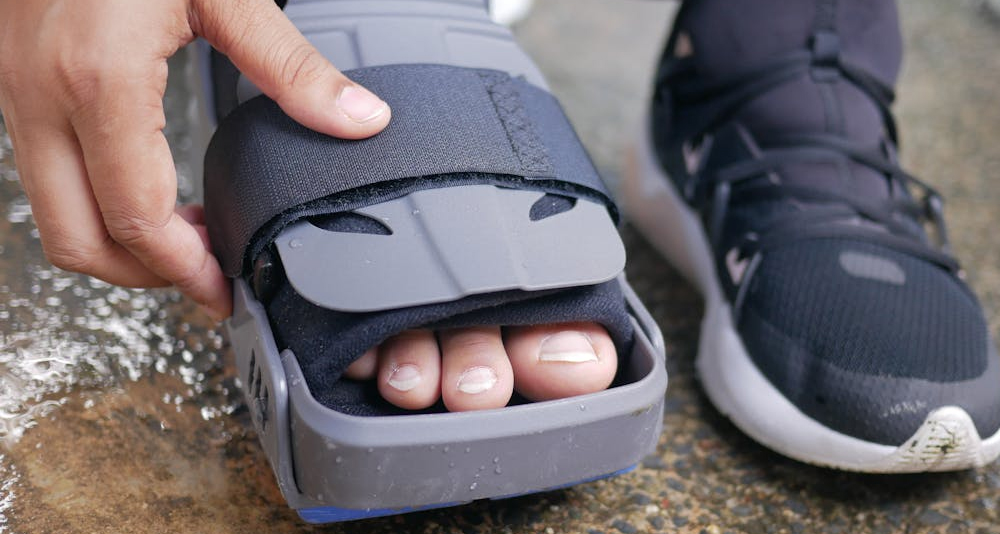
Close-up of foot in orthopaedic walking boot for broken toe recovery

Broken Toe

Broken Toe – Overview A broken toe is a fracture in one of the 14 bones (phalanges) that make up the toes of the foot. A broken toe may seem like a minor injury. However, if not diagnosed and treated correctly, it can result in long-term pain, poor alignment, and mobility issues. This type of injury is common among both children and adults. Additionally, it’s usually caused by trauma such as stubbing the toe, dropping something heavy on the foot, or during sporting accidents. Most toe fractures involve the smaller toes. However, the big toe — which bears more weight and provides stability — is more serious when fractured. While some breaks are clean and straightforward, others may be displaced or involve the joint, requiring a more advanced approach. Symptoms usually include sudden, localised pain, swelling, bruising, and difficulty walking. In more serious fractures, the toe may look crooked or bent at an unnatural angle. Many people ignore the signs, assuming it’s just a stubbed toe. However, continuing to walk on a fracture can cause delayed healing or long-term joint damage. Broken Toe Diagnosis is confirmed with a physical exam and an X-ray. Depending on the location and severity, treatment may involve taping the toe. Wearing a stiff-soled shoe, or, in more complex cases, surgery. Most people recover within 4 to 6 weeks. However, untreated fractures or poor aftercare can lead to arthritis, deformity, or chronic pain. Prompt treatment and proper footwear during recovery are key to preventing complications. [Next: Causes of a Broken Toe →]

Broken Toe Read More »

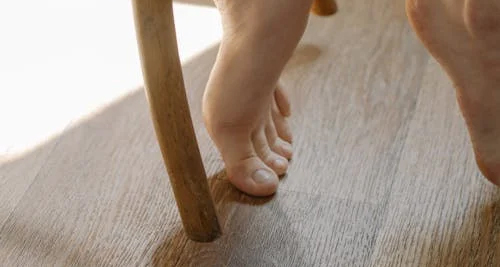
Barefoot toe hitting wooden chair leg on hard floor

Causes of a Broken Toe

Causes of a Broken Toe Causes of a Broken Toe typically involve blunt trauma or direct impact to the foot. The most common causes of a broken toe include stubbing the toe against hard surfaces, dropping objects on the foot, sports injuries, and missteps that bend the toe unnaturally. These fractures can affect anyone but are especially common among athletes, children, and people working in physically demanding environments. Stubbing the toe is a leading cause. Whether it happens against a wall, furniture, or the edge of a step, the sudden force can easily crack one of the small bones in the toe. These injuries are often underestimated because pain can subside quickly, even when a fracture is present. Crush injuries are also common. Dropping a heavy object such as a can, toolbox, or book on the foot can break a toe instantly. Toes are exposed and lack the muscle protection that other body parts have, making them more vulnerable to direct blows. Sports injuries frequently cause toe fractures. Footballers, runners, dancers, and martial artists are all at risk. A misstep, tackle, or landing awkwardly after a jump can put too much pressure on the toe joints and bones, leading to breaks or dislocations. Causes of a Broken Toe Wearing inappropriate footwear can increase the likelihood of toe injuries. Shoes that are too tight, loose, or lacking proper support can contribute to falls and missteps. Open-toed footwear also increases the risk of stubbing and crush injuries. Some people are more vulnerable due to bone weakness. Conditions like osteoporosis or previous injuries can make the bones of the feet more fragile. Diabetics and people with poor circulation may not even notice a fracture until secondary symptoms appear, like swelling or infection. Understanding the causes of a broken toe helps reduce risk through simple preventative steps — wearing closed, well-fitting shoes, using caution in crowded spaces, and being careful when handling heavy objects at home or work. [Next: Symptoms of a Broken Toe →]

Causes of a Broken Toe Read More »

Scroll to Top