Mental Matters

Author name: admin

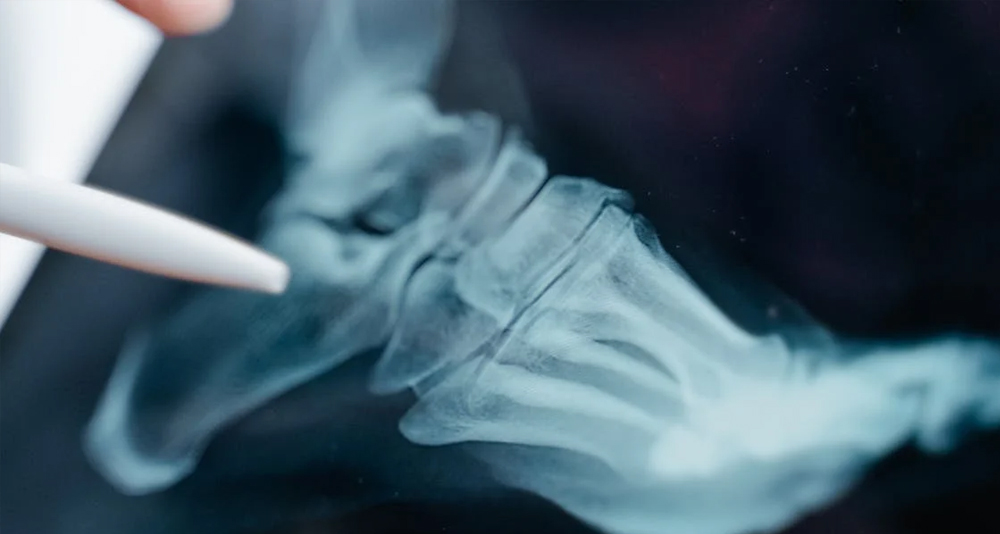
X-ray of foot showing fractured toe bones

Symptoms of a Broken Toe

Symptoms of a Broken Toe Symptoms of a Broken Toe often appear immediately after the injury but can sometimes develop gradually. The most common symptoms of a broken toe include sudden sharp pain, swelling, bruising, discolouration, and difficulty putting weight on the affected foot. Identifying these symptoms early can help ensure proper healing and avoid complications. Pain is typically the first and most noticeable symptom. It may feel sharp, throbbing, or localised directly at the point of impact. Most people instinctively grab their foot or limp shortly after the injury. Pain may worsen when walking, especially if the break involves the big toe or a displaced fracture. Swelling develops rapidly, often within minutes of the injury. The toe may appear puffy, and the surrounding skin may feel tight. Ice and elevation can help manage early swelling, but persistent or increasing puffiness should be evaluated. Bruising is a common sign of a broken toe. It often starts as deep purple or blue and may spread to nearby toes or the top of the foot. In some cases, bruising appears on the sole of the foot. Bruising and swelling together usually suggest internal bleeding from a fracture. Symptoms of a Broken Toe Deformity is another clear sign. The toe may appear crooked, bent at an odd angle, or misaligned. In displaced fractures, the bone may push visibly under the skin. Trying to “pop it back” is dangerous and should be avoided. Walking difficulty is common. People with a broken toe usually limp or shift their weight to the opposite foot to reduce pressure. Some may not be able to wear a shoe due to pain or swelling. Numbness, tingling, or coldness in the toe could indicate nerve or blood vessel involvement. These symptoms require immediate medical assessment. Many people delay seeking treatment because they believe the injury is “just a stubbed toe.” However, if symptoms of a broken toe persist for more than 2 days or interfere with walking or balance, an X-ray is needed to confirm the diagnosis. [Next: Diagnosis of a Broken Toe →]
Symptoms of a Broken Toe Read More »

X-ray of a foot showing a suspected broken toe

Diagnosis of a Broken Toe

Diagnosis of a Broken Toe Diagnosis of a Broken Toe begins with a physical exam and is confirmed using imaging tests. A proper diagnosis of a broken toe ensures appropriate treatment, minimises recovery time, and prevents long-term complications like joint stiffness or poor alignment. During the clinical examination, the doctor will ask how the injury occurred and what symptoms are present. They’ll inspect the foot for swelling, bruising, and tenderness, comparing it with the unaffected side. If the toe looks deformed or cannot bear weight, a fracture is likely. Palpation is used to assess pain points and bone stability. The doctor may gently press different parts of the toe to locate the break and check whether it moves abnormally. However, excessive manipulation is avoided to prevent further damage. X-rays are the gold standard for diagnosing toe fractures. They reveal the location, type, and severity of the break. X-rays also show whether the bone is displaced or aligned and if the joint is involved. In complex fractures, more than one toe may need to be imaged. Diagnosis of a Broken Toe In rare cases, a CT scan may be ordered if a tiny fracture is suspected but not clearly visible on an X-ray. This is more common in patients with persistent symptoms despite a normal X-ray result or in professional athletes where full function is critical. Doctors will also evaluate circulation and nerve function. Poor blood flow, numbness, or discolouration may require immediate action, especially in cases where swelling threatens nearby tissues. Diabetic patients and those with peripheral vascular disease are treated with extra caution. Because of reduced sensation, they may not feel pain normally, leading to delayed diagnosis and an increased risk of complications like infection or poor healing. An accurate diagnosis of a broken toe guides the next steps — whether conservative treatment or surgical referral — and plays a major role in avoiding future mobility problems. [Next: Treatment of a Broken Toe →]

Diagnosis of a Broken Toe Read More »

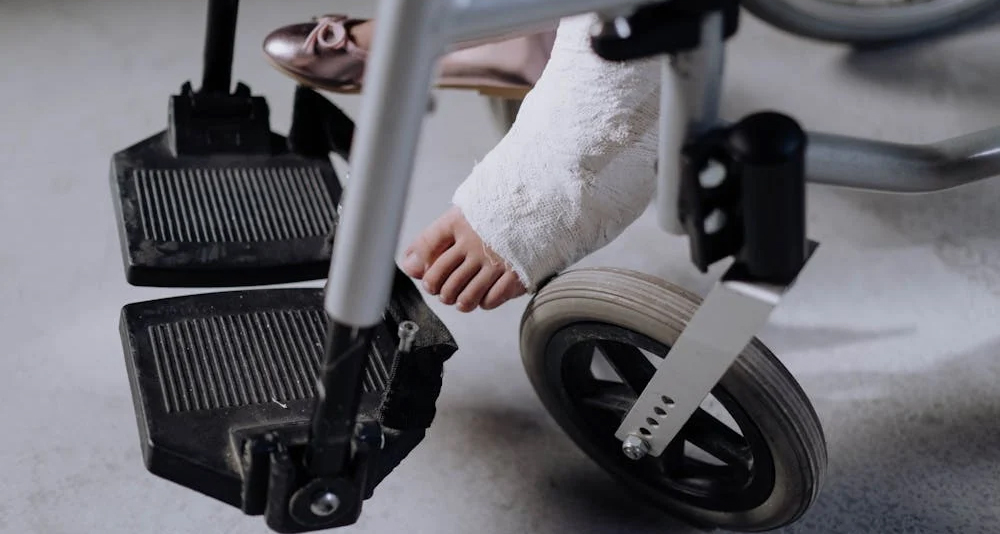
Foot in cast resting on a wheelchair footrest after toe fracture treatment

Treatment of a Broken Toe

Treatment of a Broken Toe Treatment of a Broken Toe depends on whether the fracture is stable or displaced, the toe affected, and how much joint function is involved. The main goal of treatment of a broken toe is to ensure the bone heals correctly while maintaining balance, comfort, and mobility. For most non-displaced fractures, conservative treatment is sufficient. Buddy taping — where the injured toe is taped to the neighbouring toe — provides stability and reduces motion. A stiff-soled shoe or post-operative sandal is often recommended to protect the foot while walking. If the big toe is fractured, or if the injury involves a joint, a more structured immobilisation approach may be used. A walking boot or toe splint may be prescribed for 2 to 4 weeks. Pain is typically managed with paracetamol, ibuprofen, and elevation during the first few days. In displaced fractures or those that affect alignment, a closed reduction may be needed. This procedure involves manipulating the toe back into position, usually under local anaesthesia. X-rays are repeated afterwards to ensure proper alignment before taping or splinting. Open fractures — where the bone pierces the skin — are considered emergencies. These require wound cleaning, antibiotics, and often surgical fixation to avoid infection and ensure healing. In rare cases, surgery may be necessary. This applies to comminuted fractures (bone broken into several pieces), unstable joint injuries, or fractures that don’t heal with conservative treatment. Surgical repair may involve pins, screws, or wires. Treatment of a Broken Toe Children generally heal faster and may need less rigid support. However, follow-up is important to ensure bones grow correctly. Adults with underlying health conditions or poor circulation may heal more slowly. Rehabilitation usually begins after the pain and swelling reduce. Gentle toe movements and foot exercises help restore balance and strength. Most people can resume normal activity within 4 to 6 weeks. Well-timed treatment of a broken toe helps prevent long-term issues like joint stiffness, altered walking patterns, or chronic foot pain. [Next: Complications and Recovery from a Broken Toe →]

Treatment of a Broken Toe Read More »

Close-up of feet on tiptoe during recovery exercise for a broken toe

Complications and Recovery from a Broken Toe

Complications and Recovery from a Broken Toe Complications and Recovery from a Broken Toe depend on the type of fracture, how it was treated, and the patient’s adherence to aftercare. The most common complications and recovery from a broken toe concerns include poor alignment, chronic pain, stiffness, arthritis, and delayed healing — especially if the injury was ignored or poorly managed. Stiffness is the most common issue. Immobilising the toe helps healing, but without movement, joints can stiffen. Once swelling and pain decrease, gentle range-of-motion exercises are crucial. Long-term stiffness may affect walking comfort and cause the person to adjust their gait, leading to new problems in the ankle, knee, or hip. Malunion occurs when the bone heals in the wrong position. This can result in a visible bump, overlapping toes, or a crooked appearance. While this may not always cause pain, it can interfere with shoe fit and balance. Nonunion — where the bone fails to heal — is rare but serious. It’s more likely in smokers, diabetics, or people with poor circulation. Persistent pain or swelling weeks after the injury may suggest delayed healing and should be reassessed with imaging. Complications and Recovery from a Broken Toe Arthritis can develop if the break involves a joint surface. This causes stiffness, pain with movement, and weather sensitivity. Wearing cushioned footwear and maintaining an active lifestyle can help manage symptoms. Other complications include nerve damage, persistent swelling, and sensitivity in cold weather. These are more common in crush injuries or open fractures. Recovery from a broken toe usually takes 4 to 6 weeks, though full return to sport or intense activity may take longer. Wearing appropriate footwear during and after recovery helps avoid reinjury and supports natural gait restoration. Proper follow-up, footwear, and physiotherapy play a major role in preventing complications and supporting recovery. With the right care, most people regain full toe function without long-term limitations. Back to Overview

Complications and Recovery from a Broken Toe Read More »

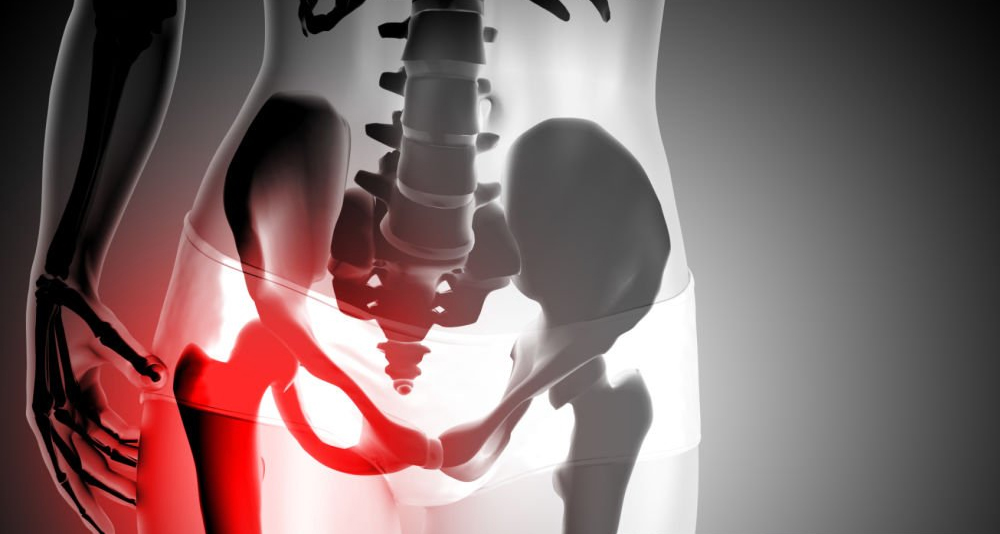
X-ray illustration of a broken hip showing inflammation in the pelvic region

Broken Hip

Broken Hip – Overview A broken hip is a serious fracture in the upper portion of the femur (thigh bone), usually near the hip joint. A broken hip most commonly affects elderly individuals and those with osteoporosis, but it can also occur in younger people due to high-impact accidents such as vehicle collisions or falls from a height. This injury requires urgent medical attention and is often life-altering, particularly in older patients. The hip joint is essential for everyday movement, supporting the body’s weight during walking, standing, and sitting. Most hip fractures happen in the femoral neck (just below the ball of the joint) or in the intertrochanteric region (just below the neck). A fracture in this area causes intense pain, immobility, and usually an inability to bear weight on the leg. Symptoms appear immediately after injury. The person may be unable to stand or walk and often feels sharp pain in the hip or groin. The leg on the injured side may appear shorter or turned outward. In cases involving osteoporosis, the trauma may seem minor — such as tripping on a rug or falling from standing height — but the damage is severe. Broken Hip Diagnosis involves a physical examination and imaging tests such as X-rays, CT scans, or MRI. These confirm the type, location, and complexity of the fracture and help doctors choose the best treatment plan. Surgery is the most common form of treatment, followed by physiotherapy and rehabilitation. Depending on the nature of the break, treatment may involve internal fixation with screws, a partial hip replacement, or a total hip replacement. Recovering from a broken hip is a long process that requires multidisciplinary care. Early intervention, proper post-surgical support, and a focus on mobility and fall prevention are key to successful outcomes. [Next: Causes of a Broken Hip →]

Broken Hip Read More »

Man falling backwards, showing a common cause of hip fractures

Causes of a Broken Hip

Causes of a Broken Hip Causes of a Broken Hip vary depending on age, lifestyle, and bone health. The most common causes of a broken hip include falls, especially in older adults, as well as high-impact trauma from car accidents, sports injuries, or industrial accidents. In some cases, even minimal force can cause a fracture if the bone is already weakened by disease. Falls are the leading cause of hip fractures, particularly in people over 65. Slipping on a wet floor, tripping over a step, or losing balance at home can all lead to a fall with enough force to break the hip. Poor eyesight, medications that cause dizziness, and muscle weakness all contribute to higher fall risk in the elderly. Osteoporosis is a major contributing factor. This condition reduces bone density, making the bones fragile and more susceptible to fractures. Even a minor stumble or bump can cause a serious break in people with osteoporosis — a common issue among postmenopausal women. Motor vehicle accidents are another significant cause, particularly in younger adults. High-speed crashes exert tremendous force on the hips and pelvis, and broken hips are a common injury in drivers, passengers, cyclists, and pedestrians struck by vehicles. Causes of a Broken Hip Sports-related injuries and falls from height can also result in a broken hip, particularly in contact sports or adventure activities like rock climbing, skiing, and trail running. These injuries often involve more complex or multi-fragmented fractures that may require advanced surgical intervention. Certain medical conditions, including cancer, kidney disease, and long-term steroid use, can weaken the bones, increasing the likelihood of a break. In rare cases, a person may even suffer a spontaneous fracture without any obvious trauma. Understanding the causes of a broken hip helps identify people at risk and implement prevention strategies. These may include installing grab bars in bathrooms, using mobility aids, reviewing medications that affect balance, and taking vitamin D and calcium to strengthen bones. [Next: Symptoms of a Broken Hip →]

Causes of a Broken Hip Read More »

Person holding hip in pain, indicating symptoms of a hip fracture

Symptoms of a Broken Hip

Symptoms of a Broken Hip Symptoms of a Broken Hip often appear suddenly after a fall or trauma and are typically severe enough to prevent movement. The most obvious symptoms of a broken hip include intense hip or groin pain, inability to walk, and visible changes in leg position. Quick recognition of these signs can lead to faster diagnosis and improved recovery outcomes. Pain is the first and most prominent symptom. It usually occurs in the outer upper thigh or groin area and may worsen with movement or even slight pressure. People with a broken hip often cannot stand, bear weight, or rotate the leg. If the fracture is displaced, attempting to move causes excruciating pain. Inability to walk is a hallmark sign. Most patients fall and are unable to get back up. Even trying to reposition in bed or sit up can cause discomfort. The severity of pain often depends on the type of fracture — some hairline fractures may allow limited movement, while full breaks eliminate function entirely. Changes in leg position are another visible clue. The affected leg may appear shorter than the other and may turn outward. This is usually caused by muscle spasms or the shifting of broken bone fragments. Swelling, bruising, or stiffness in the hip area is also common. Symptoms of a Broken Hip Other symptoms include numbness or tingling if nerves are involved, especially in complex or multi-fragment fractures. There may also be referred pain in the lower back or knee, making diagnosis more difficult without imaging. In elderly individuals or those with cognitive impairment, symptoms might be vague. They may complain of general discomfort or refuse to walk without giving a clear reason. In such cases, any suspicion of a fall or mobility change should prompt medical evaluation. Early identification of the symptoms of a broken hip leads to faster surgical planning, lower complication rates, and a greater chance of returning to independence. Ignoring symptoms or delaying treatment increases the risk of infection, blood clots, pneumonia, and even death in vulnerable patients. [Next: Diagnosis of a Broken Hip →]

Symptoms of a Broken Hip Read More »

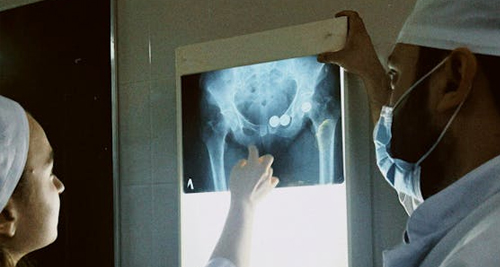
Doctors reviewing an X-ray for broken hip diagnosis

Diagnosis of a Broken Hip

Diagnosis of a Broken Hip Diagnosis of a Broken Hip involves clinical evaluation and imaging tests to determine the location and severity of the fracture. Early and accurate diagnosis of a broken hip ensures prompt treatment, reduces pain, and improves long-term outcomes, especially in older patients at risk for complications. The process begins with a physical examination. A doctor will ask about the injury, review symptoms, and assess leg alignment, movement, and sensitivity. If the leg appears shortened, rotated, or immobile, a fracture is strongly suspected. Gentle palpation and range-of-motion tests help locate pain points, but movement is kept minimal to avoid further injury. X-rays are the first-line imaging tool. They clearly show most hip fractures and help distinguish between femoral neck and intertrochanteric breaks. X-rays also help surgeons plan the best treatment approach, including whether internal fixation or hip replacement is needed. Diagnosis of a Broken Hip In some cases, particularly with stress fractures or in people with strong muscle tone, an X-ray may appear normal. If symptoms persist despite clear X-rays, doctors may order a CT scan or MRI to get a more detailed view of the bone structure and detect hidden fractures. Blood tests may be performed to check for underlying conditions, such as anaemia or infection. These results help in pre-operative planning and assessing overall health status before surgery. In South Africa, private healthcare facilities often offer faster access to imaging and orthopaedic consultation. Public hospitals treat most cases effectively, but waiting times and access to advanced imaging may vary by region. A prompt and accurate diagnosis of a broken hip not only supports immediate treatment but also lowers the risk of post-surgical complications such as pneumonia, deep vein thrombosis (DVT), or pressure sores from prolonged immobility. [Next: Treatment of a Broken Hip →]

Diagnosis of a Broken Hip Read More »

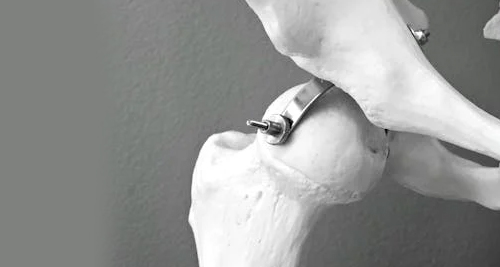
Orthopaedic model showing surgical treatment for a broken hip

Treatment of a Broken Hip

Treatment of a Broken Hip Treatment of a Broken Hip aims to stabilise the fracture, reduce pain, and restore mobility through surgical and non-surgical methods. The appropriate treatment of a broken hip depends on the location and type of fracture, the patient’s age and health, and the likelihood of regaining independence after recovery. Surgical intervention is the most common and effective treatment. The type of surgery depends on the fracture. Femoral neck fractures may require either internal fixation (metal screws or rods) or hip replacement, depending on how displaced the bone is and the patient’s age. Doctors usually repair intertrochanteric fractures with metal plates or intramedullary nails to stabilize the bone and allow early movement. Doctors often prefer hip replacement for elderly patients with displaced fractures because it supports quicker recovery and lowers the risk of nonunion. Younger, healthier patients may benefit from fixation that preserves the natural joint. Open fractures or those with vascular involvement require emergency surgery to clean the wound, stabilise the joint, and manage any bleeding or soft tissue damage. Antibiotics are typically administered, and blood transfusions may be needed in complex cases. Non-surgical treatment is rare and usually reserved for patients who are too frail for surgery. It involves pain control, bed rest, and physical therapy. However, non-operative care carries a higher risk of complications such as bedsores, lung infections, and muscle wasting. Treatment of a Broken Hip After surgery, rehabilitation begins almost immediately. Physiotherapy helps restore mobility, balance, and muscle strength. Occupational therapy assists with adapting daily activities. Most patients require walking aids like crutches or walkers during the early stages. In South Africa, rehabilitation services may differ depending on access to private or public facilities. However, the core focus remains the same: enabling safe movement, preventing complications, and promoting independence. Effective treatment of a broken hip depends on the speed of intervention and the quality of rehabilitation. With proper care, many patients regain their pre-injury mobility or even improve their strength and confidence with consistent support. [Next: Complications and Recovery from a Broken Hip →]

Treatment of a Broken Hip Read More »

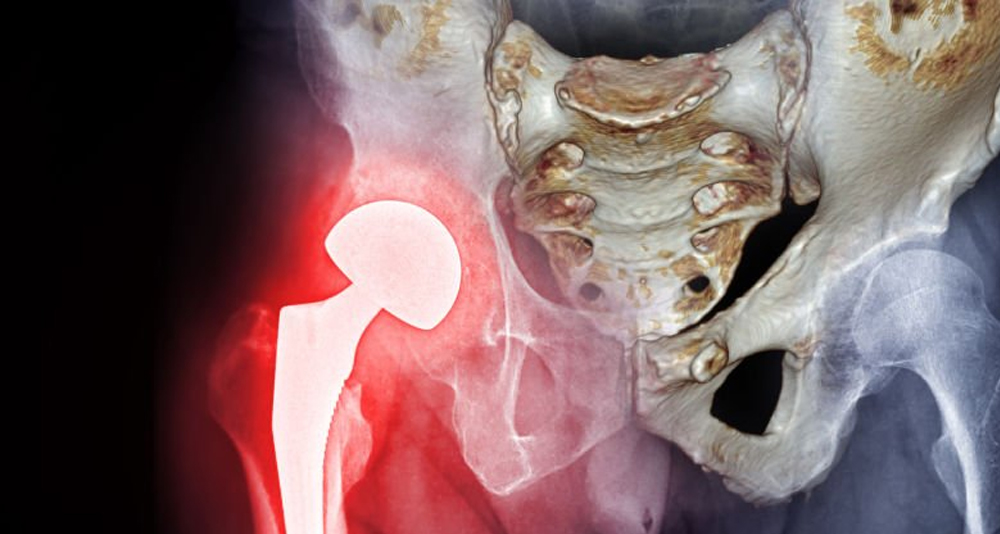
X-ray of a hip replacement highlighting complications from a fractured hip

Complications and Recovery from a Broken Hip

Complications and Recovery from a Broken Hip Complications and Recovery from a Broken Hip are influenced by the severity of the fracture, the type of treatment received, and the patient’s overall health and mobility before injury. The most common complications and recovery from a broken hip challenges include infection, blood clots, joint stiffness, and delayed rehabilitation. However, most patients improve with proper care and persistence. Post-surgical complications include wound infections, blood loss, and deep vein thrombosis (DVT). Preventative steps like blood thinners, compression stockings, and early mobilisation reduce these risks. Older patients may also face heart or lung complications, particularly if surgery is delayed. Dislocation or loosening of joint implants can occur, especially after hip replacement. Following weight-bearing restrictions and avoiding extreme hip movements helps protect the joint during recovery. Physiotherapists and occupational therapists provide guidance on safe movement and positioning. Bone healing issues such as nonunion or malunion may lead to chronic pain and limited range of motion. These are more common in patients with poor nutrition, osteoporosis, or who smoke. Additional surgery may be needed in such cases. Complications and Recovery from a Broken Hip Psychological impacts should not be underestimated. Depression, anxiety, and fear of falling again are common. Patients may feel helpless or dependent, particularly if they relied on physical activity before the injury. Encouragement, social support, and mental health care are key elements of recovery. Recovery times vary. Most people begin walking again within a week or two using assistance. Full recovery can take up to six months, depending on the person’s age, the complexity of the fracture, and the consistency of rehabilitation. Patients who were active before injury tend to recover more quickly. Long-term outcomes improve significantly when patients follow a structured rehab programme, eat well, avoid risky movements, and attend regular follow-ups. Family support and home adjustments — such as removing rugs, improving lighting, and adding grab bars — help prevent re-injury. Successful management of complications and recovery from a broken hip requires medical, physical, and emotional support. With the right plan, most people can regain independence and quality of life. Back to Overview

Complications and Recovery from a Broken Hip Read More »

Scroll to Top