Mental Matters

Author name: admin

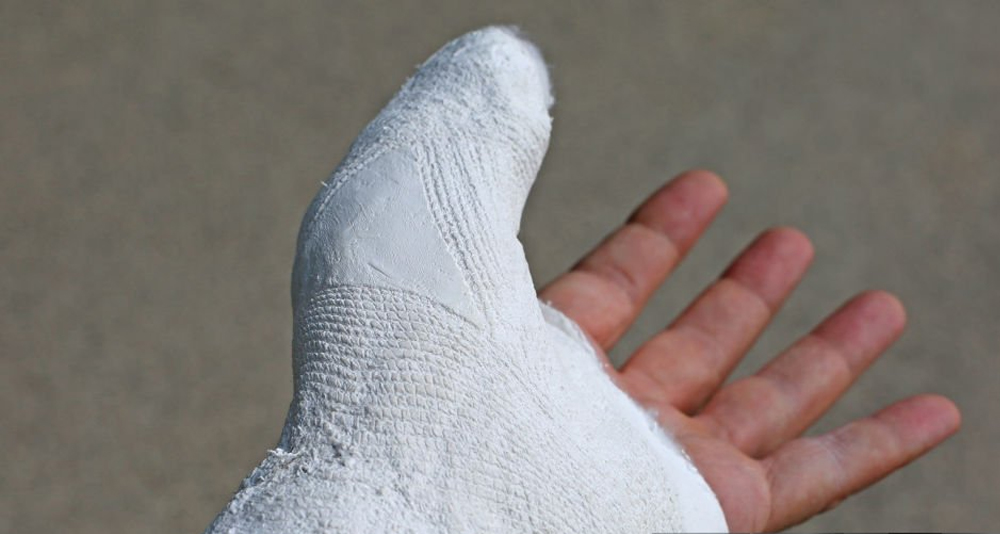
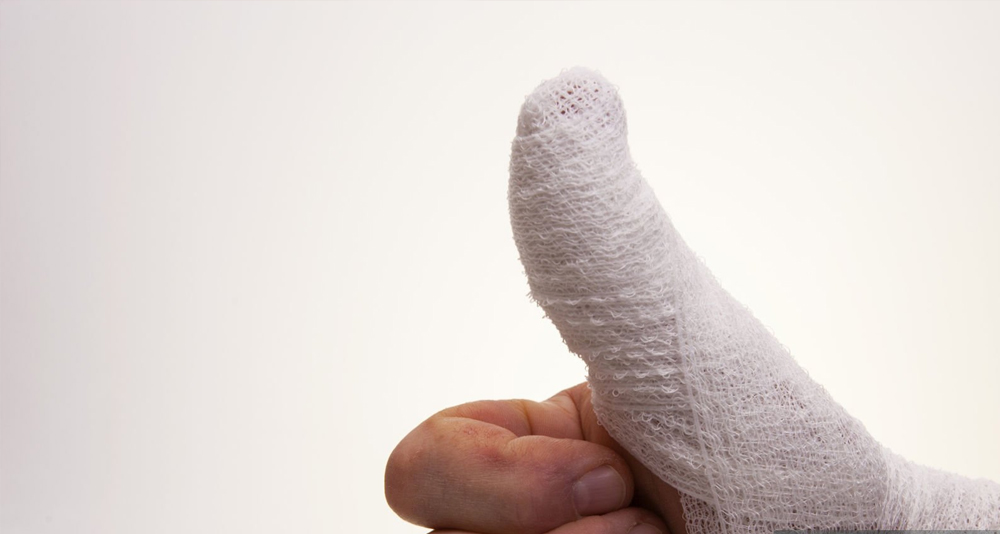
Thumb wrapped in a medical bandage after fracture

Broken Thumb

Broken Thumb – Overview A broken thumb refers to a fracture in one or both of the bones that make up the thumb — the distal and proximal phalanges, or in some cases, the first metacarpal near the wrist. This is a significant injury due to the thumb’s essential role in grip, balance, and fine motor skills. Even a minor fracture can severely impact daily activities like writing, dressing, or holding objects. Thumb fractures often result from a fall, direct impact, or sporting injury. Common scenarios include bracing during a fall, jamming the thumb during ball sports, or injuring the hand in a car or workplace accident. While some thumb fractures are clean breaks, others may involve joint surfaces or be part of more complex hand injuries. Symptoms appear quickly after the injury. These include pain, swelling, bruising, and difficulty moving or using the thumb. A visibly deformed thumb or one that cannot be straightened is a strong indicator of a serious break. If left untreated, this can heal incorrectly, leading to loss of function, arthritis, or chronic pain. Broken Thumb Diagnosis typically involves a physical exam and X-rays. For complex fractures or suspected ligament damage, a CT or MRI scan may be necessary. Treatment ranges from splinting and immobilisation to surgical fixation using wires, pins, or plates — especially if the fracture is unstable or involves a joint. Healing time for a broken thumb ranges from four to eight weeks. Physiotherapy is often required after immobilisation to restore strength, mobility, and precision. Prompt treatment significantly improves outcomes and reduces the risk of long-term impairment. [Next: Causes of a Broken Thumb →]
Broken Thumb Read More »

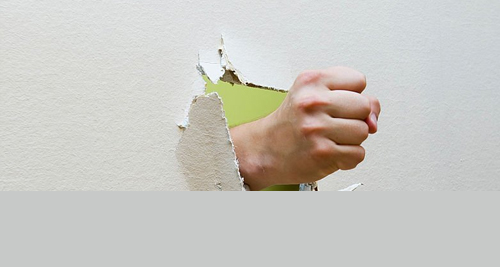
Fist punching through drywall, symbolising trauma to the hand or thumb

Causes of a Broken Thumb

Causes of a Broken Thumb Causes of a Broken Thumb typically involve trauma, twisting, or crushing forces applied directly to the thumb. The most frequent causes of a broken thumb include falls, contact sports, workplace injuries, and accidents where the thumb is caught, jammed, or bent backward. These injuries occur in both everyday life and high-risk environments. Falling onto an outstretched hand is a leading cause. As people try to catch themselves during a fall, the thumb often takes the impact. This can result in hyperextension or direct pressure that fractures one or more thumb bones — often at the base near the wrist. Contact sports such as rugby, hockey, and basketball are frequent culprits. A fast-moving ball striking the thumb or a collision during play can easily jam or bend the thumb, breaking the bone or even tearing surrounding ligaments. Goalkeepers in football are particularly prone to these injuries. Workplace accidents — especially in construction, manufacturing, or agriculture — are another major contributor. The thumb may be caught in machinery, hit with tools, or crushed between heavy objects. These injuries are often more severe and may include open or multiple fractures. Causes of a Broken Thumb Vehicle accidents can also result in broken thumbs, particularly if the hand strikes a dashboard or steering wheel. Cyclists and motorcyclists may land on their hands during a fall, transferring force directly to the thumb. In some cases, a broken thumb results from a direct blow, such as punching a hard object or being struck during an altercation. These injuries can lead to “Bennett’s fracture” — a break at the base of the first metacarpal that often requires surgery. Understanding the causes of a broken thumb helps prevent injuries through proper technique, protective gear, and awareness of hand positioning in high-risk activities. Whether at work, sport, or during daily tasks, using the hands mindfully can significantly reduce the risk of trauma. [Next: Symptoms of a Broken Thumb →]

Causes of a Broken Thumb Read More »

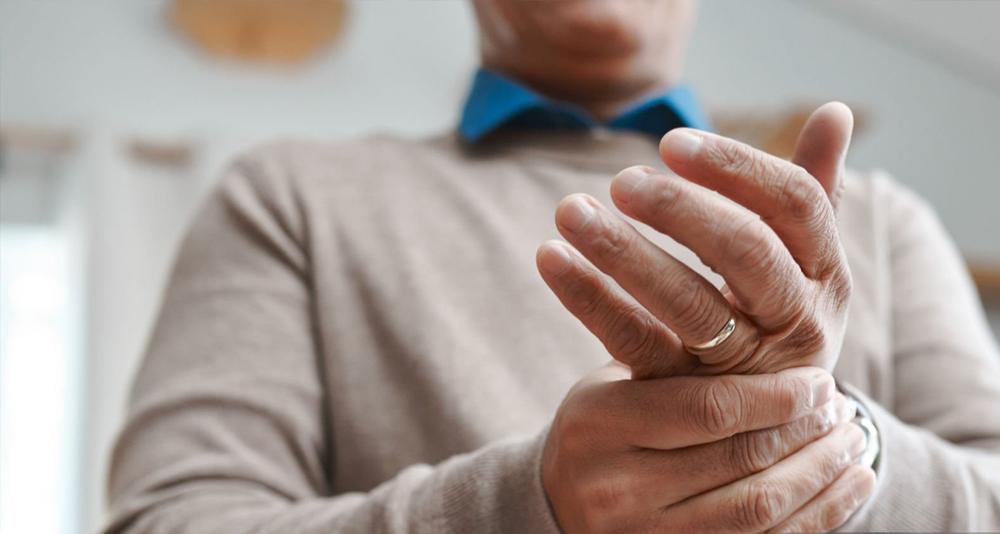
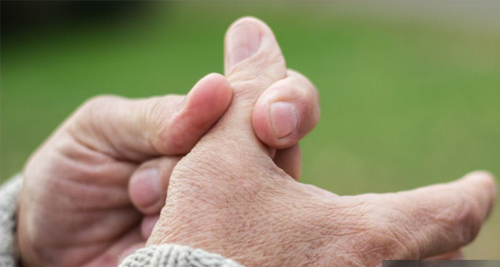
Elderly person holding thumb in pain, indicating possible fracture

Symptoms of a Broken Thumb

Symptoms of a Broken Thumb Symptoms of a Broken Thumb usually appear immediately after injury and can affect both movement and appearance of the thumb. The most common symptoms of a broken thumb include sharp pain, swelling, bruising, limited motion, and visible deformity. These symptoms can significantly disrupt hand function and should never be ignored. Pain is often intense and located directly at the site of the break. It tends to increase with pressure or movement, particularly when trying to grip, pinch, or rotate the thumb. The pain may extend toward the wrist or hand in more complex fractures. Swelling and bruising typically develop quickly. The thumb may look noticeably larger than normal and feel warm or tender to the touch. Bruising can appear deep purple or blue and may spread across the palm or up the wrist, depending on the injury’s severity. A deformed or misaligned thumb is a strong indicator of a displaced fracture. The thumb may appear bent, shortened, or twisted in an unusual direction. In open fractures, bone fragments may be visible through the skin, requiring emergency care. Symptoms of a Broken Thumb Loss of movement is a major red flag. Most patients cannot move the thumb or may only manage limited motion due to pain and mechanical obstruction. Tasks like buttoning a shirt, opening a bottle, or typing become nearly impossible with a broken thumb. Other possible symptoms include numbness or tingling, which suggest nerve involvement. If blood flow is affected, the thumb may become pale or cold — both of which are signs of a more serious injury needing urgent attention. In children, symptoms might be less specific. They may refuse to use the hand, cry when touched, or appear distressed when attempting basic tasks. Any noticeable swelling or guarding behaviour should be assessed by a doctor. Early identification of the symptoms of a broken thumb improves the chances of fast and effective treatment. Misdiagnosing a fracture as a sprain or ignoring pain can lead to permanent loss of thumb mobility or chronic discomfort. [Next: Diagnosis of a Broken Thumb →]

Symptoms of a Broken Thumb Read More »

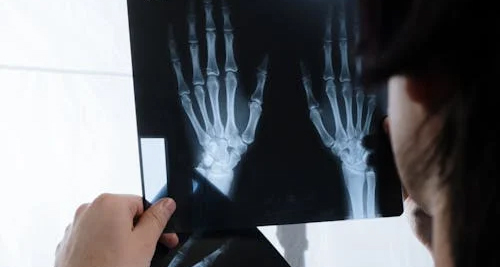
X-ray image of a hand showing a fractured thumb

Diagnosis of a Broken Thumb

Diagnosis of a Broken Thumb Diagnosis of a Broken Thumb begins with a physical exam and is confirmed using imaging such as X-rays or CT scans. A clear and timely diagnosis of a broken thumb helps ensure proper alignment, appropriate treatment, and the best chance of full recovery. Delayed or incorrect diagnosis may result in permanent joint or grip dysfunction. During the physical examination, a healthcare provider will ask how the injury occurred and inspect the thumb for swelling, tenderness, bruising, and deformity. They will check thumb movement, grip strength, and assess whether any joints are involved. Specific stress tests may be done to evaluate ligament stability, particularly at the base of the thumb. X-rays are the most commonly used imaging tool. They help identify the location, type, and severity of the fracture. A break may occur in the distal (tip) bone. The proximal bone near the hand, or the first metacarpal, especially in Bennett’s or Rolando fractures. X-rays also reveal whether the fracture is displaced, stable, or involves the joint. In more complex injuries — such as comminuted fractures or those near the carpometacarpal (CMC) joint. A CT scan may be ordered to provide greater detail. MRI is less frequently used but can help detect ligament or tendon damage if suspected. Diagnosis of a Broken Thumb Assessment of nerve and blood vessel function is also essential. Doctors will test sensation, circulation, and capillary refill to ensure no neurovascular structures have been compromised. In children, diagnosis must consider growth plates. A fracture involving a growth plate (epiphyseal plate) requires careful management to avoid long-term developmental issues in the thumb. Access to imaging is generally available in most urban South African clinics and hospitals. Furthermore, rural facilities may refer patients to central hospitals for scans. Immediate splinting is recommended in all suspected cases until imaging confirms the diagnosis. An accurate diagnosis of a broken thumb is the foundation for effective treatment. It ensures that healing occurs properly and reduces the risk of deformity, arthritis, or grip loss in the future. [Next: Treatment of a Broken Thumb →]

Diagnosis of a Broken Thumb Read More »

Plaster cast on a broken thumb during recovery process

Treatment of a Broken Thumb

Treatment of a Broken Thumb Treatment for a broken thumb depends on the fracture’s location and severity, and whether it affects the joint surface. The goal of treatment of a broken thumb is to restore alignment, stabilise the bone, and preserve hand function, particularly grip and pinch strength. Prompt intervention is essential to avoid long-term complications. For stable, non-displaced fractures, treatment usually involves immobilisation. Doctors place the thumb in a splint or thumb spica cast that includes the wrist and extends beyond the tip of the thumb. Immobilisation typically lasts for three to six weeks. Doctors manage pain with over-the-counter medications, ice packs, and elevation. Displaced or unstable fractures may require a closed reduction. This is a non-surgical procedure where the doctor realigns the bone manually before applying a cast or splint. X-rays are used afterward to ensure proper positioning during healing. Doctors recommend surgery for fractures that involve the joint surface, are comminuted (broken into multiple pieces), or have shifted significantly. Common procedures include internal fixation using pins, screws, or plates. Surgery is particularly important in cases like Bennett’s fracture, which affects the base of the thumb and risks permanent loss of function if not stabilised correctly. Doctors must treat open fractures immediately with surgical cleaning and fixation to prevent infection. They also prescribe antibiotics and provide wound care with follow-up. Treatment of a Broken Thumb Children usually recover with non-surgical care, thanks to their bones’ natural healing ability. Adults, especially those with active jobs or sports commitments, may require more structured treatment and therapy for optimal recovery. After immobilisation or surgery, physiotherapy is crucial. Exercises help restore thumb flexibility, strength, and dexterity. Without it, patients may develop stiffness, reduced grip strength, or joint tightness that interferes with daily tasks. A well-managed treatment of a broken thumb allows most people to return to normal activity within two to three months. Consistent follow-up and rehabilitation are essential to ensure a full and lasting recovery. [Next: Complications and Recovery from a Broken Thumb →]

Treatment of a Broken Thumb Read More »

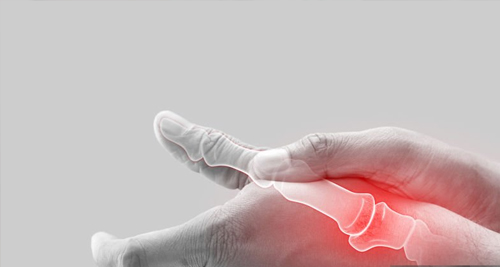
Digital illustration of a broken thumb joint with pain highlighted

Complications and Recovery from a Broken Thumb

Complications and Recovery from a Broken Thumb Complications and Recovery from a Broken Thumb vary based on the type of fracture, how quickly it was treated, and whether physiotherapy was followed. The most common complications and recovery from a broken thumb issues include joint stiffness, deformity, arthritis, nerve damage, and reduced grip strength. With timely care, most of these can be prevented or managed effectively. Stiffness is the most frequent complication. Immobilisation helps the bone heal, but it can also lead to reduced range of motion in the thumb and hand. Physiotherapy — focusing on mobility, strength, and coordination — plays a critical role in preventing long-term stiffness. Malunion occurs when bones heal in the wrong position, potentially affecting hand function and appearance. It may result in a crooked or shortened thumb, leading to difficulty with tasks that require precision, such as writing or using tools. Corrective surgery may be needed in severe cases. Nonunion, where the bone fails to heal properly, is less common but serious. It can cause chronic pain and instability, particularly in weight-bearing or gripping motions. Surgical intervention and extended therapy may be required to address it. Fractures that involve the joint are more likely to lead to post-traumatic arthritis. This causes pain, stiffness, and swelling that may persist for years. Joint involvement needs close monitoring, especially in high-functioning individuals such as athletes or manual workers. Complications and Recovery from a Broken Thumb Nerve damage can occur from severe trauma or as a complication during surgery. Symptoms may include numbness, tingling, or weakness in the thumb and hand. Recovery depends on the extent of nerve involvement and may require specialist intervention. Psychologically, hand injuries can be frustrating. Losing the use of the dominant hand, even temporarily, can impact independence and daily activities, especially in working adults and caregivers. Encouragement and support play an important role during the recovery period. The general timeline for recovery from a broken thumb is six to twelve weeks. Healing is faster in children and healthy adults. Return to full activity depends on the type of fracture, treatment received, and adherence to rehabilitation protocols. Preventing complications and supporting recovery from a broken thumb requires proper treatment, timely follow-up, and a strong commitment to physiotherapy. With these in place, most patients make a full return to normal function. Back to Overview

Complications and Recovery from a Broken Thumb Read More »

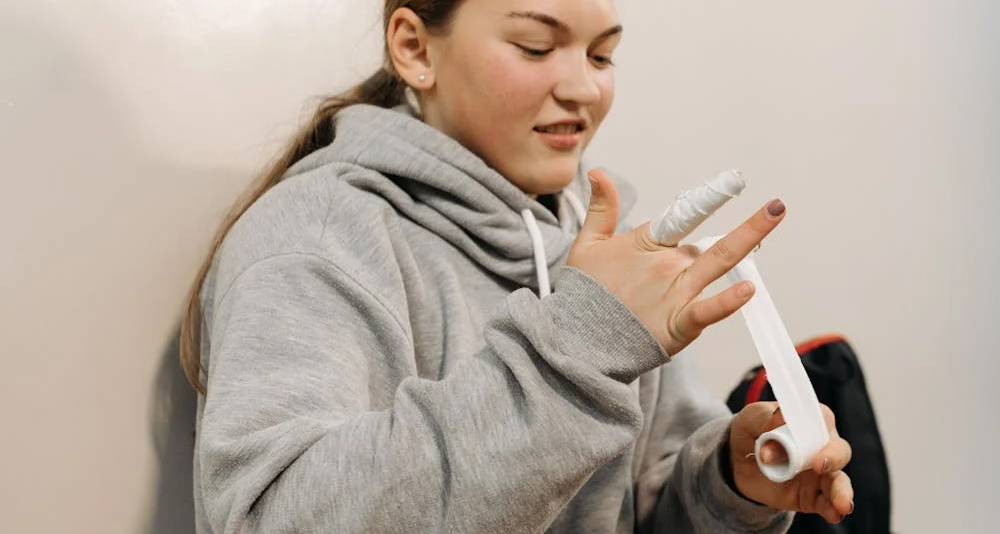
Young woman wrapping tape around a broken finger

Broken Finger

Broken Finger – Overview A broken finger is a fracture in any one of the 14 phalanges. The small bones that make up the fingers of the hand. A broken finger often occurs after a fall, sports injury, direct blow, or workplace accident. Although fingers are small, they play a vital role in everyday tasks. Furthermore, even a minor break can significantly affect hand function if not treated properly. Most finger fractures happen in the middle or end joints, but they can also affect the base near the knuckle or involve multiple bones. Depending on the type of break, symptoms can range from mild swelling to severe pain, visible deformity, and inability to move the finger. Left untreated, broken fingers can lead to long-term stiffness, arthritis, or reduced grip strength. Finger injuries are common in contact sports like rugby and netball, as well as in manual labour jobs where machinery, tools, or falling objects pose a risk. People often mistake a fracture for a sprain or jam, continuing to use the finger and worsening the injury. A proper diagnosis is essential to avoid permanent damage. Broken Finger X-rays are typically used to confirm the type and severity of the break. Treatment for this depends on whether the fracture is stable or displaced. Most cases are managed with splints or buddy strapping, but some complex fractures require surgical repair using pins or screws. Recovery from a broken finger takes anywhere from three to eight weeks, with rehabilitation exercises often necessary to restore movement. Early treatment and proper immobilisation are key to a good outcome, especially for people who rely on their hands for work. [Next: Causes of a Broken Finger →]

Broken Finger Read More »

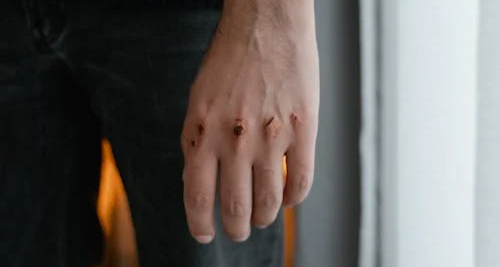
Injured hand showing bruised and cut knuckles, a common cause of a broken finger

Causes of a Broken Finger

Causes of a Broken Finger Causes of a Broken Finger typically involve trauma or forceful impact to the hand. The most common causes of a broken finger include sports injuries, falls, crushing incidents, workplace accidents, and violent altercations. These situations can result in fractures of the bones within any of the five fingers, affecting everyday hand function. Contact sports are a leading cause. Games like rugby, basketball, netball, and cricket often involve catching or blocking fast-moving balls or colliding with other players. Fingers can easily be bent backward or jammed, leading to fractures in the joints or midshaft of the bone. Falls also frequently lead to broken fingers, particularly if someone instinctively extends their hand to cushion the fall. This force is transmitted through the hand to the fingers, especially the pinky or ring finger, causing them to crack or break. Elderly individuals with brittle bones are at even higher risk. Crushing injuries are common in workplace environments such as construction sites, warehouses, and manufacturing plants. Machinery, tools, or heavy equipment can easily trap or crush a hand, breaking one or more fingers. These types of fractures are often severe and may involve multiple fragments. Door slams are a surprisingly common cause of finger breaks, especially in children. A trapped finger in a car door or gate can result in serious injury that requires immediate attention. Causes of a Broken Finger Violent altercations — including punching or hitting hard surfaces — can cause “boxer’s fractures,” usually affecting the bone of the little finger. These breaks often result in swelling, pain, and reduced knuckle visibility. Stress fractures from repetitive strain or overuse are less common but can occur in musicians, typists, or manual labourers. These fractures develop gradually and are harder to detect without imaging. Understanding the causes of a broken finger is essential for prevention. Wearing protective gloves, maintaining safety protocols in the workplace, and practising good form in sport all help reduce the risk of injury. Identifying the cause also assists in tailoring treatment and avoiding reinjury during recovery. [Next: Symptoms of a Broken Finger →]

Causes of a Broken Finger Read More »

Man holding his hand in pain from a suspected broken finger

Symptoms of a Broken Finger

Symptoms of a Broken Finger Symptoms of a Broken Finger often appear immediately after injury and can range from mild to severe, depending on the type and location of the fracture. The most recognisable symptoms of a broken finger include sharp pain, swelling, bruising, deformity, and difficulty moving or bending the finger. Pain is usually localised and worsens when pressure is applied or when attempting to move the finger. Many patients describe it as sharp, throbbing, or constant. In cases where the fracture involves the joint, any attempt to flex or straighten the finger becomes painful or impossible. Swelling and bruising typically develop within minutes to hours. The affected finger may appear larger or discoloured compared to the others. In some cases, the swelling can extend to the hand or neighbouring fingers. Deformity is a major sign of a displaced or angulated fracture. The finger may look bent, twisted, or shortened. If the bones have shifted out of position, the knuckle may disappear, or the finger may lean in an unnatural direction. An open fracture may also show broken bone piercing through the skin — this requires immediate emergency care. Symptoms of a Broken Finger Reduced mobility is common. The person may find it difficult or painful to make a fist, grip objects, or type. In some cases, the finger may become completely immobile or locked in a bent position. Numbness, tingling, or coldness in the fingertip may occur if blood flow or nerve function is affected. These symptoms are warning signs of vascular or nerve involvement and must be addressed quickly to avoid long-term damage. In children, symptoms may be less obvious. They may avoid using the hand, become irritable, or cry when the hand is touched. Parents should always seek medical advice if a child injures their finger and shows any sign of pain, swelling, or favouring one hand. Identifying the symptoms of a broken finger early improves the chances of proper healing. Even if symptoms seem minor, persistent pain or swelling after injury should not be ignored. [Next: Diagnosis of a Broken Finger →]

Symptoms of a Broken Finger Read More »

Doctor reviewing X-ray of hands for broken finger diagnosis

Diagnosis of a Broken Finger

Diagnosis of a Broken Finger Diagnosis of a Broken Finger begins with a clinical evaluation followed by imaging tests to confirm the extent and location of the fracture. Accurate diagnosis of a broken finger helps determine whether the break is simple or complex and whether surgery, splinting, or buddy taping is required for proper healing. The process starts with a full medical history and a detailed account of how the injury occurred. Doctors look for signs of trauma, swelling, deformity, and functional limitations. The affected finger is gently examined for tenderness, misalignment, and rotation. X-rays are the standard imaging tool and are typically taken from multiple angles to visualise the bone clearly. They show whether the fracture is transverse (horizontal), oblique (angled), spiral, or comminuted (in several pieces). X-rays also confirm whether the fracture involves the joint, which may require a more specialised treatment approach. In more complex cases or when multiple fingers are involved, a CT scan may be used for 3D imaging. This is especially useful for surgeons who need to plan internal fixation procedures. MRI is rarely needed but may be used if ligament or tendon injuries are suspected alongside the fracture. Diagnosis of a Broken Finger Doctors also evaluate neurovascular function. This includes checking sensation, blood circulation, and capillary refill time in the fingertip. Any signs of compromised blood flow or nerve injury — such as numbness or coldness — must be addressed urgently. In children, diagnosis can be more difficult because growth plates (epiphyseal plates) may mimic fractures on X-rays. Paediatric orthopaedic input is sometimes needed to differentiate and decide on the best course of treatment. Quick and precise diagnosis of a broken finger allows for early treatment, which improves healing outcomes and reduces the risk of long-term joint problems or deformity. Misdiagnosis or delays can lead to stiffness, chronic pain, or reduced hand function — especially in people who use their hands for work or sport. [Next: Treatment of a Broken Finger →]

Diagnosis of a Broken Finger Read More »

Scroll to Top