Mental Matters

Author name: admin

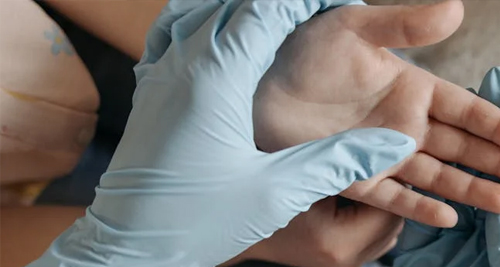
Medical professional examining a patient’s hand with a blue glove

Treatment of a Broken Finger

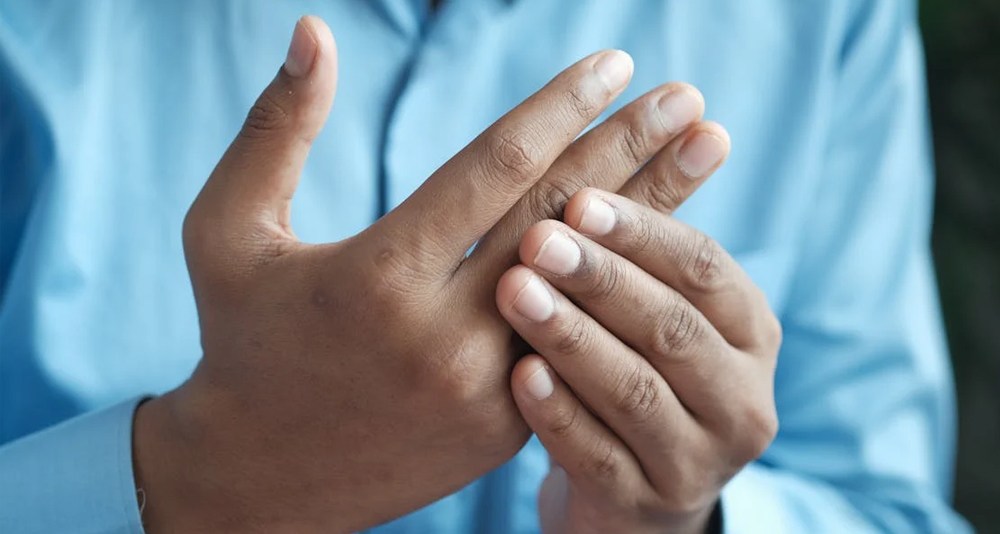
Treatment of a Broken Finger Treatment of a Broken Finger depends on the type of fracture, whether it is stable or displaced, and the patient’s functional needs. The main goal of treatment of a broken finger is to ensure the bone heals correctly while maintaining full range of motion, grip strength, and joint stability. For minor, non-displaced fractures, treatment often involves immobilising the finger with a splint or using the “buddy taping” technique — where the injured finger is taped to a neighbouring finger for support. This helps maintain alignment and prevents further damage during healing. Fractures that are slightly misaligned may require a closed reduction. This is a non-surgical procedure where the doctor gently manipulates the bone back into place, usually under local anaesthesia. A splint is then applied, and follow-up X-rays are done to ensure the bone stays aligned. In more severe cases — such as displaced fractures, comminuted fractures, or those involving joint surfaces — surgery may be necessary. Surgeons may use pins, wires, screws, or mini plates to stabilise the bone internally. These are typically left in place until the fracture has fully healed, although some may be removed later. Treatment of a Broken Finger Open fractures, where the bone pierces the skin, require urgent surgical cleaning and fixation to reduce infection risk. Antibiotics are often prescribed alongside wound care. Children with broken fingers typically respond well to conservative treatment, and their bones heal quickly due to growth potential. Adults and elderly patients may take longer, particularly if arthritis or osteoporosis is present. Pain is managed with over-the-counter medication such as paracetamol or ibuprofen. Elevating the hand and applying ice can also help reduce swelling and discomfort in the first few days. Once the bone begins to heal, physiotherapy or occupational therapy may be recommended. Exercises focus on finger mobility, strength, and function, helping to avoid stiffness or long-term limitations. With appropriate treatment of a broken finger, most patients regain full use of the hand within 3 to 8 weeks. Compliance with aftercare instructions is critical to successful recovery. [Next: Complications and Recovery from a Broken Finger →]
Treatment of a Broken Finger Read More »

Man holding his injured finger in pain while wearing a blue shirt

Complications and Recovery from a Broken Finger

Complications and Recovery from a Broken Finger Complications and Recovery from a Broken Finger vary depending on the severity of the injury, the quality of treatment, and whether rehabilitation is followed correctly. The most common complications and recovery from a broken finger issues include stiffness, joint deformity, loss of movement, and long-term pain. Joint stiffness is the most frequent complication. Immobilisation is necessary for healing, but keeping the finger immobile for too long can lead to limited range of motion. Rehabilitation exercises help prevent this, but if they’re started too late or skipped, stiffness can persist for months. Malunion — when the bone heals in the wrong position — can result in crooked fingers or reduced function. While mild deformity may not always cause problems, more serious malalignment can interfere with gripping or typing. In some cases, corrective surgery is needed. Nonunion, where the bone fails to heal, is rare but serious. This typically occurs due to inadequate stabilisation, poor blood supply, or infection. It usually requires surgical intervention and can significantly delay recovery. Other possible complications include chronic pain, cold sensitivity, tendon adhesions, and arthritis, especially if the fracture involved a joint surface. These issues may affect long-term hand function, particularly in those whose jobs require manual dexterity. Nerve damage is a concern in open fractures or crush injuries. If nerves are affected, symptoms like numbness, tingling, or weakness may persist even after the bone has healed. Complications and Recovery from a Broken Finger Psychological frustration can also arise, especially if the dominant hand is injured. Simple daily tasks like writing, eating, or using a phone become more difficult, and patients may struggle with independence during the healing phase. Recovery from a broken finger generally takes 3 to 8 weeks for the bone to heal and an additional few weeks to regain full strength and function. The speed of recovery depends on the type of fracture, the person’s age and health, and how well rehabilitation is managed. Managing complications and recovery from a broken finger requires commitment to the treatment plan, follow-up care, and timely intervention if any setbacks occur. With proper management, most people make a full recovery and return to normal hand use without limitations. Back to Overview

Complications and Recovery from a Broken Finger Read More »

Broken Collarbone

Broken Collarbone

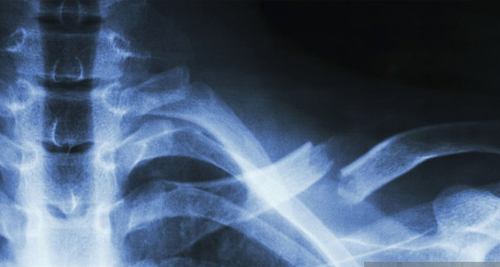
Broken Collarbone – Overview A broken collarbone is a fracture of the clavicle. The long bone that runs horizontally between the breastbone and shoulder blade. A broken collarbone often occurs due to a fall directly onto the shoulder. An outstretched hand, or a collision during sport or an accident. It’s a common injury across all age groups, especially in children, cyclists, and contact sport athletes. The clavicle plays a critical role in shoulder function, connecting the arm to the torso and supporting movement. When it breaks, symptoms are typically immediate and include pain, swelling, and difficulty lifting the arm. The break may be visible as a bump or deformity on the shoulder. Most collarbone fractures occur in the middle of the bone, though some may affect the ends near the shoulder or sternum. This injury is typically diagnosed through physical examination and confirmed with an X-ray. In more complex cases, a CT scan may be used to assess bone displacement or fragment involvement. Treatment usually involves immobilisation with a sling or brace. However, some cases may require surgical intervention if the bone is significantly displaced. Broken Collarbone A broken collarbone usually heals well with conservative treatment, especially in children and healthy adults. However, severe fractures, especially those with multiple fragments or poor alignment, may take longer to recover and benefit from surgery. Physiotherapy is important in the later stages to regain full shoulder function and strength. Prompt treatment and proper follow-up care help reduce the risk of complications like chronic pain, stiffness, or limited range of motion. With the right approach, most patients make a full recovery and return to their usual activities. [Next: Causes of a Broken Collarbone →]

Broken Collarbone Read More »

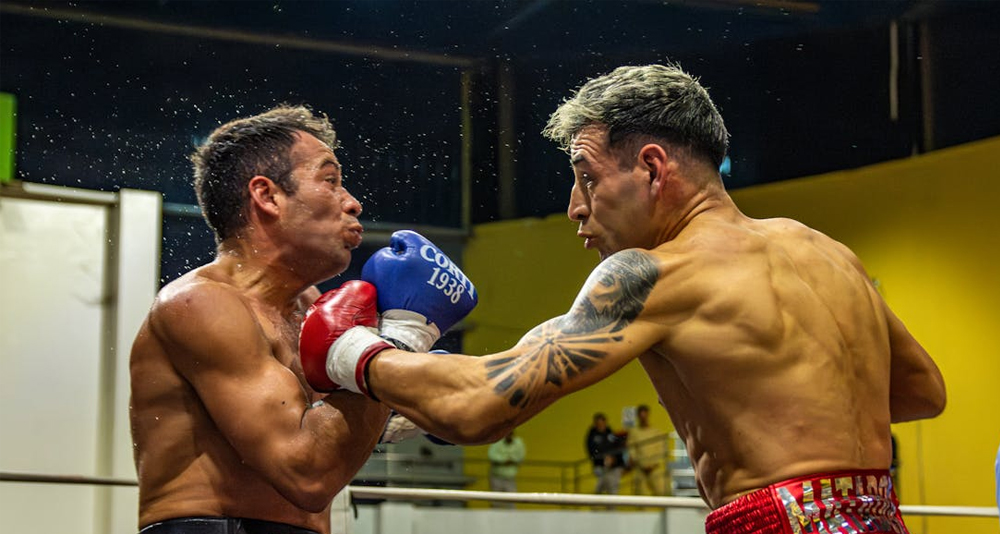
oxer receiving a strong punch to the shoulder during a match

Causes of a Broken Collarbone

Causes of a Broken Collarbone Causes of a Broken Collarbone usually involve a fall or impact strong enough to transmit force through the shoulder. The most common causes of a broken collarbone include falling onto an outstretched hand or shoulder, direct trauma during sports, and motor vehicle accidents. These mechanisms often affect active individuals, but they can happen to anyone, especially the elderly or children. Falling is the leading cause, particularly in children and young adults. A trip, slip, or tumble where the shoulder takes the brunt of the fall puts significant pressure on the collarbone. This is especially common during playground accidents, hiking, cycling, or even during everyday walking incidents on uneven surfaces. Contact sports like rugby, football, and hockey are also frequent contributors. Athletes who fall hard or collide with other players may land on their shoulder or be hit directly on the clavicle, causing it to snap or crack under the pressure. Combat sports and martial arts carry similar risks, particularly in falls or takedowns. Road accidents are another key factor. Motorbike riders, cyclists, and even car passengers can experience shoulder trauma during a collision, often resulting in a fractured clavicle. In some cases, seatbelt pressure during a crash can contribute to or worsen the injury. Causes of a Broken Collarbone Newborns may suffer a broken collarbone during birth, especially if the delivery is complicated or requires assisted extraction. Though usually mild, these injuries still require monitoring and proper care. Bone health also matters. Individuals with weakened bones due to osteoporosis or underlying medical conditions may suffer fractures from low-impact events that wouldn’t harm a healthy person. Repetitive strain injuries, though less common, can contribute to stress fractures in the clavicle, especially in athletes or labourers who repeatedly lift heavy objects. Understanding the causes of a broken collarbone helps reduce the risk of future injury. Wearing protective gear, improving posture and balance, and building upper-body strength can all contribute to injury prevention, especially in high-risk sports or workplaces. [Next: Symptoms of a Broken Collarbone →]

Causes of a Broken Collarbone Read More »

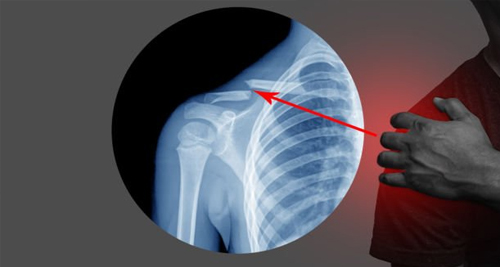
X-ray of a broken collarbone with red arrow highlighting the fracture area

Symptoms of a Broken Collarbone

Symptoms of a Broken Collarbone Symptoms of a Broken Collarbone often develop instantly after trauma and are usually severe enough to restrict normal arm movement. The most common symptoms of a broken collarbone include sharp shoulder pain, swelling, bruising, a noticeable bump, and an inability to lift the arm. These signs typically appear immediately following the injury and can be very distressing. Pain is the most immediate symptom. It usually begins at the time of the fall or impact and worsens when trying to move the arm, lift objects, or lie on the injured side. The pain may radiate toward the neck or shoulder blade and may worsen with breathing or coughing. Swelling and bruising appear quickly at the site of the break. These may spread across the upper chest and shoulder area within hours. The affected area often feels warm and sensitive to the touch. Deformity is another clear sign. In many cases, a lump or visible bump appears along the clavicle where the bone has broken and shifted. If the fracture is displaced, the shoulder may also droop or appear shortened compared to the uninjured side. Restricted movement is a hallmark symptom. Patients with a broken collarbone often support their arm with the opposite hand or cradle it close to the body. Attempting to lift the arm or rotate the shoulder usually causes sharp pain. Symptoms of a Broken Collarbone Grinding or crackling sensations may also be felt when moving the shoulder. This is due to the broken bone ends rubbing against each other and is a strong indicator that the clavicle has fractured. In severe or open fractures, the bone may press against or break through the skin. These cases are medical emergencies and carry a higher risk of infection and vascular or nerve damage. Children may present differently, often refusing to use the arm or expressing discomfort through crying or fussiness. A change in shoulder position, mood, or sleep habits may be a clue for parents. Recognising the symptoms of a broken collarbone early helps ensure proper diagnosis and care. If you suspect a clavicle fracture, immobilise the arm and seek medical attention immediately. [Next: Diagnosis of a Broken Collarbone →]

Symptoms of a Broken Collarbone Read More »

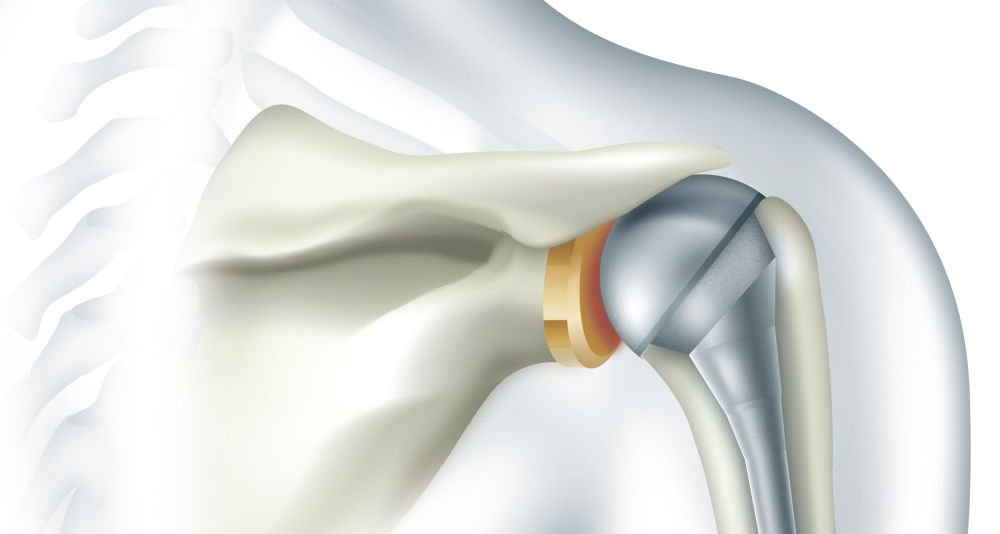
Medical illustration showing the anatomy of a shoulder joint and clavicle for fracture diagnosis

Diagnosis of a Broken Collarbone

Diagnosis of a Broken Collarbone Diagnosis of a Broken Collarbone is typically straightforward and based on clinical signs and imaging tests. Accurate diagnosis of a broken collarbone ensures proper treatment. Furthermore, reduces the chance of complications like malunion, nerve damage, or long-term shoulder dysfunction. The diagnostic process begins with a physical exam. A healthcare professional will ask how the injury occurred and assess the shoulder. For swelling, bruising, deformity, and tenderness along the collarbone. They may gently palpate the area to locate the break and test the range of motion. Even when movement is usually limited due to pain. In most cases, an X-ray is sufficient to confirm the fracture. It helps determine whether the break is simple, displaced, or comminuted (broken into multiple pieces). X-rays also reveal whether the fracture is located in the middle, outer, or inner third of the clavicle — which affects treatment decisions. For complex or suspected joint-related injuries, a CT scan may be ordered to provide a more detailed view. This is especially useful when surgical repair is being considered. MRI scans are rarely needed for clavicle fractures unless there’s concern about soft tissue, ligament, or nerve damage. Diagnosis of a Broken Collarbone Neurovascular assessment is also part of the diagnostic protocol. The doctor will check for sensation and circulation in the arm and fingers to ensure no nerves or blood vessels have been compromised by the broken bone. In children and adolescents, special care is taken due to the presence of growth plates. X-rays help differentiate between fractures and normal developmental anatomy, and treatment is tailored to allow continued healthy bone development. In South Africa, access to imaging varies depending on the healthcare facility. While private clinics offer rapid diagnostics, some public hospitals may experience delays. Regardless, any suspected clavicle fracture should be stabilised with a sling and examined as soon as possible. A quick and accurate diagnosis of a broken collarbone allows doctors to make informed decisions about surgery, casting, or physiotherapy, significantly improving the chances of full recovery. [Next: Treatment of a Broken Collarbone →]

Diagnosis of a Broken Collarbone Read More »

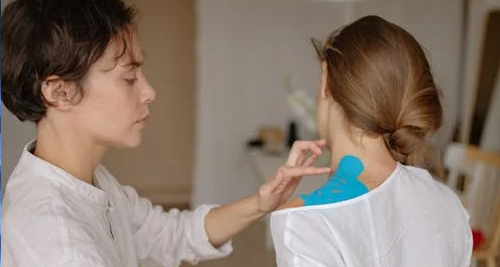
Physiotherapist applying kinesiology tape to a woman's shoulder for collarbone treatment

Treatment of a Broken Collarbone

Treatment of a Broken Collarbone Treatment of a Broken Collarbone depends on the location and severity of the fracture, as well as the patient’s age, activity level, and general health. The goal of treatment of a broken collarbone is to relieve pain, stabilise the fracture, and restore full shoulder function with minimal long-term effects. Most clavicle fractures are treated non-surgically. If the bones are well-aligned and the skin is intact, a simple arm sling or figure-of-eight brace is used to immobilise the area. This allows the bone to heal naturally over a period of six to eight weeks. Pain is managed with paracetamol or anti-inflammatory medications, and patients are advised to rest the affected arm. Displaced or comminuted fractures may require surgery. Surgical treatment involves repositioning the bones and securing them using plates, screws, or rods. This ensures stability, especially in active individuals or when the break interferes with normal shoulder alignment. Treatment of a Broken Collarbone Open fractures or those with neurovascular involvement are always managed surgically due to the higher risk of complications. Surgery also has a faster recovery time in some cases, particularly for athletes or those needing a quicker return to physical work. Children usually recover well without surgery. Their bones remodel as they grow, so even slightly displaced fractures often heal perfectly with immobilisation alone. Teenagers and adults, especially those with demanding physical routines, may benefit more from surgical precision. After immobilisation or surgery, physiotherapy plays a vital role. A structured programme of stretching, strengthening, and mobility exercises helps restore full shoulder function and prevent stiffness or frozen shoulder. In South Africa, public hospitals treat most clavicle fractures conservatively unless surgery is clearly indicated. In private care, patients may have faster access to surgical options if required. With correct treatment of a broken collarbone, most people recover fully within two to three months. Complications are rare but may include infection, hardware irritation, or poor bone healing if post-operative care is not followed correctly. [Next: Complications and Recovery from a Broken Collarbone →]

Treatment of a Broken Collarbone Read More »

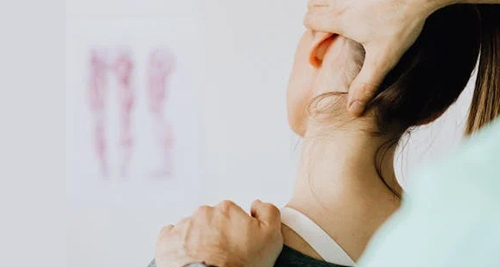
Healthcare provider examining a patient's neck and shoulder for collarbone injur

Complications and Recovery from a Broken Collarbone

Complications and Recovery from a Broken Collarbone Complications and Recovery from a Broken Collarbone depend on the severity of the fracture, the treatment provided, and how well the patient follows rehabilitation. The most common complications and recovery from a broken collarbone issues include stiffness, malunion, nerve damage, and incomplete return to full shoulder strength. Malunion occurs when the bone heals in a slightly off position. While this may not always affect function, in some cases it leads to visible deformity, shoulder weakness, or discomfort during activity. Severe malunions may require corrective surgery. Nonunion — when the bone fails to heal at all — is less common but more serious. It may cause ongoing pain and reduced movement. This condition often requires surgical repair using bone grafts or internal fixation. Stiffness and loss of mobility can happen if the shoulder is immobilised for too long or if rehabilitation is neglected. Frozen shoulder is a potential complication that can take months to resolve. Early, gentle exercises under professional supervision are crucial for preventing this. Complications and Recovery from a Broken Collarbone Nerve or blood vessel damage may result from displaced bone fragments or during surgery. Symptoms include numbness, tingling, weakness, or a cold, pale arm. While rare, these complications need urgent attention to avoid permanent damage. Infections are possible after open surgery, especially if wound care is poor or the immune system is compromised. Symptoms include redness, fever, pus, or persistent swelling at the incision site. The psychological effects of recovery should not be ignored. Loss of independence, disrupted sleep, and pain can affect mood, especially in those whose livelihoods rely on physical activity. Emotional support and realistic expectations help patients stay motivated during recovery. Healing time ranges from six to twelve weeks, depending on the individual. Children heal faster, while older adults may need more time. Strength and full range of motion may take several additional months to return. Proper management of complications and recovery from a broken collarbone involves timely diagnosis, appropriate treatment, and consistent follow-up care. With patience and guidance, most people regain full use of their shoulder and return to their normal routines. Back to Overview

Complications and Recovery from a Broken Collarbone Read More »

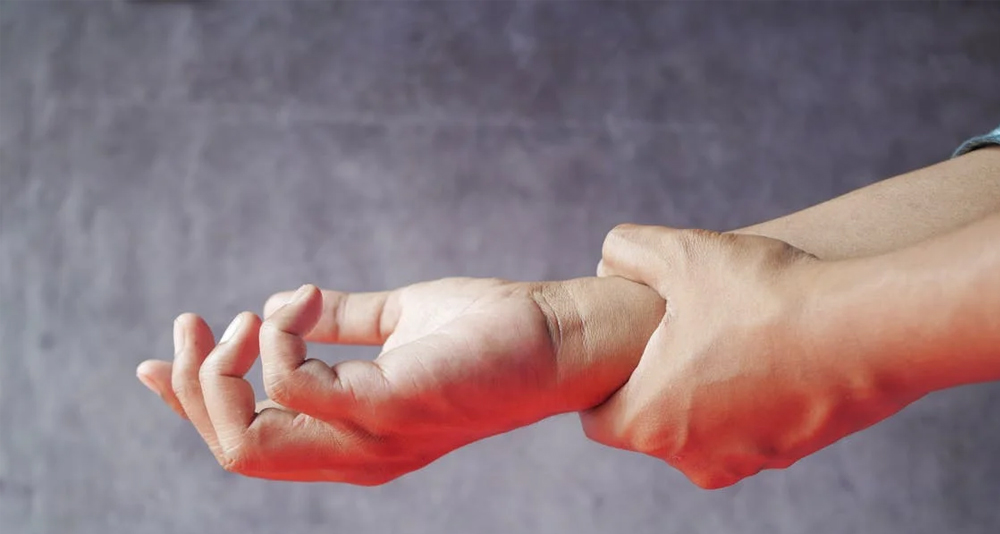
Person holding their injured wrist in pain

Broken Wrist

Broken Wrist – Overview A broken wrist is a fracture in one or more of the bones that make up the wrist joint, typically the radius, ulna, or carpal bones. A broken wrist most commonly occurs when a person falls onto an outstretched hand, though it can also result from direct trauma, sports injuries, or accidents. In South Africa, wrist fractures are especially common among children, active adults, and the elderly. The wrist includes eight small carpal bones and two long forearm bones. While a fracture can affect any of them, the distal radius—on the thumb side—is the most commonly injured. 4o. Breaks can be simple cracks, displaced fractures where bones shift out of alignment, or comminuted fractures where the bone shatters into multiple pieces. Open fractures, where the bone pierces the skin, are serious and require urgent surgery. Symptoms of a broken wrist include sudden pain, swelling, bruising, tenderness, and difficulty moving the hand or wrist. In many cases, the wrist appears deformed or bent at an unnatural angle. A popping sound at the time of injury is also commonly reported. Some people mistake the injury for a sprain, especially if pain is tolerable, but continuing to use the hand can worsen the fracture and delay healing. Broken Wrist Doctors typically diagnose wrist fractures through physical examination and X-rays. In complex or unclear cases, doctors may use CT or MRI scans to assess damage to small bones or ligaments. Treatment depends on the type of fracture and may involve a splint, cast, or surgery. Surgical repair is often necessary if the bones are unstable or misaligned. Recovering from a broken wrist can take anywhere from six to twelve weeks or more. Physiotherapy is often essential to restore mobility, strength, and fine motor skills. Without proper rehabilitation, long-term issues like stiffness, nerve pain, or arthritis can occur. [Next: Causes of a Broken Wrist →]

Broken Wrist Read More »

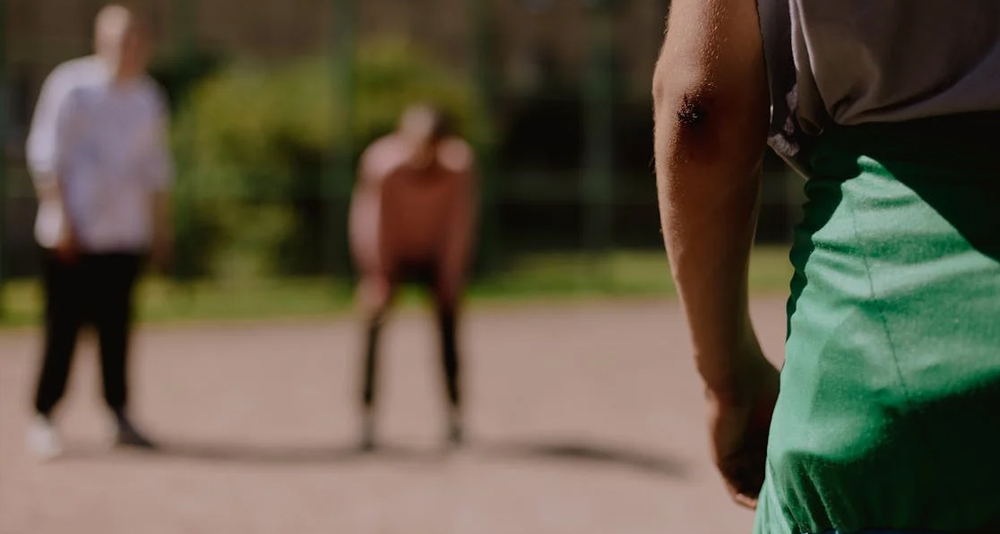
Person with elbow injury standing on a sports court

Causes of a Broken Wrist

Causes of a Broken Wrist Causes of a Broken Wrist usually involve trauma or impact that forces the wrist beyond its natural range of motion. The most common causes of a broken wrist include falling onto an outstretched hand, direct blows during accidents or sports, and repetitive stress injuries. These causes vary by age group, lifestyle, and overall bone health. Falling is the leading cause of wrist fractures. Whether it’s slipping on a wet floor, tripping on stairs, or losing balance during sport, people instinctively use their hands to break a fall. This action places enormous pressure on the wrist bones, particularly the distal radius. Elderly individuals with reduced bone density are at high risk, even from low-impact falls. Sports injuries are another common cause. High-impact or contact sports like rugby, hockey, skateboarding, and snowboarding increase the chance of falling or receiving a direct hit to the wrist. Inadequate protective gear or lack of wrist support increases this risk further. Road traffic accidents also contribute significantly. Drivers, cyclists, and pedestrians involved in collisions may land on their hands or have their wrists compressed or twisted by impact. These fractures are often more complex and may involve multiple bones or joints, requiring surgery. Causes of a Broken Wrist In some cases, a broken wrist results from repetitive stress. Gymnasts, construction workers, and manual labourers who perform repeated wrist movements are prone to stress fractures. These small cracks can worsen over time if the area is not rested or treated properly. Certain medical conditions also make wrist fractures more likely. Osteoporosis, bone cancer, and long-term corticosteroid use can weaken bones, meaning even a minor bump or fall may result in a break. People with these conditions should take extra precautions and seek medical help after any wrist injury, no matter how minor it seems. Understanding the causes of a broken wrist helps individuals make safer choices. Whether by improving balance, using proper sports gear, or strengthening bone health through nutrition and exercise, many wrist fractures can be prevented. [Next: Symptoms of a Broken Wrist →]

Causes of a Broken Wrist Read More »

Scroll to Top