Mental Matters

Author name: admin

Woman holding wrist in pain due to possible fracture

Symptoms of a Broken Wrist

Symptoms of a Broken Wrist Symptoms of a Broken Wrist are typically immediate and can vary in severity depending on the nature of the fracture. The most recognisable symptoms of a broken wrist include sudden pain, swelling, bruising, and an inability to use or move the wrist properly. These symptoms often lead individuals to seek emergency care — and for good reason. Pain is usually intense and localised at the point of the break. It tends to worsen with movement or when pressure is applied. Many patients report a sharp or throbbing sensation and may be unable to grip or lift objects. In some cases, the pain radiates up the arm or down into the fingers. Swelling follows soon after injury and may spread across the entire wrist and hand. The area may feel warm or tender to the touch. In addition to swelling, bruising is common — often appearing deep purple, blue, or red — and may take several days to fade. Deformity is another strong indicator of a broken wrist. The hand may appear twisted or bent at an odd angle. When a bone has shifted out of position, this is known as a displaced fracture and may be visibly obvious. In open fractures, bone fragments can pierce the skin, creating a risk of infection. Symptoms of a Broken Wrist Limited movement or complete loss of motion is a key sign. The patient may find it impossible to rotate the wrist, make a fist, or bear any weight on the hand. Even gentle movements may trigger sharp pain, forcing them to immobilise the hand instinctively. Other possible symptoms include numbness, tingling, or cold fingers. These signs may indicate nerve or blood vessel involvement, which can lead to long-term complications if not addressed quickly. If the hand becomes pale, cold, or loses sensation, it should be treated as a medical emergency. Children and elderly patients may not always communicate symptoms clearly. Refusal to use the hand, unexplained crying in children, or favouring one side are all signs that something may be wrong. Recognising the symptoms of a broken wrist early allows for fast medical evaluation and proper treatment, reducing the chance of permanent damage. [Next: Diagnosis of a Broken Wrist →]

Symptoms of a Broken Wrist Read More »

X-ray image showing two human wrists used for diagnosing fractures

Diagnosis of a Broken Wrist

Diagnosis of a Broken Wrist Diagnosis of a Broken Wrist is essential to confirm the type and extent of injury and guide the best course of treatment. The process of diagnosis of a broken wrist involves physical examination, imaging tests, and occasionally advanced scans when standard methods are inconclusive or the fracture is complex. The first step is a clinical assessment. A healthcare provider will ask how the injury occurred, what symptoms were experienced, and whether the patient heard a snap or crack at the time of trauma. They will inspect the wrist for tenderness, deformity, and swelling, and assess the range of motion and grip strength. If a fracture is suspected, an X-ray is the most common diagnostic tool. It reveals whether the break is displaced, stable, or involves multiple fragments. X-rays also show which bone or bones are affected — most commonly the distal radius. However, potentially also the ulna or one of the eight carpal bones. In more complex cases, a CT (computed tomography) scan may be used to obtain a clearer, three-dimensional view. This is especially useful if surgery is being planned or if small bone fragments need to be evaluated in detail. For patients with suspected ligament or tendon involvement. An MRI (magnetic resonance imaging) scan may be ordered to assess soft tissue damage. Sometimes, small stress fractures — especially in athletes or people with repetitive strain — may not show up on initial X-rays. In these cases, follow-up imaging or bone scans may be required if symptoms persist. Diagnosis of a Broken Wrist Neurovascular checks are also part of the diagnostic process. These tests determine whether nerves or blood vessels have been compromised, especially in severe or open fractures. A cold, numb, or pulseless hand requires immediate medical attention. In South Africa, patients with access to private care typically receive quicker X-rays and specialist consultations. Those in public healthcare settings may experience delays depending on location and available resources. However, all suspected fractures should be evaluated promptly. A fast and accurate diagnosis of a broken wrist ensures the best outcome. It helps clinicians determine whether conservative treatment is sufficient or whether surgical repair is needed to restore function. [Next: Treatment of a Broken Wrist →]

Diagnosis of a Broken Wrist Read More »

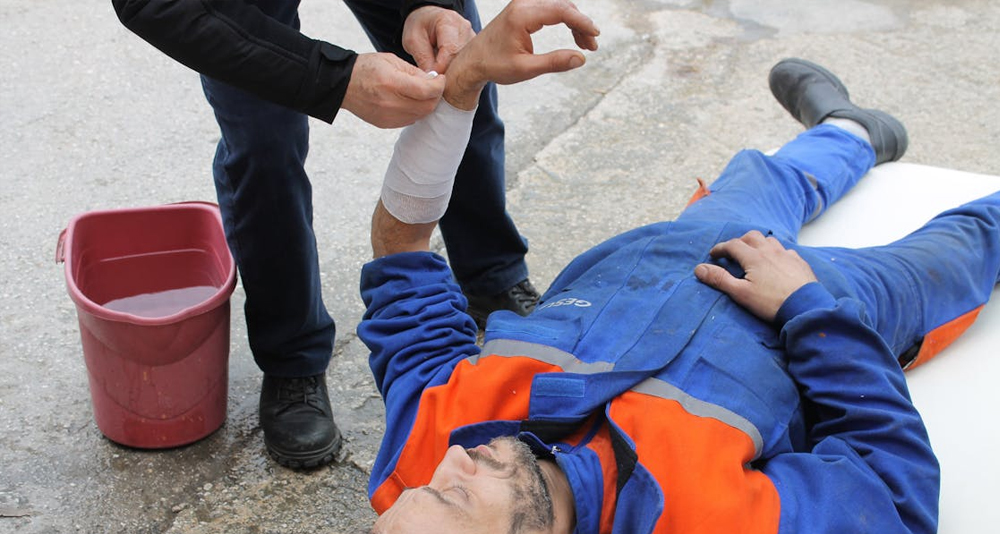
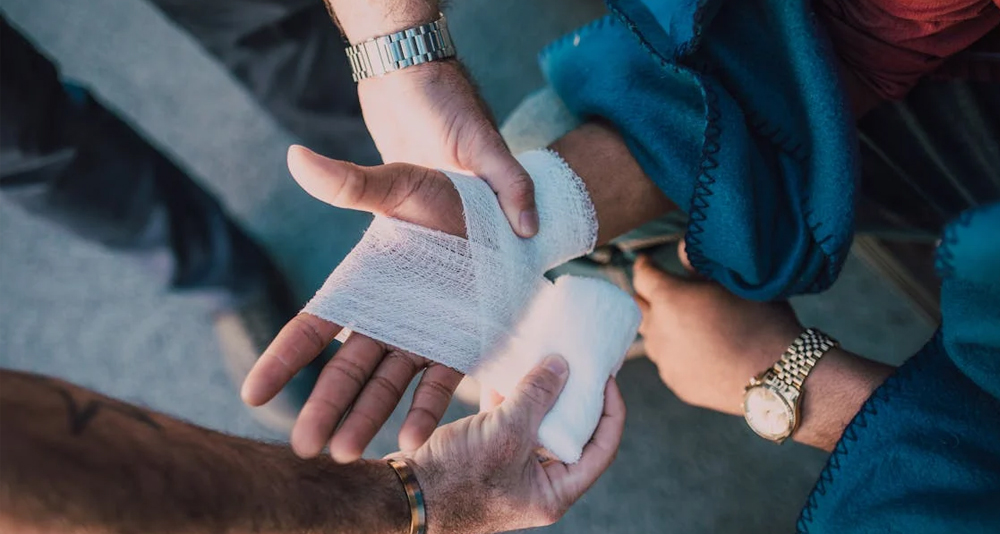
Medical professional wrapping a bandage around a patient's broken wrist

Treatment of a Broken Wrist

Treatment of a Broken Wrist Treatment of a Broken Wrist depends on the type of fracture, the patient’s age and activity level, and whether the bones are stable or displaced. The primary goal of treatment of a broken wrist is to realign the bones, immobilise the area, and promote healing while minimising the risk of stiffness or long-term complications. For non-displaced or stable fractures, the most common treatment is immobilisation using a plaster cast or fibreglass splint. These devices hold the bones in place while they heal, typically over a period of four to six weeks. Patients are advised to keep the wrist elevated and use ice to manage swelling and pain. When bones are misaligned, a doctor may perform a closed reduction — manually repositioning the bones under local or general anaesthesia — before applying a cast. Follow-up X-rays are taken to ensure that alignment is maintained throughout healing. Surgical treatment becomes necessary if the fracture is unstable, involves joint surfaces, or if bones cannot be aligned properly without hardware. Surgery typically involves inserting metal plates, pins, or screws to stabilise the fracture internally. In open fractures, surgery also involves cleaning the wound to prevent infection. In children, wrist bones heal quickly and often remodel over time, so casting is usually sufficient. Adults and elderly patients may need longer immobilisation, and surgery is more common due to bone fragility or joint involvement. Treatment of a Broken Wrist Once the initial healing phase ends, physiotherapy begins. A professional will guide the patient through exercises to restore range of motion, grip strength, and flexibility. Adherence to rehab is essential for regaining full wrist function. Access to timely treatment of a broken wrist varies in South Africa. While private healthcare typically ensures rapid intervention, public hospital patients may face longer wait times, especially for non-emergency surgeries. Regardless of the setting, early treatment significantly improves outcomes. Delays or improper healing can result in permanent pain, stiffness, or decreased hand function. [Next: Complications and Recovery from a Broken Wrist →]

Treatment of a Broken Wrist Read More »

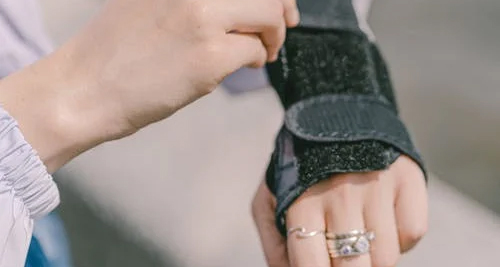
Person adjusting wrist brace after a broken wrist injury

Complications and Recovery from a Broken Wrist

Complications and Recovery from a Broken Wrist Complications and Recovery from a Broken Wrist depend on the severity of the injury, the quality of treatment, and the patient’s adherence to rehabilitation. While most people heal well, the most common complications and recovery from a broken wrist issues involve stiffness, pain, nerve damage, arthritis, and prolonged loss of function. Joint stiffness is by far the most frequent complication. Immobilisation, while essential for healing, often leads to reduced flexibility and motion in the wrist and fingers. This is particularly true for older adults and people who delay physiotherapy. Regular exercises under professional supervision can greatly improve recovery. Pain and swelling may persist for weeks or even months after the cast is removed. In some cases, chronic pain develops if healing is incomplete or if the bones remain slightly misaligned. This can affect hand strength and limit everyday tasks. Malunion (bones healing in the wrong position) or nonunion (failure of the bones to heal) are more serious complications. These may require corrective surgery and significantly extend recovery time. Malunion may result in visible deformity or altered wrist function. Nerve or vascular damage is possible in high-impact or open fractures. Symptoms like numbness, tingling, cold fingers, or colour changes in the skin should be monitored closely. In rare cases, permanent nerve damage can affect grip strength or dexterity. Complications and Recovery from a Broken Wrist Post-traumatic arthritis can develop months or years after the injury, particularly if the joint surface was involved in the fracture. This may cause stiffness, aching, and reduced wrist mobility during cold weather or heavy use. Recovery time for a broken wrist varies. Children may heal in four to six weeks. Adults usually require six to twelve weeks, and those who undergo surgery may take longer. Full strength may take several additional months to return. Support during recovery — both physically and emotionally — is important. Pain, dependency, and limited use of the dominant hand can affect mood and independence. With guidance, encouragement, and persistence, most patients regain full use of their wrist. Managing complications and recovery from a broken wrist begins with early intervention and continues through every phase of rehabilitation. With proper care, long-term function and mobility are fully achievable. Back to Overview

Complications and Recovery from a Broken Wrist Read More »

Woman wearing kinesiology tape on a healing broken arm

Broken Arm

Broken Arm – Overview A broken arm is one of the most common bone injuries seen in both children and adults. This occurs when one or more of the three bones in the arm — the humerus (upper arm), radius, or ulna (forearm) — sustains a fracture due to trauma or stress. The injury may result from a fall, car accident, contact sports, or direct impact. In South Africa, this condition is especially prevalent in children, athletes, and older adults with weaker bones. Most people with a broken arm experience sudden and intense pain at the time of injury. The arm may swell, bruise, or appear deformed. In some cases, the bone can break through the skin, which is known as an open or compound fracture and requires immediate emergency care. Accurate diagnosis and proper treatment are essential to ensure that the bone heals correctly and to prevent complications like stiffness, malunion, or nerve damage. This is typically diagnosed using a physical examination and imaging tests, most commonly X-rays. Treatment depends on the type and location of the fracture and may include a cast or splint, pain management, and in more serious cases, surgery with internal fixation. After initial healing, physiotherapy is often necessary to restore strength and movement. Broken Arm Recovery times vary depending on the patient’s age, overall health, and the severity of the injury. Children may recover in four to six weeks, while adults may need several months. In rural parts of South Africa, limited access to orthopaedic specialists may cause delays in treatment, but urban centres generally offer adequate care through both public and private healthcare systems. Early medical attention is vital. Anyone who suspects a broken arm should seek prompt evaluation to avoid long-term problems. With correct management, most people regain full use of the arm and return to normal activity without lasting effects. [Next: Causes of a Broken Arm →]

Broken Arm Read More »

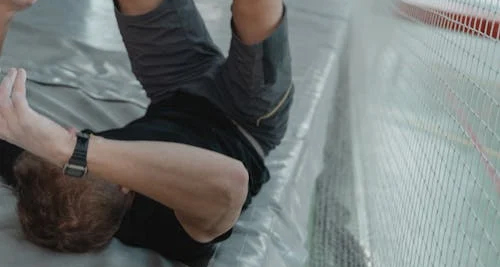
Man holding arm in pain, indicating symptoms of a broken arm

Causes of a Broken Arm

Causes of a Broken Arm Causes of a Broken Arm generally involve direct trauma or forceful impact that places excessive stress on the bone. The most common causes of a broken arm include falls, motor vehicle accidents, sports injuries, and physical blows. These incidents apply enough pressure to fracture the bone and can affect people of all ages depending on activity, health, and bone condition. Falls are the leading cause, particularly in children and older adults. A fall from standing height onto an outstretched hand often results in fractures of the forearm or wrist. In playgrounds, stairs, and bathrooms — all high-risk areas — poor footing or slippery surfaces often lead to these types of injuries. Elderly individuals with osteoporosis are especially vulnerable, as their bones are more brittle and prone to breaking even with minimal trauma. Motor vehicle accidents are another major source of arm fractures. High-speed collisions involving pedestrians, cyclists, or passengers frequently cause complex breaks. These may involve multiple bones or joint surfaces and can be accompanied by injuries to muscles, ligaments, or nerves, requiring urgent orthopaedic intervention. Sports injuries are common among school-aged children, teenagers, and athletes. High-impact and contact sports like rugby, football, hockey, and even skateboarding often lead to falls and hard landings that result in broken arms. Inadequate protective gear and poor technique raise the risk significantly. Direct trauma from heavy objects or violent incidents can also lead to fractures. Work-related accidents in sectors such as construction or agriculture are typical sources of such injuries, especially when machinery or heavy equipment is involved. Causes of a Broken Arm Bone health also plays a role. People with underlying conditions such as osteoporosis, bone tumours, or metabolic disorders may suffer fractures from mild force. Repetitive stress from manual labour or intense athletic training can cause stress fractures that develop into full breaks if left untreated. Understanding the causes of a broken arm helps determine the appropriate treatment plan and reduces the risk of reinjury. Taking steps to prevent falls, using proper safety equipment, and maintaining strong bone health can go a long way in lowering fracture risk. [Next: Symptoms of a Broken Arm →]

Causes of a Broken Arm Read More »

Man holding arm in pain, indicating symptoms of a broken arm

Symptoms of a Broken Arm

Symptoms of a Broken Arm Symptoms of a Broken Arm typically occur immediately after the injury, and they are often unmistakable. The most common symptoms of a broken arm include severe pain, swelling, bruising, visible deformity, and difficulty moving the arm. Recognising these signs early helps ensure timely medical intervention and reduces the risk of complications. Pain is usually the first and most intense symptom. It may be localised or radiate down toward the hand, and it often worsens with movement or pressure. Many people instinctively hold their injured arm against their body or avoid using it entirely. Swelling and bruising develop rapidly and may spread across the arm. The area might feel warm to the touch and look discoloured — often red, purple, or blue. This is the body’s inflammatory response to tissue damage, and it’s a clear sign that immediate care is needed. Deformity is another obvious indicator. The arm may appear misshapen, bent at an odd angle, or shorter than usual. If the bone has pierced the skin, you’re dealing with a compound fracture that requires emergency care due to the risk of infection and severe bleeding. Symptoms of a Broken Arm Limited movement or total inability to use the arm is common. Simple actions like raising a hand, turning a doorknob, or holding an object can be impossible due to the intense pain and mechanical dysfunction caused by the fracture. Some patients may experience numbness, tingling, or weakness in the fingers or hand. These symptoms suggest that nerves or blood vessels near the fracture may be compromised, which is a medical emergency. Coolness or a lack of pulse in the hand may also be a warning sign. In children, symptoms might present more subtly. They may simply refuse to use the arm, cry when it’s touched, or become irritable. Because they may not fully explain what happened, observing their behaviour is important in detecting injury. The earlier the symptoms of a broken arm are identified, the better the chances of full recovery. Ignoring these signs can lead to improper healing, long-term deformity, or chronic pain, so early diagnosis is critical. [Next: Diagnosis of a Broken Arm →]

Symptoms of a Broken Arm Read More »

Diagnosis of a Broken Arm

Diagnosis of a Broken Arm

Diagnosis of a Broken Arm Diagnosis of a Broken Arm begins with a detailed history and physical examination, followed by imaging to confirm the fracture. Accurate diagnosis of a broken arm is essential to decide the correct treatment plan, prevent complications, and estimate the recovery timeline. During the initial evaluation, the healthcare provider will ask how the injury occurred, what the patient felt at the time, and whether there were any sounds like a crack or snap. They will inspect the arm for swelling, bruising, misalignment, or wounds. Gentle palpation helps identify points of tenderness, while movement tests check for stability and joint involvement. If nerve or blood vessel damage is suspected, circulation will be assessed by checking the pulse and observing skin colour and temperature. The doctor may also perform neurological checks to evaluate sensation and muscle strength in the hand and fingers. X-rays are the most commonly used imaging method for fractures. They can reveal the exact location and type of break — whether it’s a clean break, a displaced fracture, a spiral fracture, or a comminuted fracture (where the bone is in multiple pieces). X-rays also help monitor healing progress during follow-up visits. Diagnosis of a Broken Arm In complex or unclear cases, advanced imaging like a CT scan or MRI may be required. These are particularly useful if the fracture involves a joint or is associated with soft tissue injuries. Children may receive a different type of scan to reduce radiation exposure if necessary. In rural areas of South Africa, delays in accessing X-ray facilities can slow diagnosis, especially in overburdened public hospitals. Those with private healthcare may receive faster service and immediate referral to an orthopaedic specialist. An accurate diagnosis of a broken arm is the cornerstone of effective treatment. It determines whether non-surgical management is sufficient or if surgical intervention is required. Without clear imaging and clinical evaluation, the risk of complications like malunion or impaired mobility increases significantly. [Next: Treatment of a Broken Arm →]

Diagnosis of a Broken Arm Read More »

Treatment of a Broken Arm

Treatment of a Broken Arm

Treatment of a Broken Arm Treatment of a Broken Arm focuses on stabilising the fracture, relieving pain, and supporting full recovery of function. The right treatment of a broken arm depends on the type of fracture, its location, and the patient’s age and general health. Whether surgical or non-surgical, early treatment reduces the risk of complications and ensures better outcomes. Most simple fractures are treated using immobilisation. A splint or plaster cast holds the bones in position while they heal. This method is commonly used for stable, non-displaced fractures and is usually accompanied by pain management using paracetamol or non-steroidal anti-inflammatories like ibuprofen. For displaced fractures, the doctor may perform a “reduction,” which involves realigning the bones under local or general anaesthesia. This is followed by casting to keep the bone in the correct position during the healing phase. Regular follow-up X-rays are necessary to confirm that the bone remains aligned. Surgical intervention is required when the fracture is severe, unstable, involves a joint, or when bone fragments need to be held in place. Surgeons may use metal plates, screws, or rods to secure the bones. This is common in open fractures or fractures involving multiple breaks. Treatment of a Broken Arm After the initial treatment, the patient may need to wear a sling to support the arm, especially when the fracture is near the shoulder. Rest is essential in the first weeks, and overuse can interfere with healing. However, movement should gradually be reintroduced to avoid stiffness. Physiotherapy plays a crucial role in the final stage of recovery. Gentle exercises restore range of motion, rebuild strength, and prevent long-term stiffness. Without it, the patient may experience lasting weakness or limited mobility, particularly in the wrist or elbow. Access to orthopaedic services in South Africa varies. Urban centres typically offer full treatment pathways through hospitals or private practices. In rural areas, patients may need to travel to referral hospitals for surgical care, which can delay recovery if not managed efficiently. With proper treatment of a broken arm, most people regain full function and return to their regular activities. Compliance with rehabilitation and follow-up appointments is key to long-term success. [Next: Complications and Recovery from a Broken Arm →]

Treatment of a Broken Arm Read More »

Complications and Recovery from a Broken Arm

Complications and Recovery from a Broken Arm

Complications and Recovery from a Broken Arm Complications and Recovery from a Broken Arm vary depending on the severity of the fracture and how early treatment begins. Most patients experience full recovery, but some may face ongoing challenges. Understanding the possible complications and recovery from a broken arm helps prepare for a smoother healing process. One common complication is malunion — where the bones heal in the wrong position. This can cause deformity, chronic pain, or limited movement, and may require corrective surgery. Nonunion, where the bone fails to heal at all, is rarer but equally serious. It’s often linked to poor circulation, infection, or inadequate immobilisation. Nerve or vascular damage is another potential issue. Fractures near the elbow or wrist may compress nearby nerves, leading to tingling, numbness, or muscle weakness. Loss of blood flow can cause tissue damage or necrosis. These situations need urgent medical care and possibly surgical correction. Joint stiffness and muscle atrophy are also common, especially if rehabilitation is delayed. This can be prevented by starting physiotherapy at the right time. Exercises must be gradual and supervised to avoid re-injury while restoring movement and strength. Infections can develop, particularly with open fractures or surgical wounds. Signs include fever, redness, pus, or worsening pain. Antibiotic treatment is usually effective if started early, but untreated infections may compromise healing. Complications and Recovery from a Broken Arm The psychological aspect should not be overlooked. Patients may feel frustration, anxiety, or even depression due to pain, dependency, or inability to work. Support from family and healthcare providers can help improve emotional recovery alongside physical healing. Most people can expect to return to full function with proper care. Children often heal faster — sometimes in as little as four weeks. Adults and older patients may need 8 to 12 weeks or longer, especially after surgery. Key to optimal complications and recovery from a broken arm is adherence to follow-up care, physiotherapy, and protecting the arm during healing. When these are in place, long-term outcomes are very positive. 👉 [End of Series | Back to Overview]

Complications and Recovery from a Broken Arm Read More »

Scroll to Top