Mental Matters

Author name: admin

Causes of Malnutrition

Causes of Malnutrition

Causes of Malnutrition Understanding the causes of malnutrition is critical to tackling one of the most pressing global health challenges of our time. The causes of malnutrition are diverse, interwoven, and influenced by social, economic, environmental, and medical factors. Whether the malnutrition shows as undernutrition or overnutrition, the root causes often go beyond the individual. They reflect larger system issues that need many types of solutions. Malnutrition does not occur in isolation. It usually develops from several combined factors. These include eating too little, poor nutrient absorption, higher nutritional needs, or eating too many unhealthy foods. These factors may act alone or together. Their impact changes based on age, gender, location, and overall health. 1. Inadequate Dietary Intake One of the most direct causes of malnutrition is not eating enough calories, protein, or essential vitamins and minerals. This often happens in low-income communities or during food shortages, conflict, or disasters. People may lack access to enough food, or the food they have may lack variety and nutrition. Diets that rely mainly on maize, rice, or cassava but lack fruits, vegetables, and protein often cause nutrient shortages. Cultural or religious rules may also limit certain foods. For example, vegetarian diets, if not carefully planned, may lack iron, vitamin B12, or zinc. This risk is high for children and pregnant women. Eating disorders like anorexia or bulimia also restrict food and lead to severe deficiencies. 2. Poor Absorption of Nutrients Sometimes people eat enough food but still do not absorb nutrients well. Chronic illnesses such as coeliac disease, Crohn’s disease, ulcerative colitis, and cystic fibrosis damage the gut. This makes nutrient absorption harder. Parasitic infections like hookworm or giardiasis also cause malnutrition in areas with poor sanitation. Frequent diarrhoea or vomiting can strip the body of fluids and nutrients. Older adults often face poor absorption due to lower stomach acid, digestion changes, or medication use. This reduces key nutrients like calcium, vitamin D, and magnesium. 3. Increased Nutritional Needs Certain stages of life raise the body’s demand for nutrients. Infants, children, teens, pregnant women, and breastfeeding mothers all need extra nutrition. If their needs are not met, undernutrition, stunting, or deficiencies occur. Illness also raises nutritional demand. Fighting infections, wounds, or fever needs more energy and nutrients. Diseases such as HIV/AIDS, tuberculosis, and cancer place heavy strain on the body. Without extra support, people may waste away or develop cachexia. In children, repeated respiratory and gut infections create a harmful cycle of illness and poor nutrition. 4. Overconsumption of Unhealthy Foods Overnutrition happens when people eat too many calories but too few nutrients. Diets heavy in processed foods, sugary drinks, and fast food often cause this problem. These foods are high in energy but low in vitamins and minerals. As a result, people may gain fat but still lack nutrition. Urban living adds to this. People move less and often choose cheap, ready-to-eat meals. In many poor families, obesity occurs because processed foods are the cheapest option. Advertising also worsens the issue. Children and teens are easy targets for ads promoting sugary snacks. Without good nutrition education, these habits carry into adulthood, raising risks of diabetes and heart disease. 5. Socioeconomic and Political Factors Poverty is a key cause of malnutrition. It reduces access to food, clean water, healthcare, and education. Poor families may skip meals or eat smaller portions. They may rely on cheap, low-nutrition foods. Political instability, war, and displacement also drive malnutrition. In conflict areas or refugee camps, food, sanitation, and healthcare often collapse. Supply chains break down, leaving families without essentials. Climate change worsens the issue. Droughts, floods, and shifting weather reduce crop yields and raise food prices. In farming communities, one failed harvest can mean months of hunger or dependence on poor-quality food aid. 6. Lack of Nutrition Education Poor knowledge about food plays a big role in malnutrition. Many people, especially in low-literacy areas, may not understand balanced diets. This often leads to poor infant feeding. For instance, early weaning or delaying solid foods can harm a child’s growth. Even in rich countries, confusion about diets is common. Fad diets, misinformation on social media, or extreme restrictions often lead to imbalances. People may eat enough but still lack vital nutrients. 7. Healthcare Access and Disease Burden Poor access to healthcare makes malnutrition worse. Without screenings, check-ups, or growth monitoring, early signs go unnoticed. Vaccines, deworming, and basic medical care are essential to break the cycle of illness and poor nutrition. People with disabilities or chronic diseases also face challenges. Someone who cannot shop or cook may depend on processed foods. These may fill the stomach but fail to meet nutrition needs. Conclusion The causes of malnutrition connect to each other in complex ways. Poor diet, disease, poverty, food insecurity, and cultural practices all play a part. Malnutrition thrives where systems fail to support healthy living. Solving it requires broad action. Solutions must meet immediate needs and fix deeper root problems. Without this, the causes of malnutrition will keep harming millions around the world. [Next: Symptoms of Malnutrition →]
Causes of Malnutrition Read More »

Symptoms of Malnutrition

Symptoms of Malnutrition

Symptoms of Malnutrition Recognising the symptoms of malnutrition is essential for timely intervention and effective treatment. Unfortunately, these symptoms can vary widely depending on the type, severity, and duration of malnutrition. In many cases, the symptoms of malnutrition may develop gradually, go unnoticed, or be mistaken for other health issues — especially when they are subtle or masked by underlying illnesses. Malnutrition falls into two main types: undernutrition and overnutrition. Undernutrition includes lack of calories, protein, and key vitamins or minerals. Overnutrition involves too much energy intake and often causes obesity and long-term diseases. The symptoms differ, yet both forms harm health, growth, and quality of life if ignored. 1. General Physical Signs of Undernutrition People with undernutrition often show clear signs of weakness and energy loss. They may feel tired, sluggish, or very pale. Muscle wasting is a strong warning sign. Here, the body breaks down its own tissue to meet energy needs. The face may look hollow, with sunken cheeks and darkened eyes in severe cases. Weight loss is another key sign, especially when it happens fast or without dieting. In children, not gaining weight or failing to grow on time is a serious concern. Long-term undernutrition may cause marasmus, marked by severe wasting, or kwashiorkor, which causes swollen limbs, liver enlargement, and skin or hair changes. Other signs include low body fat and slow metabolism, leading to cold intolerance. Skin may become thin, dry, or cracked, while wounds heal slowly. Nails turn brittle, hair becomes thin, and hair loss is common. 2. Cognitive and Behavioural Symptoms The brain reacts strongly to poor nutrition. Adults may struggle with focus, forget things, or feel less alert. Some may seem confused, irritable, or unable to hold a clear conversation. These problems may start small but grow worse without proper nutrition. Children and teens are at high risk. Lack of nutrients during growth affects learning, memory, and behaviour. Teachers or parents may notice delays in speech, reading, or motor skills. Infants may cry more, act passive, or show irritability. Long-term malnutrition also raises the risk of mental health problems. Depression, anxiety, and even psychosis can develop, especially with vitamin B shortages or hormone issues. 3. Impaired Immune Function Malnutrition weakens the immune system. People get infections more often, such as flu, chest infections, or diarrhoea. Even small wounds heal slowly, creating more risk of illness. For young children, this cycle is dangerous. Each infection drains more nutrients, making recovery harder. In places with food shortages, this cycle raises child death rates. Lack of vitamins and minerals adds to the problem. For example, low zinc, vitamin A, iron, or selenium makes the body weaker against infections. Vitamin A shortage also worsens measles and raises the risk of blindness in children. 4. Gastrointestinal Symptoms Poor nutrition often affects digestion. Many people feel bloated, constipated, or suffer diarrhoea and stomach pain. Weak gut lining, low enzyme activity, or infections often play a role. Diseases like coeliac or inflammatory bowel disease reduce nutrient absorption. This leads to malnutrition even with enough food, a problem called secondary malabsorption. In kwashiorkor, fluid retention and fatty liver cause swelling in the stomach. This swelling may look like healthy weight, but it hides serious nutrition problems. 5. Oral and Dental Issues The mouth shows signs of malnutrition quickly. Cracks in the mouth corners, swollen tongue, bleeding gums, or loose teeth are common. For example, vitamin C lack (scurvy) causes gum disease, while low iron makes the tongue sore or swollen. Children with poor nutrition may have late tooth eruption and weak enamel. Both undernutrition and overnutrition raise the risk of tooth decay, especially with high sugar diets or poor oral care. 6. Symptoms of Overnutrition Overnutrition, often obesity, also causes clear symptoms. People may feel tired, short of breath, or have joint pain. Many also face trouble sleeping. Weight gain often builds up in the belly, thighs, or neck. Metabolic issues like high blood pressure, insulin resistance, high cholesterol, and fatty liver disease appear. These often lead to type 2 diabetes, heart disease, or stroke. Children may also show early signs, such as dark skin patches (acanthosis nigricans), sleep apnoea, or early puberty. Emotional effects include low self-esteem, anxiety, and social withdrawal due to stigma. 7. Specific Micronutrient Deficiency Symptoms Different vitamin and mineral shortages bring their own signs: Each of these can cause long-term harm if missed. Regular checks help catch them early. Conclusion The symptoms of malnutrition are broad and often shaped by health and living conditions. Both undernutrition and overnutrition affect nearly every system in the body. They harm immunity, digestion, mental health, and appearance. Spotting symptoms early gives a chance to act fast, restore balance, and prevent lasting damage. [Next: Diagnosis of Malnutrition →]

Symptoms of Malnutrition Read More »

Diagnosis of Malnutrition

Diagnosis of Malnutrition

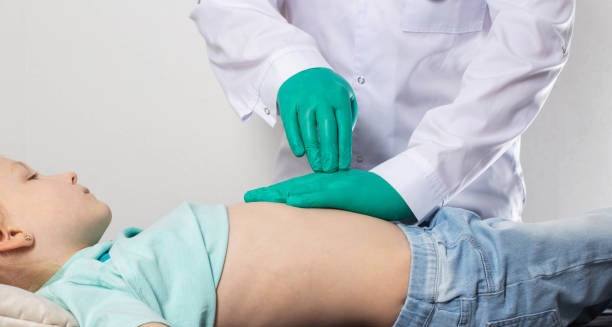
Diagnosis of Malnutrition The diagnosis of malnutrition is a critical step in addressing both undernutrition and overnutrition. Prompt and accurate diagnosis of malnutrition helps health workers find the severity and type of nutritional problem. It also guides them in creating a tailored care plan. Since malnutrition shows up in many physical, chemical, and behaviour changes, its diagnosis needs more than one method. It usually combines clinical checks, body measurements, diet records, and lab tests. Finding malnutrition early is key to avoiding complications. This matters most for children, the elderly, and people with long-term illnesses. Still, diagnosis often gets delayed. Many signs look general, or people may not notice them, especially outside hospitals. This section explains the main tools used to assess nutrition and confirm the diagnosis of malnutrition. 1. Clinical Assessment One of the fastest ways to start is a detailed clinical check. This includes reviewing medical history, doing a physical exam, and spotting signs of poor nutrition. Doctors begin by asking about recent weight change, appetite, eating habits, and any illness or medicine that blocks nutrient absorption. Loss of appetite, stomach problems, and sudden weight loss raise concern. In children, slow growth or falling off the growth chart is an early sign of long-term undernutrition. During the exam, health workers check for muscle loss, reduced fat under the skin, swelling, dry skin, or changes in hair and nails. In overnourished people, belly fat, skin changes like acanthosis, or high blood pressure may show diet-related illness. These signs are useful but often subjective. For a full picture, doctors combine them with measured data from other tests. 2. Anthropometric Measurements Measuring body size and shape gives strong evidence for the diagnosis of malnutrition. Common tools include: Tracking these measures over time helps see both the problem and the progress during treatment. 3. Dietary Assessment Checking what a person eats each day also supports the diagnosis of malnutrition. This step reviews both the amount and the quality of food. Methods include: During review, doctors check nutrient balance, fluid intake, and food habits. Special care is given to pregnant women, older adults, and people with health problems such as diabetes or coeliac disease. Restrictive eating habits, like those in eating disorders, are also checked. Malnutrition may still occur in someone with normal or even high BMI if the diet lacks vital nutrients. 4. Lab and Biochemical Tests Lab tests give objective proof in the diagnosis of malnutrition. They find deficiencies that may not show on exam. Common ones are: If doctors suspect poor absorption, stool tests or coeliac screening may also be done. 5. Functional and Immune Tests These tests reveal how malnutrition affects strength and immunity. For example: These are less common but add useful insight when read with other results. 6. Screening Tools for Malnutrition Different tools make it easier to spot people at risk. Some key ones are: These tools help identify people at risk early and guide care. 7. Special Considerations The diagnosis of malnutrition changes by age and condition. For example: Conclusion The diagnosis of malnutrition needs many steps. It mixes clinical review, measurement, diet checks, and lab proof. Correct and early diagnosis allows timely treatment. This improves health and prevents long-term harm. Regular screening in people at risk remains the best way to fight nutrition problems. [Next: Treatment of Malnutrition →]

Diagnosis of Malnutrition Read More »

Treatment of Malnutrition

Treatment of Malnutrition

Treatment of Malnutrition The treatment of malnutrition focuses on restoring nutritional balance, reversing deficiencies, and addressing the underlying causes contributing to poor intake or absorption. Whether the issue is undernutrition, overnutrition, or micronutrient imbalances, the primary goal of the treatment of malnutrition is to support physical recovery, enhance quality of life, and prevent long-term health complications. This process requires a comprehensive, tailored approach, often involving medical professionals, dietitians, caregivers, and — where appropriate — community support services. Effective care depends on the severity of the condition, the patient’s age, and their overall health. It also depends on whether malnutrition is acute, chronic, or disease-related. Early detection with timely treatment improves recovery, especially in infants, older adults, and people with long-term illnesses or cancer. 1. Initial Assessment and Goal Setting Before any treatment begins, doctors carry out a detailed nutritional check. They look at medical history, body measurements like BMI or MUAC, clinical signs, lab results, and daily eating habits. Based on the findings, health teams set goals such as: Plans must be personalised. For example, people with diabetes, bowel problems, or kidney disease need special diets. 2. Dietary Change and Food-Based Care Most patients start with food-first methods. These aim to improve both the amount and quality of food eaten. a. Energy-Dense and Nutrient-Rich MealsPeople who are undernourished need extra calories and nutrients. Helpful steps include: b. Fortified FoodsFoods enriched with vitamins and minerals raise nutrition. Examples include: c. Texture ModificationSome people, such as stroke survivors, struggle to chew or swallow. Softer or blended food makes eating safe and easier. d. Cultural and Practical FitMeals must respect cultural, religious, and financial limits. Diet advice works best when it feels realistic and sustainable. 3. Oral Nutritional Supplements (ONS) If food alone does not cover needs, ONS help in the treatment of malnutrition. These come as shakes, soups, or puddings packed with calories, protein, and key vitamins. ONS support: Doctors must choose the right supplement and amount. Regular checks prevent problems like too much sugar or electrolyte imbalance, especially in diabetics and kidney patients. 4. Enteral Nutrition (Tube Feeding) When eating by mouth is unsafe or not enough, tube feeding provides nutrients. Tubes may go through the nose into the stomach (short-term) or directly into the stomach wall (long-term). This method helps: The feed includes enough protein, calories, and fluids. Nurses and doctors must check tube placement, patient tolerance, and lab results to avoid problems. 5. Parenteral Nutrition If the gut cannot be used, nutrients go directly into the bloodstream. This helps patients with bowel blockage, severe absorption issues, or tough surgical recovery. This method is costly and complex. It can cause infection, liver issues, or electrolyte shifts. Doctors only use it in hospitals and as a last option. 6. Micronutrient Supplementation Many patients need extra vitamins or minerals. Doctors may give: Supplements may be taken by mouth, injection, or drip, depending on severity. Too much can be harmful, so monitoring matters. 7. Treating Root Health Problems Malnutrition often links to other illnesses. Treating these conditions is key for recovery. Examples include: Without managing these causes, nutrition treatment will not last. 8. Emotional and Social Support Some patients suffer due to eating disorders, food insecurity, or mental illness. Support can include: Mental wellbeing directly shapes eating habits and healing. 9. Monitoring and Follow-Up The treatment of malnutrition does not stop after one diet plan. Regular checks ensure: Follow-up visits help doctors adjust plans, give new advice, and solve new issues quickly. 10. Community and Public Health Action On a larger scale, public health efforts reduce malnutrition. Helpful actions include: Community health workers also detect problems early, especially in poor or rural areas. Conclusion The treatment of malnutrition must focus on the patient. It works best when doctors, dietitians, and communities act together. By meeting immediate needs and fixing the root causes, health teams can greatly improve recovery. Whether in hospital, clinic, or community, proper and timely care can make the difference between full healing and lasting damage. [Next: Complications of Malnutrition →]

Treatment of Malnutrition Read More »

Complications of Malnutrition

Complications of Malnutrition

Complications of Malnutrition The complications of malnutrition are wide-ranging, affecting nearly every system in the body. Whether it is undernutrition or overnutrition, prolonged nutritional imbalance can have severe, often irreversible consequences. These complications may develop gradually or emerge suddenly, especially in vulnerable populations such as infants, the elderly, pregnant women, and individuals with chronic illness. Understanding the full scope of the complications of malnutrition is vital for timely prevention, early action, and proper management. In severe or untreated cases, malnutrition can lead to disability, poor quality of life, and even death. 1. Weakened Immune System and Increased Infections One of the most immediate and serious complications of malnutrition is a weak immune system. When the body lacks key nutrients like protein, iron, zinc, vitamin A, and vitamin C, it cannot fight off germs well. As a result, people with malnutrition often face: In children, a weak immune system makes diarrhoea and malaria more likely. This creates a cycle where infection worsens nutrition, and poor nutrition fuels more infection. 2. Muscle Wasting and Physical Weakness Malnutrition, especially when protein is lacking, forces the body to break down muscle to survive. This causes: In older adults, this leads to sarcopenia, which is age-related muscle loss. This raises the risk of fractures, bedsores, and hospital stays. 3. Delayed Growth and Development in Children One of the most tragic complications of malnutrition occurs in childhood. Long-term poor nutrition can cause: Children who face malnutrition early often carry health issues into adulthood, along with lower productivity. 4. Cognitive Impairment and Mental Health Issues The brain needs steady nutrition to grow and function. Lack of key nutrients causes: Iron, omega-3 fats, and B vitamins (especially B12 and folate) play a major role. Without them, the brain struggles. These shortages can also worsen existing mental health conditions. 5. Anaemia and Blood Abnormalities Anaemia is one of the common complications of malnutrition. Iron deficiency is the main cause worldwide, but lack of folate, B12, and protein also play a part. Anaemia brings: Pregnant women with anaemia face a higher risk of early birth, low birth weight, and even death during childbirth. 6. Gastrointestinal Problems Poor nutrition directly harms the gut. A lack of fibre, fluids, and micronutrients can lead to: Once absorption weakens, malnutrition worsens, forming another vicious cycle. 7. Hormonal Imbalance and Reproductive Issues Malnutrition disrupts hormones. In women, this can stop periods or cause irregular cycles. In both men and women, it can cause infertility. Other problems include: For pregnant women, poor nutrition increases miscarriage risk, poor baby growth, and complications during labour. 8. Organ Dysfunction and Failure Severe malnutrition can damage key organs over time. Examples include: When the body runs on poor nutrition for too long, the damage can become permanent. 9. Hypothermia and Poor Thermoregulation Without enough body fat or muscle, the body cannot stay warm. This danger is highest in: Even mild hypothermia can be deadly in someone already weakened by malnutrition. 10. Bone Density Loss and Fractures Weak bones are another serious complication of malnutrition. Lack of calcium, vitamin D, protein, and magnesium leads to: Women, especially after menopause, are most at risk. 11. Skin and Hair Disorders Poor skin and hair health often reveal the complications of malnutrition. Common signs include: Doctors often use these outward signs as clues for hidden deficiencies. 12. Increased Mortality Risk In its worst form, malnutrition raises the risk of death. This is especially true for children under five, sick elderly patients, and people with chronic illnesses like cancer or AIDS. Even mild malnutrition can worsen recovery from infections, surgery, or chemotherapy. 13. Social and Economic Impact The complications of malnutrition stretch beyond health. They cause: In poor regions, widespread malnutrition locks entire societies into cycles of poverty and poor health. Conclusion The complications of malnutrition affect the body, mind, and society as a whole. Many of these problems can be prevented or even reversed with early diagnosis, steady care, and proper diet. Tackling them requires teamwork among health workers, families, and policymakers. By acting early, communities can reduce the heavy impact of malnutrition on future generations. [Next: Back to Overview →]

Complications of Malnutrition Read More »

Overview of Mallet Finger

Mallet Finger

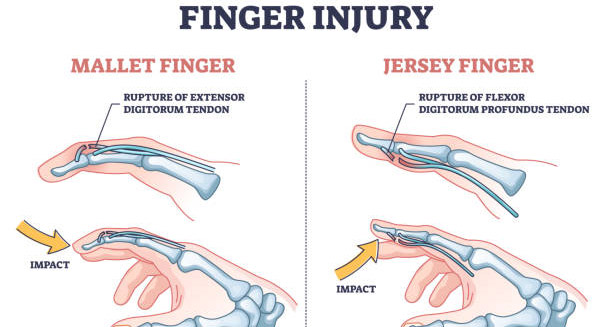
Mallet finger is a specific and often underestimated hand injury that results from damage to the extensor tendon on the back of the finger. This tendon straightens the fingertip. When injured, the fingertip droops and cannot straighten on its own. Often, the injury comes from trauma, such as a ball striking the finger tip or a sudden knock during daily tasks. If ignored or managed poorly, mallet finger can leave lasting problems with hand function. The name “mallet finger” comes from the bent shape of the fingertip. It points downward like the head of a mallet. In medicine, it is called an “extensor tendon injury” or a “terminal extensor tendon rupture.” This means the tendon cannot pull the last joint into extension. Mallet finger is common in both athletes and non-athletes. Still, many people do not seek care right away because the injury often looks mild. Anatomy Behind Mallet Finger To understand mallet finger, we need to look at finger anatomy. The extensor tendon runs along the back of the finger and attaches to the distal phalanx, which is the tip bone. When the finger bends suddenly while the tendon is tight, the tendon may tear. Sometimes, a piece of bone also breaks off with the tendon. This is called a bony mallet finger. This injury often affects the middle, ring, or little fingers. Both children and adults can get it. However, middle-aged men in ball sports or heavy manual work face the highest risk. Everyday incidents also cause mallet finger. For example, closing a drawer, tucking in a blanket, or catching a finger on clothing. Types and Classifications of Mallet Finger Doctors divide mallet finger into three main types: This classification matters because it guides treatment. Tendon-only injuries often heal with splinting. More complex or bony types may need surgery. Common Scenarios and Warning Signs Mallet finger often happens in simple situations. Examples include: Since pain is not always strong, many people think it is just a bruise or sprain. Yet, one clear sign is the drooping fingertip that cannot straighten by itself. When this happens, medical care is urgent. Other signs may include swelling, redness, bruising, or pain on the back of the finger. Grasping small objects also becomes hard. If untreated, the finger may stiffen or heal wrongly. This can cause a lasting deformity and reduce finger skill, making tasks like typing, writing, or tool use harder. Importance of Early Diagnosis and Splinting Unlike fractures, mallet finger does not always look serious. Still, quick diagnosis is vital. Within a few days, the joint tissues stiffen and scar tissue forms. Late treatment lowers the chance of success with simple splinting. Doctors check the finger with an exam and often an X-ray. If the tendon tears without bone injury, splinting works well. If bone breaks or the joint shifts, surgery may be needed. Splinting is the main treatment in most cases. The splint keeps the fingertip straight for 6–8 weeks. It is vital that the finger never bends during this time. Even one slip can restart the healing process. Later, patients may wear the splint only at night or during tasks for a few more weeks. Prevention and Long-Term Outlook Patient discipline with splinting makes a big difference. If instructions are not followed, the droop may stay or lead to a swan-neck deformity, where the middle joint bends in the wrong way. Although prevention is not always possible, some steps reduce risk. For example, wearing finger guards in sports, using safety gear at work, keeping fingers strong and flexible, and resting during repetitive hand tasks. Athletes in cricket, baseball, and basketball may also tape or splint vulnerable fingers during play. With the right care, most people recover well from mallet finger. Many regain full or near-full function. Recovery is slower in older adults or those with arthritis or diabetes. Some may keep a slight droop or small cosmetic change, but early care prevents serious problems. In short, mallet finger may look like a minor injury, but it needs fast care and strict treatment. Those who follow splinting and rehab can return to normal daily tasks without long-term effects. [Next: Causes of Mallet Finger →]

Mallet Finger Read More »

Causes of Mallet Finger

Causes of Mallet Finger

Causes of Mallet Finger Causes of Mallet Finger are primarily linked to sudden trauma or forceful bending of the fingertip, which results in a rupture of the extensor tendon or an avulsion fracture of the distal phalanx. The extensor tendon is a vital structure responsible for straightening the fingertip. When this tendon is injured, either through direct impact or an unexpected pull, the fingertip droops downward and can no longer be extended voluntarily. Understanding the causes of mallet finger is essential for prevention, early recognition, and timely intervention. Causes of mallet finger usually fall into two broad groups: traumatic injuries and repetitive stress injuries. Both lead to a sudden failure of the extensor tendon, but in different ways. Sports-Related Trauma One of the main causes of mallet finger is sports injury. These often happen when a ball hits the tip of an extended finger with speed. The sports that most often cause this problem include: In these cases, the ball forces the fingertip into sudden bending while the tendon tries to keep it straight. The tendon may tear, or a piece of bone may get pulled with it. This results in what doctors call a bony mallet finger. The injury feels sudden. Many people notice a pop or sharp pain followed by an instant droop of the fingertip. Some athletes ignore it, thinking it is only a sprain. However, the clear sign is that the tip will not straighten. Occupational Hazards and Accidental Trauma Accidental trauma also ranks as a leading cause of mallet finger. These injuries appear in everyday life and often affect older adults or people working with their hands. Examples include: Here, the force may be less dramatic than in sport. Yet the extended position and sudden jolt are enough to damage the tendon. Injuries like this usually affect the middle, ring, or little fingers, which are more exposed to catching on objects. Age and Degeneration With age, tendons lose strength and elasticity. They can snap even with small force. Health conditions such as arthritis, diabetes, or poor blood flow make tendons weaker. People over 50 may suffer a mallet finger from simple actions such as: In these cases, the tendon breaks suddenly, even without big trauma. Many people mistake it for a minor problem, especially if there is no pain or bruising. Repetitive Microtrauma and Health Conditions Another cause of mallet finger is repetitive microtrauma. This happens to people who move their fingers many times under tension. Over time, the tendon frays and finally snaps. Professions or hobbies at risk include: Systemic health issues also raise the risk. For example: These patients may get mallet finger from small triggers. Since pain may be mild or nerves already damaged, diagnosis often gets delayed. Bony Mallet Finger and Risk Factors Another type, called bony mallet finger, occurs when a bone fragment is pulled off with the tendon. This is more common in: Here, the tendon stays intact but loses its anchor point, making it useless. X-rays reveal this type, and it often needs surgery. Other risk factors make mallet finger more likely. These include: Preventing injury with gloves, proper technique, and hand stretches lowers the risk. Common Myths and Prevention A common myth is that mallet finger always causes pain. In truth, many people feel little or no pain. This false belief makes them ignore the droop, thinking it is only a jammed finger. Another myth is that only athletes suffer from it. Everyday activities cause almost half of all cases. Both men and women, young and old, can get it. To prevent mallet finger, people should: Final Thoughts on Causes of Mallet Finger In summary, the causes of mallet finger range from sudden sports accidents to slow wear and tear of tendons. It may also result from work injuries, age, or health problems. Quick recognition and early care are vital to prevent lasting deformity. [Next: Symptoms of Mallet Finger →]

Causes of Mallet Finger Read More »

Symptoms of Mallet Finger

Symptoms of Mallet Finger

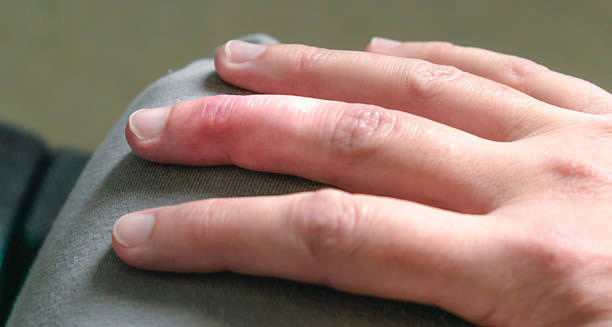
Symptoms of Mallet Finger The symptoms of mallet finger are usually easy to spot once you know how the injury looks. This condition happens when the extensor tendon on the back of the finger is torn or pulled off the bone. Since this tendon normally straightens the tip, the finger droops and cannot be lifted actively. Mallet finger may not always hurt, but the signs are often clear when compared with a healthy finger. Recognising the symptoms of mallet finger early is critical. Quick treatment often prevents long-term deformity, stiffness, or loss of function. Let’s look at these symptoms in detail to see how mallet finger affects comfort, dexterity, and daily tasks. Drooping Fingertip The most obvious sign is a drooping fingertip, also called an “extensor lag.” This happens because the tendon can no longer lift the tip. The joint near the nail stays bent and will not straighten on its own. This droop is: This “mallet-like” appearance is what gives the injury its name. Inability to Straighten the Fingertip Another key symptom of mallet finger is the loss of active extension. The fingertip stays curled down while the middle and base joints move normally. This stands out when making a fist, releasing a grip, or trying to point. Although drooping is a visual clue, the inability to extend the fingertip clearly separates mallet finger from other finger injuries. Swelling and Redness Soon after the injury, swelling and redness often appear around the top joint. This results from tissue damage or, sometimes, a small fracture. Common features include: The swelling may develop quickly or slowly, depending on the type of injury. Pain or Discomfort Pain is not always severe. For many people, it feels like a dull ache or mild tenderness. Some, however, feel sharper discomfort when pressure is applied. Pain may: The pain often fades within days, but the tendon damage remains unless treated. Bruising and Discolouration In some cases, bruising also appears around the injured joint. This is more common after sports accidents, crush injuries, or when the tendon pulls off a piece of bone. The bruising may look bluish, purple, or yellow as it heals. Interestingly, the amount of bruising does not always match the severity of the tendon injury. Nail Bed or Skin Changes Because the injury is close to the nail, small changes may appear. These can include nail lifting, redness around the cuticle, or minor cuts from the impact. Rarely, the nail grows abnormally if the nail matrix is injured. This usually happens when the skin is also cut. Sensory Symptoms Some patients notice tingling, numbness, or reduced sensation near the fingertip. This usually comes from swelling pressing on nerves or irritation of nearby tissues. If numbness does not go away, it may signal a more serious problem and needs medical attention. Functional Limitations Even with little pain, mallet finger limits daily tasks. People may struggle with: If untreated, the finger can stiffen in a bent position. This makes fine motor skills even harder over time. Symptom Differences: Tendon vs Bony Mallet Finger Both tendon-only and bony mallet injuries share similar signs. However, bony mallet finger often shows more swelling, sharper tenderness, and more obvious deformity. X-rays usually confirm this type. Distinguishing the two matters, since treatment can differ. When to Seek Medical Help for Symptoms of Mallet Finger Anyone with fingertip droop and loss of extension should see a doctor right away. Early splinting restores function in most cases. Waiting too long raises the risk of deformity, stiffness, or arthritis. Emergency care is especially important if the injury has open wounds, a lifted nail, or visible joint misalignment. Misdiagnosed or Overlooked Symptoms Sometimes mallet finger is mistaken for a minor sprain because pain is not intense. Athletes may ignore it, thinking it’s just a jammed finger. Older adults with stiff joints or people with nerve problems may also miss the signs. Public awareness of the classic symptoms of mallet finger is essential to prevent lasting disability. Summary The symptoms of mallet finger include fingertip droop, loss of extension, swelling, redness, mild pain, bruising, nail changes, and functional problems. Some are subtle, but the inability to straighten the fingertip should never be ignored. Quick medical care prevents long-term deformity and keeps hand function intact. [Next: Diagnosis of Mallet Finger →]

Symptoms of Mallet Finger Read More »

Diagnosis of Mallet Finger

Diagnosis of Mallet Finger

Diagnosis of Mallet Finger The diagnosis of mallet finger is primarily clinical, based on history, physical exam, and when needed, imaging. Finding this condition early is critical. If diagnosis is missed or delayed, the injury can cause lasting deformity, stiffness, or arthritis. Because mallet finger affects the tendon or bone at the fingertip, doctors must separate it from other finger injuries that may look similar. In this section, we look step by step at how doctors make a reliable diagnosis of mallet finger. This includes the questions they ask, the signs they check, and the scans they may order. History and Patient Interview Every accurate diagnosis of mallet finger begins with a careful history. Doctors usually ask: This interview helps the doctor confirm whether the injury matches the typical pattern of mallet finger. Visual Inspection Looking at the finger gives strong clues in the diagnosis of mallet finger. Typical findings include: Doctors also compare both hands. Asking the patient to hold their hands flat or upright makes the droop more obvious. Palpation and Functional Tests Next, doctors gently press the joint and check movement. They use: These simple tests form the foundation for a solid diagnosis of mallet finger. Imaging Studies While the diagnosis of mallet finger is often clear without scans, imaging can confirm the extent of injury or rule out other problems. Imaging is not always needed, but it strengthens diagnosis and helps when surgery is being considered. Differential Diagnosis Not every drooping finger is mallet finger. Doctors must check for other conditions: Sorting through these conditions ensures treatment is correct. Classifying the Injury Once confirmed, the diagnosis of mallet finger is classified into two main types: Bony injuries are further described by fragment size, joint involvement, and any dislocation. This classification guides the choice between splinting and surgery. Importance of Early Diagnosis of Mallet Finger Early diagnosis of mallet finger is vital. If left untreated, even a small tendon tear may cause: Starting splinting within one week gives the best chance for recovery without surgery. Waiting longer than 3–4 weeks often reduces success. Follow-Up and Reassessment Doctors reassess the finger after a few weeks of splinting. They check healing, adjust the splint, and look for improvement. Sometimes a repeat X-ray ensures bone fragments remain in place. Summary The diagnosis of mallet finger combines history, exam, and sometimes imaging. Spotting the classic fingertip droop, testing tendon function, and ruling out similar injuries guide treatment. Early recognition matters most. With quick diagnosis, patients can heal well and avoid long-term loss of function. [Next: Treatment of Mallet Finger →]

Diagnosis of Mallet Finger Read More »

Treatment of Mallet Finger

Treatment of Mallet Finger The treatment of mallet finger focuses on restoring fingertip function and alignment. It prevents long-term deformity and protects hand dexterity. While the injury may look small, late or incorrect care can cause permanent stiffness or dysfunction. The good news is that most cases respond well to simple, non-surgical care when treated early. This section explains the options for the treatment of mallet finger. It covers splinting, surgery, rehabilitation, and long-term follow-up. Conservative Treatment (Splinting) The most common treatment of mallet finger is splinting. Doctors use it in about 90% of cases, especially when no major bone fragment or joint shift is present. Types of splints include: Splinting procedure:The tip joint is gently straightened, sometimes slightly hyperextended. The splint holds the joint in this position at all times. Patients must wear it day and night for 6–8 weeks. The finger should never bend during this time, as even one slip can restart healing from the beginning. Care tips: Splinting works well for tendon injuries and small fractures that are not displaced. Weaning from the Splint After 6–8 weeks of strict splinting, patients begin weaning. For 2–4 weeks, the splint is worn only at night. During the day, light finger use starts. A home program of simple exercises restores mobility. Patients must avoid sudden strain or bending the finger too far. Overuse at this stage can tear the tendon again. Surgical Treatment of Mallet Finger Surgery is rarely needed, but it becomes important in certain cases. These include large bone fragments, joint dislocation, open cuts with tendon injury, failure of splinting after 2–3 months, or long-standing deformities that affect hand use or appearance. Surgical methods include: Surgery can give good results but carries risks such as infection, stiffness, or scarring. Recovery also takes longer compared to splinting. Pain Management Pain from mallet finger is usually mild. Relief comes from paracetamol or NSAIDs like ibuprofen, cold packs applied for 15–20 minutes, and hand elevation to reduce swelling. If pain remains strong or increases, it may point to splint problems, infection, or another injury. In such cases, patients should see a doctor. Physical Therapy and Rehabilitation After splinting ends, therapy is vital to regain motion and strength. A therapist may guide: Therapy should be slow and controlled. Doing too much too soon often sets recovery back. For people like musicians or artisans, therapy is tailored to their work needs. Home Care and Patient Education Success in the treatment of mallet finger depends on strict patient effort. At home, patients must: Education is key. Many people believe the injury is “not serious.” In truth, ignoring it can leave the finger with a permanent droop, pain when gripping, or problems with writing, typing, and tool use. Follow-Up and Monitoring Even after healing looks complete, checkups are important. They confirm the joint remains stable and check for swan neck deformity. They also help detect recurrence or complications. Doctors may also give advice about safe return to sport or manual work. If symptoms remain, further imaging or even surgery may be needed. Prognosis After Treatment of Mallet Finger With correct and early treatment, the outlook is excellent. Most patients regain full function. A small droop may stay but is usually painless and only cosmetic. When splinting is done correctly from the start, surgery is rarely needed. However, delays, poor splinting habits, or complex fractures raise the risk of long-term stiffness, arthritis, or deformity. Summary The treatment of mallet finger depends on quick diagnosis, proper splinting, and patient discipline. Surgery plays a role only in more complex cases. Long-term results rely on how early and consistently treatment is applied. With the right care, most people regain almost full use of the finger and avoid permanent damage. [Next: Complications of Mallet Finger →]

Treatment of Mallet Finger Read More »

Scroll to Top