Mental Matters

Author name: admin

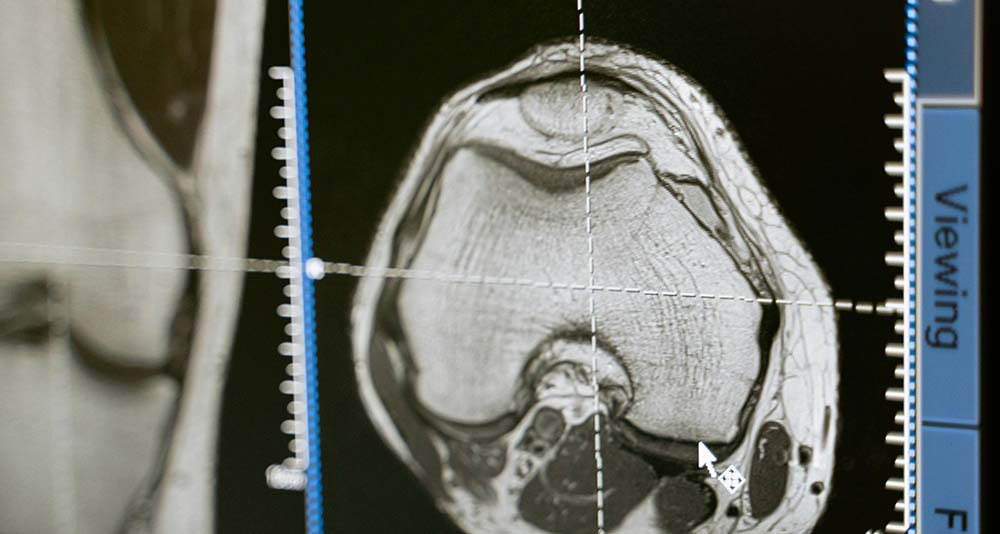
Doctor reviewing brain scan MRI images for signs of brain death

Brain Death

Brain Death – Overview Brain death is the complete and irreversible loss of all brain function, including activity in the brainstem. It is legally and medically recognised as death in South Africa and most countries around the world. While a person’s heart may continue to beat with the help of machines, a confirmed diagnosis means the person has permanently lost the capacity for consciousness, breathing, and brain activity. This condition is different from a coma or a vegetative state. In coma, some brain functions may remain, and recovery is possible. In this brain condition, there is no chance of recovery — the brain has ceased to function entirely, often due to swelling, bleeding, or oxygen deprivation. Common causes of brain death include: A person who is brain-dead may still appear alive. Their chest may rise and fall (due to mechanical ventilation), their skin may be warm, and reflex movements may occur. However, these are not signs of consciousness or recovery — they are automatic or machine-induced responses. In South Africa, this condition is legally defined and must be confirmed by two independent medical professionals, typically using a strict series of neurological tests. In many cases, once it’s confirmed, the conversation turns to organ donation, which can save multiple lives. Understanding brain death is emotionally difficult for families, but clarity about its meaning is essential. It marks the end of life — even when machines are keeping the body functioning temporarily. 👉 [Next: Causes and Diagnosis of Brain Death]
Brain Death Read More »

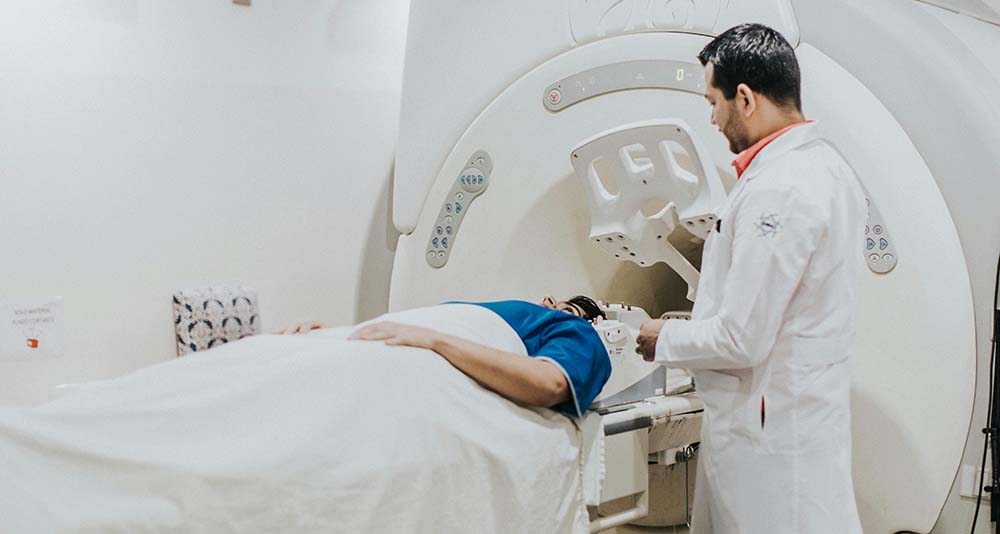
Patient undergoing MRI brain scan with technician in hospital

Causes and Diagnosis of Brain Death

Causes and Diagnosis of Brain Death The causes and diagnosis of brain death involve catastrophic brain injuries followed by detailed medical testing. Understanding the causes and diagnosis of brain death helps families, healthcare providers, and legal systems make informed decisions about end-of-life care and organ donation. Causes of Brain Death: Severe blows to the head — often from road accidents, falls, or violent trauma — can cause the brain to swell beyond the skull’s ability to accommodate pressure, leading to irreversible damage. A major stroke or aneurysm can cut off blood supply to the brain. This results in widespread brain tissue death. When the heart stops pumping blood, oxygen flow to the brain is halted. After just a few minutes, brain cells begin to die. Conditions such as encephalitis or meningitis can cause severe brain swelling. If not treated quickly, this swelling can lead to permanent brain damage or even brain death. Drowning, suffocation, or respiratory failure can result in prolonged hypoxia — the brain can only survive a few minutes without oxygen. Diagnosis of Brain Death: Medical professionals follow a strict protocol: If brainstem function is absent and the condition persists, brain death is declared. In South Africa, two qualified doctors—often including a neurologist or critical care specialist—must confirm brain death. In complex cases, they may use EEGs or cerebral blood flow tests for added certainty. Confirming the causes and diagnosis of brain death is essential for clarity, dignity, and appropriate next steps for the patient and their family. 👉 [Next: Legal and Ethical Aspects of Brain Death]

Causes and Diagnosis of Brain Death Read More »

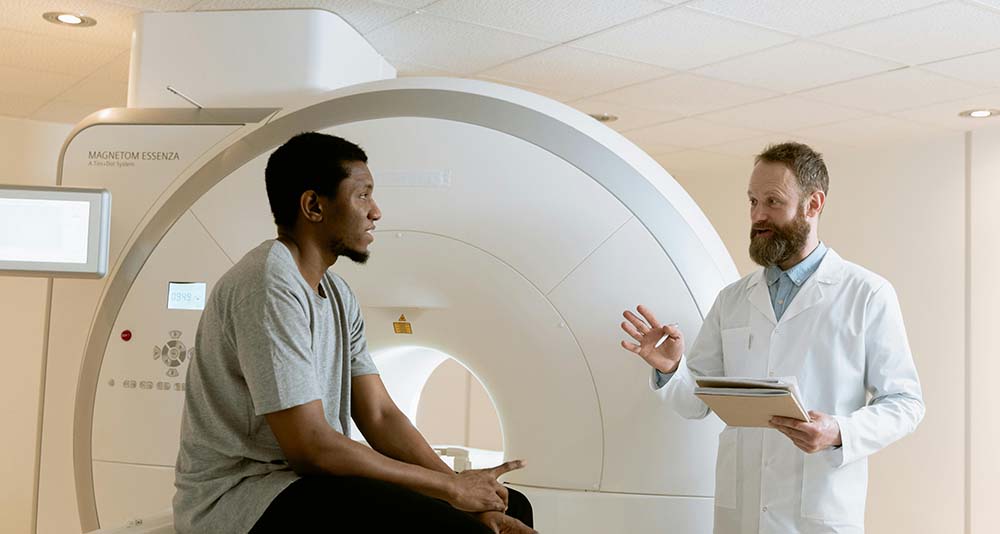
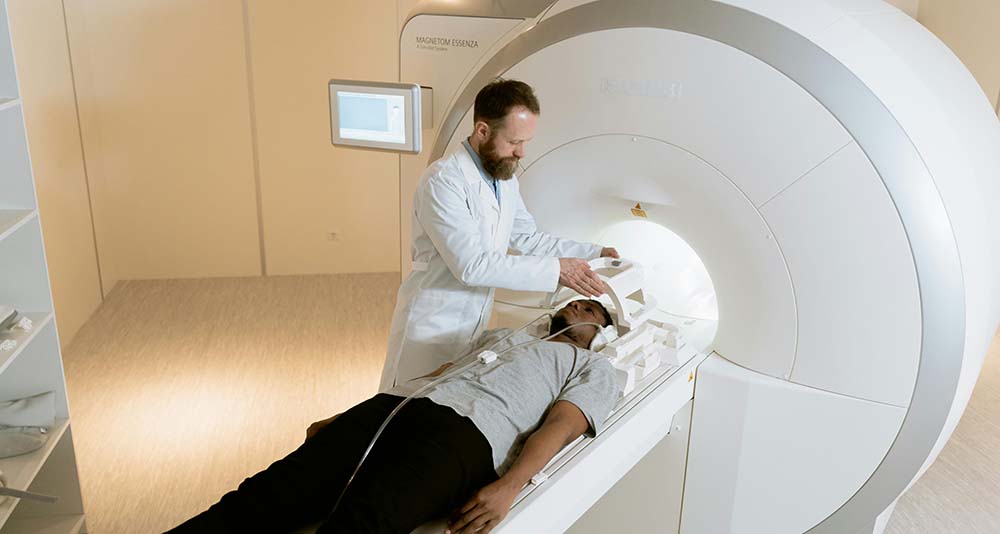
Doctor discussing brain scan results with patient near MRI machine

Legal and Ethical Aspects of Brain Death

Legal and Ethical Aspects of Brain Death The legal and ethical aspects of brain death play a vital role in how society, healthcare providers, and families respond to end-of-life situations. In South Africa and many other countries, national medical guidelines, constitutional rights, and respect for human dignity govern the legal and ethical aspects of brain death. Legal Recognition: In South Africa, the National Health Act legally defines brain death as death. Once doctors declare brain death, they consider the person legally dead—even if machines keep the body functioning. Doctors stop life support and begin organ donation once they receive consent. To confirm brain death legally: Ethical Considerations: Healthcare teams inform families with compassion and clarity. Ethical care includes transparency, cultural sensitivity, and enough time for loved ones to process what brain death means. Even though the brain has ceased functioning, many families need support in saying goodbye, holding vigils, or participating in cultural or religious rituals. Healthcare teams ask families to consider organ donation when appropriate. Healthcare teams handle this sensitive topic with compassion and avoid putting pressure on families. Once doctors confirm brain death, they ethically withdraw ventilators and medications that artificially support bodily functions. This is not euthanasia — it is an acknowledgement that death has occurred. Some families may struggle with the idea of brain death, especially in cultures where breathing or heartbeat is equated with life. Ethics committees and social workers often assist in navigating such conflicts. In South Africa, healthcare providers must follow established policies regarding the legal and ethical aspects of brain death to ensure families are protected, patients are respected, and systems remain trustworthy. Understanding the legal and ethical aspects of brain death provides peace of mind and supports decision-making at a profoundly difficult time. 👉 [Next: Medical Management After Brain Death]

Legal and Ethical Aspects of Brain Death Read More »

Doctor discussing brain scan results with patient near MRI machine

Medical Management After Brain Death

Medical Management After Brain Death The medical management after brain death focuses on maintaining the body for a short period, either to allow family farewells or to prepare for organ donation. Although brain death marks the end of life, machines can temporarily keep the heart, lungs, and other organs functioning. This period requires specific medical protocols. 1. Stabilising vital functions Mechanical ventilation keeps oxygen circulating. Doctors may use IV fluids and medications to maintain blood pressure. They also closely regulate temperature, electrolyte levels, and blood sugar. 2. Organ preservation (if donation is planned) If the patient is an eligible organ donor: 3. Family care and communication Doctors and nurses continue supporting the family, offering clear updates, counselling, and guidance. Healthcare teams honour cultural and spiritual needs and allow families time to say goodbye after confirming legal death. 4. Weaning from support Doctors gradually turn off ventilators and stop medications in a controlled, respectful setting when organ donation isn’t planned or possible. The focus shifts to comfort and dignity for the deceased and support for grieving relatives. 5. Monitoring and documentation The medical team documents every step taken after the declaration, ensuring accurate and complete records. These include timing of assessments, legal forms, and ethical compliance. In South African hospitals, the medical management after brain death follows standardised national protocols, though resources may vary. Inside urban hospitals, organ retrieval teams are on standby. In rural areas, the focus may be more on family support and withdrawal of care. The medical team treats the body with dignity, supports the family, and carries out organ donation with compassion and professionalism when chosen. 👉 [Next: Living Through Loss – Coping with Brain Death in the Family]

Medical Management After Brain Death Read More »

Living Through Loss with Brain Death

Living Through Loss with Brain Death

Living Through Loss – Coping with Brain Death in the Family Living through loss – coping with brain death in the family is an emotionally overwhelming journey. While the death is clinical and final, the appearance of a breathing body on machines often confuses grief. Families facing this tragedy must process shock, make urgent decisions, and say goodbye in a deeply unnatural way. Living through loss – coping with brain death in the family requires information, support, and compassion. 1. Grief in ambiguity Unlike typical death, where breathing and heartbeat stop, brain death presents a paradox — the person appears alive, but isn’t. Families often need time to understand and accept the diagnosis. 2. Communication from healthcare teams Clear, sensitive explanations from doctors and nurses help families grasp the reality. Visual aids, spiritual guidance, or second opinions can ease confusion. 3. Decision-making pressure In some cases, organ donation or the removal of life support must be discussed quickly. This can feel rushed, so emotional support is critical. No family should feel coerced or abandoned during these decisions. 4. Cultural and spiritual rituals South African families come from diverse faiths and traditions. Hospitals should accommodate requests for prayer, blessings, or final rites to support the family’s mourning process. 5. Long-term grief support Loss through brain death can be traumatic. Families may experience prolonged sadness, confusion, or guilt. Access to grief counselling, community support, and mental health resources is essential. 6. Children and teens Young family members need age-appropriate explanations. Schools and caregivers should be informed to provide additional emotional support. 7. Honouring the memory Families find healing in creating legacies: memory boxes, planting a tree, or sharing stories. If organ donation was part of the journey, many find comfort in knowing lives were saved. Living through loss – coping with brain death in the family takes time and support. With the right help, families can begin healing, understand the finality of brain death, and carry the memory of their loved one forward with love and dignity. 👉 [End of Series | Back to Overview]

Living Through Loss with Brain Death Read More »

Brain Aneurysm

Brain Aneurysm

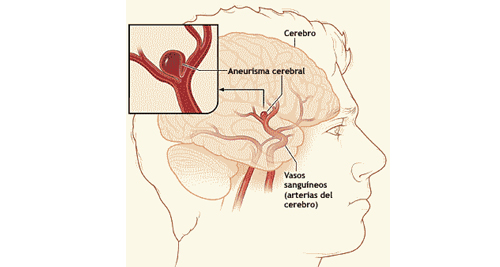
Brain Aneurysm – Overview A brain aneurysm is a bulge or ballooning in a blood vessel in the brain, caused by a weakened artery wall. If it ruptures, it leads to bleeding in the brain — a life-threatening condition known as a subarachnoid haemorrhage. However, many aneurysms are small and unruptured, often going unnoticed until discovered during imaging for unrelated issues. The risk depends on factors such as its size, shape, and location. Small aneurysms may remain stable for years without causing symptoms. Larger or irregularly shaped ones, however, are more likely to rupture and require close monitoring or intervention. Common symptoms of an unruptured brain aneurysm include: When a rupture occurs, it is sudden and severe. Signs include: In South Africa, diagnosis often depends on access to CT scans or MRIs. Many rural facilities lack immediate imaging, which can delay detection and treatment. Larger hospitals and neurology centres offer comprehensive care, including neurosurgical interventions. Although potentially deadly, early detection and careful management significantly improve outcomes. Advances in imaging, microsurgery, and endovascular treatments now offer hope for people affected by this silent but serious condition. 👉 [Next: Causes and Risk Factors of Brain Aneurysm]

Brain Aneurysm Read More »

Causes and Risk Factors of Brain Aneurysm

Causes and Risk Factors of Brain Aneurysm

Causes and Risk Factors of Brain Aneurysm The causes and risk factors of brain aneurysm are complex and multifactorial. They involve a combination of inherited vulnerabilities and acquired conditions that weaken blood vessel walls. Understanding the causes helps identify individuals who may benefit from screening or lifestyle changes. 7 Common Causes and Risk Factors of Brain Aneurysm 1. Genetic predispositionA family history of aneurysms increases the risk significantly. Conditions like polycystic kidney disease, Ehlers-Danlos syndrome, and Marfan syndrome also raise susceptibility due to their impact on connective tissue and vascular integrity. 2. Hypertension (high blood pressure)This is one of the leading risk factors. Constant pressure against arterial walls makes them more likely to bulge or rupture. 3. SmokingTobacco damages blood vessels and contributes to aneurysm formation and rupture. Studies show that smokers are several times more likely to develop brain aneurysms than non-smokers. 4. Age and genderThe risk rises after age 40, and women are more prone to aneurysms than men. Hormonal changes and blood vessel differences may play a role. 5. Drug and alcohol useCocaine and amphetamines increase blood pressure and directly damage blood vessels. Chronic alcohol use can also weaken vascular walls. 6. Head trauma and infectionsSevere trauma or certain infections can trigger aneurysm development, although this is relatively rare. 7. Previous aneurysmPeople who’ve had one aneurysm are more likely to develop another, especially if lifestyle risk factors are not addressed. In South Africa, the risk factors are often compounded by underdiagnosed hypertension, smoking, and limited access to preventative screening. Raising awareness about family history, managing blood pressure, and avoiding smoking can make a major impact on reducing risk. Causes and Risk Factors of Brain Aneurysm Understanding the cause is the first step in preventing rupture and its devastating consequences. 👉 [Next: Diagnosis and Evaluation of Brain Aneurysm]

Causes and Risk Factors of Brain Aneurysm Read More »

Diagnosis and Evaluation of Brain Aneurysm

Diagnosis and Evaluation of Brain Aneurysm

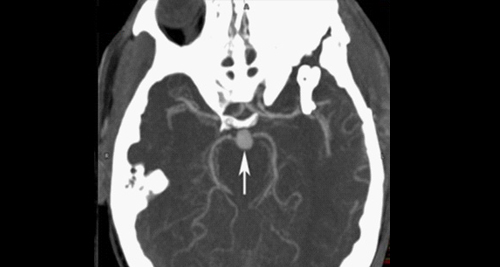
Diagnosis and Evaluation of Brain Aneurysm The diagnosis and evaluation of brain aneurysm are crucial for timely treatment and prevention of rupture. Doctors often find unruptured aneurysms by chance during brain scans. When symptoms do appear, they usually mimic other neurological problems. The diagnosis require a careful and structured approach involving both imaging and clinical assessment. 4 Common Methods of Diagnosis and Evaluation of Brain Aneurysm 1. Clinical signs and symptomsWhen an aneurysm ruptures, it causes a sudden, severe headache often described as the worst ever experienced. Other signs include nausea, vomiting, loss of consciousness, and neck stiffness. Unruptured aneurysms may cause headaches, blurred vision, or nerve pain. 2. Imaging techniques 3. Lumbar punctureIf a rupture is suspected but CT is negative, a spinal tap can detect blood in the cerebrospinal fluid — an important step in diagnosis. 4. Genetic testingIn cases where multiple family members are affected, or connective tissue disorders are suspected, genetic screening may be advised. In South Africa, the diagnosis are most accessible in urban centres. Delays may occur in rural settings due to lack of advanced imaging, making it essential for primary care providers to recognise warning signs and refer quickly. Diagnosis and Evaluation of Brain Aneurysm Accurate evaluation allow doctors to choose the safest treatment method — whether it be surgical, endovascular, or conservative management. 👉 [Next: Treatment Options for Brain Aneurysm]

Diagnosis and Evaluation of Brain Aneurysm Read More »

Treatment Options for Brain Aneurysm

Treatment Options for Brain Aneurysm

Treatment Options for Brain Aneurysm The treatment options for brain aneurysm depend on the size, location, and risk of rupture. Medical specialists consider the patient’s overall health and whether the aneurysm is symptomatic. The goal of all treatments are to prevent bleeding while minimising risk. 6 Treatment Options for Brain Aneurysm 1. Observation (watchful waiting)Small, stable aneurysms may not require immediate surgery. Patients undergo regular imaging and manage modifiable risk factors like hypertension and smoking. This is most common when the aneurysm is under 7mm and located in a low-risk area. 2. Endovascular coilingThe doctor inserts a catheter through the groin into the affected artery, then releases platinum coils into the aneurysm to trigger clotting and seal it off. This minimally invasive procedure is the preferred option for many aneurysms. 3. Surgical clippingIn this open brain surgery, the surgeon places a metal clip across the aneurysm’s neck to block blood flow. Clipping is more invasive than coiling but remains an excellent option for accessible or complex aneurysms. 4. Flow diversionThis newer technique uses a stent-like device placed inside the artery to redirect blood flow away from the aneurysm, allowing it to shrink and heal. 5. Supportive careFor ruptured aneurysms, patients require critical care to manage pressure in the brain, seizures, and fluid balance. Rehabilitation may follow depending on neurological impact. 6. Risk factor modificationLong-term success depends on controlling blood pressure, quitting smoking, and managing cholesterol or diabetes. In South Africa, access to neurosurgical procedures and interventional radiology varies by location. Major academic hospitals offer the full range of options, while rural patients may face referral delays. Treatment Options for Brain Aneurysm With early intervention, most patients recover well. Choosing the right treatment options can significantly improve survival and quality of life. 👉 [Next: Living with Brain Aneurysm – Recovery and Long-Term Care]

Treatment Options for Brain Aneurysm Read More »

Living with Brain Aneurysm

Living with Brain Aneurysm

Living with Brain Aneurysm – Recovery and Long-Term Care Living with brain aneurysm involves ongoing health management, lifestyle changes, and regular medical check-ups. Coping—whether the aneurysm is unruptured, treated, or has already bled—requires careful planning to prevent recurrence and manage long-term effects. 5 Methods of Living with Brain Aneurysm 1. Post-treatment recoveryAfter surgery or coiling, most patients recover in hospital under close neurological monitoring. Rehabilitation may include physiotherapy, speech therapy, or occupational therapy if neurological deficits occurred. 2. Managing unruptured aneurysmsFor those under observation, consistent follow-up imaging (CTA or MRA) is vital. Patients are encouraged to: 3. Emotional and psychological wellbeingAnxiety and fear of rupture are common. Counsellors and support groups help patients manage uncertainty—especially when doctors recommend monitoring instead of immediate surgery. 4. Seizure precautionsSome patients may experience seizures post-treatment and need anticonvulsants. Driving restrictions may apply temporarily. 5. Lifestyle and daily activitiesWhile most people return to work and daily life, they may need time off for physical or emotional recovery. Doctors recommend aerobic exercise and a heart-healthy diet, but patients should avoid activities that cause sudden spikes in blood pressure. 6. Support in South AfricaUrban hospitals offer better access to follow-up care and neurosurgery. In rural areas, ongoing coordination between district hospitals and tertiary centres helps maintain monitoring. Family support, adherence to appointments, and local health initiatives all play a role in long-term success. Living with Brain Aneurysm Overall, living with brain aneurysm is manageable for most people. With the right treatment, consistent monitoring, and healthy choices, patients can look forward to a full and active life. 👉 [End of Series | Back to Overview]

Living with Brain Aneurysm Read More »

Scroll to Top