Mental Matters

Author name: admin

Brain Abscess

Brain Abscess

Brain Abscess – Overview A brain abscess is a rare but serious medical condition in which a collection of pus forms within the tissue due to infection. It results from the body’s attempt to isolate the infection, but the swelling and pressure can lead to life-threatening complications. While the condition is treatable, this abscess must be diagnosed and managed urgently to prevent permanent neurological damage or death. The infection that causes an abscess can arise from bacteria, fungi, or parasites that enter the brain through the bloodstream, from a nearby site such as the ears or sinuses, or as a result of trauma or surgery. People with weakened immune systems, congenital heart disease, or chronic infections are at higher risk. Common symptoms of a Brain Abscess include: Symptoms may vary depending on the location and size of the abscess. In some cases, the signs mimic those of a stroke or brain tumour, which can delay diagnosis. In South Africa, diagnosis and treatments are available at most tertiary hospitals, although access to imaging and neurosurgery may vary between public and private facilities. Prompt attention is vital, and delays in rural areas can pose serious risks. Thanks to modern imaging techniques, improved antibiotics, and better surgical interventions, the prognosis has improved significantly over recent decades—especially when detected early. 👉 [Next: Causes and Risk Factors of Brain Abscess]
Brain Abscess Read More »

Causes and Risk Factors of Brain Abscess

Causes and Risk Factors of Brain Abscess

Causes and Risk Factors of Brain Abscess The causes and risk factors of brain abscess stem from a combination of infectious sources and individual health conditions that allow harmful microbes to reach tissue. Understanding the risk is crucial for identifying high-risk patients and preventing this potentially fatal condition. 6 Common Causes and Risk Factors of Brain Abscess 1. Nearby infections spreading to the brainThis is one of the most common pathways: 2. Distant infectionsA brain abscess can form when an infection elsewhere in the body travels through the bloodstream. This includes: 3. Trauma or surgeryPenetrating head injuries, skull fractures, or neurosurgical procedures can directly introduce bacteria into the brain. 4. Immune system suppressionPeople with HIV/AIDS, cancer, or those taking immunosuppressive drugs (after organ transplants or chemotherapy) are at greater risk, as their bodies struggle to contain and fight infections. 5. Congenital heart defectsChildren born with heart abnormalities that allow unfiltered blood to bypass the lungs may develop brain abscesses, as bacteria are not removed by the lungs before reaching the brain. 6. Parasitic or fungal infectionsAlthough rare, fungal or parasitic brain abscesses can occur, especially in people with compromised immunity. In South Africa, conditions such as untreated dental infections, TB-related brain infections, and HIV-related immune suppression contribute significantly to the causes. Prompt treatment of these underlying conditions can prevent the spread of infection. Causes and Risk Identifying the causes and risk factors of brain abscess allows clinicians to take preventative steps, particularly in vulnerable populations. 👉 [Next: Diagnosis and Evaluation of Brain Abscess]

Causes and Risk Factors of Brain Abscess Read More »

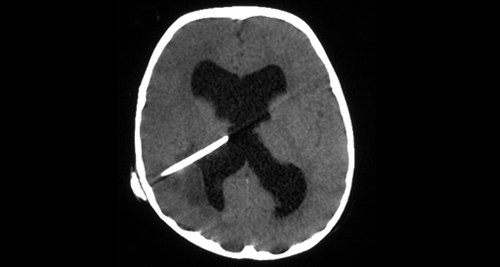
CT scan showing needle aspiration during diagnosis of brain abscess

Diagnosis and Evaluation of Brain Abscess

Diagnosis and Evaluation of Brain Abscess The diagnosis and evaluation of brain abscess requires prompt medical attention, as symptoms can worsen quickly. Since the clinical signs often resemble those of other neurological conditions, imaging and lab tests are essential in confirming the diagnosis. 5 Methods of Diagnosis and Evaluation of Brain Abscess 1. Clinical assessmentDoctors first conduct a thorough medical history and neurological exam. They assess for headache, fever, neck stiffness, confusion, and focal neurological deficits such as weakness or vision problems. 2. Imaging studies 3. Blood testsElevated white blood cell count and markers of inflammation such as CRP or ESR suggest active infection. Blood cultures help identify the causative organism in systemic cases. 4. Lumbar puncture (with caution)Doctors generally avoid this when they suspect a brain abscess because of the risk of brain herniation. However, they may use it in rare cases if they rule out an abscess and suspect meningitis instead. 5. Aspiration or biopsyIn some cases, a neurosurgeon may aspirate the abscess using a fine needle guided by CT or MRI. Lab technicians analyse this sample to identify the exact bacteria, fungi, or parasite causing the infection. In South Africa, urban hospitals with CT and MRI scanners provide better access to evaluations. In rural clinics, referral to a higher-level centre is often necessary, which can delay care. Diagnosis and Evaluation of Brain Abscess Accurate and timely diagnosis are critical. Early identification improves outcomes and guides the correct antibiotic or surgical approach. 👉 [Next: Treatment Options for Brain Abscess]

Diagnosis and Evaluation of Brain Abscess Read More »

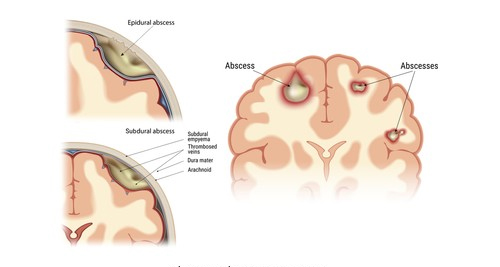
Medical diagram showing locations of epidural, subdural, and cerebral brain abscesses with treatment focus

Treatment Options for Brain Abscess

Treatment Options for Brain Abscess The treatment options for brain abscess focus on eliminating the infection, relieving pressure, and preventing complications. The combination of antibiotics and surgical drainage remains central to managing the condition. Understanding the available treatment helps ensure the best outcomes for patients. 5 Treatment Options for Brain Abscess 1. Intravenous antibioticsDoctors start a powerful course of IV antibiotics immediately—usually before lab results confirm the exact pathogen. They typically continue treatment for 4 to 8 weeks and adjust it once cultures identify the organism. Common antibiotics include: 2. Surgical drainageIf the abscess is large, growing, or causing significant pressure symptoms, neurosurgeons may perform a procedure to drain the pus. This is done either via: 3. Treating underlying infectionDoctors must treat infections in the ear, sinus, lung, or teeth if they caused the abscess, to prevent it from coming back. 4. Anti-seizure medicationSeizures are common with brain abscesses. Anticonvulsants may be prescribed during treatment and continued for several months after recovery. 5. SteroidsUsed only in cases of life-threatening brain swelling. Prolonged use may suppress immune function and interfere with abscess healing, so they are used sparingly. In South Africa, access to treatment can vary. Urban centres usually offer full neurosurgical and imaging support, while rural patients may require urgent transfer to specialist facilities. Treatment Options for Brain Abscess With early intervention, most patients recover fully. Delayed or incomplete treatment, however, can result in long-term brain damage or death. 👉 [Next: Living with Brain Abscess – Recovery and Outlook]

Treatment Options for Brain Abscess Read More »

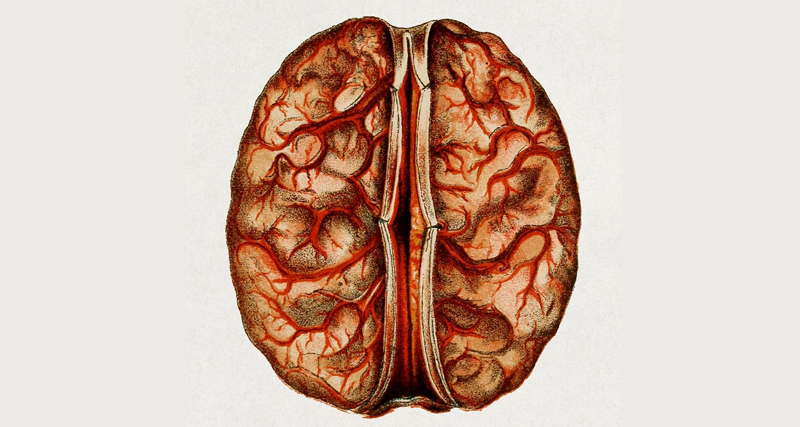
Medical illustration of a human brain affected by a brain abscess with visible vascular inflammation

Living with Brain Abscess

Living with Brain Abscess – Recovery and Outlook Living with brain abscess is a journey that continues long after initial treatment. Recovery can take weeks to months depending on the size and location of the abscess and whether there were any complications. With modern care, most people succeed in living with brain abscess and regaining normal function. 6 Common Methods of Living with Brain Abscess 1. Hospital recoveryAfter initial surgery or antibiotic therapy, patients remain in hospital for monitoring and continued IV treatment. Brain scans are repeated regularly to ensure the abscess is shrinking. 2. At-home care and follow-upAfter discharge, patients often continue oral antibiotics and may need home-based care. Regular follow-ups with a neurologist or infectious disease specialist are important to track healing. 3. Physical and cognitive rehabilitationSome patients experience lingering effects such as: 4. Seizure managementSeizures are a long-term concern. Doctors often prescribe anti-seizure medications for 6–12 months, depending on symptom severity and brain involvement. 5. Emotional wellbeingCoping can be emotionally taxing. Depression, anxiety, or post-traumatic stress may follow a serious illness or ICU stay. Counselling or support groups help with emotional recovery. 6. South African contextIn South Africa, post-treatment rehabilitation for brain infections is improving. Major public hospitals offer neurological support, though access remains limited in some areas. NGOs and family caregivers play a big role in ongoing care. Living with Brain Abscess Despite its severity, coping is possible with coordinated care. Most people return to work, school, and daily routines—especially when doctors catch the abscess early and manage it effectively. 👉 [End of Series | Back to Overview]

Living with Brain Abscess Read More »

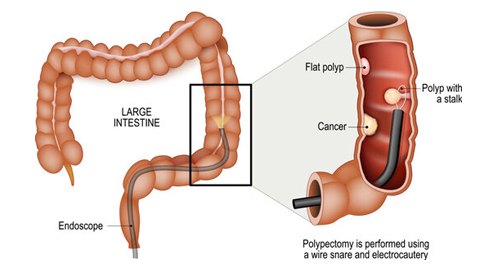
Illustration of bowel polyps inside the large intestine during an endoscopic procedure

Bowel Polyps

Bowel Polyps – Overview Bowel polyps are abnormal growths that develop in the lining of the colon or rectum. While most are harmless, some types can become cancerous over time. This makes early detection and removal critical in the prevention of colorectal cancer. Many people with these polyps are unaware they have them, as symptoms are often absent. When present, signs may include rectal bleeding, changes in stool consistency or frequency, abdominal pain, or fatigue caused by anaemia. However, these symptoms are not exclusive to polyps and often overlap with other conditions. There are different types, including: Age is a key risk factor, especially for those over 50. Genetics, diet, lifestyle, and bowel inflammation can also contribute. In South Africa, public awareness is still growing, and many cases go undiagnosed due to limited access to routine colonoscopies—especially in rural areas. Bowel Polyps Despite this, outcomes are excellent when these are found early. Most can be removed during a standard colonoscopy, making prevention both simple and effective. Public education and improved access to screening remain crucial in reducing the burden of colorectal diseases. 👉 [Next: Causes and Risk Factors of Bowel Polyps]

Bowel Polyps Read More »

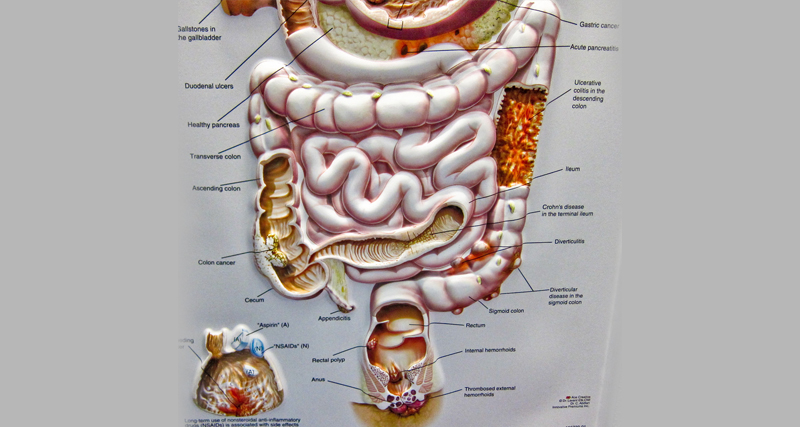
Medical illustration of the digestive tract highlighting causes and locations of bowel polyps

Causes and Risk Factors of Bowel Polyps

Causes and Risk Factors of Bowel Polyps The causes and risk factors of bowel polyps are multifactorial, involving genetic, environmental, and lifestyle elements. Recognising the risk is essential for early detection and prevention of more serious colorectal conditions. 6 Causes and Risks 1. Genetic conditions and family historyHereditary syndromes like Familial Adenomatous Polyposis (FAP) and Lynch syndrome significantly raise polyp risk. Even without these syndromes, having a close relative with colorectal polyps or cancer increases risk. 2. AgeingThe majority of cases are diagnosed in individuals over 50. Cellular changes and cumulative exposure to environmental factors make older adults more vulnerable to polyp development. 3. Diet and lifestyleHigh consumption of red or processed meat, low fibre intake, smoking, alcohol use, and obesity all play a role. These behaviours contribute to chronic inflammation and reduced digestive efficiency. 4. Chronic bowel conditionsPeople with ulcerative colitis or Crohn’s disease face increased risk due to long-term bowel inflammation, which can lead to both inflammatory and adenomatous polyps. 5. Diabetes and metabolic health Type 2 diabetes, especially when poorly managed, is associated with higher risk. Insulin resistance may create conditions favourable to polyp growth. 6. Environmental and hormonal exposureLong-term hormone therapy or prior radiation to the pelvic region may increase susceptibility, though evidence is still evolving. Causes and Risk Factors of Bowel Polyps In South Africa, limited access to dietary education, unequal healthcare distribution, and low screening uptake exacerbate the causes. Increasing community awareness and encouraging screening can dramatically reduce risk. 👉 [Next: Diagnosis and Evaluation of Bowel Polyps]

Causes and Risk Factors of Bowel Polyps Read More »

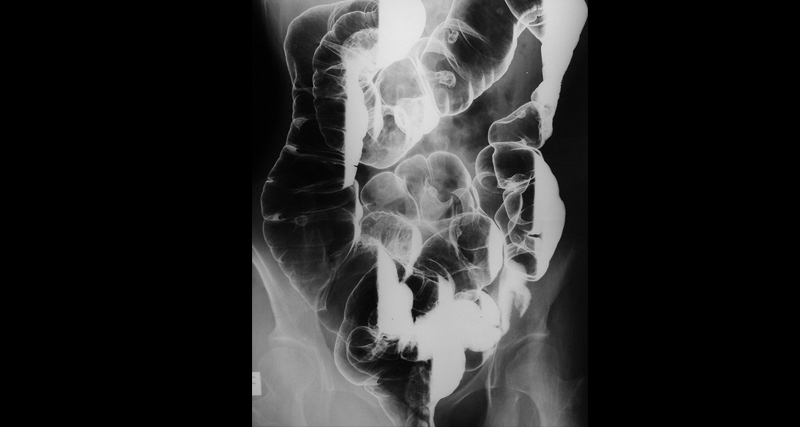
Barium enema X-ray showing contrast-filled colon for bowel polyp evaluation

Diagnosis and Evaluation of Bowel Polyps

Diagnosis and Evaluation of Bowel Polyps The diagnosis and evaluation of bowel polyps are critical steps in preventing colorectal cancer. Because these growths are often asymptomatic, routine screening plays a major role in early detection. Timely diagnosis can result in simple treatments and avoid life-threatening complications. 5 Forms of Diagnosis 1. ColonoscopyThis is the most comprehensive diagnostic method. A flexible tube with a camera is inserted into the rectum to visualise the entire colon. Polyps can often be removed during the procedure. 2. Flexible sigmoidoscopyUsed to inspect the lower colon. Less comprehensive than colonoscopy but still effective for initial screening. 3. Stool-based testsThese include FIT (Fecal Immunochemical Test), gFOBT (guaiac-based fecal occult blood test), and stool DNA tests. While non-invasive, they only indicate the potential presence of polyps and require follow-up if positive. 4. CT colonography (virtual colonoscopy)An imaging test that creates detailed views of the colon, often used when a full colonoscopy isn’t possible. 5. Biopsy and lab testingRemoved polyps are sent for histological analysis to determine their type and cancer risk. This helps guide future screening intervals. In South Africa, access to the diagnosis depends on healthcare setting. Private facilities typically offer faster diagnostics, while public hospitals may experience backlogs. However, even basic tests in primary care can initiate early referrals. Diagnosis and Evaluation of Bowel Polyps Ultimately, the diagnosis is a preventive strategy—one that saves lives through simple, proactive steps. 👉 [Next: Treatment Options for Bowel Polyps]

Diagnosis and Evaluation of Bowel Polyps Read More »

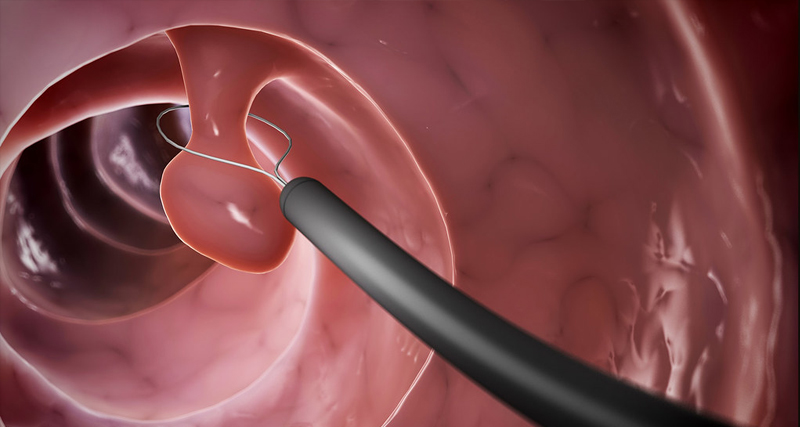
Endoscopic removal of a bowel polyp using a wire loop during colonoscopy

Treatment Options for Bowel Polyps

Treatment Options for Bowel Polyps The available treatment options for bowel polyps depend on the size, type, and number of polyps detected. In most cases, early-stage polyps are removed easily and without complications. Knowing the full range allows patients to make informed decisions and avoid cancer progression. 6 Common Treatment Options for Bowel Polyps 1. Polypectomy during colonoscopyMost polyps can be removed immediately during a colonoscopy using a snare or loop device. This outpatient procedure is effective, fast, and safe. 2. Endoscopic mucosal resection (EMR)Used for larger or flatter polyps. It involves injecting fluid to lift the polyp before cutting it away. Recovery is usually quick. 3. Surgical removalLarge or suspicious polyps may require surgery, especially if they cannot be removed endoscopically. This is more common for patients with hereditary conditions or multiple growths. 4. Pathology results and monitoringAll removed polyps are analysed. High-risk features, such as dysplasia or size greater than 1cm, may require closer follow-up. Repeat colonoscopies are scheduled based on findings. 5. Preventative strategiesA high-fibre diet, healthy weight, exercise, and avoiding smoking/alcohol can reduce recurrence. These changes support overall digestive health. 6. Genetic testing and counsellingPatients with frequent polyps or a family history of colorectal cancer may benefit from genetic evaluation. In South Africa, the accessibility of treatments varies. Private healthcare offers efficient solutions, while the public sector increasingly provides access to colonoscopy and surgical care. NGO programmes are beginning to fill gaps, especially in rural regions. Treatment Options for Bowel Polyps With early intervention, most are minimally invasive, offering excellent outcomes with low recurrence. 👉 [Next: Living with Bowel Polyps – Prevention and Outlook]

Treatment Options for Bowel Polyps Read More »

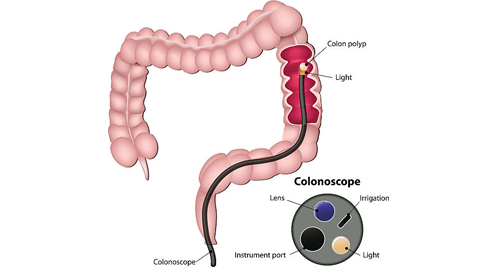
Diagram of colonoscopy detecting bowel polyps in the large intestine

Living with Bowel Polyps

Living with Bowel Polyps – Prevention and Outlook Living with bowel polyps requires a proactive approach to health. With early detection and lifestyle changes, most people experience no long-term effects. The key to successfully coping lies in ongoing monitoring and taking control of risk factors. 1. Emotional wellbeingA diagnosis may feel overwhelming, but reassurance from doctors and support from loved ones makes it easier. Most polyps are benign, and removal is straightforward. 2. Long-term surveillanceAfter treatment, regular colonoscopies ensure new polyps are caught early. Intervals may range from 1 to 5 years depending on polyp type and number. 3. Daily lifestyle habitsHealthy choices reduce the likelihood of recurrence: These habits also lower the risk of cardiovascular disease and diabetes, offering broader health benefits. 4. Supporting your familyIf you’ve been diagnosed, encourage family members—especially siblings and adult children—to undergo screening. Shared awareness helps catch conditions early. 5. South African realitiesIn South Africa, it’s easier for those with private medical cover. However, public awareness campaigns and mobile screening units are beginning to improve outcomes in underserved communities. 6. Positive prognosisWith the right follow-up, most patients remain polyp-free or detect new ones early. Education, adherence to screening schedules, and healthy living are the pillars of long-term success. Living with Bowel Polyps Living with bowel polyps doesn’t need to change your life—but ignoring them might. Empower yourself through knowledge and regular care. 👉 [End of Series | Back to Overview]

Living with Bowel Polyps Read More »

Scroll to Top