Mental Matters

Author name: admin

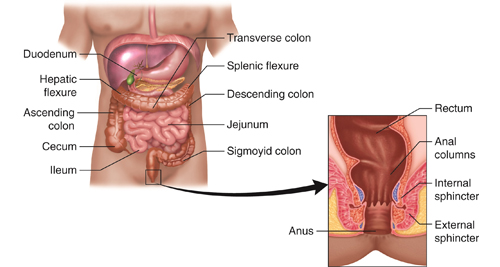
Bowel Incontinence Digestive Anatomy Diagram

Bowel Incontinence

Bowel Incontinence – Overview Bowel incontinence, also known as faecal incontinence, is the inability to control bowel movements, resulting in involuntary leakage of stool. It can range from occasional small leaks when passing gas to complete loss of bowel control. While common, especially in older adults, it remains underreported due to stigma and embarrassment. This condition can deeply impact a person’s quality of life, causing distress, anxiety, and social withdrawal. However, with proper diagnosis and treatment, many people manage or even fully resolve their symptoms. Common symptoms of bowel incontinence: It can be temporary (such as after childbirth or surgery) or chronic, depending on its cause. It affects people of all ages, though it is more common in: In South Africa, this is poorly discussed in both urban and rural health settings. Many sufferers do not seek help, believing it’s a “normal part of aging” or simply too embarrassing to mention. Despite the silence, help is available. Treatment varies depending on the cause, and many cases improve significantly with diet, medication, physiotherapy, or surgery. 👉 [Next: Causes and Risk Factors of Bowel Incontinence]

Bowel Incontinence Read More »

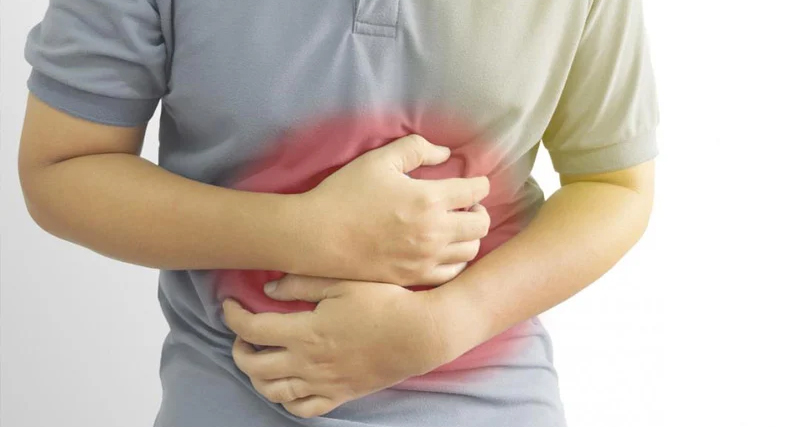
Person clutching abdomen to indicate bowel incontinence pain and discomfort

Causes and Risk Factors of Bowel Incontinence

Causes and Risk Factors of Bowel Incontinence Bowel incontinence can stem from a variety of causes, often involving damage or dysfunction in the muscles or nerves responsible for bowel control. In some cases, more than one factor may contribute. Learn more about the causes and risk factors of bowel incontinence below. 9 Common Causes and Risk Factors of Bowel Incontinence 1. Muscle damage 2. Nerve damage 3. Rectal issues 4. Chronic diarrhoea or constipation 5. Age-related weakening 6. Cognitive or mobility impairments 7. Surgery or radiation 8. Lifestyle and socio-economic factors Causes and Risk Factors of Bowel Incontinence Identifying the cause of bowel incontinence is the first step toward targeted, effective treatment. 👉 [Next: Diagnosis and Evaluation of Bowel Incontinence]

Causes and Risk Factors of Bowel Incontinence Read More »

Doctor examining a patient with bowel incontinence symptoms for diagnostic evaluation

Diagnosis and Evaluation of Bowel Incontinence

Diagnosis and Evaluation of Bowel Incontinence Accurate diagnosis and evaluation of bowel incontinence involves a comprehensive approach to uncover the underlying cause. Many people feel embarrassed discussing it, but healthcare providers are trained to handle these conversations sensitively. 1. Medical history 2. Physical examination 3. Tests and investigations A. Anorectal manometry B. Endoanal ultrasound C. Defecography D. Colonoscopy or sigmoidoscopy E. Stool tests In South Africa: Diagnosis and Evaluation of Bowel Incontinence Despite these challenges, diagnosis is often possible based on history, exam findings, and simple in-clinic assessments — leading to practical, effective interventions. 👉 [Next: Treatment Options for Bowel Incontinence]

Diagnosis and Evaluation of Bowel Incontinence Read More »

Hand holding a small medical suppository

Treatment Options for Bowel Incontinence

Treatment Options for Bowel Incontinence Treatment options for bowel incontinence depends on the underlying cause, severity, and the individual’s lifestyle. In many cases, non-surgical options are highly effective, especially when initiated early. 1. Lifestyle and dietary changes 2. Pelvic floor physiotherapy 3. Medications 4. Bowel training and retraining 5. Anal plugs or pads 6. Surgery 7. Psychological support In South Africa, treatment is improving but remains inequitably distributed, with better access in private and metropolitan areas. Programmes led by pelvic physiotherapists and NGOs can offer guidance where resources are limited. Treatment Options for Bowel Incontinence Treatment success is highly achievable, particularly when patients seek help early. 👉 [Next: Living with Bowel Incontinence – Support and Outlook]

Treatment Options for Bowel Incontinence Read More »

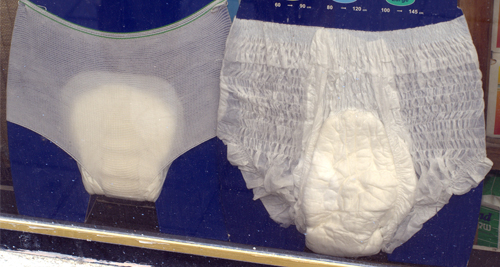
Adult incontinence pads and underwear on display

Living with Bowel Incontinence

Living with Bowel Incontinence – Support and Outlook While bowel incontinence can be deeply distressing, many people go on to live full and active lives with the right treatment, support, and adjustments. Learn more about living with bowel incontinence below. 1. Emotional and psychological wellbeing 2. Managing day-to-day life 3. Coping strategies 4. Relationships and intimacy 5. Employment and education 6. Long-term prognosis 7. Resources in South Africa for Living with Bowel Incontinence The most important message: You are not alone. Bowel incontinence is common, treatable, and manageable with the right team and tools. 👉 [End of Series | Back to Overview]

Living with Bowel Incontinence Read More »

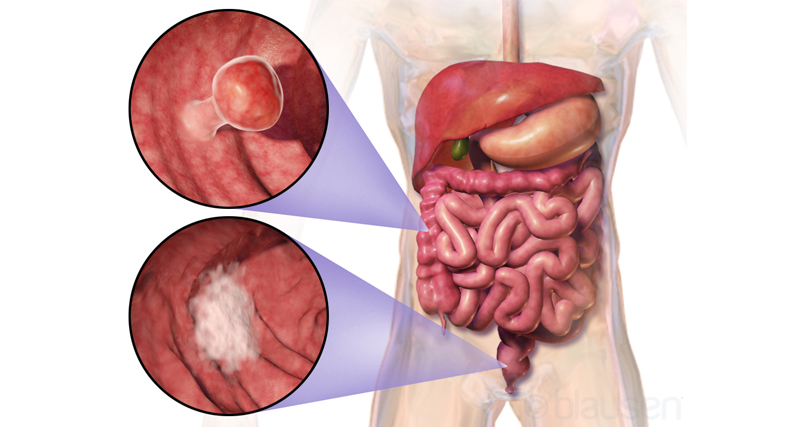
Medical diagram showing location and close-up views of bowel cancer in the digestive tract

Bowel Cancer

Bowel Cancer – Overview Bowel cancer, also known as colorectal cancer, is a common and potentially deadly cancer that affects the large intestine, including the colon and rectum. It usually begins as small growths called polyps, which may become cancerous over time if not detected and removed early. This condition ranks among the top five most common cancers worldwide, including in South Africa. It typically affects people over the age of 50, but younger cases are becoming more common, partly due to changes in diet, lifestyle, and genetic awareness. Early detection is critical — when diagnosed at an early stage, this condition has a high survival rate, especially with surgery and appropriate treatment. Common symptoms of bowel cancer: Because these symptoms often resemble other digestive conditions like IBS, haemorrhoids, or infections, bowel cancer can go unnoticed until it has progressed. This is why screening and awareness are so important. In South Africa, awareness is growing, but screening remains limited in public facilities. Most people are diagnosed only after symptoms appear, which often means later stages of the disease. This condition affects men and women equally, and risk increases with age. However, lifestyle factors — such as low fibre intake, high consumption of red or processed meat, obesity, and alcohol — also play a major role. When found early, bowel cancer is one of the most treatable cancers, with surgery, chemotherapy, and radiation therapy offering effective options. 👉 [Next: Causes and Risk Factors of Bowel Cancer]

Bowel Cancer Read More »

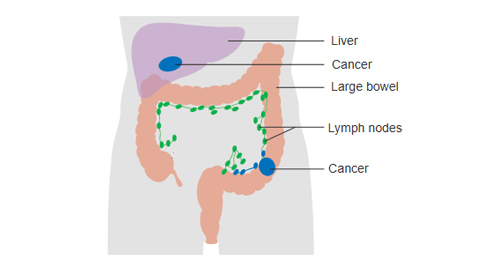
Diagram showing bowel cancer affecting large bowel, lymph nodes, and liver

Causes and Risk Factors of Bowel Cancer

Causes and Risk Factors of Bowel Cancer Causes and risk factors of bowel cancer develops when cells in the colon or rectum grow uncontrollably, often beginning as non-cancerous polyps. Over time, some polyps can become cancerous, especially if left undetected. Several risk factors contribute to the development of bowel cancer, many of which are preventable or manageable through lifestyle changes and regular screening. 1. Age 2. Diet and lifestyle 3. Family history 4. Genetic syndromes 5. Inflammatory bowel disease (IBD) 6. Diabetes 7. Previous cancer or radiation therapy 8. Ethnicity and access to care Causes and Risk Factors of Bowel Cancer Awareness of these risk factors can lead to earlier detection and life-saving intervention. 👉 [Next: Diagnosis and Screening for Bowel Cancer]

Causes and Risk Factors of Bowel Cancer Read More »

Diagnosis and Screening for Bowel Cancer

Diagnosis and Screening for Bowel Cancer

Diagnosis and Screening for Bowel Cancer Early diagnosis and screening for bowel cancer is critical to improving survival rates. Since early stages often have no symptoms, regular screening is the most effective way to detect the disease before it spreads. 1. Screening tests A. Faecal immunochemical test (FIT) B. Colonoscopy C. Sigmoidoscopy D. CT colonography (virtual colonoscopy) 2. Diagnostic confirmation 3. Staging the cancer 4. Blood tests In South Africa: Diagnosis and Screening for Bowel Cancer If caught early, bowel cancer has a 5-year survival rate of over 90%, but this drops dramatically with late-stage diagnosis. 👉 [Next: Treatment Options for Bowel Cancer]

Diagnosis and Screening for Bowel Cancer Read More »

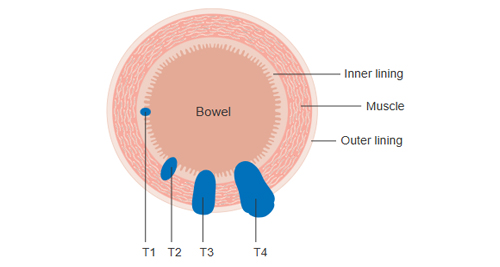
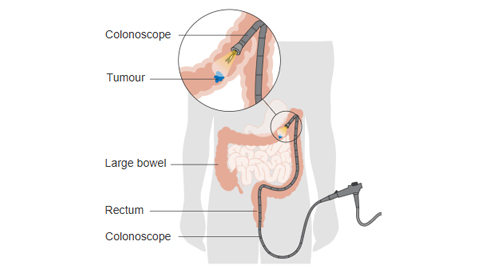
Diagram showing a colonoscope examining a tumour in the large bowel for bowel cancer treatment.

Treatment Options for Bowel Cancer

Treatment Options for Bowel Cancer Treatment options for bowel cancer depends on the stage of the cancer, location, and the patient’s overall health. Most cases require a combination of surgery, chemotherapy, and possibly radiation therapy. 1. Surgery 2. Chemotherapy 3. Radiation therapy 4. Targeted therapies and immunotherapy 5. Palliative care Multidisciplinary teams — including oncologists, surgeons, dietitians, psychologists, and nurses — offer the best outcomes when care is coordinated. Treatment Options for Bowel Cancer In South Africa: 👉 [Next: Living with Bowel Cancer – Recovery and Support]

Treatment Options for Bowel Cancer Read More »

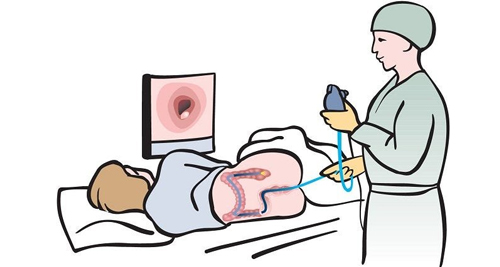
Medical illustration of a colonoscopy procedure for bowel cancer diagnosis and monitoring.

Living with Bowel Cancer

Living with Bowel Cancer – Recovery and Support Recovering from bowel cancer treatment involves more than just physical healing. Emotional resilience, long-term monitoring, and practical adjustments are all part of living well after cancer. The following adjustments can be considered when living with bowel cancer. 1. Post-surgical recovery 2. Diet and lifestyle 3. Emotional health 4. Follow-up care 5. Return to normal life 6. Support in South Africa Living with Bowel Cancer With the right care, bowel cancer survivors can live long, fulfilling lives. Awareness, early diagnosis, and supportive systems are the foundation of hope and healing. 👉 [End of Series | Back to Overview]

Living with Bowel Cancer Read More »

Scroll to Top