Mental Matters

Author name: admin

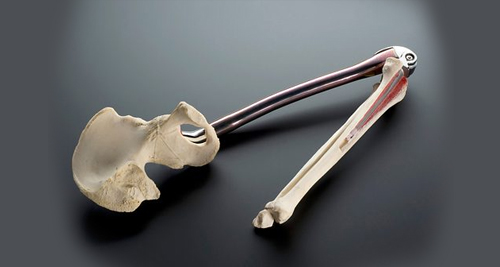
Prosthetic model showing a human femur and hip bone replacement, often used in advanced bone cancer cases.

Bone Cancer

Bone Cancer – Overview Bone cancer refers to a malignant tumour that starts in the bone or bone tissue. It’s distinct from cancers that spread to the bones from other organs, such as breast or prostate cancer — those are known as secondary or metastatic bone cancers. Primary is rare but can be aggressive, especially if not detected early. This can affect people of all ages but is more common in children, teens, and young adults. In South Africa, access to early diagnosis varies widely by region, often leading to delayed detection in rural areas or under-resourced communities. Types of primary bone cancer include: Common symptoms: This condition may be mistaken for sports injuries or growing pains, especially in children, which can delay diagnosis. While rare, it’s important to investigate any long-lasting bone pain or swelling that doesn’t improve with rest. Though this condition is serious, advances in treatment, especially when caught early, have improved outcomes significantly. Multidisciplinary care — involving oncologists, orthopaedic surgeons, and rehabilitation teams — is crucial for managing this complex condition. 👉 [Next: Causes and Risk Factors of Bone Cancer]
Bone Cancer Read More »

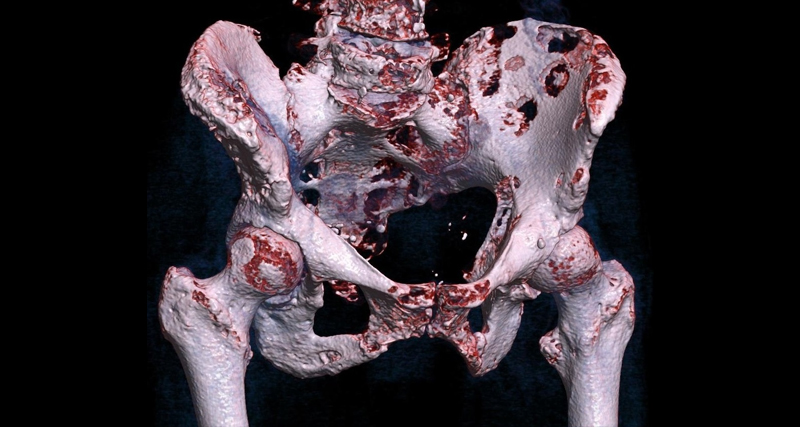
3D bone scan showing widespread bone lesions indicative of cancer affecting the pelvis and lower spine.

Causes and Risk Factors of Bone Cancer

Causes and Risk Factors of Bone Cancer The precise causes and risk factors of bone cancer are often unknown, but researchers believe a combination of genetic mutations, bone cell abnormalities, and environmental exposures play a role. While many cases are sporadic, several risk factors have been identified. 1. Genetic mutations 2. Radiation exposure 3. Bone disorders 4. Age and growth spurts 5. Gender 6. Family history 7. Chronic inflammation or injury 8. Ethnicity and geography Causes and Risk Factors of Bone Cancer Understanding the risk factors is crucial for early screening in high-risk individuals and for guiding treatment decisions. 👉 [Next: Diagnosis and Testing for Bone Cancer]

Causes and Risk Factors of Bone Cancer Read More »

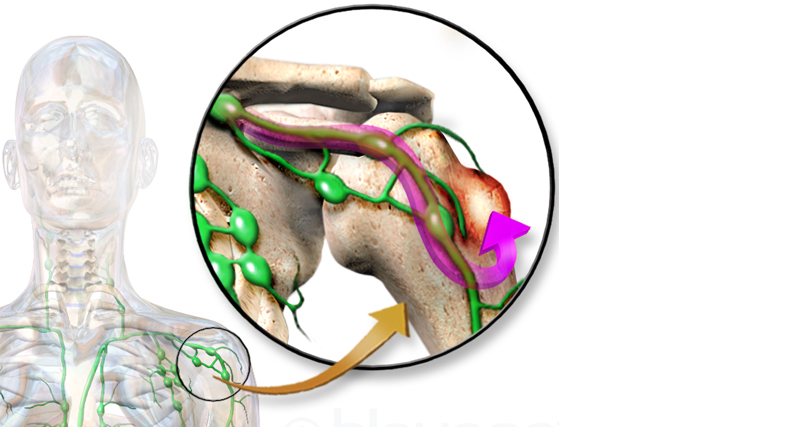
Illustration of bone cancer with lymphatic spread and anatomical highlighting of affected bone and lymph nodes.

Diagnosis and Testing for Bone Cancer

Diagnosis and Testing for Bone Cancer Prompt and accurate diagnosis is key to effectively treating bone cancer. Because early symptoms can mimic injuries or common bone conditions, doctors must carry out a thorough diagnostic process to confirm cancer, identify its type, and plan the right treatment. Learn more about the diagnosis and testing for bone cancer below. Initial steps in diagnosis: South African context: Diagnosis and Testing for Bone Cancer A timely, accurate diagnosis is the first step to improving outcomes and preserving mobility in bone cancer patients. 👉 [Next: Treatment Options for Bone Cancer]

Diagnosis and Testing for Bone Cancer Read More »

Tablet displaying a word cloud centred around cancer-related terms, including causes, symptoms, and treatments.

Treatment Options for Bone Cancer

Treatment Options for Bone Cancer Treatment options for bone cancer typically involves a multidisciplinary approach, combining surgery, chemotherapy, and radiation therapy. The goal is to remove or destroy the cancer, reduce the risk of recurrence, and preserve as much limb function as possible. 1. Surgery 2. Chemotherapy 3. Radiation therapy 4. Targeted therapies and clinical trials 5. Supportive care In South Africa: Treatment Options for Bone Cancer Early, aggressive treatment improves survival rates and offers the best chance at preserving quality of life. 👉 [Next: Living with Bone Cancer – Recovery and Support] https://mentalmatters.co.za/bone-cancer/

Treatment Options for Bone Cancer Read More »

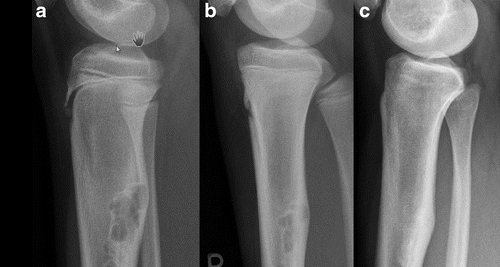
X-ray images showing the progression and treatment response of bone cancer in the leg.

Living with Bone Cancer

Living with Bone Cancer – Recovery and Support Living with bone cancer involves not only physical recovery but also emotional and social adjustment. Whether you’re undergoing treatment or in remission, long-term care, support, and rehabilitation are essential to ensure a good quality of life. 1. Physical rehabilitation 2. Emotional and psychological support 3. Education and social reintegration 4. Long-term monitoring 5. Nutrition and lifestyle 6. Financial and practical challenges 7. Survivor outlook Living with Bone Cancer Many survivors of bone cancer go on to lead full, active lives, pursue careers, and start families. With continued support, education, and follow-up, bone cancer doesn’t have to be the end of your future — it can be the beginning of a new one. 👉 [End of Series | Back to Overview]

Living with Bone Cancer Read More »

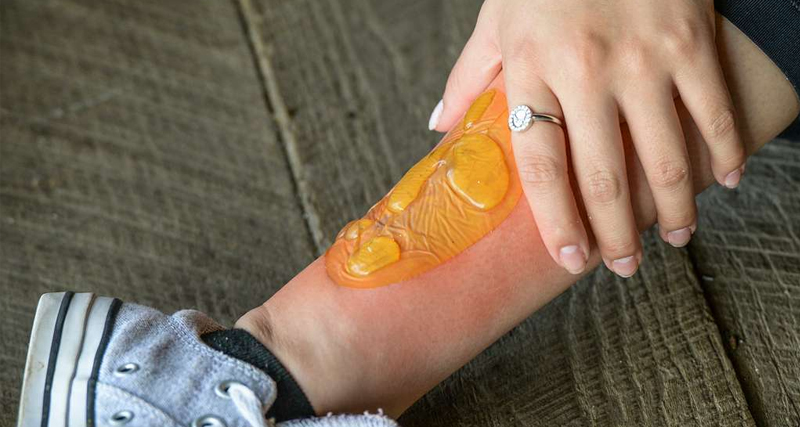
Boil on leg with a protective transparent dressing and surrounding redness being treated by hand.

 Boils

Boils – Overview A boil, also known as a furuncle, is a painful, pus-filled bump that develops under the skin when a hair follicle or oil gland becomes infected. Boils are caused by bacteria — most commonly Staphylococcus aureus — and often appear on areas of the body prone to sweating, friction, or hair growth, such as the neck, armpits, thighs, buttocks, or face. Boils typically start as red, tender lumps, and within a few days, they become larger, more painful, and filled with pus. Once the boil bursts and drains, it usually begins to heal, but in some cases, it may require medical treatment. In South Africa, they are common, especially in warmer climates and overcrowded living conditions, where skin hygiene and access to healthcare may be limited. They can affect people of any age but are more frequent in teens and adults. Signs and symptoms of  boils: Common sites for boils: When two or more of them, they can create a larger, connected cluster known as a carbuncle, which may cause deeper skin infections and systemic symptoms. Although most boils resolve on their own, complications may include: Boils are different from pimples or cysts, as they’re caused by infection and may require drainage or antibiotics. 👉 [Next: Causes and Risk Factors of Boils]

 Boils Read More »

Close-up of a boil on irritated skin, showing redness, swelling, and a central pustule.

Causes and Risk Factors of Boils

Causes and Risk Factors of Boils Boils are caused by a bacterial infection, usually by Staphylococcus aureus, which enters the skin through minor cuts, ingrown hairs, or blocked sweat glands. The body responds by sending white blood cells to the area, forming pus and creating an inflamed, painful lump. Read more about the causes and risk factors of boils below. Common causes include: Key risk factors: Causes and Risk Factors of Boils Boils are not usually dangerous, but recurring or large ones may signal a deeper problem. Understanding the risk factors helps prevent future outbreaks. 👉 [Next: Diagnosis and When to Seek Help]

Causes and Risk Factors of Boils Read More »

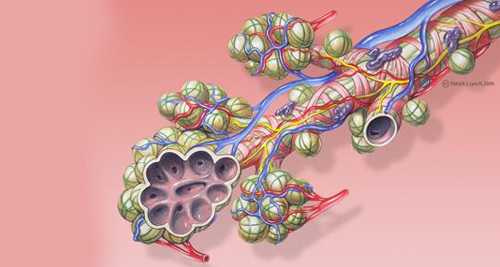
Detailed anatomical illustration of alveoli and blood vessels, depicting lung structures vital for respiratory diagnosis.

Diagnosis and When to Seek Help

Diagnosis and When to Seek Help Diagnosis and when to seek help for a boil is usually straightforward. A healthcare provider can identify it through a physical examination, based on its appearance, location, and symptoms. However, further investigation may be needed if boils are recurrent, unusually large, or show signs of systemic infection. Typical signs doctors look for: Additional tests may be done if: Diagnostic tests may include: When to seek medical attention: In South Africa, public clinics are well-equipped to treat boils, especially if caught early. Private GPs and dermatologists may provide faster diagnosis and lab testing for persistent or resistant cases. Diagnosis and When to Seek Help Early treatment can prevent complications such as abscess formation, scarring, or bloodstream infection (sepsis). 👉 [Next: Treatment and Home Care for Boils]

Diagnosis and When to Seek Help Read More »

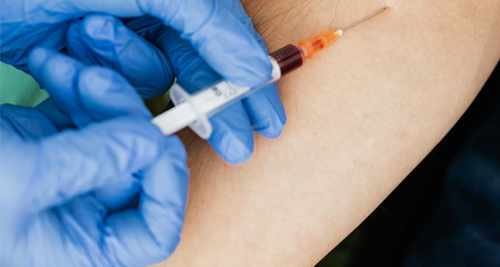
Close-up of a healthcare worker drawing fluid with a syringe, suggesting treatment of a skin infection or boil.

Treatment and Home Care for Boils

Treatment and Home Care for Boils Most small boils can be treated at home with basic hygiene and warm compresses, but larger or more severe infections may need medical attention, incision and drainage, or antibiotics. Read more about the treatment and home care for boils below. 1. Home care for small boils: 2. Do NOT: 3. Medical treatments: A. Incision and drainage (I&D) B. Antibiotics C. Pain management 4. Treating recurrent boils: In the South African context: Treatment and Home Care for Boils Prompt treatment reduces scarring and stops spread to others. 👉 [Next: Prevention and Long-Term Skin Health]

Treatment and Home Care for Boils Read More »

Woman holding inflamed hand with visible redness, representing skin irritation or early signs of a boil.

Boils Prevention and Long-Term Skin Health

Boils Prevention and Long-Term Skin Health Preventing boils involves reducing exposure to bacteria, keeping skin healthy, and addressing underlying conditions that contribute to recurrent infections. Read more about boils prevention and long-term skin health below. 1. Practise good hygiene 2. Avoid skin trauma 3. Keep skin dry and clean 4. Don’t share personal items 5. Manage chronic conditions 6. Nutrition and immunity 7. Treat nasal carriers 8. Clean and disinfect Boils Prevention and Long-Term Skin Health In South Africa, where overcrowding and shared facilities are common in some communities, educational outreach and access to antibacterial resources can make a big difference in preventing outbreaks. With consistency, it is possible to break the cycle of recurring boils and maintain clear, healthy skin. 👉 [End of Series | Back to Overview]

Boils Prevention and Long-Term Skin Health Read More »

Scroll to Top