Mental Matters

Author name: admin

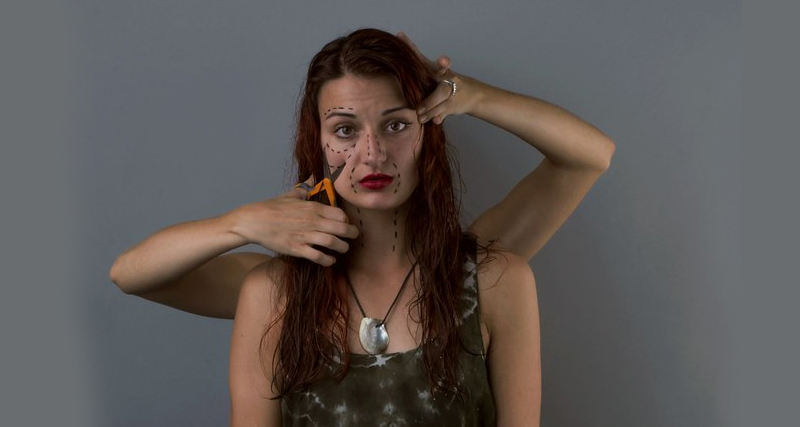
Woman with facial markings and extra arms holding scissors, symbolising inner conflict and distorted self-image linked to body dysmorphic disorder.

Body Dysmorphic Disorder

Body Dysmorphic Disorder (BDD) – Overview Body Dysmorphic Disorder (BDD) is a mental health condition in which a person becomes obsessively concerned with one or more perceived flaws in their physical appearance — flaws that are either minor or not visible to others at all. These worries are far more intense than typical appearance concerns and can significantly impact daily life, relationships, and emotional wellbeing. BDD is not vanity. It is a serious psychological disorder often misunderstood as simple insecurity. People with BDD may spend hours each day checking mirrors, comparing themselves to others, or engaging in repetitive behaviours like skin picking or excessive grooming. In South Africa, BDD is likely underdiagnosed, especially in communities where mental health awareness remains limited. Social media, unrealistic beauty standards, and cultural pressure contribute to growing body image distress, particularly among teens and young adults. Key features of Body Dysmorphic Disorder include: BDD can affect anyone, regardless of gender, although it often begins in adolescence. People with BDD may also have other mental health conditions, such as depression, anxiety, obsessive-compulsive disorder (OCD), or eating disorders. BDD differs from general low self-esteem. The level of distress and obsession is so intense that it can lead to social isolation, work or school disruption, and even suicidal thoughts. If left untreated, the condition can become chronic. However, with appropriate help — particularly therapy and sometimes medication — many people experience meaningful recovery. 👉 [Next: Causes and Risk Factors of BDD]

Body Dysmorphic Disorder Read More »

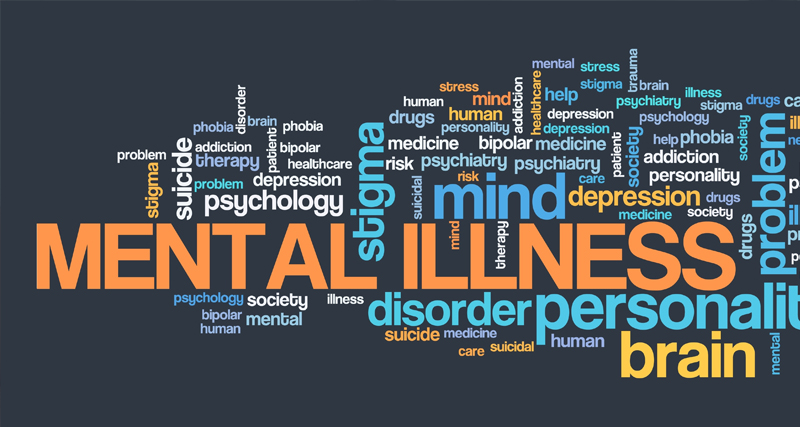
Word cloud highlighting mental illness terms like depression, stigma, disorder, brain, and personality, related to mental health.

Causes and Risk Factors of BDD

Causes and Risk Factors of BDD The exact cause of Body Dysmorphic Disorder (BDD) is not fully understood. Like many mental health conditions, BDD is believed to develop from a combination of biological, psychological, and environmental factors. Genetics, upbringing, trauma, and societal pressure all play a role. Ready more about the causes and risk factors of BDD below. 1. Biological factors 2. Genetic predisposition 3. Psychological factors 4. Environmental and social influences 5. Trauma and abuse 6. Co-occurring conditions Causes and Risk Factors of BDD Many people with BDD are not aware they have a treatable condition. They may believe their concerns are valid and seek help from dermatologists or cosmetic surgeons instead of mental health professionals. Early recognition and intervention are key to improving long-term outcomes. 👉 [Next: Diagnosis and Recognition of BDD]

Causes and Risk Factors of BDD Read More »

A man speaking with a female mental health professional during a counselling session in a modern, bright office.

Diagnosis and Recognition of BDD

Diagnosis and Recognition of BDD Diagnosing Body Dysmorphic Disorder (BDD) can be challenging because many individuals hide their symptoms or genuinely believe they have a physical defect. It is often mistaken for low self-esteem, vanity, or body image issues without realising it is a psychiatric condition. Read more about the diagnosis and recognition of BDD below. Mental health professionals, such as psychologists or psychiatrists, typically diagnose BDD using clinical interviews and DSM-5 criteria. Key diagnostic criteria include: Screening questions may include: BDD vs normal appearance concerns: Red flags to watch for: Diagnosis and Recognition of BDD In South Africa, stigma around mental illness and limited access to specialised psychological services often lead doctors to overlook BDD. Many individuals present first to GPs or beauty clinics, not realising the root is psychological. Raising awareness among healthcare providers and communities is essential for early intervention. 👉 [Next: Treatment Options for BDD]

Diagnosis and Recognition of BDD Read More »

Visual showing synonyms for Body Dysmorphic Disorder (BDD) on a blue background, including dysmorphia and dread of deformity.

Treatment Options for BDD

Treatment Options for BDD Body Dysmorphic Disorder (BDD) is highly treatable with the right approach. The most effective treatment plan usually includes a combination of psychotherapy, medication, and supportive interventions. Treatment options for BDD aims to reduce obsessive thoughts, stop harmful behaviours, and improve quality of life. 1. Cognitive Behavioural Therapy (CBT) 2. Exposure and Response Prevention (ERP) 3. Medication 4. Group therapy and support groups 5. Family therapy 6. Avoid cosmetic procedures 7. Mindfulness and stress management In South Africa: Treatment Options for BDD Recovery takes time, but with consistent care, people with BDD can regain freedom from obsession and reconnect with the world in healthier ways. 👉 [Next: Living with BDD – Self-Compassion and Recovery]

Treatment Options for BDD Read More »

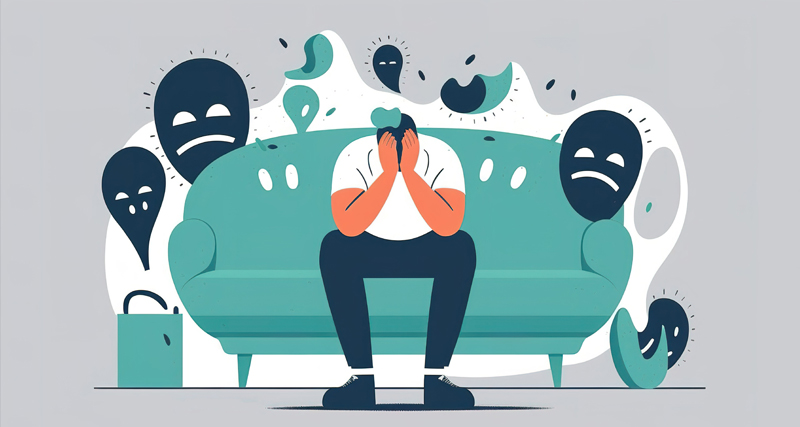
Illustration of a person sitting on a couch with their head in hands, surrounded by negative thoughts symbolising Body Dysmorphic Disorder (BDD).

Living with BDD

Living with BDD – Self-Compassion and Recovery Living with Body Dysmorphic Disorder can feel isolating and overwhelming. However, with support, self-awareness, and ongoing treatment, recovery is possible. Living with BDD and learning to accept uncertainty, reduce compulsive behaviours, and build self-worth beyond appearance are key to long-term wellbeing. 1. Rebuilding self-image 2. Managing setbacks 3. Building a strong support system 4. Limiting triggers 5. Returning to life 6. Finding local help in South Africa 7. Self-care tips Recovery from BDD is not about ignoring appearance altogether — it’s about placing appearance in its rightful place, no longer at the centre of your identity. Living with BDD You are more than what you see in the mirror. With the right help, you can learn to see yourself through a lens of compassion and resilience. 👉 [End of Series | Back to Overview]

Living with BDD Read More »

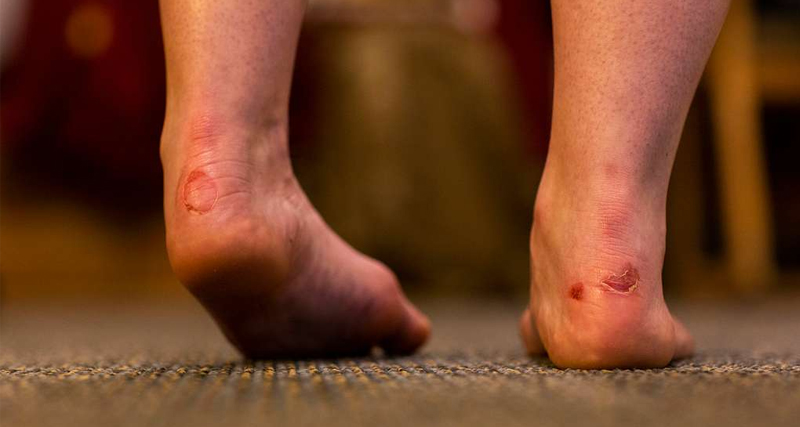
Close-up of feet with visible blisters on the heels caused by friction, likely from footwear.

Blisters

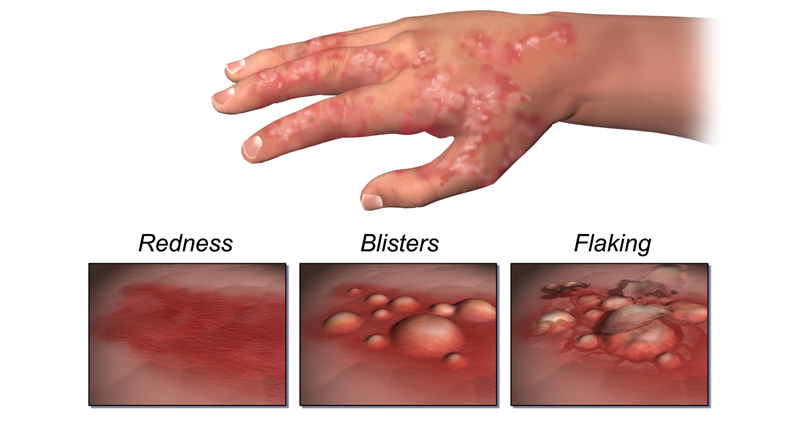
Blisters – Overview Blisters are small pockets of fluid that form under the skin, usually in response to friction, heat, or irritation. The fluid inside is typically clear serum, but in some cases, it may contain blood (blood blisters) or pus (signs of infection). While they are usually harmless and heal on their own, they can be painful, prone to infection, and interfere with daily activities if not managed properly. Blisters are very common across all age groups. Most people have experienced blisters on the feet from tight shoes, hands from manual work, or sunburn sores after excessive sun exposure. In South Africa, blistering from heat, insect bites, poor footwear, and skin infections is particularly frequent in both urban and rural settings. Types of blisters: Symptoms of blisters: Common causes: Although most are not dangerous, complications can arise if the skin breaks or if bacteria enter, leading to infection. Some may also indicate underlying illness, especially if they recur frequently or appear alongside fever, fatigue, or rashes. 👉 [Next: Causes and Types of Blisters]

Blisters Read More »

Causes and Types of Blisters

Causes and Types of Blisters

Causes and Types of Blisters Understanding the cause and type of a blister helps determine how best to treat it and prevent recurrence. While friction is the most common trigger, a wide range of other factors — including burns, infections, and medical conditions — can also cause blisters. Learn about the causes and types of blisters below. 1. Friction blisters 2. Heat or burn blisters 3. Blood blisters 4. Viral infections 5. Allergic and irritant reactions 6. Skin infections 7. Autoimmune and chronic diseases Causes and Types of Blisters Environmental and occupational factors such as heat, excessive walking, or working with chemicals increase the risk of blisters, especially where protective footwear or gloves are not worn. 👉 [Next: Diagnosis and When to See a Doctor]

Causes and Types of Blisters Read More »

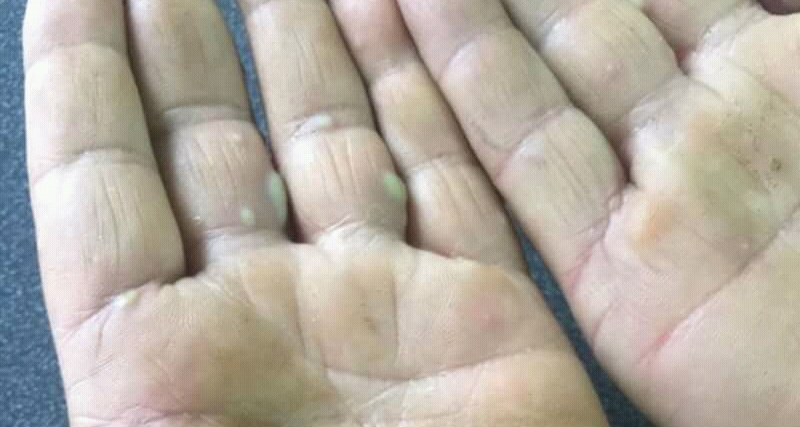
Close-up of a person’s palms showing several fluid-filled blisters, indicating possible skin irritation or infection.

Blisters Diagnosis and When to See a Doctor

Blisters Diagnosis and When to See a Doctor While most blisters are minor and self-diagnosable, certain signs indicate the need for professional medical evaluation, particularly if the blister is unusually painful, widespread, or associated with other symptoms. Read more about blisters diagnosis and when to see a doctor below. Self-diagnosis is typically based on: When to seek medical advice: Diagnostic tools and tests (used in complex or recurrent cases): South African healthcare context: Blisters Diagnosis and When to See a Doctor Knowing when a blister is more than just a friction issue can make all the difference in preventing complications and preserving skin health. 👉 [Next: Treatment and Home Care for Blisters]

Blisters Diagnosis and When to See a Doctor Read More »

Blister packs of different coloured tablets on a yellow background, representing treatment and home care for skin blisters.

Treatment and Home Care for Blisters

Treatment and Home Care for Blisters Most blisters heal naturally without intervention, but appropriate care can relieve discomfort and prevent infection. The treatment and home care for blisters depends on the blister’s size, cause, and location. General treatment tips: Specialised care based on blister type: Natural remedies (to use with caution): In South Africa, pharmacies often stock: Treatment and Home Care for Blisters Proper blister care ensures faster healing, less discomfort, and lower risk of infection. 👉 [Next: Prevention and Long-Term Skin Care]

Treatment and Home Care for Blisters Read More »

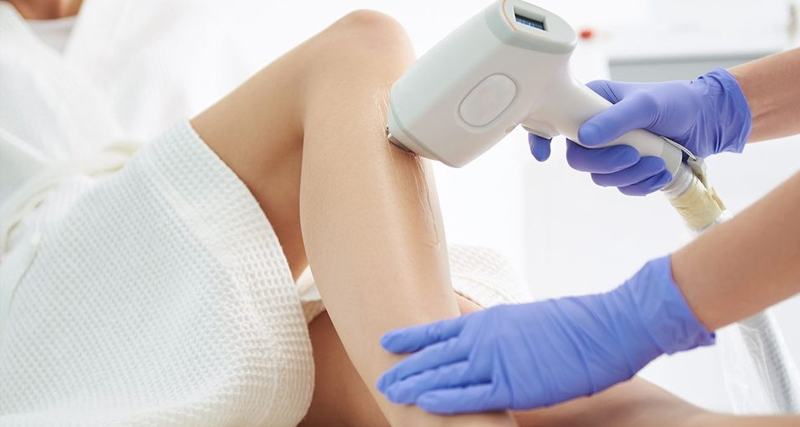
A medical professional uses a skincare device on a woman's leg during a treatment session to promote long-term skin health.

Blisters Prevention and Long-Term Skin Care

Blisters Prevention and Long-Term Skin Care While some causes of blisters are unpredictable, many can be prevented with simple lifestyle adjustments and skin protection strategies. Learn more about blisters prevention and long-term skin care below. 1. Prevent friction blisters 2. Avoid burn-related blisters 3. Manage underlying skin conditions 4. Stay hydrated and maintain skin health 5. Prevent infections 6. Diabetic and immunocompromised patients 7. First aid preparedness In the South African context, many blister cases are avoidable with education and protective gear, especially for labourers, outdoor workers, and children in informal footwear. Blisters Prevention and Long-Term Skin Care Protecting your skin means protecting your health — and preventing blisters is easier than treating them. 👉 [End of Series | Back to Overview]

Blisters Prevention and Long-Term Skin Care Read More »

Scroll to Top