Mental Matters

Author name: admin

Man in formal attire using a white cane for navigation, symbolising blindness or vision loss.

Blindness and Vision Loss

Blindness and Vision Loss – Overview Blindness and vision loss refer to a significant reduction or total absence of sight that cannot be corrected with standard glasses, contact lenses, or medical treatment. It can be partial (low vision) or complete (total blindness) and may develop suddenly or gradually. Globally, an estimated 2.2 billion people have a vision impairment, and at least 1 billion of these cases could have been prevented or have yet to be addressed. In South Africa, vision loss is common in both rural and urban communities, particularly among older adults, people with diabetes, and those without access to regular eye care. Degrees of vision loss: Symptoms may include: Vision loss may affect one or both eyes, and the impact on a person’s independence, confidence, and mental health can be significant. Common types: Blindness and Vision Loss Vision loss can lead to reduced mobility, isolation, depression, and financial dependence. Early diagnosis and timely intervention are key to preventing blindness in many cases. 👉 [Next: Causes and Risk Factors of Vision Loss]

Blindness and Vision Loss Read More »

Woman wearing sunglasses indoors, possibly blind or visually impaired, seated against a white background.

Causes and Risk Factors of Vision Loss

Causes and Risk Factors of Vision Loss There are many causes and risk factors of vision loss, ranging from genetic conditions and chronic diseases to infections, trauma, and environmental exposure. Understanding the root cause helps guide effective treatment and prevention strategies. 9 Causes/Risks below: 1. Refractive errors (myopia, hyperopia, astigmatism, presbyopia) 2. Cataracts 3. Glaucoma 4. Diabetic retinopathy 5. Age-related macular degeneration (AMD) 6. Infections and trauma 7. Retinal detachment 8. Congenital and inherited disorders 9. Lifestyle and environmental risks Causes and Risk Factors of Vision Loss In South Africa, limited access to eye screenings, delayed care, and poor diabetes control are major contributors to preventable blindness. 👉 [Next: Diagnosis and Eye Health Assessments]

Causes and Risk Factors of Vision Loss Read More »

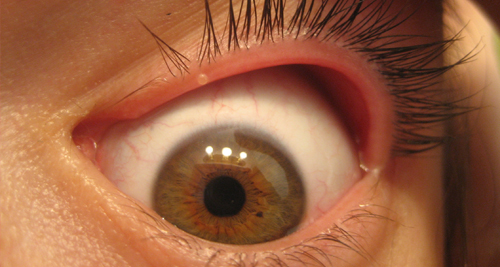
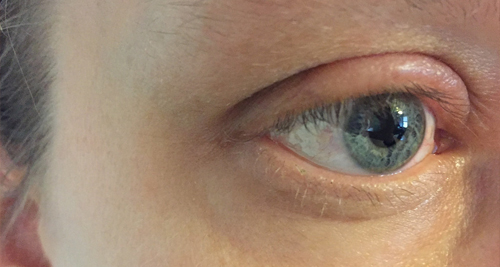
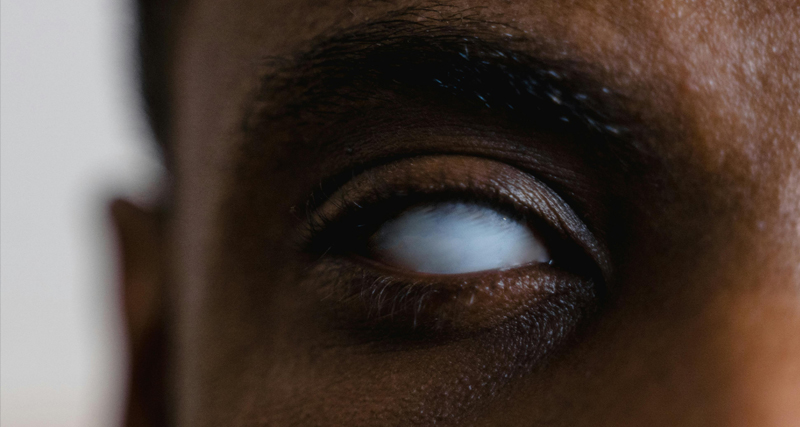
Close-up of a person’s eye showing signs of severe vision impairment or blindness.

Diagnosis and Eye Health Assessments

Diagnosis and Eye Health Assessments Timely and accurate diagnosis and eye health assessments is key to preserving vision and slowing the progression of eye disease. An eye examination can detect problems before symptoms develop and prevent permanent damage. When to see an eye specialist: Types of eye health assessments: Specialised assessments in children: South African context: Diagnosis and Eye Health Assessments Regular check-ups ensure treatable problems don’t become permanent disabilities. 👉 [Next: Treatment and Support for Vision Loss]

Diagnosis and Eye Health Assessments Read More »

Diagram of the eye showing ciliary muscle contraction and lens thickening for near vision focus.

Treatment and Support for Vision Loss

Treatment and Support for Vision Loss Treatment and support for vision loss depends on its cause, severity, and whether the damage is reversible. Some conditions require surgery or long-term medication, while others need support strategies to help individuals adapt to vision changes. 8 Common Treatments: 1. Glasses and contact lenses 2. Cataract surgery 3. Medication 4. Laser therapy 5. Intravitreal injections 6. Low vision aids 7. Orientation and mobility training 8. Support and counselling South African resources: Treatment and Support for Vision Loss Treatment success depends on early diagnosis, consistent care, and access to support tools. 👉 [Next: Living with Vision Loss – Adjustment and Independence]

Treatment and Support for Vision Loss Read More »

Blind man sitting on a park bench wearing sunglasses and holding a white cane.

Living with Vision Loss

Living with Vision Loss – Adjustment and Independence Adapting to living with vision loss requires time, support, and the right tools. Whether gradual or sudden, it can affect every aspect of life, from mobility to employment and mental health. 1. Emotional adjustment 2. Independence and daily living 3. Mobility support 4. Education and employment 5. Financial support 6. Advocacy and rights Hope and community: Living with Vision Loss Blindness does not define your ability to thrive. With the right help, sight loss does not mean life loss. 👉 [End of Series | Back to Overview]

Living with Vision Loss Read More »

Close-up of an inflamed eyelid showing signs of blepharitis with visible redness and irritation.

Blepharitis

Blepharitis – Overview Blepharitis is a common and often chronic condition that causes inflammation of the eyelids, particularly around the base of the eyelashes. It can affect people of all ages and may occur in one or both eyes. The condition is typically not contagious, but it can be recurrent and uncomfortable, sometimes interfering with vision or leading to other eye problems if left untreated. The eyelid margins become red, swollen, itchy, and may develop crusts or oily flakes. While blepharitis is not usually serious, it can become chronic, requiring long-term care and daily hygiene. Types of blepharitis: This condition is common in South Africa, especially in people with oily skin, rosacea, dandruff (seborrhoeic dermatitis), or allergies. Hot, dry climates, air pollution, and poor eyelid hygiene can also aggravate symptoms. Symptoms of blepharitis include: Although it may look alarming, it is not contagious and doesn’t usually cause permanent damage. However, it can lead to complications such as: Because of its chronic nature, many people with this condition must commit to a long-term eyelid hygiene routine to keep symptoms under control. 👉 [Next: Causes and Risk Factors of Blepharitis]

Blepharitis Read More »

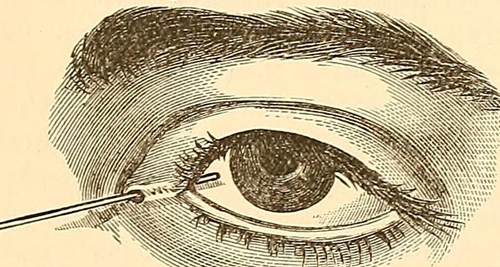
Illustration of an eye being examined for blepharitis using a fine instrument at the eyelid margin.

Causes and Risk Factors of Blepharitis

Causes and Risk Factors of Blepharitis Blepharitis results from a combination of bacterial overgrowth, oil gland dysfunction, and inflammatory skin conditions affecting the eyelid margins. It’s not caused by poor hygiene, but hygiene plays a critical role in managing the condition. Learn more about the causes and risk factors of blepharitis below. Common causes of blepharitis: In South Africa, sun exposure, air pollution, and limited access to dermatological care can contribute to worsening skin and eye conditions. People with coexisting conditions like diabetes or eczema may also be more prone to persistent blepharitis. Causes and Risk Factors of Blepharitis Understanding the underlying cause is essential for targeted treatment and long-term control. 👉 [Next: Diagnosis and Tests for Blepharitis]

Causes and Risk Factors of Blepharitis Read More »

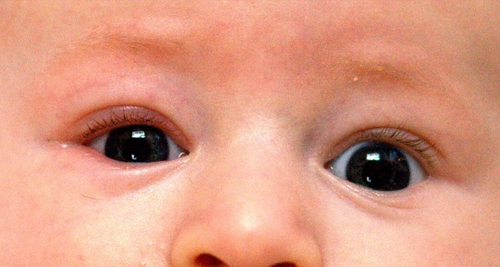
Close-up of a baby’s eyes showing early signs of blepharitis, including redness and swollen eyelids.

Diagnosis and Tests for Blepharitis

Diagnosis and Tests for Blepharitis Diagnosis and tests for blepharitis is generally straightforward and is usually based on a clinical eye examination and a review of symptoms. Most general practitioners, optometrists, or ophthalmologists can identify the condition without the need for complex tests. Medical history: Eye examination: Tests that may be used in complex cases: These specialised tests are generally available in ophthalmology clinics or advanced optometry practices in major cities like Cape Town, Johannesburg, and Durban. In rural areas, most diagnoses rely on physical examination alone. In many South African public clinics, diagnosis is based on visible eyelid signs and patient-reported symptoms. Doctors refer patients to an ophthalmologist if they notice signs of complications such as vision changes, eye pain, or swelling: Diagnosis and Tests for Blepharitis Early diagnosis and patient education can significantly improve outcomes and prevent long-term damage or recurrence. 👉 [Next: Treatment Options for Blepharitis]

Diagnosis and Tests for Blepharitis Read More »

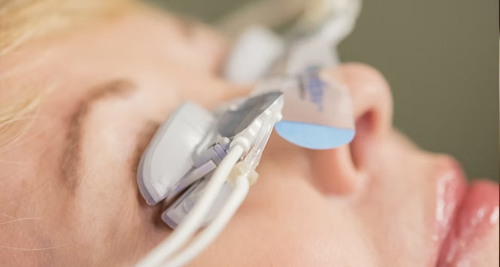
Close-up of a patient receiving thermal eyelid therapy to treat blepharitis using specialised medical equipment.

Treatment Options for Blepharitis

Treatment Options for Blepharitis Treatment options for blepharitis involves a combination of daily eyelid hygiene, medications (when needed), and managing underlying conditions. There is no permanent cure, but regular maintenance can keep symptoms under control. Treatments 1. Eyelid hygiene (the foundation of treatment) 2. Lubricating eye drops 3. Antibiotics 4. Steroid drops or ointments 5. Demodex treatment 6. Managing underlying conditions 7. In-office treatments (for resistant cases) Treatment Options for Blepharitis In South Africa, public clinics offer basic treatments like eye lubricants, antibiotic ointments, and hygiene guidance. Private optometrists or ophthalmologists may provide more advanced therapies. 👉 [Next: Living with Blepharitis – Daily Care and Outlook]

Treatment Options for Blepharitis Read More »

Close-up of an eye with visible redness and swelling around the eyelid, indicating symptoms of blepharitis.

Living with Blepharitis

Living with Blepharitis – Daily Care and Outlook Blepharitis is a chronic but manageable condition. With the right daily routine and attention to eye health. Living with blepharitis, most people can keep their symptoms under control and avoid complications. 1. Establish a consistent eyelid hygiene routine 2. Manage environmental triggers 3. Review personal care habits 4. Diet and lifestyle 5. Regular follow-ups Emotional impact: South African context: Outlook: Living with Blepharitis With patience and the right tools, clear, comfortable eyes are possible again. 👉 [End of Series | Back to Overview]

Living with Blepharitis Read More »

Scroll to Top