Mental Matters

Author name: admin

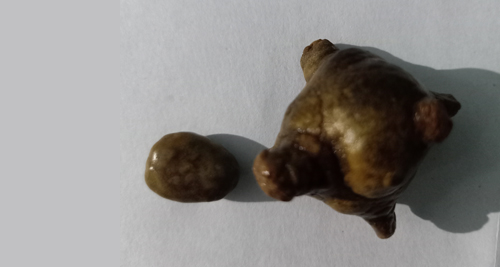
Two removed bladder stones of varying size and shape placed on a white background for clinical observation.

Bladder Stones

Bladder Stones – Overview Bladder stones are hard masses of minerals that form inside the bladder when urine becomes concentrated, and substances like calcium or uric acid crystallise. They can vary in size and number, ranging from tiny granules to large, painful stones. Although more common in men over 50, it can affect women and children as well. In South Africa, it’s are more frequently diagnosed in people with chronic urinary issues, poor hydration, or limited access to healthcare. In rural areas, late diagnosis is not uncommon due to symptom overlap with other conditions like urinary tract infections (UTIs) or prostate enlargement. Bladder stones may be: Typical symptoms include: Sometimes, small bladder stones may not cause symptoms and are only discovered during imaging for another condition. Common causes: Children in developing countries may develop this condition due to low protein diets, malnutrition, or vitamin deficiencies, although this is less common today. Untreated it can lead to complications such as chronic bladder infections, bladder wall thickening, urinary incontinence, and even kidney damage if back pressure occurs. Prompt diagnosis and treatment are essential to prevent long-term complications and restore normal bladder function. 👉 [Next: Causes and Risk Factors of Bladder Stones]

Bladder Stones Read More »

Microscopic view showing red and pink crystalline structures representing bladder stone formation in biological tissue.

Causes and Risk Factors of Bladder Stones

Causes and Risk Factors of Bladder Stones Bladder stones develop when urine in the bladder becomes stagnant or overly concentrated, causing minerals to crystallise and clump together. The resulting stones may remain in the bladder, grow larger over time, or cause irritation and blockage. Learn more about the causes and risk factors of bladder stones below Key causes and risk factors: Causes and Risk Factors of Bladder Stones While many of these factors relate to bladder function, others are systemic or environmental. Addressing the underlying cause is critical to preventing recurrence. 👉 [Next: Diagnosis and Testing for Bladder Stones]

Causes and Risk Factors of Bladder Stones Read More »

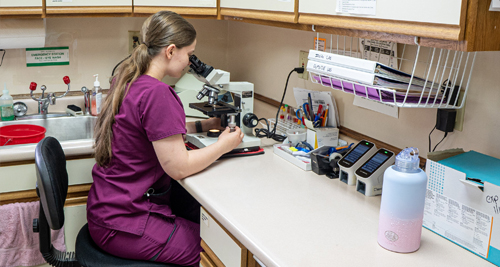
Female medical professional examining samples under a microscope in a clinical laboratory setting.

Diagnosis and Testing for Bladder Stones

Diagnosis and Testing for Bladder Stones Timely and accurate diagnosis and testing for bladder stones is essential to ensure effective treatment and to rule out other urological conditions. Symptoms often mimic those of urinary tract infections or bladder obstruction, so clinical assessment and imaging play a crucial role. Initial assessment: Diagnostic tests: In South Africa, ultrasound and cystoscopy are available in most major hospitals, though rural areas may have limited access. Patients in the public sector may experience longer wait times for advanced imaging or urology referral. Diagnosis and Testing for Bladder Stones Early diagnosis not only helps manage symptoms but also prevents long-term damage to the bladder or kidneys. 👉 [Next: Treatment Options for Bladder Stones]

Diagnosis and Testing for Bladder Stones Read More »

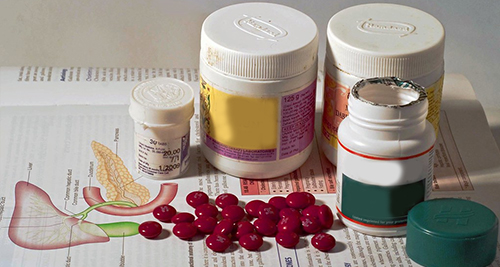
Various medicine bottles and tablets placed on an open medical textbook displaying a diagram of the urinary tract.

Treatment Options for Bladder Stones

Treatment Options for Bladder Stones The treatment options for bladder stones focuses on removing the stones and addressing the cause to prevent recurrence. The size, number, and composition of the stones — as well as the patient’s overall health — determine the best treatment approach. 1. Drinking fluids (for very small stones) 2. Bladder stone removal (surgical intervention) A. Cystolitholapaxy (stone fragmentation and removal) B. Open surgery (cystolithotomy) 3. Treating the underlying cause 4. Antibiotics 5. Pain management Public vs private care in South Africa: Complications if untreated: Treatment Options for Bladder Stones Surgical treatment offers quick relief, and with proper follow-up, long-term outcomes are excellent. 👉 [Next: Preventing Bladder Stones and Living Well]

Treatment Options for Bladder Stones Read More »

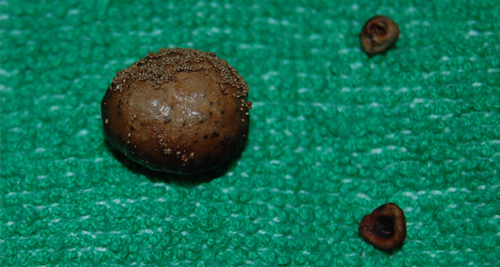
Bladder stones of varying sizes placed on a green medical cloth after removal.

Preventing Bladder Stones and Living Well

Preventing Bladder Stones and Living Well Preventing bladder stones and living well addressing the root cause, staying hydrated, and monitoring urinary health — especially in individuals with a history of stones or bladder issues. 1. Stay well hydrated 2. Manage underlying conditions 3. Adjust your diet 4. Avoid unnecessary catheters 5. Regular medical reviews Emotional wellbeing and support Living with a history of bladder stones: Preventing Bladder Stones and Living Well encouraged to advocate for themselves, ask for urology referrals when needed, and maintain open dialogue with healthcare providers. 👉 [End of Series | Back to Overview]

Preventing Bladder Stones and Living Well Read More »

Clipboard labelled 'Bladder Disorders' with pills, syringe, and medical tools symbolising treatment of bladder pain syndrome.

Bladder Pain Syndrome

Bladder Pain Syndrome (Interstitial Cystitis) – Overview Bladder Pain Syndrome (BPS), also known as Interstitial Cystitis (IC), is a chronic condition that causes persistent pain, pressure, or discomfort in the bladder and pelvic region, often accompanied by urinary urgency and frequency. Unlike a regular bladder infection, BPS/IC is not caused by bacteria and does not improve with antibiotics. BPS is considered a diagnosis of exclusion, meaning other causes like urinary tract infections, bladder stones, or cancers must first be ruled out. The symptoms can range from mild discomfort to debilitating pelvic pain that affects quality of life, emotional wellbeing, and daily activities. The condition can affect anyone, but it is more common in women, particularly between the ages of 30 and 50. In South Africa, awareness and diagnosis remain limited, especially in public healthcare settings, where it is often misdiagnosed as recurrent UTIs. Common symptoms of Bladder Pain Syndrome/IC: The symptoms often flare and subside unpredictably, making it frustrating for patients to manage and for doctors to treat. Some people go years without an accurate diagnosis. Subtypes: While there is no cure, many people find symptom relief through tailored treatments and lifestyle adjustments. BPS/IC is a real medical condition — not psychological, imaginary, or attention-seeking — and it deserves appropriate medical recognition and support. 👉 [Next: Causes and Risk Factors of Bladder Pain Syndrome]

Bladder Pain Syndrome Read More »

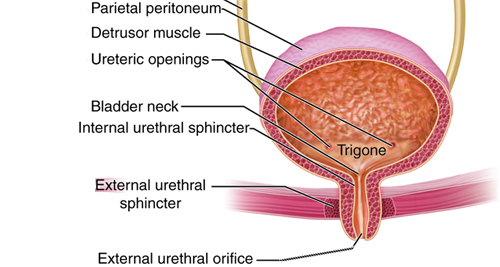
Medical illustration of the bladder and urethra highlighting parts often affected in bladder pain syndrome.

Causes and Risk Factors of Bladder Pain Syndrome

Causes and Risk Factors of Bladder Pain Syndrome The exact causes and risk factors of bladder pain syndrome (BPS) remains unclear. It is believed to be a complex, multifactorial condition, involving disruptions in the bladder lining, immune system responses, nerve hypersensitivity, and possibly even autoimmune factors. Unlike a standard urinary infection, BPS does not involve bacteria. Instead, it may stem from inflammation and damage to the bladder lining (urothelium), allowing irritating substances in the urine to affect the deeper tissues of the bladder wall. Theories behind BPS include: Risk factors: In South Africa, lack of access to specialist urologists and awareness among general practitioners means many people suffer for years without answers. Misdiagnosis is common — patients may be told they have recurrent UTIs or that the issue is “in their head.” Causes and Risk Factors of Bladder Pain Syndrome Understanding these possible causes helps both patients and healthcare providers move beyond symptom dismissal and toward multi-disciplinary, personalised care. 👉 [Next: Diagnosis and Tests for Bladder Pain Syndrome]

Causes and Risk Factors of Bladder Pain Syndrome Read More »

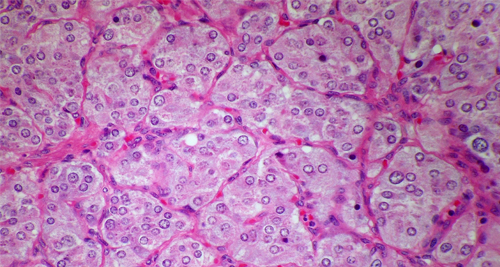
Microscopic view of bladder tissue cells, often used in diagnostic tests for bladder pain syndrome.

Diagnosis and Tests for Bladder Pain Syndrome

Diagnosis and Tests for Bladder Pain Syndrome Diagnosis and Tests for Bladder Pain Syndrome (Interstitial Cystitis) can be challenging because no single test confirms the condition. Doctors typically diagnose it by ruling out other possible causes of chronic bladder and pelvic pain. A detailed medical evaluation, symptom history, and ruling out infections or anatomical issues are essential to reaching a diagnosis. 1. Medical history and symptom assessment 2. Urine tests 3. Bladder diary 4. Pelvic examination 5. Cystoscopy 6. Potassium sensitivity test (not commonly used in SA) Other conditions that must be ruled out: In South Africa, cystoscopy is available at specialist urology centres and major hospitals, but wait times in the public sector may delay diagnosis. In the absence of cystoscopy, diagnosis is often based on clinical presentation and exclusion of infection. Diagnosis and Tests for Bladder Pain Syndrome Once diagnosed, patients can begin a targeted treatment journey based on symptom severity and lifestyle factors. 👉 [Next: Treatment Options for Bladder Pain Syndrome]

Diagnosis and Tests for Bladder Pain Syndrome Read More »

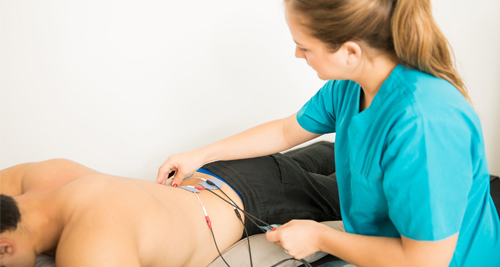
A physiotherapist applies electrodes to a man's lower back as part of bladder pain syndrome treatment.

Treatment Options for Bladder Pain Syndrome

Treatment Options for Bladder Pain Syndrome There is no one-size-fits-all treatment for Bladder Pain Syndrome (BPS/IC). Management focuses on reducing symptoms, improving quality of life, and addressing triggers. A combination of medical, behavioural, and supportive therapies is often required. Learn more about the treatment options for bladder pain syndrome below. 1. Lifestyle and diet changes 2. Bladder training 3. Pelvic floor physiotherapy 4. Oral medications 5. Intravesical therapy 6. Nerve modulation therapy 7. Surgery (last resort) Mental health support Treatment Options for Bladder Pain Syndrome In South Africa, many of these treatments are more accessible in private healthcare, but public hospitals are increasingly offering multidisciplinary management, including physiotherapy and pain clinics. 👉 [Next: Living with Bladder Pain Syndrome]

Treatment Options for Bladder Pain Syndrome Read More »

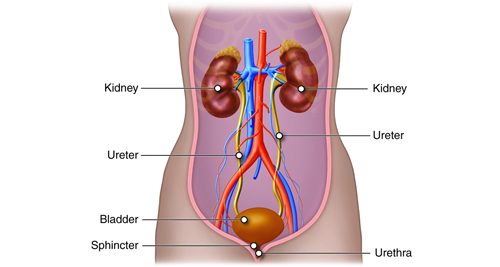
Medical diagram of the urinary system, labelling kidneys, ureters, bladder, sphincter, and urethra.

Living with Bladder Pain Syndrome

Living with Bladder Pain Syndrome Living with Bladder Pain Syndrome can be challenging, but with the right tools and support, many people learn to manage their symptoms and regain control over their lives. 1. Emotional impact 2. Relationships and intimacy 3. Work and productivity 4. Coping strategies 5. Long-term outlook South African support options: Living with Bladder Pain Syndrome You are not alone. With proper care and a personalised plan, many people with BPS live full, active lives. Advocate for yourself, seek the right providers, and take your recovery step by step. 👉 [End of Series | Back to Overview]

Living with Bladder Pain Syndrome Read More »

Scroll to Top