Mental Matters

Author name: admin

Medical diagram showing the vulva with labelled Bartholin’s glands near the vaginal opening.

Bartholin’s Cyst

Bartholin’s Cyst Overview A Bartholin’s cyst occurs when the Bartholin’s glands, located on either side of the vaginal opening, become blocked and fill with fluid. These glands are about the size of a pea and are responsible for secreting mucus that lubricates the vagina. When their ducts become obstructed, a painless or painful lump may form — this is what’s known as a Bartholin’s cyst. Bartholin’s cysts are common in women of reproductive age, especially between 20 and 40 years old. In many cases, the cyst is small, painless, and goes away on its own. However, if bacteria infect the fluid inside the cyst, it can become a Bartholin’s abscess, which is swollen, red, and extremely painful. Abscesses often require urgent medical treatment. Typical symptoms include: Some women have no symptoms at all, discovering the cyst during a routine check or when cleaning. Others may feel increasing discomfort as the cyst grows. In South Africa, access to women’s health services can vary significantly. In rural or underserved communities, many women may not seek medical help out of fear, stigma, or lack of transport. Education around recognising symptoms and seeking care early is vital. It’s important to note that Bartholin’s cysts are not sexually transmitted infections, although they can become infected by bacteria normally found in the vaginal or intestinal flora, or by STI-related bacteria. Bartholin’s cysts are usually benign (non-cancerous), but any new lump near the vagina should always be examined, particularly in women over 40, where rare cases of Bartholin gland cancer may present similarly. 👉 [Next: Causes and Risk Factors of Bartholin’s Cyst]
Bartholin’s Cyst Read More »

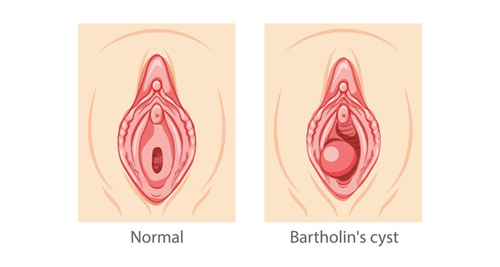
Medical illustration comparing normal anatomy to Bartholin’s cyst with visible gland swelling.

Causes and Risk Factors of Bartholin’s Cyst

Causes and Risk Factors of Bartholin’s Cyst A Bartholin’s cyst forms when the duct of the Bartholin’s gland becomes blocked, preventing the mucus it produces from draining. The fluid backs up into the gland, causing it to swell and form a cyst. If this fluid becomes infected, it may develop into an abscess, causing increased pain and swelling. Read more about the causes and risk factors of Bartholin’s cyst below. Causes of duct blockage include: Infections that may lead to abscess formation include: It’s important to remember that while STIs can be involved, Bartholin’s cysts themselves are not considered STIs. However, sexually active women are more prone to developing them due to increased exposure to bacteria and minor trauma to the area. Risk factors for Bartholin’s cysts include: In South Africa, where cultural taboos may discourage open discussion of vaginal health, many women suffer in silence or delay seeking treatment. This can lead to more severe symptoms or complications that could have been prevented with early care. Preventing the formation of a Bartholin’s cyst isn’t always possible, but practising good hygiene, wearing breathable underwear, and seeking prompt treatment for infections can reduce the risk. 👉 [Next: Diagnosis of Bartholin’s Cyst]

Causes and Risk Factors of Bartholin’s Cyst Read More »

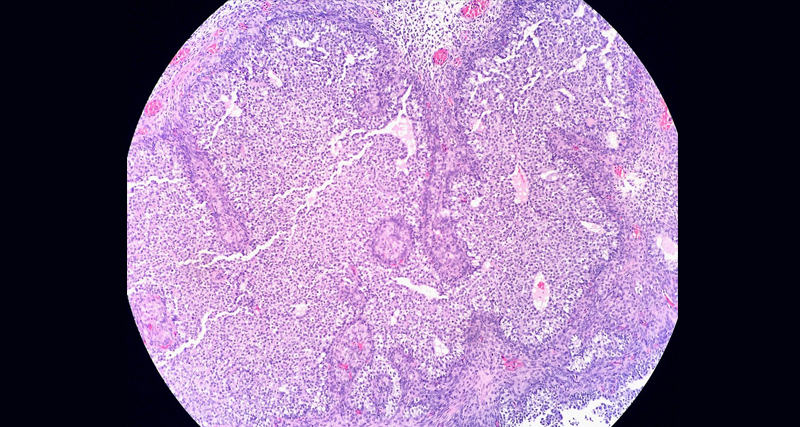
Microscopic histology slide showing glandular tissue used for diagnosing Bartholin’s cyst.

Diagnosis of Bartholin’s Cyst

Diagnosis of Bartholin’s Cyst Diagnosis of Bartholin’s cyst is generally straightforward. Most women seek help when they notice a lump, discomfort during movement or sex, or intense pain in the case of an abscess. Healthcare professionals will conduct a physical examination and may request further tests if necessary. Diagnosis involves: In South Africa, diagnosis can be performed at local clinics, public hospitals, or private GPs. In areas with limited resources, syndromic treatment may be used, where doctors treat based on symptoms rather than lab confirmation. Diagnosis of Bartholin’s Cyst Most cases are benign and self-limiting, but proper diagnosis ensures effective treatment and excludes more serious conditions. Women are encouraged to seek medical advice early — especially if the cyst becomes painful, grows rapidly, or interferes with daily life. 👉 [Next: Treatment of Bartholin’s Cyst and Abscess]

Diagnosis of Bartholin’s Cyst Read More »

Female doctor consulting a young woman about Bartholin’s cyst or abscess treatment options.

Treatment of Bartholin’s Cyst and Abscess

Treatment of Bartholin’s Cyst and Abscess The treatment of Bartholin’s cyst and abscess depends on the size, pain level, and presence of infection. Many small cysts require no intervention and resolve on their own. However, if the cyst is large, painful, or infected, medical treatment is necessary. Home care for mild cases: Medical treatment options: In South Africa, many government clinics and hospitals perform these procedures as part of women’s reproductive health services. However, access may be delayed in rural areas, and some women may be referred to district or regional hospitals. Treatment of Bartholin’s Cyst and Abscess Prompt treatment not only brings relief but also prevents complications, such as the spread of infection or repeated abscesses. Early intervention makes recovery faster and less invasive. 👉 [Next: Complications and Recurrence of Bartholin’s Cyst]

Treatment of Bartholin’s Cyst and Abscess Read More »

Illustration of a woman with text "Bartholin’s Cyst" representing awareness and education about cyst complications.

Complications and Recurrence of Bartholin’s Cyst

Complications and Recurrence of Bartholin’s Cyst While most Bartholin’s cysts are harmless, complications can arise if they are left untreated or if they recur frequently. Understanding these risks can help women take appropriate action early. Read more about the complications and recurrence of Bartholin’s cyst below. Common complications include: Why do some women get recurring cysts? Preventing recurrence: In South Africa, access to follow-up care may be limited, making recurrence more likely in women who are discharged without further monitoring. Education on home care and follow-up is crucial. Complications and Recurrence of Bartholin’s Cyst If cysts return frequently, more permanent solutions like marsupialisation or gland removal should be considered. These options offer long-term relief and restore comfort and confidence. 👉 [Next: Living with and Preventing Bartholin’s Cysts]

Complications and Recurrence of Bartholin’s Cyst Read More »

Illustration of a woman practicing personal hygiene, surrounded by toiletries and self-care products.

Living with and Preventing Bartholin’s Cysts

Living with and Preventing Bartholin’s Cysts Living with and preventing Bartholin’s cysts can be frustrating, especially if they recur. But with proper care, hygiene, and awareness, most women can prevent flare-ups and maintain comfort and sexual wellbeing. Daily prevention strategies: When to see a doctor | Living with and Preventing Bartholin’s Cysts: For South African women, especially in rural communities, accessing sexual health services without fear of judgment is essential. Community health workers, mobile clinics, and women’s health NGOs are important allies in promoting genital health education and normalising care-seeking behaviour. Emotional wellbeing matters too. Dealing with intimate health issues can cause embarrassment or anxiety. Support from your healthcare provider, partner, or a support group can make all the difference. Bartholin’s cysts are common and treatable. With awareness and care, most women make a full recovery and can continue living confidently, free of discomfort and worry. 👉 [End of Series | Back to Overview]

Living with and Preventing Bartholin’s Cysts Read More »

Woman in fitness clothing forming a heart shape with hands over lower abdomen, symbolising bladder health awareness.

Bladder Cancer

Bladder Cancer Overview Bladder cancer is a type of cancer that starts in the lining of the organ, which is responsible for storing urine. It most commonly begins in the urothelium, a layer of cells lining the inside of the bladder. This condition can range from non-invasive tumours, which remain in the lining, to invasive types that spread into the deeper bladder wall and beyond. This type of cancer is more common in older adults, particularly men over 55, but it can occur at any age. Worldwide, this is is among the top 10 most common cancers, with smoking being the leading risk factor. In South Africa, the incidence is lower than in Western countries but still significant, especially among urban populations and industrial workers. Key symptoms of bladder cancer: This cancer is often detected early because of these urinary symptoms, which makes early diagnosis and treatment possible in many cases. There are three main types: Risk factors include: While bladder cancer can be highly treatable when caught early, it often recurs, requiring lifelong follow-up. Invasive cases can spread to the kidneys, liver, lungs, or bones. 👉 [Next: Causes and Risk Factors of Bladder Cancer]

Bladder Cancer Read More »

Close-up of a burning cigarette, symbolising smoking as a major risk factor for bladder cancer.

Causes and Risk Factors of Bladder Cancer

Causes and Risk Factors of Bladder Cancer The exact causes and risk factors of bladder cancer are not always clear, but most cases are linked to genetic mutations in the cells lining the bladder. These mutations cause cells to grow and divide uncontrollably, forming tumours. Top risk factors: Reducing your risk: Causes and Risk Factors of Bladder Cancer Understanding these risk factors helps in early detection and prevention, especially for high-risk groups. 👉 [Next: Diagnosis and Staging of Bladder Cancer]

Causes and Risk Factors of Bladder Cancer Read More »

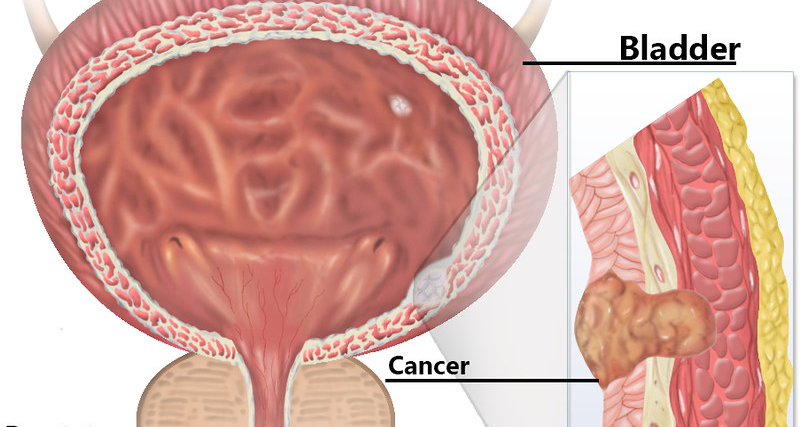
Medical illustration of bladder cancer showing tumour growth and bladder wall cross-section used in diagnosis and staging.

Diagnosis and Staging of Bladder Cancer

Diagnosis and Staging of Bladder Cancer Early detection is crucial in bladder cancer because timely treatment significantly improves outcomes. Diagnosis and staging of bladder cancer involves a combination of clinical assessment, urine tests, imaging, and biopsy procedures. 1. Medical history and physical exam 2. Urinalysis and urine cytology 3. Cystoscopy 4. Imaging tests 5. Biopsy and pathology Staging bladder cancer: Grading system: In South Africa, government hospitals and urology units offer cystoscopy and biopsy services, though wait times may vary. Private hospitals usually provide faster access. Diagnosis and Staging of Bladder Cancer Proper staging guides treatment decisions and prognosis. Doctors often treat early-stage bladder cancer with local therapies, while advanced cases typically require systemic treatment. 👉 [Next: Treatment Options for Bladder Cancer]

Diagnosis and Staging of Bladder Cancer Read More »

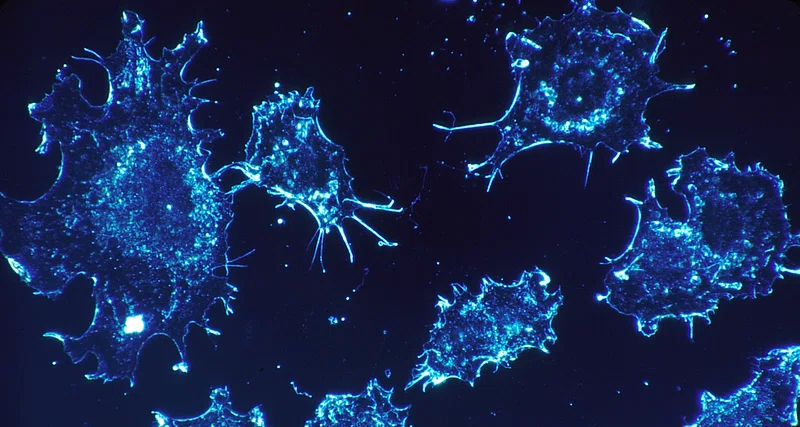
Microscopic view of cancer cells, representing treatment options for bladder cancer at the cellular level.

Treatment Options for Bladder Cancer

Treatment Options for Bladder Cancer Treatment options for bladder cancer depends on the type, stage, grade, and overall health of the patient. Options range from local therapies for early-stage cancer to surgery and chemotherapy for advanced disease. 1. Non-muscle-invasive bladder cancer (early-stage) 2. Muscle-invasive bladder cancer 3. Metastatic bladder cancer South African context: Treatment Options for Bladder Cancer Doctors achieve better treatment outcomes when they diagnose cancer early. Long-term surveillance is necessary, as bladder cancer tends to recur even after successful treatment. 👉 [Next: Living with Bladder Cancer – Recovery and Outlook]

Treatment Options for Bladder Cancer Read More »

Scroll to Top