Mental Matters

Author name: admin

Blue awareness ribbon symbolising support for people living with bladder cancer.

Living with Bladder Cancer

Living with Bladder Cancer – Recovery and Outlook Recovering from bladder cancer involves more than just physical healing — it’s also about managing long-term health, emotional wellbeing, and lifestyle changes. Read more about living with bladder cancer below. 1. Follow-up care 2. Managing side effects 3. Psychological support 4. Lifestyle changes 5. Long-term prognosis In South Africa, access to follow-up care varies by region. Patients should be empowered to ask questions, request referrals, and seek second opinions when needed. Living with Bladder Cancer You’re not alone. Many bladder cancer survivors lead fulfilling lives. With the right treatment plan, regular follow-up, and emotional support, life after diagnosis can still be meaningful and vibrant. 👉 [End of Series | Back to Overview]
Living with Bladder Cancer Read More »

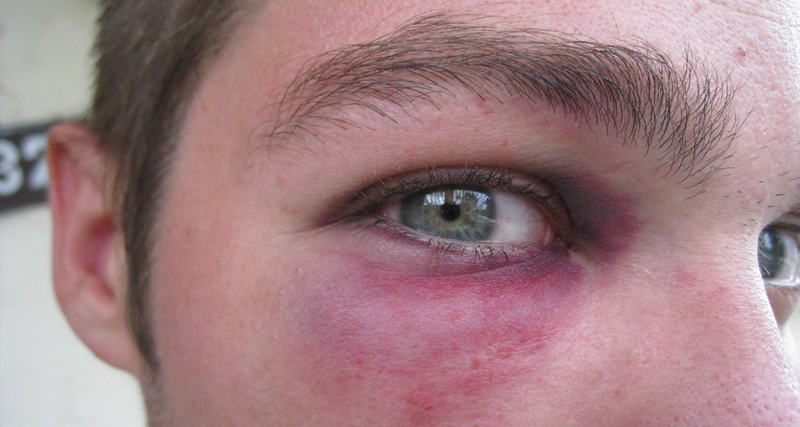
Close-up of a man's eye with visible bruising and discolouration, showing symptoms of a black eye.

Black Eye

Black Eye Overview A black eye, also known medically as periorbital haematoma, is a common injury where blood collects under the skin around the eye, causing bruising and discolouration. Despite its alarming appearance, most black eyes are not serious and resolve on their own within a week or two. Black eyes are usually caused by blunt trauma to the face or head. The soft tissues around the eye absorb the impact, leading to swelling and a purplish-black bruise that often spreads downward due to gravity. While most cases are mild, some may signal underlying fractures or internal injury, especially if accompanied by vision changes, severe swelling, or bleeding from the nose or ears. Common causes include: Symptoms of a black eye: It’s important to note that the eye itself is usually not injured in minor cases. However, trauma severe enough to cause a black eye can sometimes result in: In South Africa, black eyes are a common presentation in emergency departments and clinics, particularly following domestic violence, sports injuries, or assaults. In such cases, healthcare providers may screen for abuse or additional injuries. While black eyes often heal without treatment, it’s crucial to monitor for signs of a more serious injury and to seek medical attention if vision is affected or the swelling is extreme. 👉 [Next: Causes and When to Worry]

Black Eye Read More »

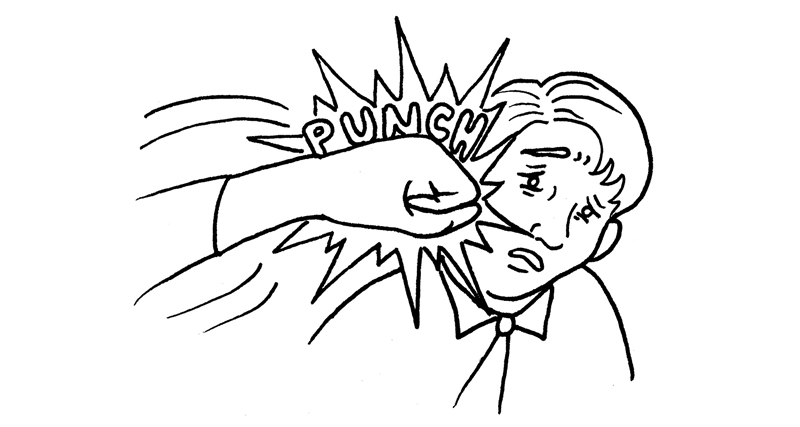
Cartoon drawing of a man getting punched in the face with the word “PUNCH” illustrating the cause of a black eye.

Causes for Black Eye and When to Worry

Causes for Black Eye and When to Worry A black eye usually results from direct impact to the area around the eye. The skin around the eyes is thin and delicate, and even a minor blow can rupture small blood vessels, causing blood to leak into surrounding tissues. Learn more about the causes for black eye and when to worry below Common causes of black eyes: When to worry:While most black eyes heal without intervention, certain signs may indicate a serious medical issue: Red flags in children: Causes for Black Eye and When to Worry If any of these warning signs are present, immediate medical attention is needed to assess for orbital fractures, brain injury, or internal eye damage. 👉 [Next: Diagnosis and Medical Evaluation]

Causes for Black Eye and When to Worry Read More »

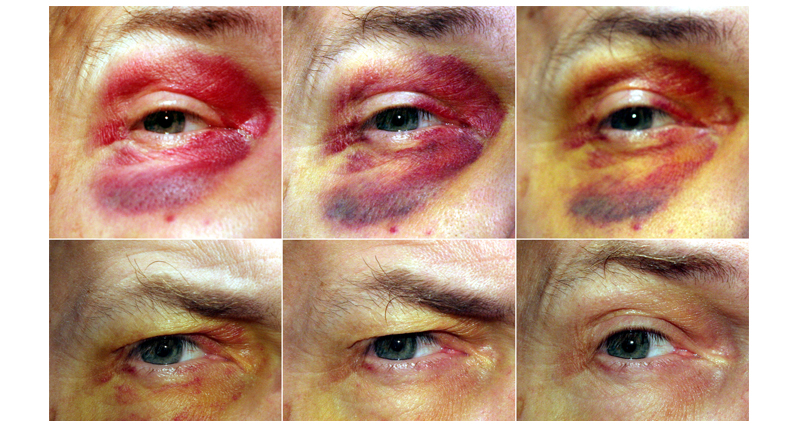
Progressive images of a healing black eye, showing colour changes from red to yellow over several days.

Black Eye Diagnosis and Medical Evaluation

Black Eye Diagnosis and Medical Evaluation Most black eye diagnosis and medical evaluation on physical examination and patient history. However, in cases involving severe trauma, additional tests may be needed to rule out deeper injuries. What to expect during a medical evaluation: In South Africa, basic examination and first-line imaging are available in most clinics and hospitals. However, advanced imaging like CT may only be available in referral hospitals or private facilities. If a serious eye injury or fracture is suspected, referral to a specialist — such as an ophthalmologist or maxillofacial surgeon — is essential. Black Eye Diagnosis and Medical Evaluation Early assessment is especially important in children or patients with underlying conditions (e.g., diabetes or bleeding disorders) that could complicate healing. 👉 [Next: Treatment and Recovery]

Black Eye Diagnosis and Medical Evaluation Read More »

Woman applying a cold compress to her cheek to reduce swelling and pain from a black eye.

Treatment and Recovery of Black Eye

Treatment and Recovery of Black Eye The treatment and recovery of black eye is usually non-invasive and focuses on reducing swelling, relieving pain, and preventing complications. Most cases resolve within 7–14 days. Home treatment for mild black eyes: Switch to warm compresses after 48 hours Avoid: When medical treatment is needed: Recovery timeline: Tips for cosmetic concerns: Treatment and Recovery of Black Eye In South Africa, state clinics and emergency units treat black eyes regularly. Doctors often refer severe trauma cases to Tygerberg Hospital, Chris Hani Baragwanath, or other tertiary facilities, depending on the patient’s location. 👉 [Next: Emotional and Social Considerations]

Treatment and Recovery of Black Eye Read More »

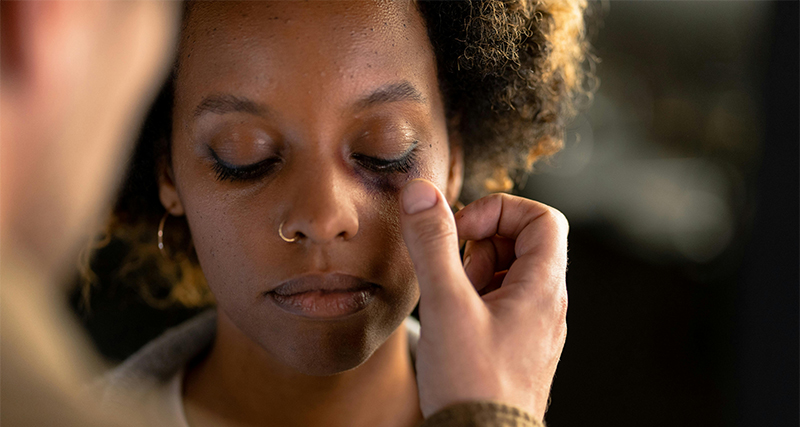
Woman with a black eye being gently examined by another person, suggesting concern and emotional support.

Black Eye Emotional and Social Considerations

Black Eye Emotional and Social Considerations While a black eye is usually temporary, the emotional impact can be significant — especially when it is linked to violence, bullying, or embarrassment. Read more about black eye emotional and social considerations below. Psychological effects: Domestic violence and black eyes: What you can do: Support resources in South Africa: Workplace and school considerations: Black Eye Emotional and Social Considerations Even if the cause is not violence-related, a black eye can affect confidence, participation, and mood. Offering understanding, space, and time to heal — both physically and emotionally — is key. 👉 [End of Series | Back to Overview]
Black Eye Emotional and Social Considerations Read More »

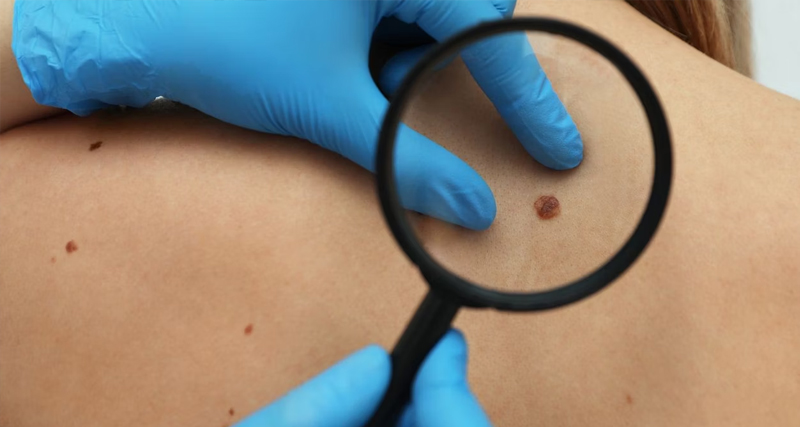
Dermatologist examining a mole-like birthmark on a patient’s back using gloves and a magnifying glass.

Birthmarks

Birthmarks Overview Birthmarks are coloured spots or marks that are present at birth or develop shortly after. They can appear anywhere on the skin and vary in size, shape, colour, and texture. Most are harmless, but some may require monitoring or medical attention due to their size, growth, or association with underlying conditions. There are two main types of birthmarks: Some birthmarks fade over time, while others remain for life. Although they are often seen as cosmetic, certain types can have emotional, social, or health implications, especially if located on visible areas like the face or neck. Common birthmarks include: In South Africa, these are common across all ethnic groups, but skin tone can influence how easily they are detected or monitored. Some communities may attach cultural meaning or superstition, which can affect how families respond to them. While most birthmarks are benign, some may signal underlying health issues or lead to cosmetic concerns. It’s important to have any new or growing mark evaluated by a healthcare provider. Modern treatments, including laser therapy, surgery, or observation, can help manage visible or problematic birthmarks. 👉 [Next: Types of Birthmarks and What They Mean]

Birthmarks Read More »

Pink and red vascular birthmarks on a person’s lower leg and foot, indicative of common types of congenital skin markings.

Types of Birthmarks and What They Mean

Types of Birthmarks and What They Mean Birthmarks fall into two major categories: vascular birthmarks and pigmented birthmarks. Each has distinct characteristics, risks, and implications. Understanding the differences can help guide treatment decisions and monitoring. Learn more about the Types of Birthmarks and What They Mean below. A. Vascular Birthmarks These are caused by abnormal blood vessels beneath the skin. They are usually red, pink, or purple in colour. B. Pigmented Birthmarks These result from overgrowth of pigment cells and appear as brown, black, or bluish spots. Types of Birthmarks and What They Mean In South Africa, where diverse skin tones are present, diagnosis and monitoring should be tailored accordingly. Healthcare professionals should be culturally sensitive when discussing cosmetic or health concerns associated with birthmarks. 👉 [Next: Diagnosis and When to Seek Medical Advice]

Types of Birthmarks and What They Mean Read More »

Dark pigmented birthmark on the back of a person's leg, highlighting a skin condition that may require medical evaluation.

Diagnosis on Birthmarks and When to Seek Medical Advice

Diagnosis on Birthmarks and When to Seek Medical Advice While most birthmarks are harmless and require no treatment, it’s important to understand when to seek medical evaluation, particularly if a mark changes in appearance or location. Read more about the diagnosis on birthmarks and when to seek medical advice below. How birthmarks are diagnosed: When to seek medical advice: Diagnosis on Birthmarks and When to Seek Medical Advice In South Africa, many people rely on public clinics or traditional beliefs to interpret skin markings. This can sometimes delay early intervention or screening. It’s important for parents and caregivers to understand that most birthmarks are medical, not mystical, and early evaluation can offer reassurance or appropriate treatment. 👉 [Next: Treatment Options for Birthmarks]

Diagnosis on Birthmarks and When to Seek Medical Advice Read More »

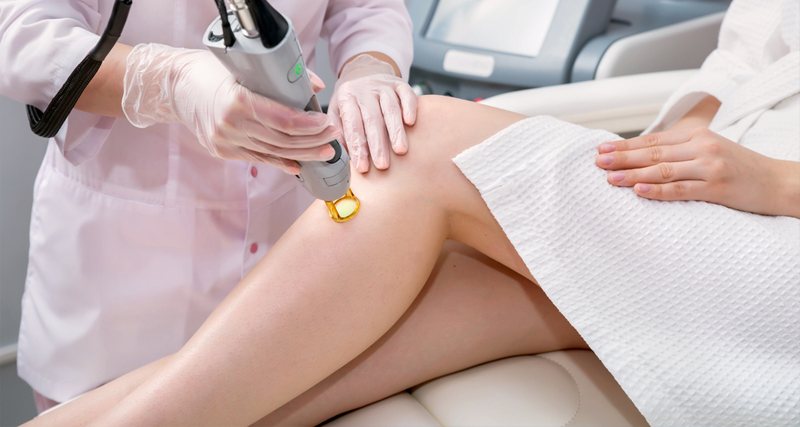
Laser treatment being applied to a patient’s leg to reduce the appearance of a birthmark using advanced dermatological technology.

Treatment Options for Birthmarks

Treatment Options for Birthmarks Treatment options for birthmarks depends on their type, location, size, and impact on health or appearance. Many birthmarks fade over time or remain stable, requiring no intervention beyond regular observation. However, others may benefit from medical or surgical treatment. 1. Observation 2. Laser therapy 3. Beta-blocker medication 4. Corticosteroid injections or oral steroids 5. Surgical removal 6. Cosmetic camouflage Availability in South Africa: Treatment Options for Birthmarks Ultimately, the decision to treat is personal, guided by medical advice and patient or parental preference. Emotional impact, especially in children, is just as important as physical health. 👉 [Next: Emotional and Social Impact of Birthmarks]

Treatment Options for Birthmarks Read More »

Scroll to Top