Mental Matters

Author name: admin

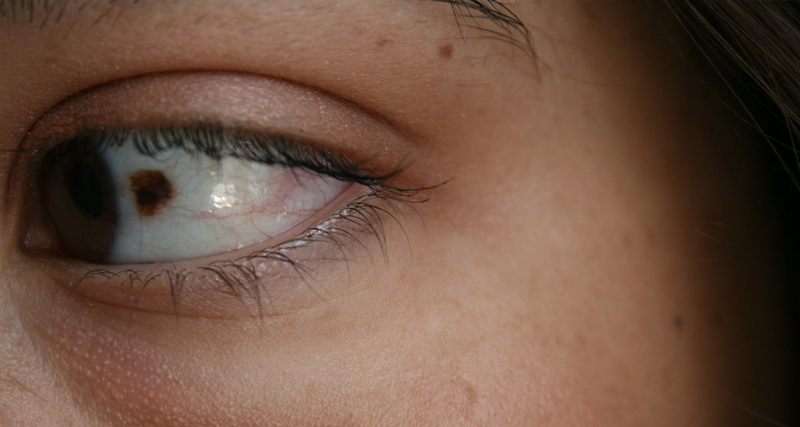
Close-up of an eye with a visible birthmark on the sclera, highlighting the personal and emotional aspects of facial birthmarks.

Emotional and Social Impact of Birthmarks

Emotional and Social Impact of Birthmarks While most birthmarks are medically harmless, their emotional and psychological impact can be significant, especially when located in visible areas or when large in size. Stigma, bullying, and self-consciousness can affect children and adults alike. Read more about the emotional and social impact of birthmarks below. In children: Teenagers: Adults: Support strategies: In South Africa, birthmarks may carry cultural myths or superstitions, ranging from being “blessed” to being “cursed.” These beliefs can be harmful if they prevent proper medical care or cause shame. Health professionals should address such views sensitively while promoting factual information. The emotional journey of living with a birthmark is deeply personal. For many, a blend of acceptance, support, and treatment can help them feel seen, valued, and empowered. 👉 [End of Series | Back to Overview]
Emotional and Social Impact of Birthmarks Read More »

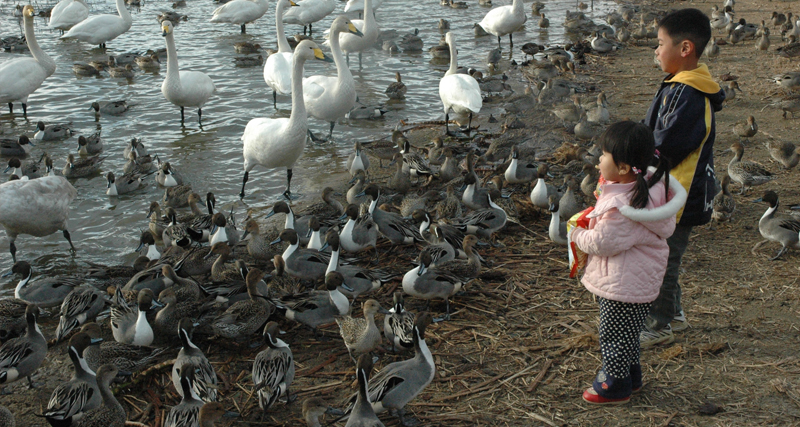
Two children watching ducks and swans by the water’s edge, highlighting bird flu transmission risks in natural settings.

Bird Flu

Bird Flu Overview Bird flu, also known as avian influenza, is a viral infection that primarily affects birds but can occasionally infect humans and other animals. Caused by influenza type A viruses, bird flu has several strains, with H5N1 and H7N9 being the most concerning for human health. While human cases of this flu are rare, they can be severe or fatal. Most infections occur after close contact with infected poultry, wild birds, or contaminated environments, such as live bird markets. There is no sustained human-to-human transmission, but experts fear that mutations in the virus could change that, leading to a global pandemic. Symptoms of bird flu in humans can vary from mild to severe and typically include: In many cases, this condition has a rapid onset and progression, requiring hospitalisation and urgent antiviral treatment. In South Africa, this condition primarily affects the poultry industry, leading to culling of birds, egg shortages, and economic losses. While human infections are extremely rare, outbreaks in birds can raise the risk of zoonotic spillover, particularly for farmers, abattoir workers, and those handling live poultry. The first human cases of bird flu were identified in Hong Kong in 1997, linked to the H5N1 strain. Since then, sporadic outbreaks have occurred across Asia, the Middle East, and parts of Africa and Europe. Key facts: While bird flu in humans is rare, its high fatality rate (up to 60% in some strains) makes it a serious public health concern. 👉 [Next: Causes and Transmission of Bird Flu]

Bird Flu Read More »

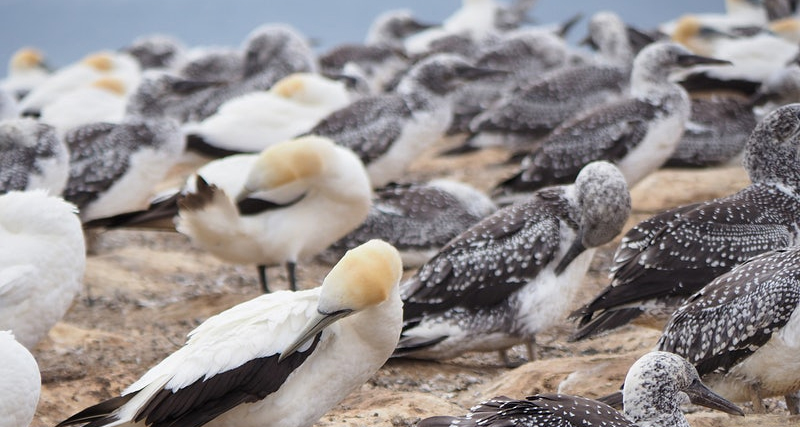
Flock of seabirds gathered on rocky shore, illustrating natural reservoirs and transmission pathways of bird flu.

Causes and Transmission of Bird Flu

Causes and Transmission of Bird Flu Bird flu is caused by influenza A viruses that naturally infect birds. These viruses are grouped based on two proteins found on their surface: hemagglutinin (H) and neuraminidase (N). Combinations such as H5N1, H7N9, and H5N6 are of greatest concern to humans. Learn more about the causes and transmission of bird flu below. Bird flu is mainly a zoonotic disease, meaning it spreads from animals to humans. It does not easily spread between people, but mutations could change that in the future. How it spreads: High-risk environments: In South Africa, outbreaks in birds have led to large-scale culling and surveillance by the Department of Agriculture. Migratory birds along the West Coast and inland wetlands are monitored during high-risk seasons. Causes and Transmission of Bird Flu Preventing zoonotic transmission involves strict biosecurity, personal protective equipment (PPE), safe farming practices, and immediate response to suspected outbreaks. Monitoring and reporting are crucial, especially in areas where humans and poultry live in close quarters. 👉 [Next: Diagnosis and Testing for Bird Flu]

Causes and Transmission of Bird Flu Read More »

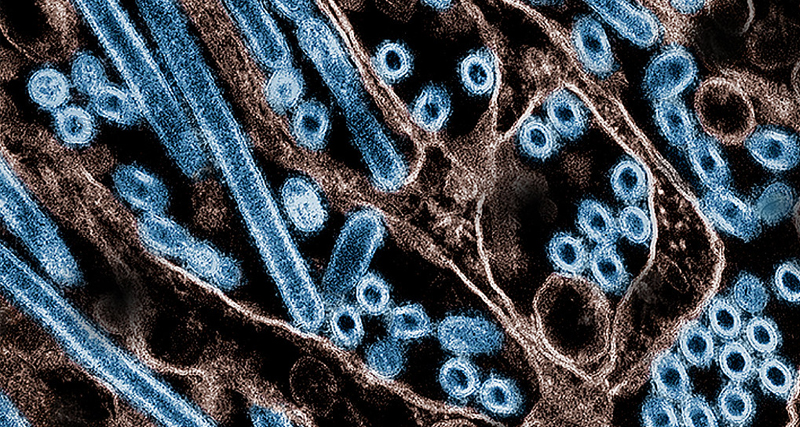
Microscopic image of the bird flu virus particles used to illustrate diagnostic testing and virological analysis.

Diagnosis and Testing for Bird Flu

Diagnosis and Testing for Bird Flu Because the symptoms of bird flu are similar to other respiratory illnesses, including COVID-19 and seasonal flu, accurate diagnosis and testing for bird flu relies on specific laboratory tests. Early detection is vital to start antiviral treatment and prevent complications. Who should be tested: Steps in diagnosis: Testing is usually done in specialised laboratories, such as the National Institute for Communicable Diseases (NICD) in South Africa or designated reference labs in other countries. Important considerations: Diagnosis and Testing for Bird Flu Prompt diagnosis allows for immediate isolation, treatment with antivirals, and public health measures to contain any potential spread. 👉 [Next: Treatment and Prevention of Bird Flu]

Diagnosis and Testing for Bird Flu Read More »

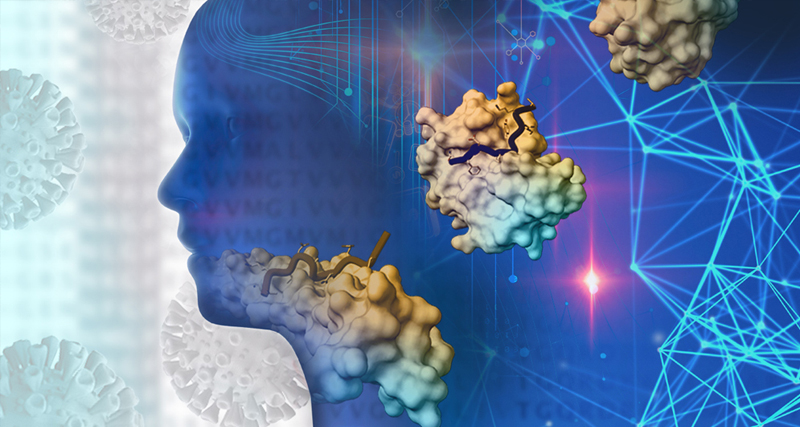
Illustration of antiviral interaction and virus structures representing treatment and prevention strategies for bird flu.

Treatment and Prevention of Bird Flu

Treatment and Prevention of Bird Flu There is no cure for bird flu, but early treatment can reduce the severity and improve survival rates. Supportive care and strict infection control are essential. Read more about the treatment and prevention of bird flu below. 1. Antiviral medications 2. Hospitalisation 3. Supportive care 4. Experimental treatments Prevention strategies: A. For the general public: B. For high-risk workers: C. For poultry farms: Vaccines: Treatment and Prevention of Bird Flu In South Africa, authorities work closely with international partners to monitor outbreaks and prevent spread. Surveillance and public awareness campaigns are key tools. 👉 [Next: Bird Flu in South Africa – Local Impact and Preparedness]

Treatment and Prevention of Bird Flu Read More »

Scientist working in a lab with pipettes, representing research and testing related to bird flu in South Africa.

Bird Flu in South Africa

Bird Flu in South Africa – Local Impact and Preparedness Bird flu poses both public health and economic challenges in South Africa. While human infections have not been confirmed in the country, repeated outbreaks in poultry have led to significant agricultural losses and food supply disruptions. Read more about bird flu in south africa below. Recent events in SA: Health response and preparedness: Public health measures include: Challenges: Advice to the public: Looking ahead: Bird Flu in South Africa Bird flu is a rare but serious threat. With proper awareness, prevention, and response strategies, the risk to humans remains very low — but manageable. 👉 [End of Series | Back to Overview]
Bird Flu in South Africa Read More »

Collage of fragmented facial expressions, representing the emotional highs and lows associated with bipolar disorder.

Bipolar Disorder

Bipolar Disorder Overview Bipolar disorder is a lifelong mental health condition that causes extreme shifts in mood, energy, and activity levels, ranging from emotional highs (mania or hypomania) to lows (depression). These mood episodes are more intense and disruptive than typical mood swings and can severely affect a person’s ability to function in daily life. Previously known as manic depression, this condition affects approximately 1–2% of the global population, though many more remain undiagnosed. It affects both men and women equally, often starting in the late teens to early 30s. There are several types of bipolar disorder: Common symptoms include: This condition is not a character flaw or personal weakness. It is a medical condition rooted in brain chemistry, genetics, and environmental factors. In South Africa, cultural misunderstanding, stigma, and limited access to psychiatric care can delay diagnosis and treatment. Many people live for years with untreated symptoms, leading to relationship breakdowns, financial hardship, and emotional turmoil. With proper treatment, people with bipolar disorder can lead full, productive, and stable lives. 👉 [Next: Causes and Risk Factors of Bipolar Disorder]

Bipolar Disorder Read More »

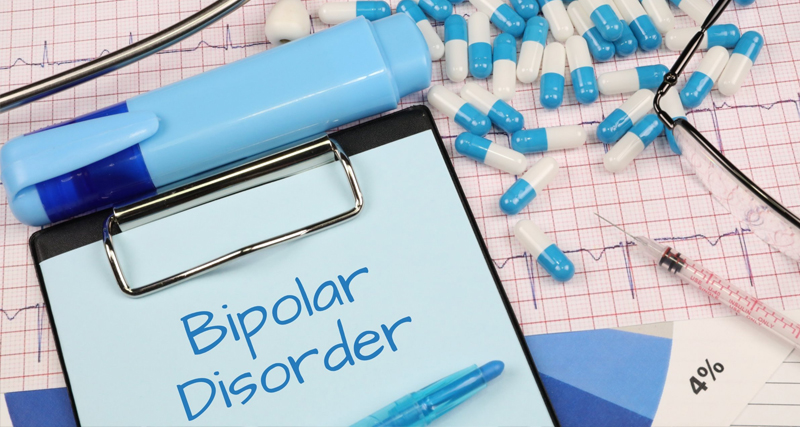
Medical chart with the words "Bipolar Disorder," surrounded by blue and white capsules, syringe, and ECG printout.

Causes and Risk Factors of Bipolar Disorder

Causes and Risk Factors of Bipolar Disorder The exact causes and risk factors of bipolar disorder remain unknown, but research points to a combination of genetic, biochemical, and environmental influences. It is not caused by a single event, but certain factors increase the risk of developing the condition or triggering an episode. 1. Genetics and family history 2. Brain structure and chemistry 3. Environmental and psychological stressors 4. Sleep disturbances 5. Co-existing conditions In South Africa, social challenges such as poverty, violence, stigma, and limited access to consistent mental health care can increase both the risk and severity of bipolar disorder. Many people go undiagnosed or are mislabelled as “moody,” “possessed,” or “difficult,” particularly in rural or under-resourced settings. Causes and Risk Factors of Bipolar Disorder Understanding the causes helps reduce blame and improve empathy — bipolar disorder is a brain illness, not a behavioural choice. 👉 [Next: Diagnosis of Bipolar Disorder]

Causes and Risk Factors of Bipolar Disorder Read More »

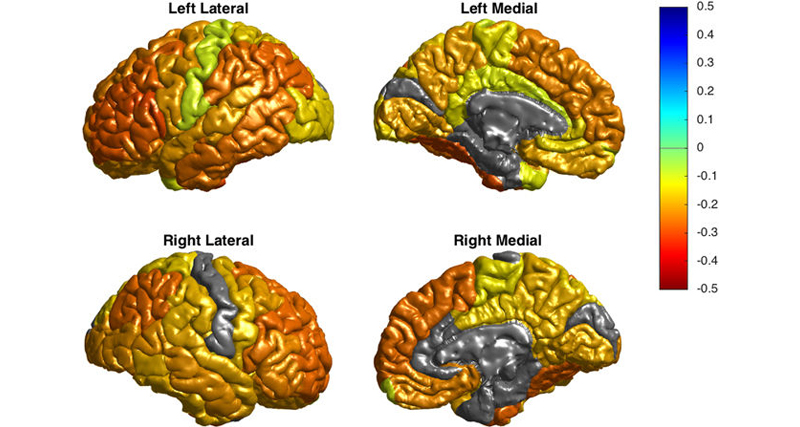
Colour-coded brain scans showing structural differences in the brain, related to the diagnosis of bipolar disorder.

Diagnosis of Bipolar Disorder

Diagnosis of Bipolar Disorder Diagnosis of bipolar disorder is not always straightforward, especially since it can resemble depression, ADHD, anxiety, or personality disorders. An accurate diagnosis depends on a thorough psychiatric assessment, which considers the pattern, duration, and severity of mood episodes. Steps in the diagnostic process: Key distinctions: Challenges in diagnosis: A correct diagnosis is crucial, as misdiagnosing bipolar disorder as major depression can lead to the wrong medication, triggering manic episodes or worsening symptoms. Diagnosis of Bipolar Disorder If you or someone you know experiences mood extremes, risky behaviour, or long periods of unusual energy, seek evaluation from a qualified mental health professional. 👉 [Next: Treatment of Bipolar Disorder]

Diagnosis of Bipolar Disorder Read More »

Hands forming a protective circle around a family icon, symbolising care, stability, and treatment support for bipolar disorder.

Treatment of Bipolar Disorder

Treatment of Bipolar Disorder Bipolar disorder requires long-term treatment and monitoring. While there’s no cure, it is a highly manageable condition when properly treated with medication, therapy, lifestyle support, and a strong care team. Learn more about the treatment of bipolar disorder below. 1. Medications 2. Psychotherapy 3. Lifestyle management 4. Crisis planning South African context: Treatment of Bipolar Disorder Treatment takes time to adjust and may involve trial and error. But with consistency and support, most people with bipolar disorder lead successful, stable lives. 👉 [Next: Complications and Living with Bipolar Disorder]

Treatment of Bipolar Disorder Read More »

Scroll to Top