Mental Matters

Author name: admin

Man shouting at a distressed woman, illustrating emotional conflict and tension related to bipolar disorder complications.

Complications and Living with Bipolar Disorder

Complications and Living with Bipolar Disorder When untreated or poorly managed, bipolar disorder can lead to serious consequences — but when treated properly, many people thrive in their careers, relationships, and personal goals. Read more about the complications and living with bipolar disorder below. Potential complications include: Suicide risk is notably higher in bipolar disorder, especially during depressive or mixed episodes. It’s vital to treat depressive symptoms seriously and maintain consistent psychiatric follow-up. Daily life with bipolar disorder requires: Empowerment tips: In South Africa, those in rural areas or lower-income settings may face added challenges in accessing therapy, stable medication supplies, or consistent care. Advocacy for universal mental health access and better integration of services is ongoing. Complications and Living with Bipolar Disorder While bipolar disorder is a lifelong condition, it does not define your life. With the right tools, support, and treatment, living well is absolutely achievable. 👉 [End of Series | Back to Overview]


Complications and Living with Bipolar Disorder Read More »

Person eating fast food and sugary snacks, surrounded by fizzy drinks and pastries, representing binge eating disorder (BED) behaviour.

Binge Eating Disorder

Binge Eating Disorder Overview Binge Eating Disorder (BED) is a serious mental health condition that involves repeated episodes of eating large quantities of food, often quickly and to the point of discomfort. Unlike bulimia, individuals with BED do not regularly engage in purging behaviours (e.g., vomiting or excessive exercise), which often leads to physical and emotional health challenges. BED is the most common eating disorder worldwide, affecting people of all ages, genders, body types, and backgrounds. The DSM-5 formally recognised it as a distinct diagnosis in 2013. Many people with BED struggle in silence due to shame, misunderstanding, or misdiagnosis. Core features of binge eating disorder: Binge episodes often occur in private and may be planned or impulsive. Foods consumed tend to be high in sugar, fat, or carbohydrates. People may eat even when they’re not hungry or continue eating past the point of fullness. Emotional signs of binge eating disorder include: In South Africa, cultural taboos, weight stigma, and limited mental health access can make BED harder to detect and treat. People often struggle with BED for years before seeking help, especially when their weight looks “normal” or others wrongly assume they simply “overeat.” BED is not about willpower or laziness. Brain chemistry, emotional regulation, and often past trauma or stress cause this legitimate psychiatric disorder. With the right treatment, recovery is absolutely possible. Understanding the condition is the first step toward healing. 👉 [Next: Causes and Risk Factors of Binge Eating Disorder]

Binge Eating Disorder Read More »

List of synonyms for binge eating, including overeating, gluttony, and overconsumption, highlighting language associated with disordered eating.

Causes and Risk Factors of Binge Eating Disorder

Causes and Risk Factors of Binge Eating Disorder The causes and risk factors of binge eating disorder of binge eating disorder are complex and multifactorial, involving a mix of biological, psychological, and environmental factors. Understanding these can help reduce stigma and promote compassionate, effective support. Biological and genetic causes: Psychological risk factors: Environmental and social triggers: Cultural influences: Causes and Risk Factors of Binge Eating Disorder Diet culture, common in both Western and South African society, can also fuel BED. Constant focus on restriction, “good” vs. “bad” foods, or rapid weight loss sets the stage for binge-restrict cycles. Not everyone with BED fits a stereotype. It affects people of all sizes and races — and anyone who feels trapped in cycles of eating, guilt, and secrecy deserves professional support. 👉 [Next: Diagnosis of Binge Eating Disorder]

Causes and Risk Factors of Binge Eating Disorder Read More »

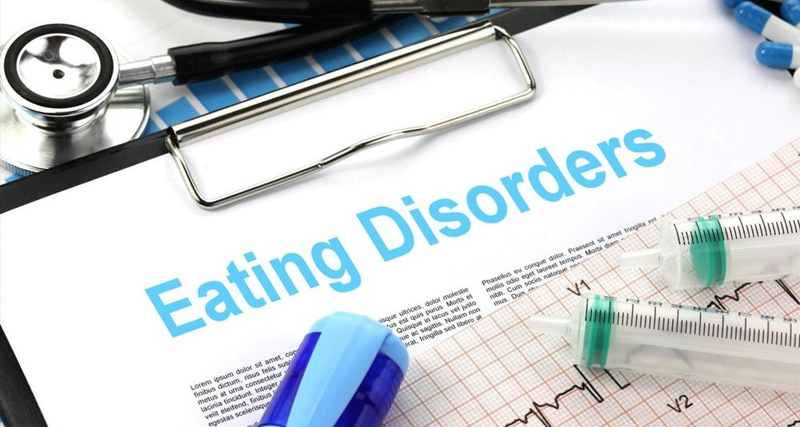
Medical chart with the words “Eating Disorders” surrounded by stethoscope, syringe, and ECG, symbolising clinical diagnosis of binge eating disorder.

Diagnosis of Binge Eating Disorder

Diagnosis of Binge Eating Disorder Diagnosis binge eating disorder involves assessing both eating behaviours and emotional patterns. A medical or mental health professional, such as a GP, psychologist, or psychiatrist, can make the diagnosis using criteria from the DSM-5. Diagnostic criteria for BED include: Assessment process: What BED is not: In South Africa, BED often goes undiagnosed. Cultural stigma, limited access to mental health professionals, and the tendency to equate eating disorders only with thinness can delay recognition. Diagnosis of Binge Eating Disorder Early diagnosis helps prevent worsening health, both mental and physical. If you suspect you or someone you love may have BED, speak to a doctor, psychologist, or dietitian experienced in eating disorders. 👉 [Next: Treatment of Binge Eating Disorder]

Diagnosis of Binge Eating Disorder Read More »

Young woman looking distressed after eating, symbolising emotional struggle and the need for treatment of binge eating disorder.

Treatment of Binge Eating Disorder

Treatment of Binge Eating Disorder Treatment of binge eating disorder focuses on restoring a healthy relationship with food, addressing emotional triggers, and treating any co-existing mental or physical health concerns. The most effective approaches combine psychological therapy, nutritional support, and sometimes medication. 1. Psychological therapies 2. Nutritional counselling 3. Medication 4. Group therapy and support groups Access in South Africa: Treatment of Binge Eating Disorder Recovery is absolutely possible. With time, support, and consistency, individuals can reduce or eliminate binge episodes and learn to eat and live without guilt or secrecy. 👉 [Next: Complications and Living with Binge Eating Disorder]

Treatment of Binge Eating Disorder Read More »

Man holding excess abdominal fat, symbolising health complications related to binge eating disorder and weight gain.

Complications and Living with Binge Eating Disorder

Complications and Living with Binge Eating Disorder When left untreated, BED can have serious physical, psychological, and social consequences. However, with proper support, individuals can achieve recovery and rebuild a healthy, fulfilling life. Learn more about the complications and living with binge eating disorder below. Physical complications: Mental health complications: Social and emotional impact: Living with BED means navigating: Positive steps in recovery: Complications and Living with Binge Eating Disorder In South Africa, mental health is slowly gaining recognition. More professionals are being trained in eating disorder treatment, but stigma, affordability, and awareness gaps remain. You are not alone. BED is real, treatable, and recovery is possible — with dignity, compassion, and support. 👉 [End of Series | Back to Overview]
Complications and Living with Binge Eating Disorder Read More »

Bile Duct Cancer

Bile Duct Cancer

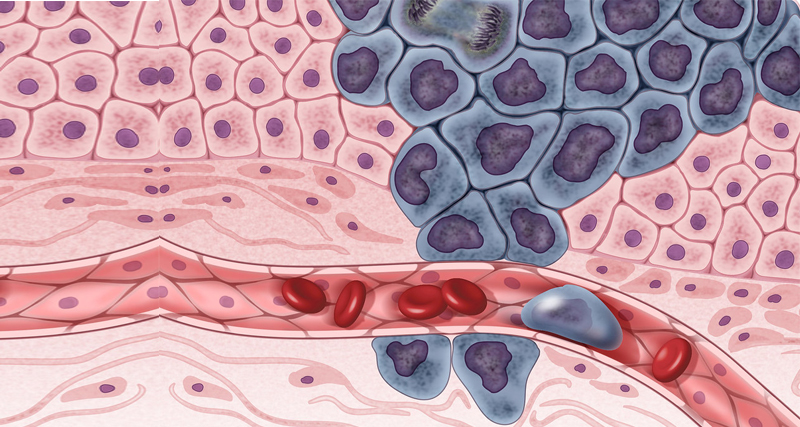
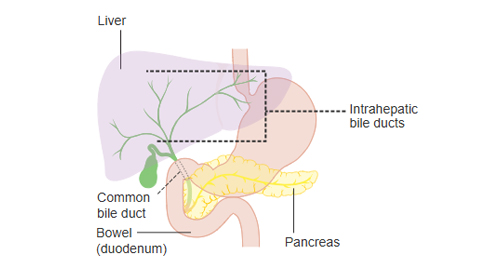
Bile Duct Cancer Overview The condition Bile duct cancer, medically known as cholangiocarcinoma, is a rare but aggressive cancerous condition that arises in the ducts, which are tubes that carry biles from the liver to the small intestine. Bile is a fluid produced by the liver that helps digest fats. When cancer forms in these ducts, it can block the flow of bile and lead to serious health complications. There are three main types of cholangiocarcinoma, depending on where it starts: Although bile duct cancer is rare, it’s especially challenging because symptoms usually appear late — often after the disease has already advanced. Early detection is difficult, and by the time it is diagnosed, it may have spread to surrounding tissues or organs. Key symptoms include: In South Africa, doctors may miss early-stages— particularly in rural or low-resource areas with limited access to specialists and imaging. Doctors often mistake it for more common liver conditions, such as hepatitis or gallstones. Bile Duct Cancer While the prognosis for advanced stages can be poor, early intervention with surgery or specialised therapies can improve outcomes. Newer treatments are emerging, offering hope for improved survival in select cases. 👉 [Next: Causes and Risk Factors of Cholangiocarcinoma]

Bile Duct Cancer Read More »

Causes and Risk Factors of Cholangiocarcinoma

Causes and Risk Factors of Cholangiocarcinoma

Causes and Risk Factors of Cholangiocarcinoma The exact causes and risk factors of cholangiocarcinoma are not always clear, but it typically develops when the cells lining the bile ducts undergo genetic mutations, causing them to grow uncontrollably. This abnormal growth forms a tumour that can interfere with bile flow and invade nearby tissues. Several risk factors have been identified, including underlying liver and bile duct diseases, chronic inflammation, and exposure to certain chemicals or parasites. Known causes and risk factors: In South Africa, certain viral infections and alcohol-related liver conditions are prevalent, potentially increasing the risk in some populations. Lack of early screening and limited access to liver specialists can contribute to late diagnosis. Causes and Risk Factors of Cholangiocarcinoma By understanding these risk factors, individuals and healthcare providers can be more vigilant, particularly in patients presenting with persistent liver or biliary symptoms. 👉 [Next: Diagnosis of Bile Duct Cancer]

Causes and Risk Factors of Cholangiocarcinoma Read More »

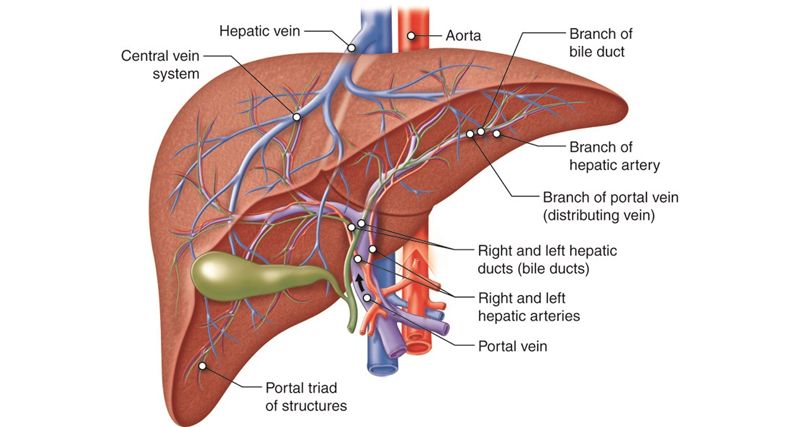
An anatomical diagram of the liver and bile ducts used to illustrate bile duct cancer diagnosis and internal liver structure.

Diagnosis of Bile Duct Cancer

Diagnosis of Bile Duct Cancer Diagnosing cholangiocarcinoma can be difficult due to its deep location within the body and non-specific symptoms. Many signs mimic other, more common illnesses like gallstones or hepatitis. A combination of imaging tests, blood work, and biopsies is usually required. Learn more about the diagnosis of bile duct cancer below. Step-by-step diagnostic process: In South Africa, diagnostic access depends on location. Major hospitals and academic centres offer CT, MRI, and ERCP, but availability may be limited in rural or underfunded public facilities. Diagnosis of Bile Duct Cancer Because early symptoms are vague, delays in diagnosis are common. Prompt referral to a gastroenterologist, hepatologist, or oncologist is vital when jaundice or unexplained liver symptoms are present. 👉 [Next: Treatment of Bile Duct Cancer]

Diagnosis of Bile Duct Cancer Read More »

A healthcare professional applying a bandage after an intravenous procedure, symbolising chemotherapy for bile duct cancer.

Treatment of Bile Duct Cancer

Treatment of Bile Duct Cancer The treatment of cholangiocarcinoma depends on its location, stage, and whether it can be surgically removed. The main goal is to remove or reduce the tumour, ease symptoms, and improve quality of life. Learn more about the treatment of bile duct cancer below. Treatment options include: Access to care in South Africa varies greatly. While private facilities may offer surgery, chemo, and transplant referral, rural clinics may focus on supportive care. NGOs and support networks play a growing role in linking patients to referral hospitals. Treatment of Bile Duct Cancer Early-stage detection improves survival, but even late-stage treatment can relieve symptoms and extend life expectancy. 👉 [Next: Complications and Prognosis]

Treatment of Bile Duct Cancer Read More »

Scroll to Top