Mental Matters

Author name: admin

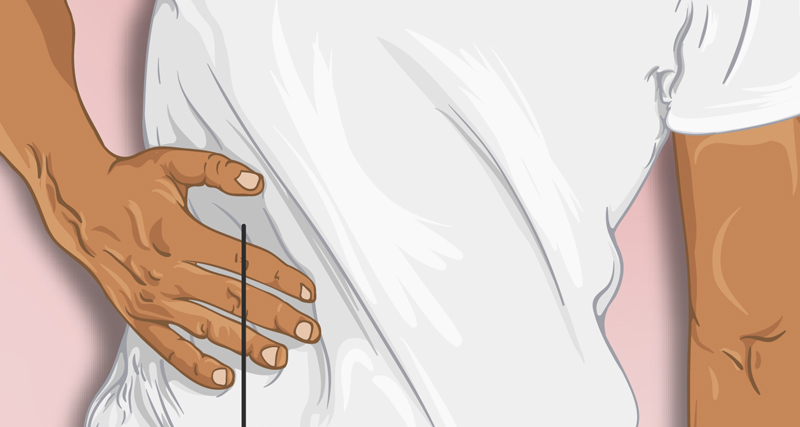
Illustration of a person clutching the right side of their abdomen, indicating pain linked to bile duct cancer complications.

Complications and Prognosis of Bile Duct Cancer

Complications and Prognosis of Bile Duct Cancer Cholangiocarcinoma often progresses quietly until it causes serious complications, which can affect multiple organs and lead to reduced quality of life. Early and ongoing management can help delay these complications. Read more about the complications and prognosis of bile duct cancer below. Common complications include: Prognosis: In South Africa, late presentation and limited access to specialist care may worsen outcomes. However, early referral, supportive care, and palliative services can significantly improve quality of life. Living with Bile Duct Cancer Many patients benefit from multidisciplinary care involving surgeons, oncologists, palliative nurses, and dietitians — especially when supported by family and community. 👉 [Next: Living with Bile Duct Cancer – Support and Lifestyle]


Complications and Prognosis of Bile Duct Cancer Read More »

Smiling healthcare provider holding IV bag filled with images of fruits, symbolising nutritional therapy for bile duct cancer support.

Living with Bile Duct Cancer

Living with Bile Duct Cancer – Support and Lifestyle Living with bile duct cancer can be overwhelming — both physically and emotionally. But with the right support and information, many people find ways to cope, stay hopeful, and maintain dignity. Living well with cholangiocarcinoma: Where to find help in South Africa: Living with Bile Duct Cancer Remember, you are not alone. Even in the face of a difficult diagnosis, many people find meaning, connection, and peace through support, love, and quality care. 👉 [End of Series | Back to Overview]

Living with Bile Duct Cancer Read More »

Man with uneven facial expression due to muscle weakness, a common sign of Bell’s palsy affecting one side of the face.

Bell’s Palsy

Bell’s Palsy Overview Bell’s palsy is a sudden, temporary weakness or paralysis of the muscles on one side of the face. It occurs when the facial nerve (cranial nerve VII), which controls facial expressions, becomes inflamed, swollen, or compressed. This condition can cause the affected side of the face to droop, and individuals may find it difficult to smile, blink, or close their eye. The exact cause of Bell’s palsy isn’t always clear, but experts believe viral infections that inflame the facial nerve may be responsible. In many cases, symptoms appear overnight, creating a great deal of distress for those affected. However, most people begin to recover within a few weeks, with or without treatment. Common symptoms of Bell’s palsy include: Bell’s palsy can affect anyone, but it occurs most often in adults aged 15 to 60. While it can be alarming, it is not life-threatening and is not related to stroke, although the symptoms may look similar. In South Africa, cases often present to GPs, clinics, and emergency units, especially due to the sudden onset of facial drooping. Healthcare workers must recognise symptoms early and provide reassurance — especially in rural areas with limited access to neurologists. With early treatment, such as corticosteroids, many people experience full recovery. Supportive care, including eye protection, facial exercises, and in some cases antiviral medications, also plays an important role. 👉 [Next: Causes and Risk Factors of Bell’s Palsy]

Bell’s Palsy Read More »

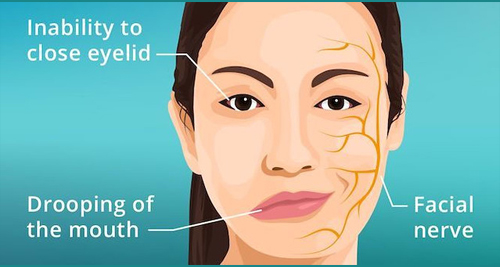
Illustration of a woman showing symptoms of Bell’s palsy, including facial droop and eyelid weakness, with facial nerve pathways highlighted.

Causes and Risk Factors of Bell’s Palsy

Causes and Risk Factors of Bell’s Palsy The exact causes and risk factors of bell’s palsy of Bell’s palsy remains unknown, but it is believed to result from inflammation and swelling of the facial nerve, possibly due to a viral infection. The facial nerve passes through a narrow bony canal, and when it becomes inflamed, pressure builds up, interrupting the nerve’s ability to control facial muscles. Possible causes and triggers include: Risk factors include: In South Africa, viral illnesses such as cold sores, flu, and HIV-related infections may increase vulnerability to Bell’s palsy. The condition is not contagious, but those with weakened immunity may be more at risk. Although Bell’s palsy can happen to anyone, recognising potential triggers and managing underlying health conditions like diabetes or hypertension may reduce the risk or aid in quicker recovery. Causes and Risk Factors of Bell’s Palsy Importantly, Bell’s palsy is different from a stroke — although both can cause facial weakness, strokes typically affect other parts of the body and involve slurred speech or limb weakness. A thorough medical assessment helps rule out other causes. 👉 [Next: Diagnosis of Bell’s Palsy]

Causes and Risk Factors of Bell’s Palsy Read More »

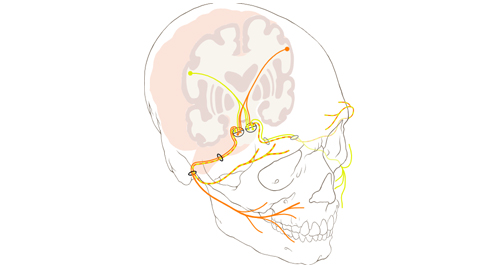
Medical illustration of cranial nerve pathways involved in Bell’s palsy, showing the facial nerve and its branches across the skull.

Diagnosis of Bell’s Palsy

Diagnosis of Bell’s Palsy Diagnosis of Bell’s palsy is primarily a clinical process, meaning doctors often make the diagnosis based on a person’s symptoms and a physical examination. However, it’s essential to rule out other serious conditions, particularly stroke, which can also cause sudden facial drooping. Steps in diagnosis typically include: In South Africa, most cases are diagnosed in primary care clinics or emergency units. Public hospitals may provide imaging where needed, especially if red flags like gradual onset or multiple cranial nerve involvement are present. Diagnosis of Bell’s Palsy Prompt diagnosis allows early initiation of treatment, which significantly improves recovery rates. Differentiating Bell’s palsy from other conditions, especially stroke, is essential for proper management. 👉 [Next: Treatment of Bell’s Palsy]

Diagnosis of Bell’s Palsy Read More »

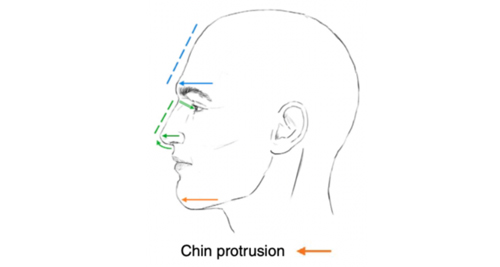
Side profile diagram showing chin and facial muscle alignment used in evaluating Bell’s palsy and facial asymmetry during treatment planning.

Treatment of Bell’s Palsy

Treatment of Bell’s Palsy The treatment of Bell’s palsy for Bell’s palsy focuses on reducing inflammation, supporting nerve healing, and protecting the eye on the affected side. Most patients recover fully within a few weeks to months, especially if treatment begins early. Key treatments include: In South Africa, public hospitals typically provide prednisone and eye care essentials. Referral to a physiotherapist or neurologist may be available through tertiary centres. In private practice, earlier access to MRI and EMG may guide advanced treatment planning. Treatment of Bell’s Palsy Most patients improve within 2–3 weeks, with full recovery in 70–85% of cases. Those with incomplete recovery may experience mild muscle weakness, facial tightness, or residual asymmetry. Early intervention is crucial. Even in remote or rural settings, starting steroids and protecting the eye can make a significant difference. 👉 [Next: Recovery and Complications of Bell’s Palsy]

Treatment of Bell’s Palsy Read More »

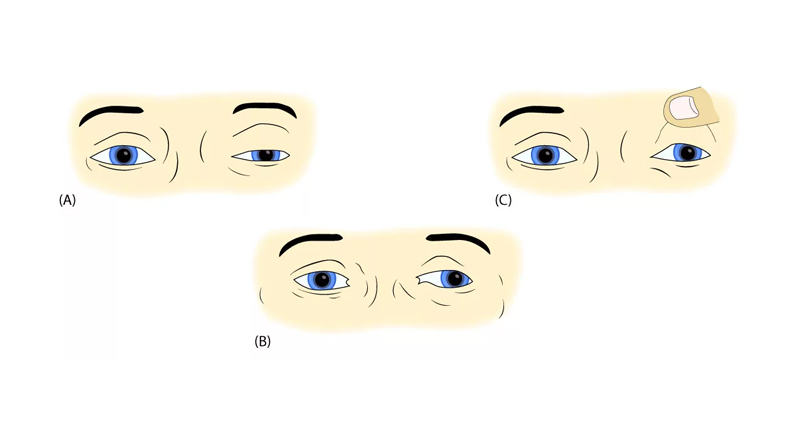
Illustration showing eye and facial muscle symptoms during different stages of Bell’s palsy recovery, including eyelid weakness and patch use.

Recovery and Complications of Bell’s Palsy

Recovery and Complications of Bell’s Palsy The recovery and complications of bell’s palsy timeline for Bell’s palsy varies, but the majority of people experience partial or full recovery within three to six months. Early treatment improves outcomes, but even without treatment, many patients heal spontaneously. What to expect in recovery: Factors that influence recovery: Possible complications: When to seek further help: In South Africa, rehabilitation services such as speech and physiotherapy may be accessed through public hospitals, though waiting times can vary. Online tutorials and support groups can also help patients manage recovery at home. Recovery and Complications of Bell’s Palsy Full recovery is likely, but it requires patience, support, and early care. Long-term complications are uncommon when treatment is prompt and eye protection is consistent. [End of Series | Back to Overview]

Recovery and Complications of Bell’s Palsy Read More »

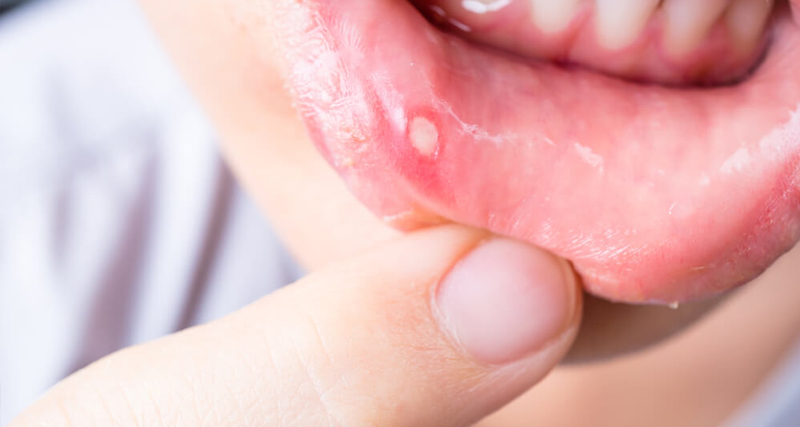
Mouth ulcer on lower lip, a common early symptom of Behçet’s disease linked to recurring inflammation in mucous membranes.

Behçet’s Disease

Behçet’s Disease Overview Behçet’s disease, also called Behçet’s syndrome, is a rare, chronic condition that causes inflammation of blood vessels (vasculitis) throughout the body. This inflammation can affect multiple systems, including the mouth, eyes, skin, joints, genitals, and digestive system. The condition is autoimmune in nature, meaning the immune system mistakenly attacks the body’s own tissues. Named after Turkish dermatologist Dr. Hulusi Behçet, who first described the disease in the 1930s, it is most common in countries along the ancient Silk Road, including Turkey, Iran, Japan, and China. However, it also occurs globally — including in South Africa, where it may be underdiagnosed due to its rarity and overlap with other illnesses. The exact cause of Behçet’s disease is unknown, but it is believed to involve a combination of genetic predisposition and environmental triggers, such as infections. The hallmark symptom is recurrent mouth ulcers, but the disease can also cause genital sores, eye inflammation, skin lesions, and problems in the nervous system or major organs. Common symptoms include: Behçet’s disease is a relapsing-remitting condition — meaning symptoms flare up and then improve or disappear for periods of time. For some, the disease is mild and manageable; for others, it may be severe and disabling. Although Behçet’s disease can be distressing and unpredictable, early diagnosis and ongoing treatment help reduce flare-ups, preserve vision, and manage pain. In South Africa, limited awareness and access to rheumatology services in certain areas may delay diagnosis. Education and specialist referral are crucial, particularly when symptoms involve multiple organs. 👉 [Next: Causes and Risk Factors of Behçet’s Disease]

Behçet’s Disease Read More »

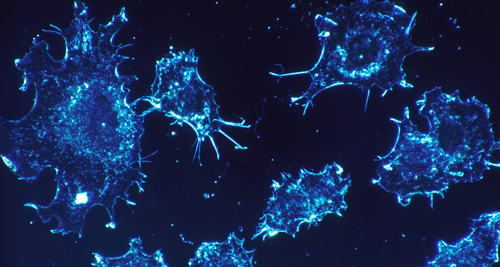
Microscopic image of immune cells, symbolising autoimmune activity linked to Behçet’s disease causes and risk factors.

Causes and Risk Factors of Behçet’s Disease

Causes and Risk Factors of Behçet’s Disease The causes and risk factors of Behçet’s disease are not fully understood, but researchers believe it results from a combination of genetic, immune, and environmental factors. What sets Behçet’s apart from many other autoimmune diseases is its wide range of symptoms and vascular inflammation. Key contributing factors: Risk factors include: In South Africa, Behçet’s disease is rare, which can make diagnosis difficult. Many patients may be misdiagnosed with conditions such as lupus, herpes, or Crohn’s disease, particularly if symptoms occur in isolation. Healthcare providers should suspect Behçet’s if a person experiences recurrent mouth and genital ulcers, unexplained eye inflammation, or vascular symptoms across multiple body systems. Causes and Risk Factors of Behçet’s Disease While it is not contagious and does not spread between people, Behçet’s is lifelong and requires ongoing medical care. Identifying risk factors and symptoms early allows for timely intervention and improved outcomes. 👉 [Next: Diagnosis of Behçet’s Disease]

Causes and Risk Factors of Behçet’s Disease Read More »

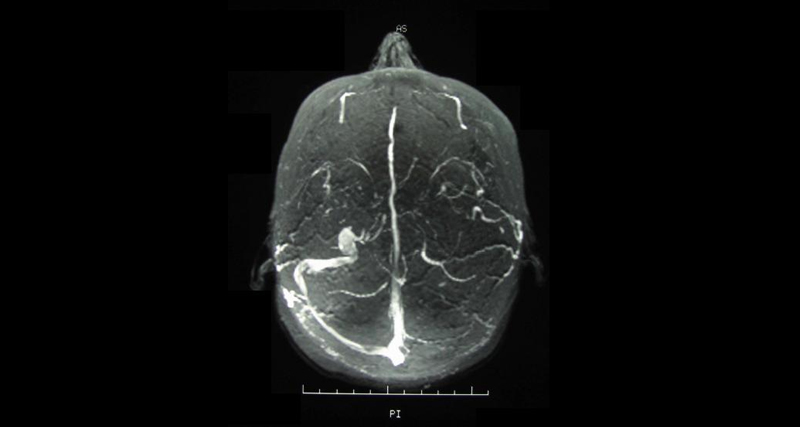
MRI brain scan showing neurological involvement associated with Behçet’s disease.

Diagnosis of Behçet’s Disease

Diagnosis of Behçet’s Disease Diagnosis of Behçet’s disease can be challenging because there is no single test that confirms it. Instead, doctors rely on a combination of clinical criteria, patient history, and exclusion of other conditions. The process often involves multiple specialists, including dermatologists, rheumatologists, and ophthalmologists. Diagnostic criteria often include: Tests used to support diagnosis include: The pathergy test (common in countries where Behçet’s is prevalent) is less reliable in South Africa and other regions where the disease is rarer. Because the symptoms can appear years apart and mimic other illnesses, Behçet’s is often misdiagnosed. In South Africa, people may initially be treated for STIs, oral herpes, or inflammatory bowel disease before the full pattern is recognised. Diagnosis of Behçet’s Disease The earlier the diagnosis, the better. Regular monitoring and multidisciplinary care are essential to track the disease’s progression and avoid complications such as blindness or blood vessel rupture. 👉 [Next: Treatment and Management of Behçet’s Disease]

Diagnosis of Behçet’s Disease Read More »

Scroll to Top