Mental Matters

Author name: admin

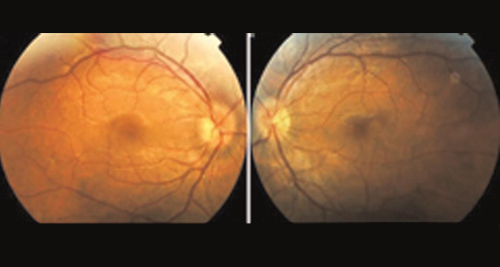
Retinal scan comparison showing inflammation from Behçet’s disease versus a healthy retina.

Treatment and Management of Behçet’s Disease

Treatment and Management of Behçet’s Disease There is currently no cure for Behçet’s disease, but a combination of medications, symptom management, and regular monitoring can help control flare-ups, reduce inflammation, and improve quality of life. Learn more about the treatment and management of Behçet’s disease below. Treatment depends on which body systems are affected and the severity of symptoms. Common treatment options include: In South Africa, access to specialised care may be limited in rural areas, so referrals to tertiary hospitals or academic centres are often necessary. Public sector access to biologic therapies may be restricted, though NGOs and support programmes may offer assistance. Treatment and Management of Behçet’s Disease Managing Behçet’s is a lifelong commitment, but with proper support and treatment, many patients lead full and active lives. The key is to tailor therapy to each individual’s symptoms and adjust as the disease changes over time. 👉 [Next: Complications and Long-Term Outlook]

Treatment and Management of Behçet’s Disease Read More »

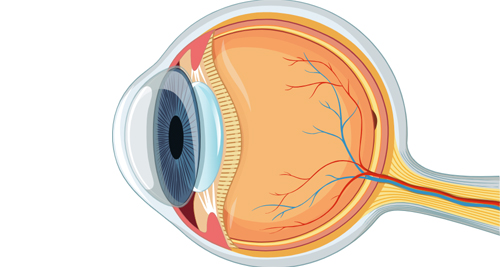
Detailed cross-section of the human eye showing internal structures, highlighting vision complications related to Behçet’s disease.

Complications and Long-Term Outlook of Behçet’s Disease

Complications and Long-Term Outlook of Behçet’s Disease Behçet’s disease varies greatly between individuals — some experience mild, manageable symptoms, while others face serious complications affecting the eyes, brain, or major blood vessels. The severity and pattern of symptoms often change over time. Read more about the complications and long-term outlook of Behçet’s disease below. Potential complications include: Prognosis: In South Africa, long-term outcomes improve when patients have access to regular monitoring, multi-specialist care, and mental health support. Those without consistent access may experience more complications due to missed treatment or delayed diagnosis. Complications and Long-Term Outlook of Behçet’s Disease Raising awareness among healthcare providers and the public is key to improving outcomes. No one should suffer silently from a disease that, though rare, is manageable with the right care. 👉 [Next: Living with Behçet’s – Practical Advice and Support]

Complications and Long-Term Outlook of Behçet’s Disease Read More »

Fresh garlic bulbs spilled on a woven mat, symbolising natural anti-inflammatory remedies for chronic conditions like Behçet’s disease.

Living with Behçet’s Disease

Living with Behçet’s Disease – Practical Advice and Support Living with Behçet’s disease requires patience, self-awareness, and a supportive care team. While the disease is unpredictable, it can be managed through education, planning, and self-care. Tips for daily living: In South Africa, consider connecting with national or regional patient advocacy organisations, where available. Even though Behçet’s is rare, you’re not alone. Online platforms can also connect you with global support networks and reliable health information. Living with Behçet’s With regular treatment, education, and emotional support, people with Behçet’s can achieve long-term stability. Life with this disease may have hurdles — but it can also be lived with strength, dignity, and hope. 👉 [End of Series | Back to Overview]

Living with Behçet’s Disease Read More »

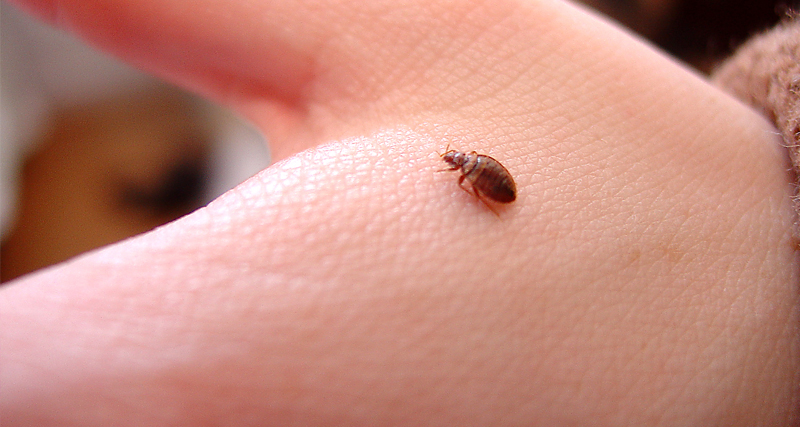
Close-up of a bedbug on human skin, showing the parasite responsible for itchy bites and skin irritation.

Bedbugs

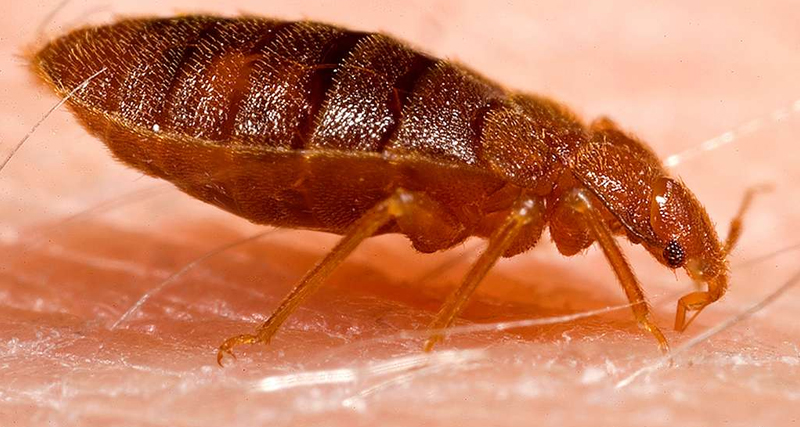
Bedbugs Overview Bedbugs, also known as Cimex lectularius, are small, wingless insects that feed on human blood. Usually at night while a person sleeps. Despite their name, bedbugs can infest many areas, including mattresses, bed frames, furniture, clothing, curtains, and cracks in walls or floors. They are not known to transmit diseases, but they can cause significant physical discomfort and emotional distress. Their bites often result in itchy welts, skin irritation, and in some cases, allergic reactions or secondary infections from scratching. Bedbugs are flat, oval-shaped, and reddish-brown in colour. Adults are about the size of an apple seed, while younger nymphs are smaller and lighter in shade. They are hardy pests, capable of surviving for months without feeding and hiding in extremely small crevices. Which makes them difficult to detect and eliminate. Common signs of bedbugs include: While bedbugs are often associated with poor hygiene or poverty, they can infest any environment. Including clean, well-maintained homes, hotels, and public transport. In South Africa, rising urban density, shared housing, and increased travel have contributed to a resurgence in bedbug infestations. Furthermore, particularly in hostels, shelters, and densely populated city flats. Though bedbugs don’t spread disease, their presence can cause anxiety, insomnia, embarrassment, and stress. Particularly, in households with children, elderly individuals, or people with allergies. Prompt detection and proper treatment are critical for controlling bedbug infestations and preventing them from spreading to neighbouring homes or public spaces. 👉 [Next: Causes and Spread of Bedbugs]

Bedbugs Read More »

Causes and Spread of Bedbugs

Causes and Spread of Bedbugs

Causes and Spread of Bedbugs Bedbugs are expert hitchhikers. They spread by clinging to clothing, luggage, bedding, furniture, or other personal items, allowing them to travel unnoticed between locations. Once inside a home or building, they quickly find hiding places near sleeping areas and begin to reproduce. Learn more about the causes and spread of bedbugs below. Key ways bedbugs spread include: What doesn’t cause bedbugs? Risk factors: In rural parts of South Africa, infestations may go unnoticed for longer due to fewer inspections or less awareness. In lower-income communities, lack of access to professional pest control can lead to ongoing problems. Causes and Spread of Bedbugs Education, awareness, and early detection are key to reducing spread and keeping communities bedbug-free. 👉 [Next: Symptoms and Reactions to Bedbug Bites]

Causes and Spread of Bedbugs Read More »

Symptoms and Reactions to Bedbug Bites

Symptoms and Reactions to Bedbug Bites

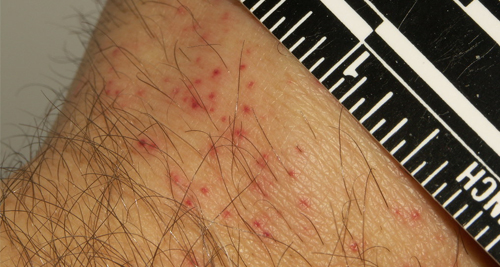
Symptoms and Reactions to Bedbug Bites The most noticeable sign of a bedbug infestation is the presence of itchy, red bites, typically appearing after a person has been asleep. However, not everyone reacts the same — some individuals may show no symptoms at all, while others may experience severe allergic reactions. Learn more about the symptoms and reactions to bedbug bites below. Common bite symptoms include: Bites are most often found on areas exposed during sleep, such as the: Bedbug saliva contains an anaesthetic and anticoagulant that prevents pain and allows continuous feeding, which is why bites are usually only noticed later. Complications may include: In South Africa, many people delay seeking help due to stigma, mistakenly believing that bedbugs only affect “dirty” homes. This can lead to delayed diagnosis and worsening infestations. Unlike mosquito bites, bedbug bites do not spread diseases, but the psychological toll — particularly in children or vulnerable individuals — can be significant. Repeated bites over several nights may cause insomnia or even symptoms of anxiety or depression. Symptoms and Reactions to Bedbug Bites Important note: Bedbug bites can resemble other insect bites or skin conditions. If unsure, consult a healthcare provider to rule out other causes like scabies, fleas, or allergic dermatitis. 👉 [Next: Diagnosis and Detection of Bedbugs in the Home]

Symptoms and Reactions to Bedbug Bites Read More »

Diagnosis and Detection of Bedbugs in the Home

Diagnosis and Detection of Bedbugs in the Home

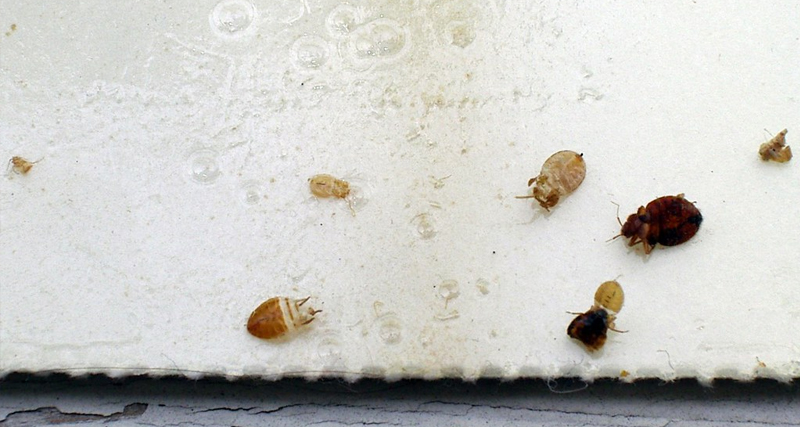
Diagnosis and Detection of Bedbugs in the Home Identifying a bedbug infestation early is vital to preventing it from spreading. While the bites are often the first clue, a thorough inspection of sleeping areas and furniture is the best way to confirm their presence. Read more about the diagnosis and detection of bedbugs in the home below. Where to look for bedbugs: Signs of infestation: DIY inspection tips: In South Africa, professional pest control companies offer bedbug detection services, including canine inspections and visual searches. In informal housing areas, self-inspection may be the only option, but early recognition is still possible. If unsure, collect a bug in a clear container and take it to a pest control expert or environmental health officer for confirmation. Diagnosis and Detection of Bedbugs in the Home Early detection is critical. A small, localised infestation is much easier and cheaper to eliminate than a widespread one. 👉 [Next: Treatment and Elimination of Bedbugs]

Diagnosis and Detection of Bedbugs in the Home Read More »

Treatment and Elimination of Bedbugs

Treatment and Elimination of Bedbugs

Treatment and Elimination of Bedbugs Eliminating bedbugs is challenging due to their resilience, hiding abilities, and resistance to many common pesticides. Effective treatment and elimination of bedbugs often requires a combination of professional pest control, environmental management, and vigilance. Professional pest control options: Home-based interventions: Avoid using flammable substances like paraffin, methylated spirits, or petrol — a dangerous practice reported in some informal settlements. Treatment and Elimination of Bedbugs In South Africa, access to professional extermination services can be expensive. Some municipalities offer environmental health support, but services vary by region. NGOs and community clinics may assist in referral or advice. Bedbugs do not go away without intervention. Even after treatment, continued monitoring for signs of re-infestation is necessary for several weeks. 👉 [Next: Prevention and Living Bedbug-Free]

Treatment and Elimination of Bedbugs Read More »

Prevention and Living Bedbug-Free

Prevention and Living Bedbug-Free

Prevention and Living Bedbug-Free After treating a bedbug infestation, prevention and living bedbug-free becomes crucial. Because bedbugs are mobile and resilient, even clean, well-maintained homes can become reinfested if precautionary steps are not taken. Prevention tips: In South Africa, support may be available through local environmental health units, municipal pest control services, or community outreach organisations. Education on safe and effective pest control methods is vital, especially in underserved or overcrowded communities. Prevention and Living Bedbug-Free Mental wellbeing matters too. Bedbug infestations can be emotionally exhausting. Many people experience sleep issues, anxiety, or embarrassment. Support groups, online forums, and healthcare providers can offer reassurance and coping strategies. With persistence, planning, and awareness, it’s possible to regain control and enjoy a bug-free home. 👉 [End of Series | Back to Overview]

Prevention and Living Bedbug-Free Read More »

Balanitis

Balanitis

Balanitis Overview Balanitis refers to inflammation of the glans (head) of the penis. When the foreskin is also involved, the condition is referred to as balanoposthitis. It is a common condition, especially in uncircumcised males, and can affect men and boys of all ages. While often mild and treatable, it can be painful, distressing, and occasionally recurrent. The inflammation is usually caused by irritation, infection, or poor hygiene. Balanitis can result from a buildup of smegma (a natural secretion made up of dead skin cells, oils, and moisture), allergic reactions to soaps or condoms, or infections such as yeast, bacteria, or STIs. Common symptoms of balanitis include: Balanitis is not always serious, but if left untreated, it can lead to scarring, urinary difficulties, and repeated infections. In children, especially boys under five, it may be mistaken for other types of skin irritation or urinary tract infections. In South Africa, where access to healthcare may vary, some men delay seeking treatment due to embarrassment or stigma, especially when symptoms resemble sexually transmitted infections. Open, judgment-free medical care is essential for addressing the condition early and preventing complications. Understanding the cause of balanitis is critical. For some, it may simply be a reaction to a new soap, while for others, it could signal an underlying medical condition like diabetes, which increases susceptibility to infections. Most cases respond well to topical treatments, improved hygiene practices, and avoiding known irritants. However, recurrent or severe cases may require more extensive medical evaluation. 👉 [Next: Causes and Risk Factors of Balanitis]

Balanitis Read More »

Scroll to Top