Mental Matters

Author name: admin

Causes and Risk Factors of Balanitis

Causes and Risk Factors of Balanitis

Causes and Risk Factors of Balanitis Balanitis can result from a variety of causes, ranging from minor irritants to more serious underlying conditions. In many cases, it’s a combination of factors that lead to inflammation. Recognising these causes is essential for both effective treatment and prevention. Read more about the Causes and Risk Factors of Balanitis below. Common causes of balanitis include: Risk factors include: In communities where circumcision is not routinely practiced, such as some urban areas in South Africa, educational outreach about proper genital hygiene is important. Cultural perceptions and fear of judgment may prevent some men from seeking timely care. Prevention starts with awareness. Knowing what increases the risk can empower men to take simple, daily steps to protect their health. 👉 [Next: Diagnosis of Balanitis]

Causes and Risk Factors of Balanitis Read More »

Diagnosis of Balanitis

Diagnosis of Balanitis

Diagnosis of Balanitis Diagnosis of balanitis usually begins with a clinical examination and discussion of recent symptoms and hygiene habits. Most doctors or nurses can identify balanitis based on appearance alone, but additional tests may be needed to confirm the cause and guide treatment. What to expect during diagnosis: In South Africa, public clinics and hospitals can diagnose balanitis during general or STI-focused check-ups. Private GPs and urologists may offer more rapid testing, particularly in urban centres. It’s important not to self-diagnose, especially since other conditions like genital herpes, lichen sclerosus, or penile cancer can present similarly. Getting a correct diagnosis ensures you receive the most effective and safe treatment. 👉 [Next: Treatment Options for Balanitis]

Diagnosis of Balanitis Read More »

Treatment Options for Balanitis

Treatment Options for Balanitis

Treatment Options for Balanitis Treatment options for balanitis depend on the underlying cause. In most cases, the condition responds well to a combination of good hygiene, topical medications, and avoidance of irritants. Treatment options include: Home care tips during treatment: Treatment in South Africa is available at most clinics and hospitals. Many antifungal and antibiotic creams are provided free of charge at government facilities. Private pharmacies also stock over-the-counter options, but proper diagnosis should always come first. With early intervention, most cases clear up within 7 to 10 days. However, untreated or mismanaged balanitis can return or lead to complications. 👉 [Next: Complications and Prevention of Balanitis]

Treatment Options for Balanitis Read More »

Man clutching groin area, indicating pain or discomfort commonly associated with balanitis or other penile inflammation.

Complications and Prevention of Balanitis

Complications and Prevention of Balanitis While most cases of balanitis are mild and resolve quickly, ignoring the condition or repeating harmful hygiene practices can lead to complications — especially in recurrent or untreated cases. Read more about the complications and prevention of balanitis below. Possible complications include: Prevention tips: In South Africa, awareness about male genital health is growing, but there’s still a stigma that prevents some men from seeking help. Health education campaigns and community outreach can help change attitudes and encourage early care. Balanitis is common and highly treatable. Taking small steps to maintain hygiene and manage risk factors can make a big difference in prevention and overall confidence. 👉 [End of Series | Back to Overview]

Complications and Prevention of Balanitis Read More »

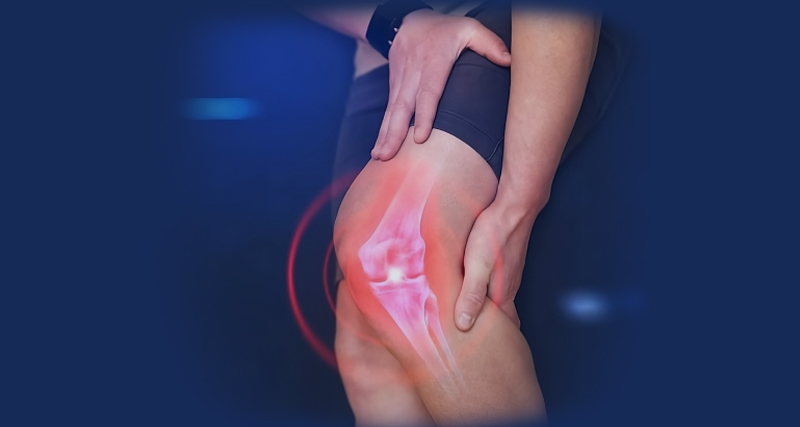
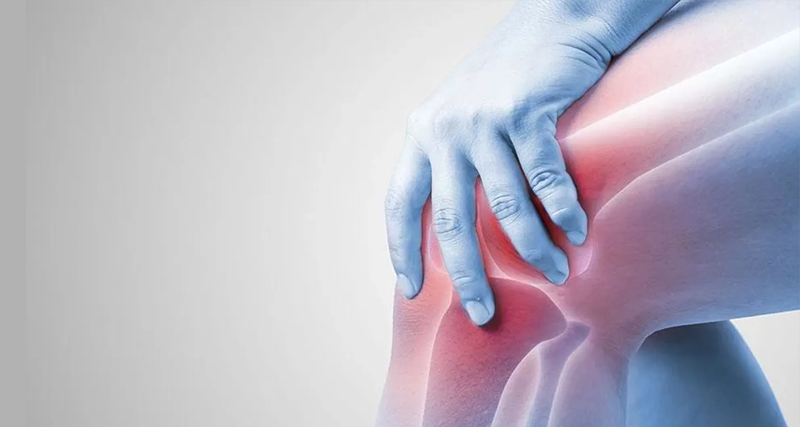
Person holding the back of the knee with a visual overlay of inflamed joint, indicating pain from a Baker’s cyst.

Baker’s Cyst

Baker’s Cyst Overview A Baker’s cyst, also known as a popliteal cyst, is a fluid-filled swelling that develops at the back of the knee. It is usually a result of excess synovial fluid — the lubricating fluid that helps joints move smoothly — collecting behind the knee joint. Rather than being a disease in itself, a Baker’s cyst is most often a symptom of an underlying knee condition, such as arthritis or a cartilage tear. The cyst may vary in size and can cause tightness, discomfort, or even pain — especially when the knee is fully flexed or extended. While often small and painless, larger cysts can interfere with movement or mimic symptoms of other, more serious problems like deep vein thrombosis (DVT). Common signs and symptoms of a Baker’s cyst include: Baker’s cysts are more common in adults over 40, particularly those with osteoarthritis or a previous knee injury. In children, they are rarer and usually painless when they do occur. In South Africa, people who work in physically demanding jobs, such as farming, construction, or domestic labour, may be more prone to joint wear and tear. Therefore, increasing the risk of knee conditions that can lead to Baker’s cysts. Unfortunately, limited access to orthopaedic care in some public health sectors can delay diagnosis and treatment. A Baker’s cyst is not life-threatening, but it can cause discomfort, limit mobility, and affect quality of life if left untreated. Especially in individuals with underlying joint issues. Most cases improve with conservative treatment. However, when the cyst becomes painful, large, or persistent. Medical attention is needed to manage both the cyst and its root cause. More Than Just a Lump Behind the Knee A Baker’s cyst may seem like a minor issue at first. However, it’s often the body’s way of signalling deeper joint problems. Knowing what to look for — and when to seek help — empowers you to take charge of your joint health early. Early Action Brings Relief With the right care and awareness, most people can manage or even prevent Baker’s cysts from becoming a long-term problem. Stay informed, protect your knees, and don’t ignore persistent swelling or discomfort. 👉 [Next: Causes and Risk Factors of Baker’s Cyst]

Baker’s Cyst Read More »

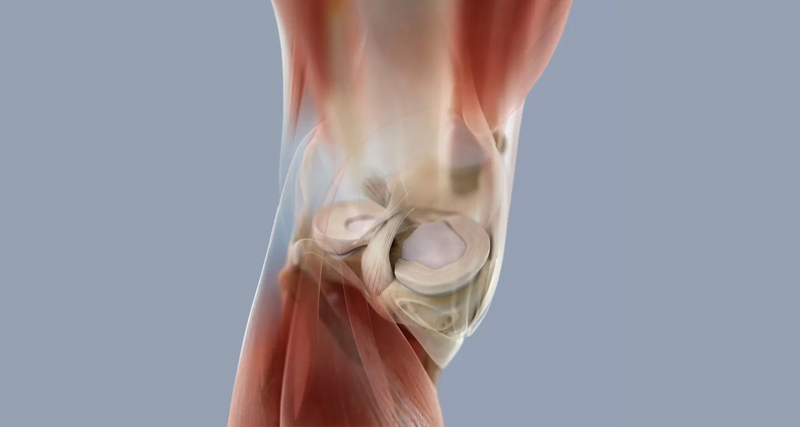
Anatomical illustration of the knee joint showing underlying structures associated with the development of a Baker’s cyst.

Causes and Risk Factors of Baker’s Cyst

Causes and Risk Factors of Baker’s Cyst A Baker’s cyst develops when synovial fluid — the lubricating fluid in the knee joint — is produced in excess and becomes trapped behind the knee. This usually occurs due to underlying joint inflammation or injury, causing the joint to produce more fluid than usual. The fluid then bulges out into the popliteal bursa, a small sac behind the knee, forming a visible or palpable cyst. Read more about the causes and risk factors of Baker’s cyst below. Common causes of Baker’s cysts include: Risk factors that make someone more likely to develop a Baker’s cyst include: In South Africa, people in manual labour-intensive roles or who experience delays in seeking treatment for joint pain may be more at risk. Furthermore, long-term untreated knee conditions not only worsen quality of life but may also increase the likelihood of cyst formation. Understanding the cause is crucial. Additionally, treating just the cyst without addressing the underlying joint issue often results in recurrence. For example, draining a cyst caused by osteoarthritis will only offer temporary relief unless the arthritis itself is managed. It Starts With the Joint A Baker’s cyst isn’t a problem on its own — it’s a sign that something deeper is going on in the knee. Therefore, whether it’s arthritis, an injury, or inflammation, identifying the root cause is key to lasting relief. Know Your Risk, Protect Your Knees If you have a history of joint problems, or work in a physically demanding job, be proactive. Additionally, early intervention and proper joint care can go a long way in preventing cyst formation and avoiding long-term complications. 👉 [Next: Diagnosis of a Baker’s Cyst]

Causes and Risk Factors of Baker’s Cyst Read More »

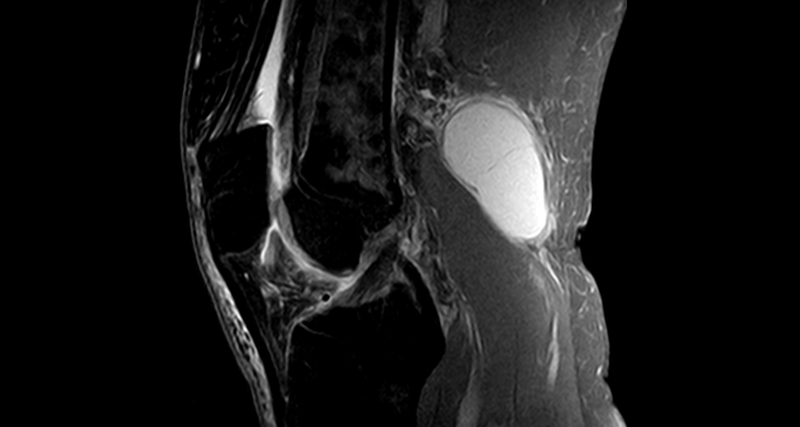
MRI scan showing a fluid-filled Baker’s cyst behind the knee joint, confirming diagnosis through medical imaging.

Diagnosis of a Baker’s Cyst

Diagnosis of a Baker’s Cyst Diagnosis of a Baker’s cyst is generally straightforward, especially when the swelling is visible behind the knee. However, because other conditions like blood clots, tumours, or knee injuries can cause similar symptoms, an accurate diagnosis is essential. Diagnosis typically involves: In some cases, doctors perform needle aspiration by drawing fluid from the cyst using a syringe. This not only confirms the diagnosis but can also provide temporary relief from pressure. It’s important to distinguish a Baker’s cyst from more serious conditions. For example, if the cyst ruptures, it can cause pain and swelling in the lower leg that closely resembles a deep vein thrombosis (DVT) — a potentially life-threatening condition. In South Africa, people in rural areas often visit a local clinic for an initial assessment. If needed, clinic staff refer them to a district or provincial hospital for imaging. Accurate diagnosis helps doctors address the underlying joint pathology and avoid unnecessary treatments. Look Beyond the Lump While the swelling behind the knee may point to a Baker’s cyst, it’s crucial to rule out more serious causes. A thorough medical evaluation and proper imaging ensure you’re not just treating a symptom — but understanding what’s really going on inside the joint. Early Diagnosis Prevents Complications Catching a Baker’s cyst early, especially when linked to arthritis or injury, allows for faster treatment and better long-term outcomes. If you notice swelling or tightness behind the knee, don’t wait — get checked, especially if you’ve had joint issues in the past. 👉 [Next: Treatment and Management of Baker’s Cyst]

Diagnosis of a Baker’s Cyst Read More »

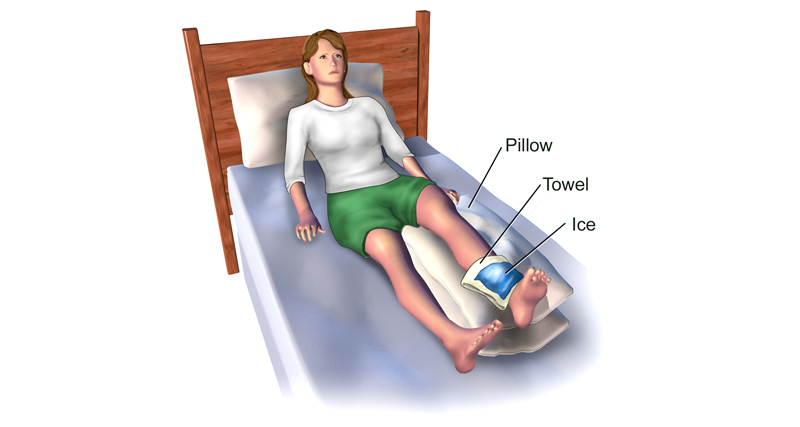
Woman using ice, towel, and pillow to relieve swelling and manage symptoms of a Baker’s cyst in the leg.

Treatment and Management of Baker’s Cyst

Treatment and Management of Baker’s Cyst The treatment and management of a Baker’s cyst depends on two key factors: the severity of the symptoms and the underlying cause. In many cases, especially if the cyst is small and not causing pain, no treatment is needed — monitoring over time may be sufficient. Conservative treatments include: Medical procedures for more severe cases: Treating a Baker’s cyst effectively means addressing the root joint problem — whether that’s arthritis, injury, or inflammation. Without doing so, the cyst is likely to return. Most patients recover with non-invasive care, especially when they follow a consistent treatment plan. Educating patients on joint protection, proper footwear, and posture can reduce flare-ups. Treat the Cause, Not Just the Cyst Lasting relief from a Baker’s cyst comes from identifying and managing the joint problem behind it — whether that’s arthritis, cartilage damage, or repetitive strain. Simply draining the cyst may provide short-term relief, but it’s not a cure unless the underlying issue is also treated. Conservative Care Works for Most The good news is that most people improve with rest, medication, and physiotherapy. Staying committed to your treatment plan — and making small daily changes like using proper footwear and protecting your knees — goes a long way in preventing recurrence and maintaining joint health. 👉 [Next: Complications and When to Seek Help]

Treatment and Management of Baker’s Cyst Read More »

Person holding swollen knee with visible inflammation, indicating pain or complications from a Baker’s cyst.

Baker’s Cyst Complications and When to Seek Help

Baker’s Cyst Complications and When to Seek Help While a Baker’s cyst is generally harmless and often resolves on its own, complications can occur — particularly if the cyst is large or ruptures. In these cases, symptoms can mimic more serious medical conditions, which require prompt attention. Learn more about Baker’s Cyst complications and when to seek help below. Possible complications include: You should seek medical attention if you experience: In South Africa, people experiencing these symptoms should visit a clinic or hospital urgently. Most primary healthcare centres can assess and refer you to a hospital if imaging or specialist input is needed. Recognising the difference between a benign cyst and more serious leg conditions is key to preventing complications and ensuring peace of mind. Don’t Ignore Worsening Symptoms Although many Baker’s cysts are mild and resolve with time, any sudden or worsening symptoms should be taken seriously. A ruptured cyst can mimic a blood clot, which is a medical emergency. If you experience redness, pain, or swelling in your calf, seek help immediately to rule out more dangerous causes. Early Action Prevents Long-Term Issues Persistent or recurrent Baker’s cysts often point to an underlying knee condition that needs attention. Getting the right diagnosis and treatment early — especially for arthritis or joint injuries — can help prevent long-term complications like chronic pain, mobility loss, or nerve compression. 👉 [Next: Living with and Preventing Baker’s Cyst]

Baker’s Cyst Complications and When to Seek Help Read More »

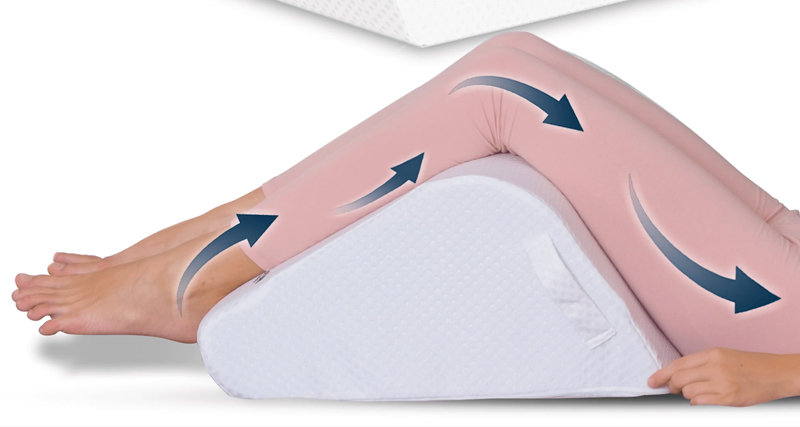
Legs elevated on a wedge cushion to reduce swelling and manage symptoms of Baker’s cyst behind the knee.

Living with and Preventing Baker’s Cyst

Living with and Preventing Baker’s Cyst Living with and preventing Baker’s Cyst is manageable, especially once the underlying knee condition is treated. The goal is to reduce inflammation, prevent fluid buildup, and maintain healthy joint function. Daily strategies to manage and prevent recurrence: In South Africa, public hospitals and NGOs increasingly offer education programs around joint health, arthritis, and injury prevention, especially for older adults and people in labour-intensive jobs. Living well with a Baker’s cyst means staying active in ways that protect the knees and listening to your body. With the right care and a focus on joint wellness, many people find long-term relief and enjoy a full range of motion. Long-Term Relief Is Possible Managing a Baker’s cyst involves more than treating the cyst itself — it requires ongoing attention to joint health, physical activity, and any underlying knee problems. With the right care plan and lifestyle changes, many people experience reduced symptoms and improved mobility. Staying consistent with gentle exercise, using supportive footwear, and avoiding joint strain are key to long-term relief. Prevention Starts with Knee Care Preventing the recurrence of a Baker’s cyst means addressing its root causes. Whether it’s arthritis, an old injury, or repetitive stress, proactive treatment and injury prevention strategies can protect your knees and overall joint function. In South Africa, increasing awareness and access to physiotherapy and joint-care resources are helping more people stay active and pain-free. 👉 [End of Series | Back to Overview]

Living with and Preventing Baker’s Cyst Read More »

Scroll to Top