Mental Matters

Author name: admin

Woman sitting and holding lower abdomen, symbolising discomfort from bacterial vaginosis (BV).

Bacterial Vaginosis (BV) Overview

Bacterial Vaginosis (BV) Overview “Bacterial Vaginosis (BV) is a common vaginal condition that occurs when the natural balance of bacteria in the vagina shifts. Although BV isn’t a sexually transmitted infection (STI), it occurs more often in sexually active women and often follows changes in vaginal flora caused by various factors. In a healthy vagina, lactobacilli (good bacteria) dominate and help maintain an acidic environment that protects against infection. BV occurs when harmful anaerobic bacteria, such as Gardnerella vaginalis, outnumber the protective lactobacilli, leading to an imbalance. BV affects women of all ages but is especially prevalent in women between 15 and 44 years old. Many women in South Africa experience recurrent BV, often unaware of the underlying cause or how to treat it properly. While it’s not dangerous in most cases, untreated BV can lead to increased risk of STIs, pregnancy complications, and pelvic inflammatory disease (PID). Key symptoms of BV may include: Some women with BV have no symptoms at all. This makes routine screening important during gynaecological exams, especially if symptoms are recurring or if the individual is pregnant. It’s important to note that poor hygiene does not cause BV. In fact, overwashing or using perfumed soaps and douches can disrupt the vaginal microbiome and make BV more likely. In South Africa, access to reproductive health education and services varies. “In under-resourced areas, many women rely on clinics that often offer limited testing and treatment for vaginal conditions. However, awareness is growing thanks to educational campaigns and mobile health clinics. Bacterial Vaginosis Early diagnosis and proper treatment are key to restoring balance and preventing complications. While BV often recurs and can be frustrating, medication and lifestyle adjustments usually treat most cases effectively. 👉 [Next: Causes and Risk Factors of Bacterial Vaginosis]
Bacterial Vaginosis (BV) Overview Read More »

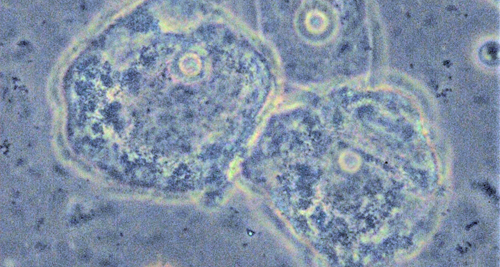
Microscopic image showing bacterial imbalance in vaginal flora linked to bacterial vaginosis.

Causes and Risk Factors of Bacterial Vaginosis

Causes and Risk Factors of Bacterial Vaginosis Bacterial Vaginosis results from an imbalance of vaginal bacteria, but several factors and behaviours can increase the likelihood of this disruption. BV is not caused by a single external pathogen; instead, it’s the result of the overgrowth of naturally occurring anaerobic bacteria at the expense of protective lactobacilli. Read more about the causes and risk factors of bacterial vaginosis below. Key causes and risk factors include: It’s also worth noting that BV is not contagious, and women can get it even if they’ve never had sex. Stress, poor diet, hormonal shifts, and even wearing tight, non-breathable underwear may influence bacterial balance to some degree. Causes and Risk Factors of Bacterial Vaginosis In South Africa, women may lack access to accurate reproductive health information and fall prey to harmful myths about vaginal hygiene. Educating women — and men — about the causes of BV can reduce stigma and improve prevention. 👉 [Next: Diagnosis of Bacterial Vaginosis]

Causes and Risk Factors of Bacterial Vaginosis Read More »

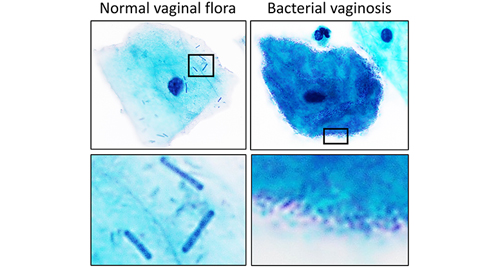
Microscopic comparison of normal vaginal flora and bacterial vaginosis showing clue cells and bacteria.

Diagnosis of Bacterial Vaginosis

Diagnosis of Bacterial Vaginosis Diagnosis of Bacterial Vaginosis involves a simple clinical examination and, in some cases, laboratory tests to confirm the cause of symptoms. Because BV shares symptoms with other vaginal infections like thrush (candidiasis) and trichomoniasis, doctors must make an accurate diagnosis to ensure the right treatment. Steps in diagnosis include: In South Africa, many clinics and public health facilities offer BV testing as part of reproductive health services. In some areas, women are treated based on symptoms alone due to a lack of lab infrastructure. This approach is known as syndromic management. Self-diagnosis is not recommended. While some over-the-counter products claim to treat vaginal odour or discharge, they may mask symptoms without addressing the underlying cause. Leaving an infection untreated can lead to complications, especially during pregnancy. Diagnosis of Bacterial Vaginosis If you’re pregnant and suspect BV, you must get tested and treated promptly. BV during pregnancy is linked to premature birth and low birth weight, making early care essential. 👉 [Next: Treatment and Recurrence of Bacterial Vaginosis]

Diagnosis of Bacterial Vaginosis Read More »

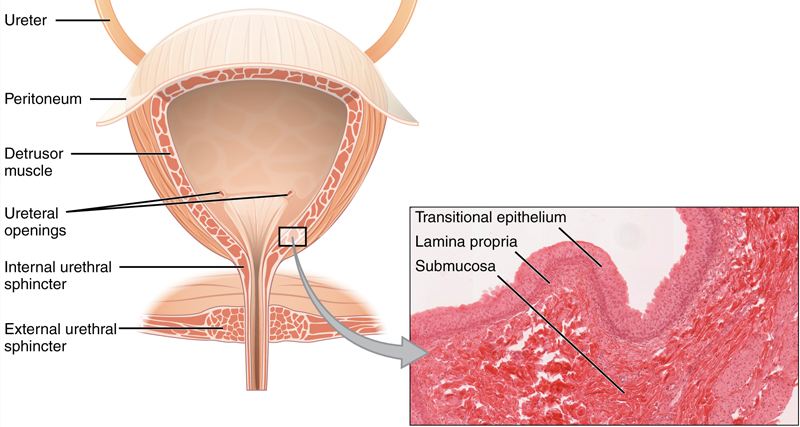
Medical diagram of the female urinary system with microscopic tissue view, illustrating urethral and epithelial structures.

Treatment and Recurrence of Bacterial Vaginosis

Treatment and Recurrence of Bacterial Vaginosis Bacterial Vaginosis is treatable, usually with antibiotics that restore the natural bacterial balance in the vagina. However, recurrence is common, with some women experiencing repeated episodes even after successful treatment. Learn more about the treatment and recurrence of bacterial vaginosis below. First-line treatments typically include: Both medications are highly effective, but symptoms may return within weeks or months in some women. If symptoms recur frequently (three or more times in 12 months), doctors may consider longer-term treatments or maintenance therapy. To reduce the risk of recurrence: Women with recurrent BV may benefit from lifestyle reviews with a healthcare provider to identify potential triggers. For pregnant women, BV treatment is especially important. BV can increase the risk of premature rupture of membranes, preterm labour, and miscarriage. Doctors typically prescribe metronidazole early in pregnancy, as it is generally considered safe. In South Africa, free treatment for BV is often available at government clinics. However, recurring infections may not always receive specialised follow-up unless symptoms are severe or complications arise. Treatment and Recurrence of Bacterial Vaginosis Open communication with healthcare providers can lead to better outcomes. Treating both the infection and the underlying factors helps prevent recurrence and improve vaginal health in the long term. 👉 [Next: Complications and When to See a Doctor]

Treatment and Recurrence of Bacterial Vaginosis Read More »

Woman in a nightgown sitting thoughtfully on a bed in a softly lit bedroom, suggesting discomfort or concern.

Bacterial Vaginosis Complications

Bacterial Vaginosis Complications – When to See a Doctor While Bacterial Vaginosis is generally not dangerous, it can lead to serious health complications if left untreated — especially for pregnant women and individuals at risk for sexually transmitted infections. Learn more about bacterial vaginosis complications below. Possible complications of untreated or recurrent BV include: You should see a doctor if: BV is not a reflection of cleanliness, and no woman should feel ashamed for seeking care. In South Africa, reproductive health clinics and community-based services can provide confidential, judgement-free treatment. Bacterial Vaginosis Complications Doctors usually don’t treat partners unless the woman experiences repeated reinfections. However, practising safe sex and avoiding irritants can help break the cycle of recurrence. Prompt treatment can clear BV quickly, but maintaining a healthy vaginal microbiome requires understanding and addressing the underlying risk factors. 👉 [Next: Living Well – Preventing BV and Promoting Vaginal Health]

Bacterial Vaginosis Complications Read More »

Black and white photo of a woman partially covering her face with her hands, expressing emotion or introspection.

Living Well with BV

Living Well with BV – Preventing BV and Promoting Vaginal Health Preventing Bacterial Vaginosis involves protecting the natural balance of bacteria in the vagina and avoiding unnecessary disruption. Although not all cases can be avoided, simple lifestyle changes can greatly reduce the likelihood of BV — especially for women who experience frequent recurrences. Read more about living well with BV below. Tips to maintain vaginal health: In South Africa, cultural myths around vaginal hygiene and “tightening” products contribute to harmful practices. Education is critical in dispelling misinformation and promoting healthy, evidence-based habits. Support from clinics, community organisations, and open conversations about women’s health are vital in reducing shame and stigma. Every woman deserves access to factual, respectful information about her body. Living Well with BV Bacterial Vaginosis is common, treatable, and preventable in many cases. With the right knowledge and care, women can take proactive steps to protect their reproductive health and live confidently, comfortably, and well. 👉 [End of Series | Back to Overview]

Living Well with BV Read More »

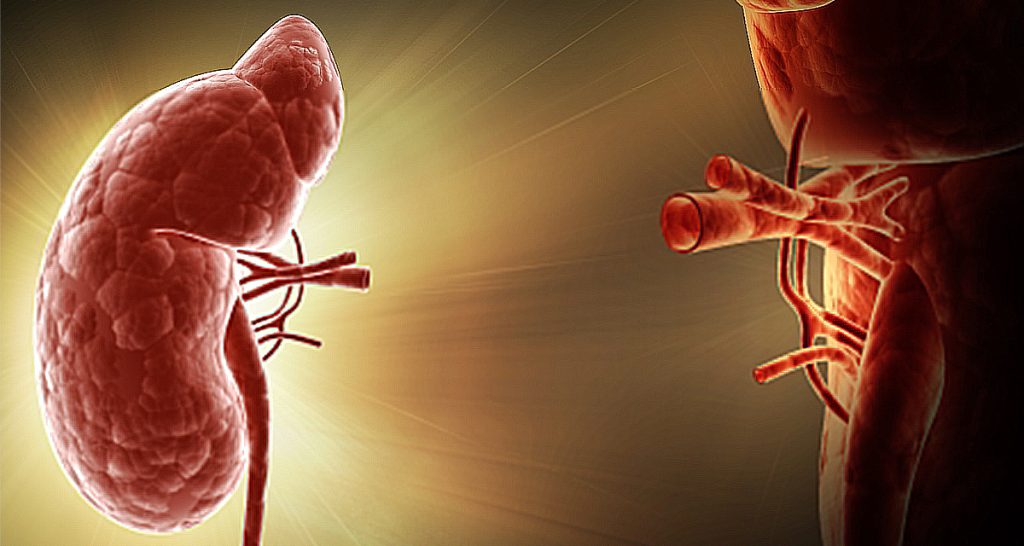
Medical illustration of kidneys highlighting internal structure and arteries, representing ARPKD overview.

Autosomal Recessive Polycystic Kidney Disease (ARPKD) Overview

Autosomal Recessive Polycystic Kidney Disease (ARPKD) Overview Autosomal Recessive Polycystic Kidney Disease (ARPKD) is a rare but serious genetic disorder that primarily affects the kidneys and liver. Unlike the more common autosomal dominant form (ADPKD), ARPKD often presents in infancy or early childhood and follows a recessive inheritance pattern. Meaning a child must inherit two copies of the faulty gene — one from each parent — to develop the condition. ARPKD is characterised by small fluid-filled cysts that develop in the kidney’s collecting ducts. Therefore, causing the kidneys to enlarge and impairing their function. At the same time, it also causes congenital hepatic fibrosis, a progressive liver disease involving bile duct abnormalities and scarring. This dual impact on the kidneys and liver makes ARPKD complex to manage. The severity varies widely — some babies show signs before birth, while others are diagnosed later in childhood. In the most severe cases, symptoms are evident on prenatal scans, and newborns may experience respiratory distress due to underdeveloped lungs caused by the pressure of large kidneys in the womb. Early signs and symptoms include: Autosomal Recessive Polycystic Kidney Disease In South Africa, the early recognition and treatment of ARPKD can be challenging. Especially in rural areas with limited access to neonatal specialists and paediatric nephrologists. In many cases, doctors identify the condition during an ultrasound conducted for another concern. Such as poor growth in utero or abdominal swelling in a newborn. Though ARPKD is life-threatening in its most severe form, many children survive into adolescence and adulthood, especially with early diagnosis. Supportive medical care, and long-term monitoring. Advances in paediatric nephrology and liver management are significantly improving the outlook for affected children. Early Detection Makes a Difference Although ARPKD is a rare condition, recognising the signs early — particularly in newborns and infants — can be life-saving. The combination of kidney and liver involvement means the disease can progress rapidly without appropriate intervention. In South Africa, expanding awareness among healthcare workers. Improving access to prenatal and neonatal screening tools can help identify cases sooner and begin crucial treatment during the most vulnerable stages of life. Living with ARPKD: A Path Forward Despite its complexity, many children with ARPKD go on to lead meaningful lives. With the support of specialist teams, consistent monitoring, and family involvement, long-term outcomes are improving. Continued investment in paediatric nephrology, public education, and outreach programs is essential to bridge the gap between early diagnosis and effective management. Giving more children the opportunity to thrive. 👉 [Next: Causes and Genetics of ARPKD]

Autosomal Recessive Polycystic Kidney Disease (ARPKD) Overview Read More »

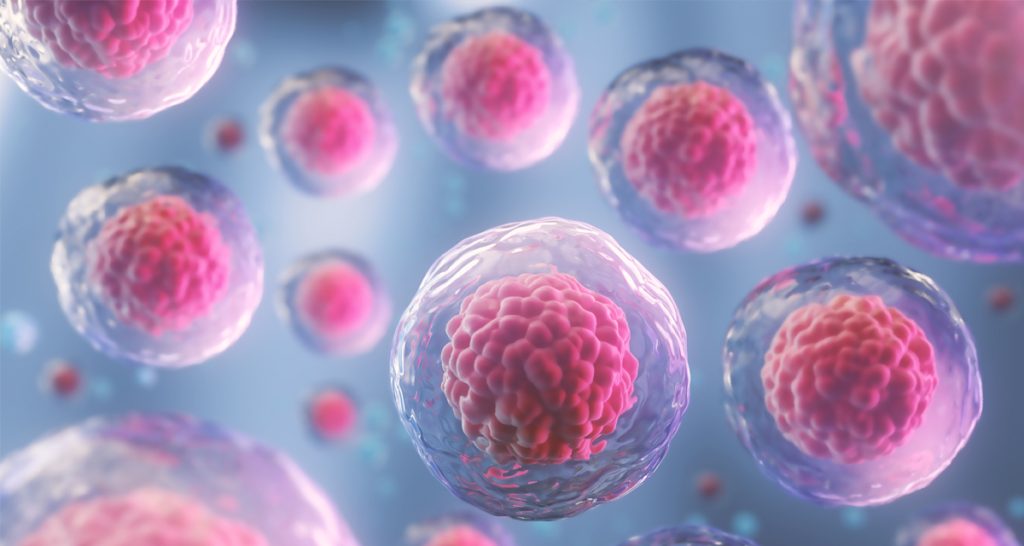
Microscopic view of human cells representing genetic and cellular basis of ARPKD.

Causes and Genetics of ARPKD

Causes and Genetics of ARPKD Autosomal Recessive Polycystic Kidney Disease (ARPKD) is caused by mutations in a single gene known as PKHD1. This gene provides instructions for producing a protein called fibrocystin (or polyductin), which is important for the normal development of kidney tubules and bile ducts in the liver. Let’s learn more about the causes and genetics of ARPKD below. Unlike autosomal dominant conditions, ARPKD follows a recessive inheritance pattern. This means that: In most cases, carrier parents are completely healthy and unaware they have a mutated gene. Many only discover their carrier status after having an affected child. For families with a known history of ARPKD, doctors strongly recommend genetic counselling. In South Africa, specialised centres and academic hospitals offer genetic testing, but access is limited in some areas due to costs and the availability of laboratory resources. Many families rely on clinical observation and imaging rather than DNA confirmation. Causes and Genetics of ARPKD The severity of ARPKD doesn’t always correlate with the specific genetic mutation. Two siblings with the same faulty gene may have very different outcomes — one may survive into adulthood, while another may experience complications early in life. It’s important to note that ARPKD is not caused by anything the parents did during pregnancy. It is not related to lifestyle, diet, or environmental exposures. This can be a great comfort to families dealing with feelings of guilt or confusion after diagnosis. Understanding the genetic foundation of ARPKD allows families to make informed decisions about future pregnancies, often with the help of prenatal testing or pre-implantation genetic diagnosis (PGD) if they pursue fertility treatment. Genetics and Family Planning Understanding the recessive inheritance pattern of ARPKD is key to helping families navigate future pregnancies and make informed choices. Genetic counselling offers valuable insight into the risks of recurrence, especially for parents who have already had one affected child. Where available, prenatal testing and pre-implantation genetic diagnosis (PGD) can provide options for early detection or prevention — tools that empower families to prepare with confidence and clarity. Beyond the Genetics: Supporting Families While the condition is genetic, it’s important to reassure families that ARPKD is not the result of anything they did wrong. Guilt is common after a diagnosis, but recognising that the cause lies in unseen genetic mutations can bring some emotional relief. In South Africa, improved access to genetic services and education can help demystify the condition and support early diagnosis — especially in families who may not realise they carry the gene. 👉 [Next: Diagnosis of ARPKD]

Causes and Genetics of ARPKD Read More »

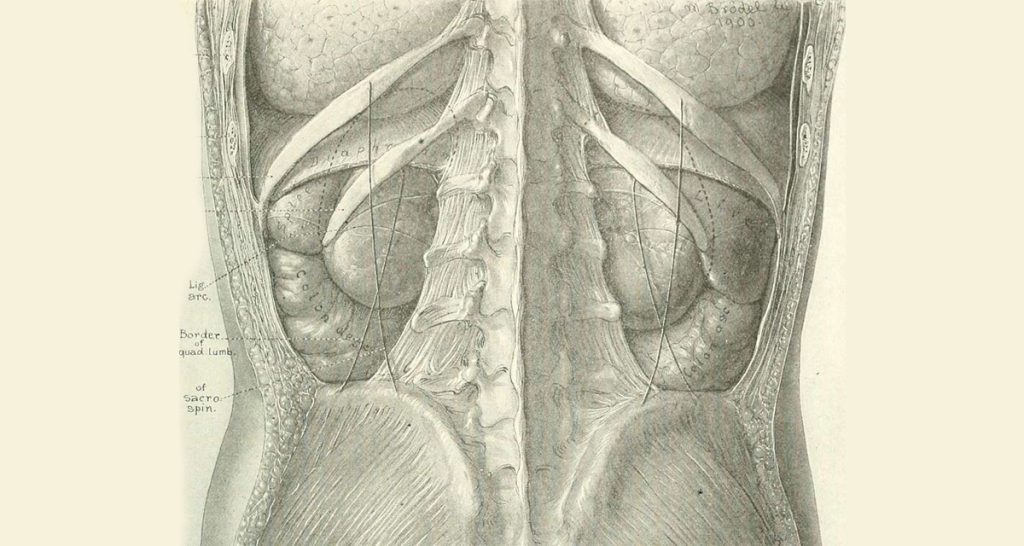
Antique anatomical illustration of the human abdomen showing kidneys, spine, and surrounding tissues.

Diagnosis of ARPKD

Diagnosis of ARPKD Diagnosis of ARPKD typically begins either during pregnancy or shortly after birth, depending on the severity of the condition. Prenatal ultrasounds may detect enlarged, echogenic (bright) kidneys with poor corticomedullary differentiation — a red flag that prompts further investigation. Key diagnostic methods include: Diagnosis of ARPKD In South Africa, limited access to high-resolution ultrasound may delay prenatal diagnosis of ARPKD. After birth, hospitals with paediatric nephrology units—such as those in Cape Town, Johannesburg, or Durban—provide the best care for evaluating and managing suspected cases. Some infants may receive an initial misdiagnosis, especially if born in facilities without paediatric specialists. Once red flags appear, doctors must refer the child promptly to a tertiary hospital. Although ARPKD is a lifelong condition, early diagnosis offers the chance to monitor for complications and begin supportive treatments that can greatly improve long-term outcomes. The Importance of Early and Accurate Diagnosis Early diagnosis of ARPKD lays the groundwork for timely intervention and better long-term management. Identifying the condition prenatally or shortly after birth allows for immediate monitoring of kidney and liver health, as well as blood pressure control — all of which are critical to improving survival and quality of life. Advanced imaging and genetic testing provide clarity for families and medical teams, enabling informed decisions about treatment and care planning. Bridging Gaps in Access and Awareness In South Africa, disparities in access to diagnostic tools remain a challenge, especially in rural or under-resourced areas. Raising awareness among general practitioners, midwives, and sonographers can lead to earlier recognition and referral to specialised centres. With accurate diagnosis and timely support, families affected by ARPKD can begin the journey equipped with knowledge, guidance, and hope for the future. 👉 [Next: Treatment and Ongoing Management of ARPKD]

Diagnosis of ARPKD Read More »

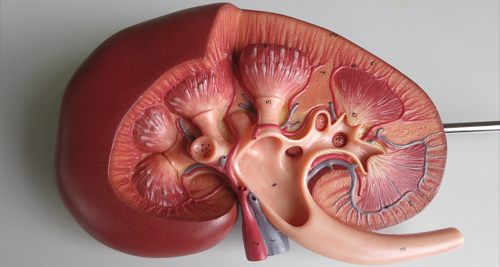
Detailed anatomical model of a human kidney showing internal structures such as calyces, pelvis, and blood vessels.

Treatment and Ongoing Management of ARPKD

Treatment and Ongoing Management of ARPKD There is no cure for ARPKD, but comprehensive medical care can significantly prolong life and improve quality of life, especially when the condition is managed by a multidisciplinary team of nephrologists, hepatologists, dietitians, and therapists. Read more about the treatment and ongoing management of ARPKD below. Treatment depends on the individual’s symptoms and severity, but typically focuses on: Kidney-related treatments include: Liver-related management: Nutrition and growth support are vital. Many children with ARPKD experience failure to thrive, requiring specialised dietary plans or feeding support. In South Africa, access to specialist care varies. Urban centres offer transplant programs and advanced paediatric nephrology services, but rural families may have to travel long distances for dialysis or expert evaluation. Outreach programs and NGO support can help bridge these gaps. Treatment and Ongoing Management of ARPKD Parental education is essential. Caregivers must learn how to monitor fluid intake, recognise signs of infection or high blood pressure, and advocate for their child in healthcare settings. Though the path can be difficult, many children with ARPKD grow into adolescents and even adults — especially with consistent, proactive care and emotional support. Building a Foundation for Better Outcomes Comprehensive and early intervention can make a profound difference in the lives of children with ARPKD. By addressing kidney and liver issues in tandem and supporting nutritional needs, medical teams can help stabilise the condition and reduce the risk of severe complications. Access to specialised care, especially in urban areas of South Africa, plays a crucial role in achieving these outcomes. Supporting Families Every Step of the Way Ongoing education and emotional support empower caregivers to manage the day-to-day demands of ARPKD. From monitoring symptoms to coordinating treatments, families become central partners in care. With the right tools, community resources, and clinical guidance, many children with ARPKD can lead fulfilling lives, gaining the opportunity to grow, learn, and thrive despite the challenges. 👉 [Next: Complications and Prognosis in ARPKD]

Treatment and Ongoing Management of ARPKD Read More »

Scroll to Top