Mental Matters

Author name: admin

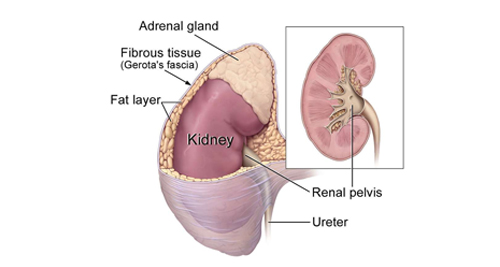
Medical illustration of a human kidney with labelled parts including adrenal gland, renal pelvis, and ureter.

Complications and Prognosis in ARPKD

Complications and Prognosis in ARPKD The course of ARPKD is highly variable. While some infants face life-threatening complications shortly after birth, others live well into adulthood with managed symptoms. Knowing the potential complications and prognosis in arpkd helps families and healthcare providers prepare for and respond to challenges as they arise. Kidney complications: Liver complications: Growth and development: Psychosocial impact: Prognosis depends on several factors: Complications and Prognosis in ARPKD In South Africa, children who reach adolescence with stable organ function may live for decades with good quality of life. Paediatric kidney transplants are successful in major centres, offering long-term relief for some. While the condition is serious, the prognosis is not hopeless. With support, planning, and proactive care, children with ARPKD can live meaningful lives — often filled with resilience, hope, and joy despite the challenges. Navigating Daily Life with Compassion and Structure Living with ARPKD goes far beyond managing medical appointments — it requires a stable routine, emotional resilience, and a deep understanding of a child’s changing needs. Families often become expert caregivers, adapting their homes, schedules, and priorities to meet the complex demands of the condition. Structured daily care, like consistent medication routines and dietary monitoring, helps manage symptoms while giving children the best possible quality of life. Empowerment Through Support and Connection No family should walk this path alone. Support systems — from healthcare providers to community networks and rare disease organisations — play a vital role in sustaining long-term care and emotional wellbeing. In South Africa, these resources may vary by region, but even small connections can offer life-changing reassurance. With the right tools, guidance, and mindset, families can move beyond simply coping, and instead begin building a hopeful, empowered future for their child with ARPKD. 👉 [Next: Living with ARPKD – Family Support and Daily Life] Causes and Genetics of ARPKD Diagnosis of ARPKD Treatment and Ongoing Management of ARPKD Complications and Prognosis of Bile Duct Cancer

Complications and Prognosis in ARPKD Read More »

Artistic representation of healthy and diseased lungs using leaves and twigs on a blue background.

Living with ARPKD – Family Support and Daily Life

Living with ARPKD – Family Support and Daily Life Living with ARPKD requires adaptation, support, and resilience — not just from the child, but from the entire family. While the medical side of the condition is significant, the emotional and social impact is just as important. Daily care includes: Children with ARPKD may miss school for medical appointments or periods of illness. Teachers and caregivers should be educated about the condition and its potential impact on energy levels, focus, and emotional wellbeing. Parental support is critical. Caring for a child with a rare disease can feel overwhelming. Parents often juggle appointments, specialist referrals, diet plans, and medication routines — all while managing their own jobs and relationships. Counselling, support groups, and connecting with other families facing similar journeys can be life-changing. Living with ARPKD In South Africa, resources such as rare disease foundations, hospital social workers, and paediatric outreach clinics can help families access support, education, and funding for treatment where available. Some provincial hospitals partner with NGOs to assist with travel costs, nutritional supplements, or genetic counselling. Hope is central to long-term care. While there is no cure yet, many children live into adulthood, attend school, develop friendships, and experience love and achievement. Planning for the future — including schooling, independence, and mental health — empowers families to look beyond diagnosis. Every child with ARPKD is different. With attentive care, emotional support, and access to evolving treatments, they can thrive in ways that reflect their unique strengths and stories. Navigating Daily Life with Compassion and Structure Living with ARPKD goes far beyond managing medical appointments — it requires a stable routine, emotional resilience, and a deep understanding of a child’s changing needs. Families often become expert caregivers, adapting their homes, schedules, and priorities to meet the complex demands of the condition. Structured daily care, like consistent medication routines and dietary monitoring, helps manage symptoms while giving children the best possible quality of life. Empowerment Through Support and Connection No family should walk this path alone. Support systems — from healthcare providers to community networks and rare disease organisations — play a vital role in sustaining long-term care and emotional wellbeing. In South Africa, these resources may vary by region, but even small connections can offer life-changing reassurance. With the right tools, guidance, and mindset, families can move beyond simply coping, and instead begin building a hopeful, empowered future for their child with ARPKD. 👉 [End of Series | Back to Overview] Autosomal Recessive Polycystic Kidney Disease (ARPKD) Overview Complications and Prognosis in ARPKD Causes and Genetics of ARPKD Diagnosis of ARPKD Treatment and Ongoing Management of ARPKD

Living with ARPKD – Family Support and Daily Life Read More »

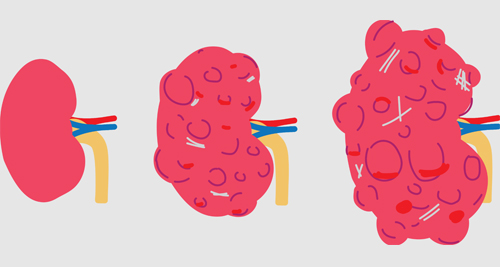
Illustration showing progression of ADPKD from a normal kidney to cyst-filled polycystic kidney.

Autosomal Dominant Polycystic Kidney Disease

Autosomal Dominant Polycystic Kidney Disease (ADPKD) Overview Autosomal Dominant Polycystic Kidney Disease (ADPKD) is a common inherited condition where clusters of fluid-filled sacs — or cysts — develop in the kidneys. These cysts grow over time, often leading to enlarged kidneys, reduced kidney function, and eventually kidney failure. As the name suggests, ADPKD follows an autosomal dominant pattern. This means a child has a 50% chance of inheriting the condition if one parent is affected. 4o mini. The condition affects both kidneys, but one may be more severely impacted than the other. People with ADPKD often remain asymptomatic for decades, with symptoms usually beginning between the ages of 30 and 50. However, early signs can appear in childhood or adolescence, especially in cases where the disease progresses more rapidly. Common symptoms include: In South Africa, many people go undiagnosed for years due to limited access to routine imaging like ultrasounds or CT scans in certain communities. Doctors often discover ADPKD during investigations for hypertension or abdominal pain. Autosomal Dominant Polycystic Kidney Disease ADPKD doesn’t only affect the kidneys. Some people also develop cysts in the liver, aneurysms in the brain, or heart valve abnormalities, making regular monitoring essential. Despite these challenges, many individuals live well for decades with careful medical supervision, lifestyle adjustments, and — when needed — dialysis or transplantation. Managing ADPKD Through Early Diagnosis and Monitoring In conclusion, early diagnosis and regular monitoring of ADPKD are crucial for managing the disease and improving quality of life. With appropriate interventions—such as blood pressure control, pain management, and regular imaging—doctors can slow the progression of kidney damage. Although ADPKD is a lifelong condition with no cure, many individuals with proper care can live well into their later years without reaching kidney failure. The key is staying vigilant and maintaining regular check-ups to catch complications early. The Importance of Genetic Awareness and Family Planning Understanding the genetic nature of ADPKD is vital for affected individuals and their families. Knowing one’s family history and undergoing genetic testing can help inform decisions about family planning and early screening. In South Africa, where access to healthcare may be limited, people must raise awareness about the condition. They must also improve access to genetic counseling and diagnostic tools. With advancements in genetic research and potential new therapies, there is hope for better management and treatment options for future generations. 👉 [Next: Causes and Genetics of ADPKD] Diagnosis of ADPKD Managing and Treating ADPKD Living with ADPKD Autosomal Recessive Polycystic Kidney Disease (ARPKD) Overview

Autosomal Dominant Polycystic Kidney Disease Read More »

Illustration of kidneys with multiple cysts representing Autosomal Dominant Polycystic Kidney Disease (ADPKD) and genetic cause.

Causes and Genetics of ADPKD

Causes and Genetics of ADPKD ADPKD is a genetic condition, passed from one generation to the next through mutations in specific genes. Learn more about the Causes and Genetics of ADPKD below. The two primary genes involved are: Mutations in PKD1 generally result in more severe disease with earlier onset of symptoms and faster progression to kidney failure. PKD2 mutations tend to be milder, with later onset and slower progression. Both forms follow the autosomal dominant inheritance pattern, meaning that only one faulty copy of the gene is needed to cause the disease. In rare cases, ADPKD can also occur as a spontaneous mutation, meaning there is no known family history. Unlike some genetic disorders that skip generations, ADPKD is usually passed down directly from one generation to the next. If one parent carries the mutation, each child has a 50% chance of inheriting the disorder. A person with the disease can also pass it to their children even if their symptoms are mild. Causes and Genetics of ADPKD Family history is a major clue in the diagnostic process. If a close relative has been diagnosed, it’s often recommended that family members seek genetic counselling and, in some cases, undergo genetic testing. However, this isn’t always available in South Africa’s public sector, and imaging studies like ultrasounds or CT scans are still the primary diagnostic tools. Understanding the genetic basis of ADPKD can help patients and families make informed decisions about family planning, screening, and long-term care. It also paves the way for potential targeted therapies, some of which are already being trialled internationally. Understanding the Genetic Foundation of ADPKD ADPKD is a hereditary condition that follows an autosomal dominant inheritance pattern, meaning that individuals with one faulty gene from either parent are at risk. The two primary genes responsible for this condition, PKD1 and PKD2, lead to different severities and ages of onset. While most cases are inherited, spontaneous mutations can occur, so it’s important to consider family history during diagnosis. Genetic testing, while invaluable, may not always be accessible in some regions, which makes diagnostic imaging such as ultrasounds and CT scans vital tools in early detection. Importance of Genetic Knowledge for ADPKD Management Understanding the genetic causes of ADPKD enables better management and care strategies for patients. Knowing one’s genetic predisposition helps in making informed decisions about family planning and potential screening for future generations. Furthermore, genetic knowledge can pave the way for developing targeted therapies, which hold the promise of slowing down the disease progression. In South Africa, patients may have limited access to genetic counselling and advanced testing. However, ongoing advancements in understanding the genetic roots of ADPKD continue to shape the future of treatment and care. 👉 [Next: Diagnosis of ADPKD] Living with ADPKD Managing and Treating ADPKD Complications and Long-Term Outlook of ADPKD Autosomal Dominant Polycystic Kidney Disease

Causes and Genetics of ADPKD Read More »

Comparison of a normal kidney and a polycystic kidney with labelled cysts and ureter.

Diagnosis of ADPKD

Diagnosis of ADPKD Diagnosis of ADPKD usually involves a combination of medical history, imaging tests, and — in some cases — genetic testing. Because the condition is hereditary, a family history of kidney disease, hypertension, or early kidney failure is a major red flag. Key diagnostic tools include: There are diagnostic criteria based on age and the number of cysts visible on imaging. For instance, someone over the age of 30 with multiple cysts in both kidneys and a family history of ADPKD likely meets the diagnostic threshold. Diagnosis of ADPKD In some cases, the condition is discovered incidentally during imaging for unrelated reasons, such as abdominal pain or routine health checks. Unfortunately, many South Africans only receive a diagnosis once kidney damage has already begun, due to barriers in access to care or limited awareness of hereditary risk. Early diagnosis matters. It allows for blood pressure management, regular monitoring, and early lifestyle interventions that may delay progression. Conclusion ADPKD is a hereditary condition that can significantly impact kidney function over time. Leading to complications like kidney failure, high blood pressure, and other organ issues. While there is no cure, early detection and effective management strategies. Including blood pressure control, pain management, and regular monitoring, can help slow disease progression and improve quality of life. Moving Forward With advancements in medical research, including promising treatments like tolvaptan, and a better understanding of the emotional and psychological toll of chronic illness. There is hope for those living with ADPKD. In South Africa, access to healthcare and support services remains a challenge in some areas. However, ongoing efforts to raise awareness and improve resources are helping to bridge the gap. Emphasizing Early Diagnosis and Management The importance of early diagnosis cannot be overstated. It is crucial for families with a history of kidney disease to seek out genetic counseling and appropriate testing. Allowing for early intervention and lifestyle changes that can delay the progression of ADPKD. By managing the condition effectively, individuals can lead fulfilling lives for many years. 👉 [Next: Managing and Treating ADPKD] Autosomal Dominant Polycystic Kidney Disease Causes and Genetics of ADPKD Complications and Long-Term Outlook of ADPKD Living with ADPKD

Diagnosis of ADPKD Read More »

Managing and Treating ADPKD

Managing and Treating ADPKD

Managing and Treating ADPKD There is currently no cure for ADPKD, but there are many ways to manage the symptoms, slow the disease progression, and maintain a good quality of life for as long as possible. Managing and treating ADPKD focuses on preserving kidney function, controlling complications, and delaying kidney failure for as long as possible. Blood pressure control is critical. High blood pressure not only results from ADPKD but also speeds up kidney damage. Medications like ACE inhibitors or ARBs are commonly prescribed. Regular monitoring is essential, and lifestyle changes such as reducing salt intake, exercising regularly, and avoiding smoking all help lower risk. People with large cysts may need pain management. In some cases, doctors may perform aspiration (draining the cyst) or surgery to relieve discomfort Other management strategies include: In advanced cases, where kidney function declines significantly, patients may require dialysis or a kidney transplant. Fortunately, ADPKD does not typically recur in a transplanted kidney. Managing and Treating ADPKD Newer treatments like tolvaptan, a vasopressin receptor antagonist, have shown promise in slowing cyst growth and kidney decline. However, access to these medications in South Africa remains limited to specialised centres and the private sector. 4o. Supportive care, such as psychological support and education, also plays an important role. Chronic illnesses like ADPKD can take an emotional toll, especially when they run in families. With careful management, many people with ADP KD can delay kidney failure for decades and continue living active, fulfilling lives. Living Proactively with ADPKD Autosomal Dominant Polycystic Kidney Disease (ADPKD) is a lifelong condition, but it doesn’t have to define your life. While there’s no cure, modern treatments, regular monitoring, and healthy lifestyle choices can slow progression and improve quality of life. Staying informed, working closely with healthcare providers, and accessing emotional and community support are all key to managing this journey. You Are Not Alone Whether you’re newly diagnosed or supporting a loved one, remember—you’re not alone. Help and support are available, and many others are navigating similar journeys. Support, resources, and communities are available to help you navigate the journey. With awareness, advocacy, and proactive care, it’s entirely possible to live with strength, dignity, and purpose despite ADPKD. 👉 [Next: Complications and Long-Term Outlook] Autosomal Dominant Polycystic Kidney Disease Causes and Genetics of ADPKD Diagnosis of ADPKD Living with ADPKD

Managing and Treating ADPKD Read More »

Complications and Long-Term Outlook of ADPKD

Complications and Long-Term Outlook of ADPKD

Complications and Long-Term Outlook of ADPKD ADPKD is more than a kidney condition — it can affect multiple systems in the body. Being aware of potential complications and long-term outlook of ADPKD allows for earlier detection, better monitoring, and timely treatment learn more about the complications and long-term outlook below. Common complications include: Complications and Long-Term Outlook Prognosis varies widely depending on the gene involved, age at diagnosis, and how well the condition is managed. With modern treatment and lifestyle strategies, many people live well into their 70s or 80s. Long-term success depends on regular follow-ups, blood pressure control, and managing complications early. Understanding the Full Picture ADPKD is a complex condition that extends beyond the kidneys, with potential complications affecting the liver, heart, brain, and overall wellbeing. Recognising and addressing these risks early can improve outcomes and reduce long-term health impacts. Regular monitoring and proactive care are key to protecting overall health. Hope for the Future While ADPKD can be challenging, advances in medical care and lifestyle management have greatly improved long-term outlooks. Many individuals live active, fulfilling lives well into older age. Informed decision-making, support networks, and personalised care are essential for navigating the journey with confidence and resilience. 👉 [Next: Living with ADPKD – Support and Lifestyle Advice] Bone Cysts Recovery and Long-Term Outlook Causes and Genetics of ADPKD Managing and Treating ADPKD Diagnosis of ADPKD

Complications and Long-Term Outlook of ADPKD Read More »

Living with ADPKD

Living with ADPKD

Living with ADPKD – Support and Lifestyle Advice Living with ADPKD is about more than managing test results — it involves adapting to a chronic condition, emotionally and practically. Many people with ADPKD lead full lives, particularly when supported by a strong care network and a healthy lifestyle. Key lifestyle strategies include: People with ADPKD should have regular check-ups with a nephrologist, especially if their eGFR begins to decline. Annual ultrasounds, blood work, and blood pressure readings are often recommended. Support is crucial. Connecting with ADPKD support groups, either online or through local hospitals, can make a significant difference. It helps to know others share similar challenges and can offer tips, empathy, and hope. In South Africa, support varies across regions, but some NGOs and nephrology clinics offer patient education days, support services, and even counselling for patients and families. Family planning support is also important, as people with ADPKD often worry about passing the condition on to their children. Living with ADPKD The emotional journey can be just as significant as the physical one. Fear of dialysis, guilt about family inheritance, and fatigue from medical appointments are common experiences. Don’t hesitate to seek mental health support. By focusing on early detection, lifestyle change, and long-term planning, many people with ADPKD can enjoy life with resilience and purpose. Living with Purpose and Resilience ADPKD (Autosomal Dominant Polycystic Kidney Disease) is a lifelong condition, but it does not define a person’s future. With the right lifestyle choices, ongoing medical care, and emotional support, individuals with ADPKD can continue to work, raise families, and pursue meaningful goals. Self-care and support networks play a vital role in maintaining quality of life. Building Support in South Africa In South Africa, disparities in access to care still exist, but resources like nephrology clinics, patient education programmes, and online communities are steadily growing. Emotional support, advocacy, and lifestyle education must remain central to managing ADPKD in diverse communities. Living well with ADPKD is possible — and no one should have to do it alone. 👉 [End of Series | Back to Overview] Causes and Genetics of ADPKD Complications and Long-Term Outlook of ADPKD Managing and Treating ADPKD Diagnosis of ADPKD

Living with ADPKD Read More »

Recognising the Signs and Symptoms of Autism Spectrum Disorder

Recognising the Signs and Symptoms of Autism Spectrum Disorder

Autism Spectrum Disorder (ASD) presents uniquely in every individual, which can make recognising the signs and symptoms challenging. While some signs may be noticeable in early childhood, others become more apparent as a child grows or even later in life. Understanding these traits is key to supporting individuals and ensuring they receive appropriate intervention and understanding. Early signs of autism in children Some children may show signs of ASD within the first year of life, while others might develop more typically and then regress. Common early signs include: Signs in older children and teens As children grow, additional traits may become more noticeable, especially in social and learning environments. These might include: Signs of autism in adults Many adults, especially those with milder symptoms, may not have been diagnosed in childhood. Growing awareness has led to more adults seeking evaluation. Signs can include: Sensory sensitivities Many people with ASD experience sensory processing differences. These sensitivities can be overwhelming and include: Identifying and accommodating these sensitivities is vital to supporting comfort and wellbeing. Recognising the signs and symptoms of autism spectrum disorder Identifying signs early allows families and professionals to begin support strategies as soon as possible, often improving outcomes in: If you suspect a child or adult may be displaying signs of ASD, it’s important to seek guidance from a qualified healthcare provider. Autism Spectrum Disorder shows up in diverse ways, and no two people with autism are exactly alike. Learning to recognise the early and later signs is not just about getting a diagnosis—it’s about understanding people better. Whether you’re a parent, teacher, friend, or colleague, awareness is the first step to creating a more inclusive world. Reviewed April 2025. Always consult a professional for individual guidance. Symptoms of Cataracts in Children Recognising the Symptoms of Acute Pancreatitis Autism: The Early Signs to Look Out For Laura Hall Speech and Language Therapist Leicester What Is Autism Spectrum Disorder?

Recognising the Signs and Symptoms of Autism Spectrum Disorder Read More »

Therapy and Support for Autism

Therapy and Support for Autism

Every person on the autism spectrum is unique, and so are their support needs. Some individuals thrive with structured, consistent support. Others may need minimal intervention. The key is to explore the options, adapt as needs change, and centre the individual’s strengths, challenges, and preferences. In this article, we look at the different types of support available — from therapy and school accommodation to family resources — while highlighting the gaps that still exist, particularly in South Africa. Support for children with autism Early, structured support can make a significant difference in a child’s development, confidence, and ability to navigate everyday life. Here are some of the most common and effective forms of therapy: 1. Speech and Language Therapy This helps children develop verbal and non-verbal communication skills. It can include understanding others, expressing needs, forming sentences, or using alternative methods like PECS (Picture Exchange Communication System) or AAC (Augmentative and Alternative Communication). 2. Occupational Therapy (OT) OT supports the development of sensory integration, fine and gross motor skills, and daily tasks like writing, dressing, or using cutlery. 3. Behavioural Therapy Applied Behaviour Analysis (ABA) and similar approaches help reinforce positive behaviours through structured, reward-based systems. When used compassionately and ethically, they can support learning and development in a way that respects the child’s autonomy. 4. Play Therapy Through guided play, children learn how to express emotions, process experiences, and develop social understanding in a safe and creative environment. Support at school Children with autism often need tailored educational support to thrive academically and socially. This support may include: In South Africa: While the Department of Basic Education promotes inclusive education, the reality is uneven. Many public/government schools lack training, awareness, and resources. There’s still a long way to go in creating truly inclusive, supportive environments, particularly for families who cannot afford private schooling or facilitators. In the UK: Children may receive SEN (Special Educational Needs) support within their school or apply for an EHCP (Education, Health and Care Plan), which offers a legally binding support framework. Access is more structured, although delays and underfunding remain common. Support for adults with autism Autistic adults may benefit from ongoing or periodic support — especially when navigating work, relationships, or independent living. Common types of adult support include: Support for families and caregivers Autism doesn’t only affect the individual — it impacts families too. Support for caregivers is essential: Financial and government support In South Africa: However, access is unevenly distributed, and families in rural or low-income communities face major challenges. In the UK: Therapy and support for autism should never be about fixing someone — it’s about helping them move forward, build confidence, and navigate the world on their own terms. In South Africa, while awareness is slowly growing, public schools still lack the training and infrastructure needed to support autistic learners effectively. More investment, training, and inclusive policies are urgently needed — not just in education but in every part of society. Every autistic individual deserves access to the support they need. Whether it’s a speech therapist, a supportive teacher, or a parent doing the best they can — every little bit matters. Reviewed April 2025. Always consult a professional for individual guidance. Challenges and Opportunities for Autistic Adults in SA Why Small Talk Can Be a Struggle for Autistic People Living with Autism What Is Autism Spectrum Disorder? The Autism Service Psychologist- Birmingham

Therapy and Support for Autism Read More »

Scroll to Top