Hospitals | Day Hospitals | Clinics | Medical Centers
Hospitals | Day Hospitals | Clinics | Medical Centers Read More »

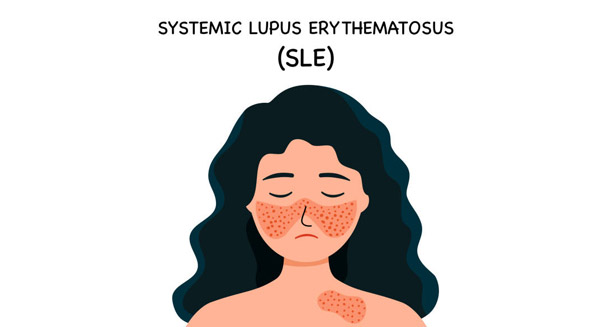
Overview of Lupus Lupus is a chronic, systemic autoimmune disease in which the immune system mistakenly attacks healthy tissues and organs. This abnormal immune response causes widespread inflammation, pain, and potential damage in areas such as the skin, joints, kidneys, brain, heart, lungs, and blood cells. The most common and widely studied form is Systemic Lupus Erythematosus (SLE), but there are other types: This overview provides essential context on the nature, scope, and complexity of lupus, a condition that affects millions worldwide. What Is Lupus? Understanding the Autoimmune Nature In a healthy immune system, the body defends against harmful invaders like viruses and bacteria. In lupus, this defence system becomes misguided — it fails to distinguish between foreign invaders and the body’s own cells. This leads to the production of autoantibodies, which mistakenly attack the body’s tissues. This core mechanism explains the multi-organ impact and unpredictable nature of lupus — and why it can be so difficult to diagnose and manage. The Unpredictability of Lupus One of lupus’s most defining characteristics is its relapsing-remitting course. This means: These flares can vary greatly in intensity, duration, and organ involvement, making this condition notoriously difficult to predict. Because of this variability, lupus is often referred to as “the great imitator”, as its symptoms mimic many other diseases. Who Gets Lupus? Lupus can affect anyone, but it is most common in: This pattern suggests that this condition results from a combination of genetic, hormonal, and environmental factors. Common Symptoms of Lupus Symptoms can be mild to severe and may change over time. The most frequently reported symptoms include: More serious manifestations include: Because symptoms vary so widely, lupus often requires multidisciplinary care involving rheumatologists, nephrologists, dermatologists, and other specialists. How Is Lupus Diagnosed? There is no single test for lupus. Diagnosis is based on a combination of: Doctors may use criteria from organisations like the American College of Rheumatology (ACR) or EULAR/ACR 2019 classification to guide diagnosis. Lupus Treatment and Management There is no cure for lupus, but the disease can be managed through a combination of medications and lifestyle adjustments. Treatment aims to: Treatment options may include: Ongoing research is bringing new targeted therapies with fewer side effects to the forefront of lupus care. Self-Management and Lifestyle Effective lupus care goes beyond medication. Patients are encouraged to: Regular medical check-ups and early intervention are key to preventing complications. Emotional and Social Impact Living with lupus can be emotionally challenging. Many patients experience: Support groups, counselling, and education can greatly improve emotional well-being and empower patients to manage their condition effectively. Research and Future Outlook The outlook for people with lupus has improved significantly over the past few decades. Current research focuses on: Increased awareness, early diagnosis, and a personalised approach to care are helping more people with lupus lead full, active lives. Summary: What Is Lupus? Lupus is a chronic autoimmune condition with diverse symptoms and an unpredictable course. Early recognition, multidisciplinary care, and tailored treatment are crucial for managing lupus effectively. With ongoing medical advancements and greater public awareness, the future is increasingly hopeful for people living with lupus. [Next: Causes of Lupus →]

The causes of lupus are complex and not yet fully understood. Lupus is a multifactorial autoimmune disease, meaning it arises from a combination of genetic, hormonal, environmental, and immunological factors. No single cause is responsible for lupus; rather, it develops through an interplay of multiple influences — especially in individuals with a genetic predisposition. Understanding what causes lupus is critical for early detection, effective management, and prevention of disease flares. 1. Genetic Predisposition Genetics play a key role in lupus risk. While lupus is not directly inherited, people with a family history of lupus or other autoimmune diseases have a higher likelihood of developing it. Several gene variants linked to the immune system — including HLA-DR2 and HLA-DR3 — are associated with lupus. These genes are involved in regulating inflammation and antibody production. However, carrying these genes does not guarantee the development of the disease, highlighting the importance of external triggers. 2. Hormonal Influences Lupus is far more common in women, especially those of childbearing age, which suggests a strong hormonal component — particularly the role of oestrogen. Many women report flares during: Although hormones are clearly involved, the exact mechanism by which they influence lupus remains under investigation. 3. Environmental Triggers Several environmental factors can trigger lupus in genetically susceptible individuals: • Sunlight (Ultraviolet Radiation) Exposure to UV rays can: • Infections Viral infections, especially Epstein-Barr virus (EBV), are believed to play a role. Infections may cause the immune system to mistake the body’s own tissues for pathogens — a process known as molecular mimicry. • Medications Certain drugs can lead to drug-induced lupus erythematosus (DILE). Common culprits include: Drug-induced lupus often mimics systemic lupus erythematosus (SLE) but is usually milder and resolves once the drug is discontinued. • Smoking Tobacco use has been linked to both the development and worsening of lupus. Smoking: • Toxic Exposures Prolonged contact with substances such as: …has been associated with a higher risk of lupus and other autoimmune diseases. However, more research is needed to establish firm connections. 4. Stress and Trauma Both emotional and physical stress may contribute to the onset or flare-up of lupus. While stress is not a direct cause, it may: Events like major surgery, emotional trauma, or the loss of a loved one are commonly reported as flare triggers. 5. Vitamin D Deficiency Vitamin D is essential for healthy immune function. Many lupus patients are found to have low vitamin D levels, possibly due to: Whether deficiency is a cause or result of lupus is unclear, but vitamin D supplementation may offer immune-modulating benefits. 6. Ethnicity and Genetic Risk Lupus is more prevalent in certain ethnic groups, including: This suggests a combination of genetic susceptibility and environmental or socioeconomic factors may influence disease development and severity. 7. Type-Specific Causes of Lupus Different types of lupus may have unique causes: • Cutaneous Lupus Often triggered or worsened by sun exposure and associated with specific genetic markers. • Neonatal Lupus Caused by the transfer of maternal autoantibodies (especially anti-Ro and anti-La) to the fetus. Most cases resolve within the first few months of life, although rare complications like congenital heart block can occur. • Drug-Induced Lupus Linked directly to specific medications, usually with milder symptoms and fewer long-term complications than systemic lupus. Summary: What Causes Lupus? The causes of lupus are multifactorial and include: Understanding these risk factors is key to prevention, early diagnosis, and personalised treatment planning. While science continues to explore the underlying mechanisms of lupus, individuals at risk can reduce flare likelihood by: [Next: Symptoms of Lupus →]

Lupus symptoms can vary dramatically between individuals, making diagnosis particularly difficult. This autoimmune disease can affect nearly every organ and tissue — from the skin and joints to the kidneys, heart, lungs, and brain. Recognising the diverse symptoms of lupus is essential for early detection and effective management. General Overview of Lupus Symptoms In many cases, lupus symptoms develop gradually but may also appear suddenly during a flare — a period of increased disease activity. These flares can be triggered by stress, sunlight, infections, or certain medications. After a flare, symptoms often subside, leading to a remission phase that may last weeks or months. Because lupus follows a relapsing-remitting pattern, ongoing monitoring is crucial, even when symptoms temporarily improve. Common Symptoms of Lupus 1. Fatigue Chronic, persistent fatigue is one of the most common lupus symptoms, affecting over 80% of patients. This fatigue isn’t relieved by rest and can interfere significantly with daily life, even when other symptoms are mild. 2. Joint Pain and Swelling (Arthralgia) Pain and stiffness in the joints, especially in the fingers, wrists, and knees, are hallmark features. Unlike rheumatoid arthritis, lupus-related joint pain usually doesn’t cause permanent deformity, but it can be severe and most noticeable in the morning or after rest. 3. Skin Rashes 4. Fever Low-grade fever (typically under 38.3°C or 101°F) without infection may occur during flares, often signalling increased inflammation in the body. 5. Mouth and Nose Ulcers Painless ulcers in the mouth, nose, or on the tongue can appear during flares. While not dangerous themselves, they are often early warning signs of disease activity. Organ-Specific Symptoms of Lupus 6. Kidney Involvement (Lupus Nephritis) Symptoms of lupus nephritis include: Kidney disease in lupus is serious and may lead to kidney failure if left untreated. 7. Neurological Symptoms Lupus can affect the central nervous system, leading to: These symptoms require immediate medical evaluation. 8. Cardiopulmonary Symptoms Lupus may affect the heart and lungs: 9. Raynaud’s Phenomenon In response to cold or stress, the fingers and toes may turn white or blue due to poor circulation. This condition can cause pain, numbness, or tingling. 10. Gastrointestinal Symptoms Some people with lupus experience: These symptoms may result from lupus itself or from side effects of medications. 11. Hematologic Symptoms Lupus frequently affects the blood: These changes may lead to increased infection risk, fatigue, or bruising. 12. Mental Health and Cognitive Symptoms Lupus can affect the mind as well as the body, leading to: These symptoms may be caused by lupus activity, medication side effects, or the emotional impact of living with a chronic illness. Symptoms in Children and Adolescents Children and teens with lupus often experience: Not Everyone Has All Symptoms Lupus is highly individual. Some people may only experience skin rashes, while others may suffer from severe multi-organ involvement. The combination and progression of symptoms often guide diagnosis and treatment decisions. Summary: Recognising Lupus Symptoms The symptoms of lupus are wide-ranging and may affect every part of a person’s physical and emotional health. Common signs include fatigue, joint pain, rashes, fever, and organ involvement. Recognising the pattern of symptoms — especially when they occur together — is essential for early diagnosis and effective treatment. [Next: Diagnosis of Lupus →]

The diagnosis of lupus is often challenging due to the disease’s wide variety of symptoms and its ability to mimic many other illnesses. Often called “the great imitator,” lupus can resemble conditions like rheumatoid arthritis, fibromyalgia, chronic fatigue syndrome, thyroid disorders, and infections. As a result, achieving a timely and accurate diagnosis requires a careful, step-by-step approach. Why Lupus Is Hard to Diagnose Lupus affects people differently. Some may have only mild joint pain, while others experience serious organ involvement. There is no single test for lupus. Instead, diagnosis relies on a combination of symptoms, medical history, physical examination, and lab results. Patient History and Physical Examination Doctors start by collecting a detailed medical history. They ask about: They’ll also ask if symptoms come and go or follow a pattern. A family history of lupus or other autoimmune diseases may increase the risk of developing the condition. During a physical exam, the doctor looks for: Key Lab Tests in Lupus Diagnosis 1. Antinuclear Antibody (ANA) Test A positive ANA test is found in nearly all people with systemic lupus erythematosus (SLE). However, a positive ANA alone does not confirm lupus, as it can appear in other conditions — or even in healthy individuals. It is often the first test used to screen for lupus. 2. Autoantibody Tests If ANA is positive, additional blood tests may follow: 3. Complement Levels (C3 and C4) Low complement levels often signal active lupus. Doctors use these results to monitor disease flares and treatment response. 4. Blood and Urine Tests Imaging and Other Diagnostic Tools If lupus affects major organs, doctors may order imaging such as: Classification Criteria for Lupus To guide diagnosis, doctors may use formal criteria: American College of Rheumatology (ACR) Criteria This system includes 11 signs and symptoms. A person meeting 4 or more of these may be diagnosed with lupus. SLICC Criteria The Systemic Lupus International Collaborating Clinics (SLICC) classification allows for earlier diagnosis and broader recognition of lupus presentations. EULAR/ACR 2019 Criteria These newer guidelines give more weight to key lab tests and allow earlier diagnosis with fewer symptoms, improving accuracy and sensitivity. When to Refer to a Specialist Diagnosis can be delayed when symptoms are vague or intermittent. Patients may see several specialists — such as dermatologists, nephrologists, neurologists, or haematologists — before lupus is confirmed. Referral to a rheumatologist is often essential, as they specialise in autoimmune diseases and are best equipped to interpret the full clinical picture. Types of Lupus Understanding the specific type of lupus is crucial for diagnosis and treatment: Role of Psychological Evaluation In cases of neuropsychiatric lupus, mental health assessment may be necessary. Lupus can cause depression, anxiety, memory loss, or even psychosis. These issues may be due to the disease itself or the stress of living with a chronic illness. Summary: Diagnosing Lupus Diagnosing lupus is a complex process that relies on: Early diagnosis is crucial for starting treatment and avoiding serious complications. Because lupus can affect many organs and mimic other diseases, a multidisciplinary team approach is often needed for a clear and confident diagnosis. [Next: Treatment of Lupus →]

The treatment of lupus is highly individual, as the disease can vary greatly from person to person. Lupus affects multiple organs and can range from mild skin problems to serious conditions like kidney failure or heart disease. For that reason, treatment must match the symptoms, severity, and specific needs of each individual. The main goals of treatment are to: There is currently no cure for lupus. However, with early diagnosis and proper management, most people can live long, active lives. Medications Used in Lupus Treatment Hydroxychloroquine: A First-Line Option Hydroxychloroquine is one of the most commonly prescribed drugs for lupus. Originally used to treat malaria, it helps reduce inflammation and control symptoms like joint pain, rashes, and fatigue. It can also lower the risk of flares and blood clots. Most people with lupus take hydroxychloroquine long-term. NSAIDs: For Mild Pain and Inflammation Nonsteroidal anti-inflammatory drugs (NSAIDs), like ibuprofen or naproxen, help relieve mild joint or muscle pain and reduce fever. They don’t treat the underlying disease but can improve quality of life in people with milder symptoms. Corticosteroids: For Serious Flares Doctors often prescribe corticosteroids such as prednisone when lupus becomes more active, especially when vital organs like the kidneys, lungs, or brain are affected. These medications work quickly to reduce inflammation. However, due to serious side effects — like weight gain, diabetes, bone thinning, and infections — doctors use the lowest effective dose for the shortest time possible. Immunosuppressants and Biologics Immunosuppressive Medications If lupus is more severe or doesn’t respond to first-line treatments, immunosuppressive drugs may be used. These include: These medications calm the immune system and are especially useful in treating lupus nephritis or brain involvement. Because they weaken the immune system, regular blood tests and monitoring are essential. Biologic Therapies Biologics are a newer type of medication. Belimumab (Benlysta) is the first biologic drug approved specifically for lupus. It reduces disease activity by targeting B cells — white blood cells involved in the lupus immune response. It’s given by injection or IV and is helpful for people with systemic symptoms who don’t respond to standard treatments. Other biologics, like rituximab, may be used in severe or treatment-resistant cases. These are usually given by specialists and require close follow-up. Managing Lupus-Related Blood Clotting Some people with lupus develop antiphospholipid syndrome (APS), which increases the risk of blood clots. Doctors may prescribe blood thinners like warfarin or heparin to prevent clots, strokes, and pregnancy problems. Regular blood tests are needed to make sure blood stays within a safe range. Lifestyle Changes and Self-Care Treating lupus is not just about medication. Daily habits play a big role in keeping symptoms under control. Key lifestyle steps include: Mental and Emotional Health Stress often triggers lupus flares. Managing stress through counselling, mindfulness, yoga, or therapy can help reduce flare-ups and improve mental well-being. Many patients benefit from joining lupus support groups to connect with others facing similar challenges. Regular Monitoring and Check-Ups Routine monitoring is essential for adjusting treatment and catching complications early. Doctors will regularly check: Special Considerations: Pregnancy and Paediatric Lupus Pregnancy and Lupus Women with lupus can have healthy pregnancies, but planning is crucial. Doctors usually recommend waiting until the disease is in remission. Some lupus medications, like methotrexate and cyclophosphamide, must be stopped during pregnancy, while others like hydroxychloroquine are considered safe. A team approach — involving a rheumatologist, obstetrician, and neonatologist — improves outcomes. Children and Teens Lupus in children (paediatric lupus) often affects the kidneys more severely and may require more aggressive treatment. Young people may also need help balancing school, growth, and development. Long-Term Treatment Goals Doctors aim to reduce or eliminate steroid use over time and focus on maintenance therapies that are safer for long-term use. A newer approach called “treat-to-target” helps set clear goals (like remission or low disease activity) and adjusts treatment as needed to reach them. Conclusion: Managing the Treatment of Lupus The treatment of lupus requires a team approach and varies for each person. While lupus presents many challenges, it is possible to manage the disease effectively. With the right mix of medications, lifestyle changes, and support, people with lupus can live full and rewarding lives. Continued research offers hope for better treatments — and possibly a cure — in the future. [Next: Complications of Lupus →]

The complications of lupus can be wide-ranging, severe, and sometimes life-threatening. Lupus is a chronic autoimmune condition that affects many parts of the body, and its unpredictable nature makes these complications hard to manage. Understanding the complications of lupus helps patients, families, and healthcare teams spot problems early. This can prevent long-term harm and improve quality of life. Organ Damage from Ongoing Inflammation Lupus causes long-lasting inflammation, which can harm vital organs such as the kidneys, heart, lungs, brain, and blood vessels. These problems may appear quickly or build up over time. They often happen when the disease isn’t well controlled or from side effects of strong treatments. One major complication is lupus nephritis, a type of kidney swelling that affects up to 60% of people with lupus. In this condition, the immune system attacks the tiny filters inside the kidneys. Signs may include foamy urine, swelling in the legs or around the eyes, and high blood pressure. Without treatment, it may lead to kidney failure, making dialysis or a transplant necessary. Regular kidney checks are important to catch changes early. Heart and Lung Risks People with lupus face a higher risk of heart disease. The condition may cause swelling of the heart lining (pericarditis), the heart muscle (myocarditis), or lead to clogged arteries. These problems raise the chances of heart attacks or strokes, even in young people. High blood pressure, high cholesterol, and steroid use can make things worse. Managing these risks with lifestyle changes and medications like statins can help. The lungs can suffer too. Many people with lupus develop pleuritis, where the lung lining becomes inflamed. This often causes sharp chest pain while breathing. Some may get pulmonary hypertension, a serious problem that raises pressure in the lungs and causes breathlessness. In rare cases, lupus damages lung tissue itself, making breathing very hard. Nervous System and Blood Disorders Lupus may affect the central nervous system (CNS). This can lead to seizures, strokes, memory problems, mood swings, or even psychosis. These symptoms are often confusing and may be mistaken for mental illness. Treating CNS lupus takes a careful mix of medicines and mental health support. Blood problems are also common. Many people with lupus get anaemia, low white blood cells (leucopenia), or low platelets (thrombocytopenia). These changes can raise the chance of infection or bleeding. Sometimes the body attacks its red blood cells directly, causing a condition called haemolytic anaemia. Another serious risk is antiphospholipid syndrome (APS). This happens when the body creates antibodies that cause the blood to clot too easily. APS may cause deep vein clots, lung clots, strokes, or miscarriages. People with APS often need blood-thinning medicine for life. Side Effects from Treatment and Immune Problems People with lupus often take medicines that weaken the immune system. These drugs raise the risk of infections, especially by bugs that don’t usually affect healthy people. Vaccines, good hygiene, and sometimes antibiotics can reduce this danger. Steroids and immunosuppressants help control the disease, but they have side effects. Over time, these may cause weak bones, high blood sugar, eye problems, weight gain, and more infections. Doctors often try to reduce steroid use and switch to safer drugs when they can. Digestive, Skin, and Emotional Complications Lupus can also harm the digestive system. People may feel sick, vomit, or have belly pain. In more serious cases, they might develop pancreatitis, gut swelling, or even a bowel tear. These problems may come from the disease itself or from medications. The skin is often affected. Lupus causes rashes, sun sensitivity, and hair loss. It can also lead to scars, infections, and changes in skin colour. These visible signs can hurt a person’s self-esteem and mental health. One of the most common but often ignored symptoms is fatigue. It affects up to 90% of people with lupus and can be disabling. It may come from the disease, poor sleep, anaemia, or depression. Managing fatigue takes a team effort, including exercise, therapy, and energy-saving strategies. Pregnancy and Mental Health Challenges Women with lupus face more risks during pregnancy. These may include early birth, high blood pressure, and baby loss. Planning pregnancy when lupus is calm and working with specialist doctors can lower these risks. Some lupus medicines can’t be used during pregnancy, so treatment plans must be adjusted. Living with lupus also affects mental health. The stress of flare-ups, long-term symptoms, and the fear of future problems often lead to anxiety and depression. Some people may feel lonely or cut off from others. Counselling, peer support, and medication can help with these emotional struggles. Rare but Serious Lupus Complications In rare cases, lupus causes vasculitis, where blood vessels become inflamed and blocked. This may cause skin ulcers, nerve pain, or damage to organs. Quick treatment is key to preventing lasting harm. Lastly, people with lupus have a higher risk of certain cancers, including lymphoma, lung cancer, and cervical cancer. This may be due to the disease or the medicines used to treat it. Regular cancer checks and risk-reducing steps are part of good lupus care. Summary: Managing the Complications of Lupus In summary, the complications of lupus can affect nearly every part of the body and may become very serious. With early diagnosis, regular monitoring, and the right care team, many of these problems can be prevented or controlled. A personal care plan that includes both medical and emotional support helps people with lupus live full and active lives. [Next: Overview of Lymphoma →]

Lung disease is a broad term encompassing various conditions that impair the function of the lungs, the vital organs responsible for breathing and gas exchange. From mild infections to chronic disorders and life-threatening illnesses, lung diseases affect millions of people worldwide and are among the leading causes of disability and death. This overview of lung disease aims to explain the main types of lung conditions, how they affect the body, and why early detection and proper management are essential for maintaining respiratory health. How Lung Disease Affects the Body The lungs work constantly with the rest of the respiratory system to bring in oxygen and remove carbon dioxide. When they are healthy, this process runs smoothly. But when problems develop, it often leads to coughing, chest pain, or shortness of breath. In mild cases, like bronchitis, the symptoms may go away with time. However, in more serious conditions like chronic obstructive pulmonary disease (COPD), asthma, or pulmonary fibrosis, symptoms may worsen and become permanent. Lung disease falls into three main groups. First are airway diseases, such as asthma, bronchitis, and bronchiectasis. These affect the airways (bronchi) that carry air in and out of the lungs. Swelling or narrowing of the airways makes breathing hard. Next are lung tissue diseases, including pulmonary fibrosis and sarcoidosis. These harm the lung tissue itself. They often cause scarring, which limits how well the lungs can expand and transfer oxygen. Finally, there are lung circulation diseases, like pulmonary hypertension. These affect the blood vessels in the lungs and may strain the heart. This can lead to serious problems, like right-sided heart failure. Common Infections and Missed Diagnoses Infections play a big role in lung disease. Pneumonia, tuberculosis, and viruses like COVID-19 can all damage lung tissue. In people with weak immune systems or existing lung issues, these infections may become long-lasting and cause serious harm. One major concern in the overview of lung disease is how often doctors miss early signs. People may ignore symptoms like cough, fatigue, or wheezing, thinking they’re minor. But without treatment, these signs may lead to more damage and serious problems like respiratory failure or even lung cancer. Risk Factors and Causes Many things can cause lung disease. Smoking remains the top risk. Cigarette smoke contains toxic chemicals that inflame and damage the lungs. Still, it’s not the only factor. Polluted air, workplace hazards like asbestos or dust, and allergens also contribute. Some people are born with gene problems, such as cystic fibrosis or alpha-1 antitrypsin deficiency. Others may develop lung issues from autoimmune diseases like sarcoidosis or interstitial lung disease. Often, several of these risks overlap. Treatment and Prevention The right treatment depends on the disease and how severe it is. Options include medicines like bronchodilators, steroids, or antibiotics. Some people need oxygen therapy, lung rehab, or surgery. In advanced cases, a lung transplant might be the only solution. The goal is to ease symptoms, slow the illness, and help people breathe better. Prevention plays a big role in this overview of lung disease. Avoiding smoking, staying away from polluted air, using protective gear at work, and getting vaccines like the flu shot or pneumonia vaccine all help. People with chronic diseases like diabetes or heart problems should manage them well, as they can make lung issues worse. Regular check-ups, especially for those at high risk, can lead to early diagnosis and better outcomes. The Global Impact of Lung Disease The burden of lung disease around the world is massive. According to the World Health Organization (WHO), chronic breathing problems are among the top killers. Over 250 million people live with COPD. Millions more suffer from asthma, infections, or other lung conditions. This not only affects health but also causes job loss, higher medical costs, and stress for families. It’s important to know that lung disease doesn’t just affect smokers or older people. It can hit anyone. Kids exposed to second-hand smoke or dirty air may develop asthma or frequent chest infections. Young adults might face autoimmune lung diseases. Older adults face higher risk of chronic illnesses and lung cancer. Knowing these risks and spotting early symptoms is vital for prevention. Summary: The Importance of Lung Health In conclusion, this overview of lung disease shows how important it is to care for our lungs. Many lung diseases can be treated or even avoided with the right steps. Early diagnosis, proper treatment, and prevention save lives. To reduce the effects of lung disease, we need more awareness, better access to care, and continued research. [Next: Causes of Lung Disease →]