Mental Matters

Author name: admin

Ataxia

Ataxia

Ataxia Overview Ataxia refers to a lack of muscle coordination that affects a person’s ability to walk, speak, swallow, and control eye or hand movements. It is not a disease itself but a symptom of underlying neurological conditions that affect the part of the brain called the cerebellum, or its connecting nerves. Ataxia may develop suddenly due to trauma or stroke, or progress gradually in inherited disorders. It can affect people of all ages and may be temporary or permanent, depending on the cause. Common symptoms include: There are several types, including hereditary, acquired, and idiopathic (unknown cause). Diagnosis and management depend on identifying the specific type and underlying cause. In South Africa, awareness of this disorder is growing, but access to specialist care can vary across regions. 👉 [Next: Causes and Types of Ataxia] Complications of Ataxia Treatment and Management of Ataxia Diagnosis of Ataxia Bladder Stones


Ataxia Read More »

Causes and Types of Ataxia

Causes and Types of Ataxia

Causes and Types of Ataxia Ataxia can arise from genetic mutations, damage to the cerebellum, or external factors such as infections, toxins, or injury. Understanding the type of ataxia helps guide diagnosis and treatment. Learn more about the causes and types of ataxia below. 1. Hereditary Ataxia Passed down through families, often caused by gene mutations: 2. Acquired Ataxia Caused by damage to the brain due to: 3. Idiopathic Ataxia Risk Factors: In regions of South Africa where TB and HIV are more prevalent, infections of the brain or spinal cord may also present with ataxia as a complication. 👉 [Next: Diagnosis of Ataxia] Causes of Cancer Ataxia Treatment and Management of Ataxia Complications of Ataxia

Causes and Types of Ataxia Read More »

Diagnosis of Ataxia

Diagnosis of Ataxia

Diagnosis of Ataxia Diagnosis of ataxia involves a combination of clinical evaluation, neurological tests, and imaging studies to determine the underlying cause. 1. Medical History and Physical Examination The doctor will assess: 2. Neurological Examination 3. Imaging Studies 4. Blood and Urine Tests 5. Genetic Testing 6. Lumbar Puncture (Spinal Tap) Differential Diagnosis Ataxia must be distinguished from: In South Africa, MRI and genetic testing are available in specialised centres, though cost and access may vary by location. 👉 [Next: Treatment and Management of Ataxia] Treatment and Management of Baker’s Cyst Ataxia Causes and Types of Ataxia Complications of Ataxia

Diagnosis of Ataxia Read More »

Treatment and Management of Ataxia

Treatment and Management of Ataxia

Treatment and Management of Ataxia There is no universal cure for ataxia, but many forms can be managed effectively. Treatment and management of ataxia focuses on addressing the underlying cause, relieving symptoms, and improving quality of life. 1. Treat Underlying Causes 2. Medications 3. Therapies 4. Lifestyle Modifications 5. Supportive Care In South Africa, public and private rehabilitation centres, stroke units, and neurology clinics often provide multidisciplinary care for ataxia patients. 👉 [Next: Complications of Ataxia] Treatment of Cerebral Palsy Ataxia Diagnosis of Ataxia Causes and Types of Ataxia

Treatment and Management of Ataxia Read More »

Complications of Ataxia

Complications of Ataxia

Complications of Ataxia If not managed properly, ataxia can lead to significant complications affecting mobility, independence, and overall health. Some types may also shorten life expectancy, depending on the underlying cause. Learn more about the complications of ataxia below. 1. Falls and Injuries 2. Speech and Swallowing Problems 3. Respiratory Complications 4. Emotional and Mental Health Challenges 5. Loss of Independence 6. Reduced Life Expectancy (in some inherited types) Prevention and Long-Term Outlook With proper care, many individuals with ataxia can maintain mobility and independence for years, especially if the condition is stable or progresses slowly. 👉 End of Series | Back to Overview Understanding the Different Types of Psychologists in South Africa Diagnosis of Ataxia Causes and Types of Ataxia Treatment and Management of Ataxia

Complications of Ataxia Read More »

Astigmatism

Astigmatism

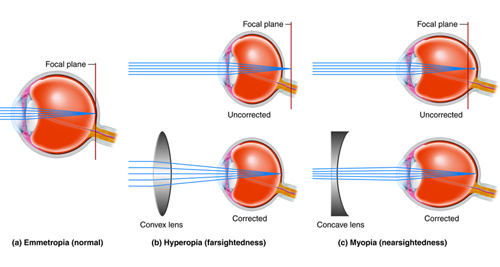
Astigmatism Overview Astigmatism is a common eye condition that affects the way light enters the eye, leading to blurred or distorted vision. It happens when the cornea or lens is irregularly shaped, preventing light from focusing properly on the retina. In a perfectly shaped eye, the cornea is round like a soccer ball. In this condition, it may be shaped more like a rugby ball — with different curves in different directions. This results in light scattering rather than focusing to a single sharp point. Common symptoms include: This condition can occur on its own or alongside short-sightedness (myopia) or long-sightedness (hyperopia). It’s usually present from birth but can also develop after an eye injury, surgery, or due to a condition like keratoconus. Astigmatism is not a disease and is easily corrected with glasses, contact lenses, or refractive surgery. 👉 [Next: Causes and Types of Astigmatism] Sandton Eye Clinic – Ophthalmic Surgery – Morningside Complications of Untreated Astigmatism Treatment for Astigmatism Diagnosis of Astigmatism

Astigmatism Read More »

Causes and Types of Astigmatism

Causes and Types of Astigmatism

Causes and Types of Astigmatism Astigmatism results from an irregularly shaped cornea or lens that affects how light is bent (refracted) when entering the eye. Learn more about the causes and types of astigmatism below. Causes Types of Astigmatism Understanding your type of astigmatism helps eye care professionals recommend the right treatment or correction method. 👉 [Next: Diagnosis of Astigmatism] Dr Lourens Coetzee – Cataract, Cornea & Refractive Surgeon Complications of Untreated Astigmatism Astigmatism Treatment for Astigmatism

Causes and Types of Astigmatism Read More »

Antique anatomical illustration of the human abdomen showing kidneys, spine, and surrounding tissues.

Diagnosis of Astigmatism

Diagnosis of Astigmatism Astigmatism is usually detected during a routine eye exam by an optometrist or ophthalmologist. The diagnosis of astigmatism involves several tests that assess vision clarity and eye shape. 1. Visual Acuity Test 2. Keratometry 3. Corneal Topography 4. Refraction Test 5. Autorefractor or Aberrometer Astigmatism can occur in children and may affect learning and reading. In South Africa, school vision screenings are becoming more common, but early detection still relies heavily on parental observation and regular optometrist visits. 👉 [Next: Treatment for Astigmatism] Diagnosis of Cataracts in Adults Causes and Types of Astigmatism Complications of Untreated Astigmatism Astigmatism

Diagnosis of Astigmatism Read More »

Treatment for Astigmatism

Treatment for Astigmatism

Treatment for Astigmatism Astigmatism can be effectively corrected, allowing clear and comfortable vision. The treatment for astigmatism chosen depends on the severity, type, lifestyle needs, and whether it coexists with other vision problems. 1. Eyeglasses 2. Contact Lenses 3. Refractive Surgery 4. Orthokeratology (Ortho-K) In South Africa, most optical practices offer toric lenses, refractive surgery consultations, and affordable glasses. Public clinics may offer basic correction, but surgery and contact lenses are usually private. 👉 [Next: Complications of Untreated Astigmatism] Spec-Savers East London Causes and Types of Astigmatism Diagnosis of Astigmatism Astigmatism

Treatment for Astigmatism Read More »

Complications of Untreated Astigmatism

Complications of Untreated Astigmatism

Complications of Untreated Astigmatism Although astigmatism is not life-threatening, untreated or poorly corrected astigmatism can significantly affect quality of life, especially in children and students. Learn more about the complications of untreated astigmatism below. 1. Blurred or Distorted Vision 2. Eye Strain and Headaches 3. Learning and Behavioural Challenges in Children 4. Amblyopia (Lazy Eye) 5. Driving and Safety Risks 6. Reduced Quality of Life Prevention and Management Astigmatism is highly manageable with early detection and the right correction method. Most people go on to have clear, comfortable vision with minimal effort. 👉 End of Series | Back to Overview Complications of Atrial Fibrillation Causes and Types of Astigmatism Diagnosis of Astigmatism Treatment for Astigmatism

Complications of Untreated Astigmatism Read More »

Scroll to Top