Mental Matters

Author name: admin

Causes of Athlete’s Foot

Causes of Athlete’s Foot

Causes of Athlete’s Foot Athlete’s foot is caused by fungi called dermatophytes, which live on skin, nails, and hair. These fungi thrive in warm, damp environments, especially in enclosed footwear or communal spaces. Read more about the causes of athlete’s foot below. Common causes: People with diabetes, weakened immune systems, or a history of fungal infections are more prone. In South Africa’s warm climate, it’s easy to become infected and reinfected without proper care. The infection is highly contagious and can spread through direct contact or contaminated surfaces. Reinfection is common if hygiene habits or footwear aren’t improved. 👉 [Next: Diagnosis of Athlete’s Foot] What I Reach for When Panic Hits Causes of Corns Causes of Compartment Syndrome Complications of Athlete’s Foot Athlete’s Foot Overview

Causes of Athlete’s Foot Read More »

Diagnosis of Athlete’s Foot

Diagnosis of Athlete’s Foot

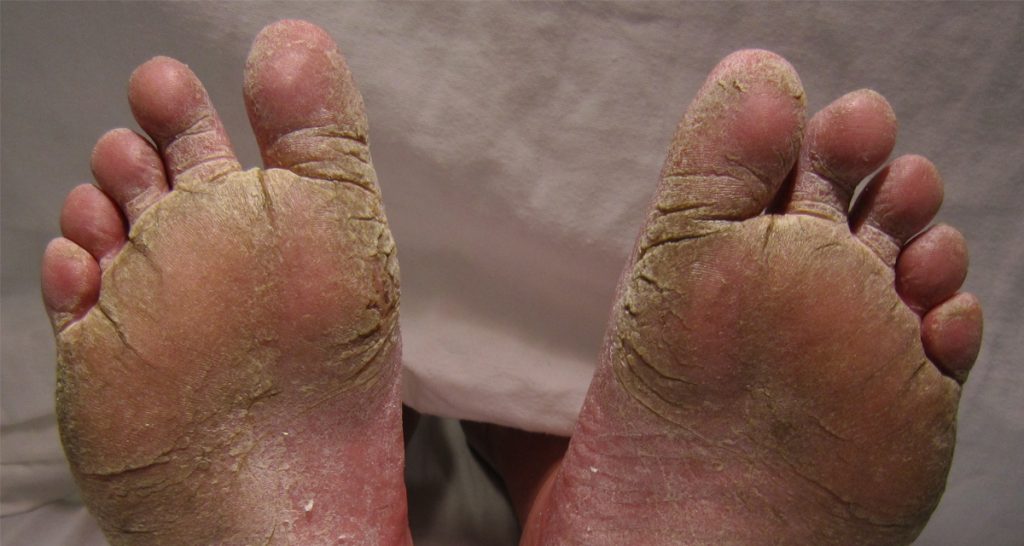
Diagnosis of Athlete’s Foot The diagnosis of athlete’s foot is usually straightforward. Doctors can often recognise it through physical examination alone, based on the visible signs: scaling skin, cracking between toes, itching, or burning. If needed, further tests may be done: In South Africa, many mild cases are treated over the counter, but chronic or recurrent infections should be seen by a GP or dermatologist. Early diagnosis prevents the infection from spreading to the toenails or other areas like the groin or hands. 👉 [Next: Treatment of Athlete’s Foot] Complications of Athlete’s Foot Athlete’s Foot Overview Diagnosis of Aspergillosis Causes of Athlete’s Foot Symptoms of Cataracts in Children
Diagnosis of Athlete’s Foot Read More »

Treatment of Athlete’s Foot

Treatment of Athlete’s Foot

Prevention of Athlete’s Foot(Opens in a new browser tab) Treatment of Athlete’s Foot For the treatment of athlete’s foot, the following methods and supportive measures are commonly affective. Mild athlete’s foot responds well to topical antifungal creams, powders, or sprays, such as: Applying Treatments Apply treatments for 2 to 4 weeks — even after symptoms disappear — to ensure the fungus is fully eradicated. In more severe or persistent cases, doctors may prescribe oral antifungal medication like fluconazole or itraconazole. Nail involvement may require longer treatment. Supportive measures: Some natural remedies like tea tree oil may help, but they shouldn’t replace medical treatment. 👉 [Next: Complications of Athlete’s Foot] Treatment Options for Balanitis Treatment for Aspergillosis Treatment of Chilblains Treatment of Cold Sores

Treatment of Athlete’s Foot Read More »

Complications of Athlete’s Foot

Complications of Athlete’s Foot

Complications of Athlete’s Foot If left untreated, this can lead to several issues. Learn more about the complications of athlete’s foot in the 6 points below. 1. Secondary bacterial infections Cracked or broken skin allows bacteria to enter, leading to swelling, pus, or cellulitis. 2. Nail infections (onychomycosis) The fungus can spread to the toenails, causing thick, yellow, brittle nails. 3. Spread to other body areas Hands (tinea manuum), groin (jock itch), and even the face can be affected. 4. Allergic reactions (id reaction) An itchy rash may develop on the hands or fingers due to fungal exposure. 5. Chronic or recurring infection Improper treatment or reinfection from contaminated shoes leads to long-term symptoms. 6. Complications in diabetics Even minor foot infections can lead to ulcers, poor wound healing, or more serious foot problems. Preventing complications involves early treatment, maintaining hygiene, wearing clean, dry footwear, and monitoring for symptoms — especially in those with underlying health conditions. 👉 [Next: Prevention of Athlete’s Foot] Complications and Recovery from a Cracked Rib Treatment of a Cracked Rib Diagnosis of a Cracked Rib Causes of a Cracked Rib Symptoms of a Cracked Rib

Complications of Athlete’s Foot Read More »

Prevention of Athlete’s Foot

Prevention of Athlete’s Foot

Prevention of Athlete’s Foot Prevention is key to avoiding this recurrence. The focus is on dryness, hygiene, and protection for the prevention of athlete’s foot. Top prevention tips: In South Africa, where many schools and gyms have shared facilities, children and teens should be taught basic foot care habits early on. If you’ve had athlete’s foot before, take extra care — recurrence is common. Addressing sweaty feet and avoiding re-contamination is just as important as treatment itself. 👉 [End of Series | Back to Overview] Treatment of Athlete’s Foot Treatment for Aspergillosis You’ve Got This! Take Control of Your Anxiety Treatment Options for Balanitis Melbourne Foot Ankle & Walking Clinic Podiatrist

Prevention of Athlete’s Foot Read More »

Atherosclerosis

Atherosclerosis

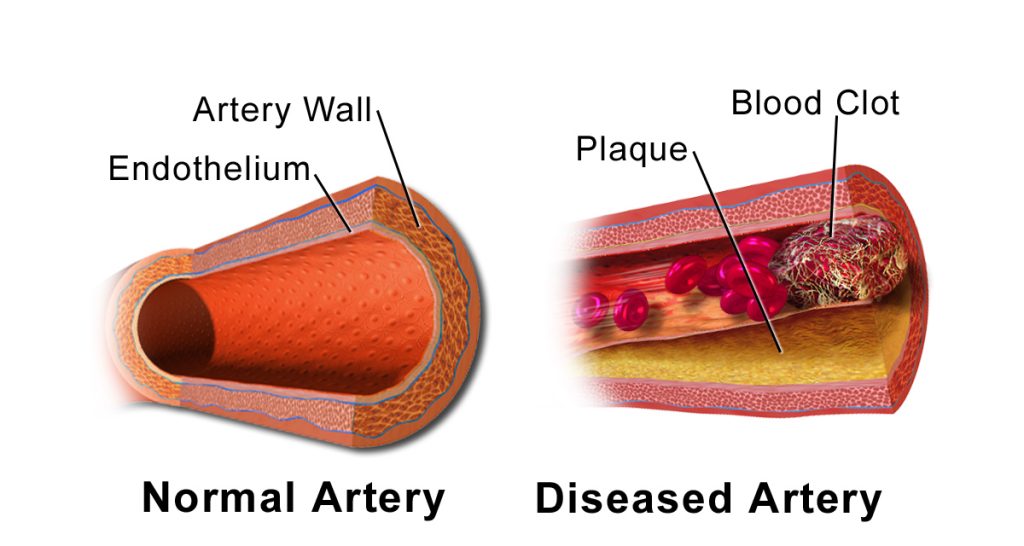
Atherosclerosis Overview Atherosclerosis is a condition in which plaque builds up inside the arteries, causing them to narrow and harden. This reduces blood flow to vital organs and increases the risk of heart attack, stroke, and other serious health problems. Plaque is made up of fat, cholesterol, calcium, and other substances found in the blood. Over time, this buildup can restrict or block blood flow and may rupture, causing blood clots. This condition is a leading cause of cardiovascular disease worldwide, including in South Africa, where rising rates of obesity, diabetes, and high blood pressure are increasing its prevalence. Common symptoms (depending on the artery affected): Atherosclerosis often progresses silently, without noticeable symptoms until an emergency occurs. Prevention, early detection, and lifestyle changes are crucial. 👉 [Next: Causes and Risk Factors of Atherosclerosis] Complications of Atherosclerosis Treatment and Management of Atherosclerosis Diagnosis of Atherosclerosis Causes and Risk Factors of Baker’s Cyst

Atherosclerosis Read More »

Causes and Risk Factors of Atherosclerosis

Causes and Risk Factors of Atherosclerosis

Causes and Risk Factors of Atherosclerosis Atherosclerosis develops gradually as certain risk factors damage the inner lining of arteries (endothelium), allowing fats and cholesterol to deposit and form plaque. Learn more about the causes and risk factors of atherosclerosis below. Main Causes Risk Factors In South Africa, a mix of urban lifestyle changes, high salt intake, and limited access to preventive care contributes to a growing burden of atherosclerosis-related disease, especially in working-age adults. Let’s now explore how atherosclerosis is diagnosed. 👉 [Next: Diagnosis of Atherosclerosis] Treatment and Management of Atherosclerosis Complications of Atherosclerosis Atherosclerosis Causes of Coronary Heart Disease

Causes and Risk Factors of Atherosclerosis Read More »

Diagnosis of Atherosclerosis

Diagnosis of Atherosclerosis

Diagnosis of Atherosclerosis Atherosclerosis is often discovered during routine check-ups or while investigating symptoms like chest pain or leg cramps. Diagnosis of atherosclerosis involves blood tests, imaging, and sometimes specialised heart exams. 1. Medical History and Physical Examination 2. Blood Tests 3. Imaging Tests a) Ultrasound (Doppler) b) Electrocardiogram (ECG) c) Echocardiogram d) CT Angiography e) Coronary Angiogram In South Africa, many of these tests are available in both private hospitals and state facilities, though advanced imaging may be limited in some rural settings. Next, let’s look at how atherosclerosis is treated and managed. 👉 [Next: Treatment and Management of Atherosclerosis] Complications of Atherosclerosis Causes and Risk Factors of Atherosclerosis Atherosclerosis Causes and Risk Factors of Appendicitis

Diagnosis of Atherosclerosis Read More »

Treatment and Management of Atherosclerosis

Treatment and Management of Atherosclerosis

Treatment and Management of Atherosclerosis The goals of treatment are to reduce symptoms, prevent complications, and slow or reverse plaque buildup. Management usually involves a combination of lifestyle changes, medication, and in some cases, surgery. Learn more about the treatment and management of atherosclerosis below. 1. Lifestyle Changes 2. Medications 3. Surgical Procedures (if needed) In South Africa, surgical treatments are available at tertiary hospitals and private cardiac centres. Prevention and early medical management, however, remain the most cost-effective strategy in most settings. Let’s now examine the potential complications of untreated or advanced atherosclerosis. 👉 [Next: Complications of Atherosclerosis] Causes and Risk Factors of Atherosclerosis Diagnosis of Atherosclerosis Atherosclerosis Causes of Cardiovascular Disease

Treatment and Management of Atherosclerosis Read More »

Complications of Atherosclerosis

Complications of Atherosclerosis

Complications of Atherosclerosis Atherosclerosis can lead to life-threatening complications if the artery becomes severely narrowed or a plaque ruptures, triggering a blood clot. Learn more about the complications of atherosclerosis below. 1. Heart Attack (Myocardial Infarction) 2. Stroke 3. Peripheral Artery Disease (PAD) 4. Aneurysm 5. Chronic Kidney Disease 6. Sudden Cardiac Death Prevention of Complications With proper treatment and lifestyle changes, many people with atherosclerosis can live full, active lives and prevent serious events like heart attacks or strokes. 👉 End of Series | Back to Overview Treatment and Management of Atherosclerosis Causes and Risk Factors of Atherosclerosis Diagnosis of Atherosclerosis Living with Brain Aneurysm

Complications of Atherosclerosis Read More »

Scroll to Top